












Night sweats can be very frightening, particularly if they occur frequently and have no apparent cause. They may occasionally indicate more serious health issues, even though they are often associated with benign stimuli such as stress or room temperature. The relationship between sleep sweating and cardiovascular health is a topic of growing medical research.
This article will examine the relationship between night sweats and heart problems, determine whether heart problems cause night sweats, and break down night sweats and heart disease symptoms in detail.
- Frequent night sweats may signal underlying health issues, including heart conditions, especially when paired with chest pain or breathlessness.
- Cold sweats, fatigue, or dizziness alongside sweating could indicate serious heart-related problems.
- Not all causes are severe; hormonal changes, anxiety, or infections are common, but persistent symptoms need medical evaluation.
Read More: 8 Ways To Deal With Night Sweats After Menopause
What Counts as Night Sweats?
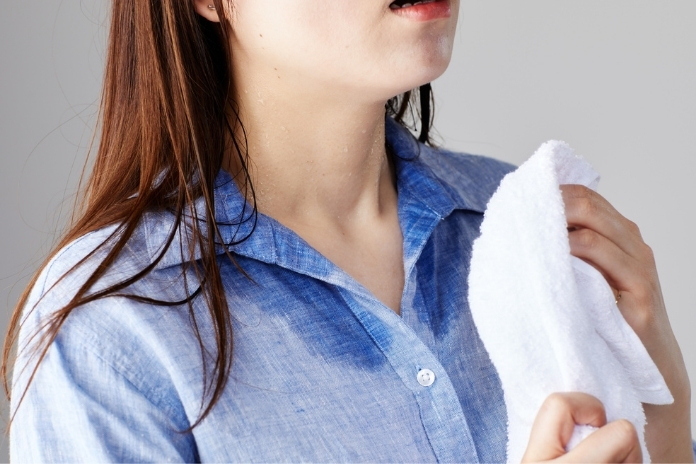
Heavy perspiration while sleeping is known as “night sweats.” Sweating from deep sleep, being in a warm room, or having too many blankets is not the same as this type of sweating.
Often, night sweats are so intense that you have to change your clothes and bedding because they are so wet.
Women going through menopause often experience night sweats. Other health issues may also cause night sweats.
If you experience frequent night sweats, it’s critical to consult your physician. They will want to ensure that there is nothing serious causing your nocturnal sweats.
Clinicians consider nocturnal sweating clinically relevant when it soaks into sheets or clothes, even in a cool environment. Feeling a little warm beneath thick covers is not the same as this.
Sweating episodes that persistently disrupt sleep could be a sign of something beyond environmental factors.
Frequent episodes are more worrisome and may necessitate the assessment of underlying cardiovascular symptoms or hormonal changes, particularly in the absence of external triggers.
Can Heart Problems Cause Night Sweats?
Although night sweats can be very painful and interfere with your sleep, are they an unanticipated warning sign of something more serious? Individuals who are at risk for heart disease or who already have heart disease may question whether their bedding is attempting to tell them something about their cardiovascular health.
Excessive perspiration at night may indicate some forms of heart disease, even though heart disease is not the most frequent cause of night sweats.
If you have other heart-related symptoms in addition to excessive sweating at night, such as:
- Chest pain, particularly if it spreads to your jaw, neck, or back
- Excessive fatigue that doesn’t go away with rest is called fatigue
- Lightheadedness or dizziness
- Breathing difficulties
- Heartburn
- An irregular or fast heartbeat
- Palpitations
Heart-Related Symptoms That Should Not Be Ignored
When night sweats are accompanied by additional symptoms that point to heart strain or decreased circulation, they become more alarming.
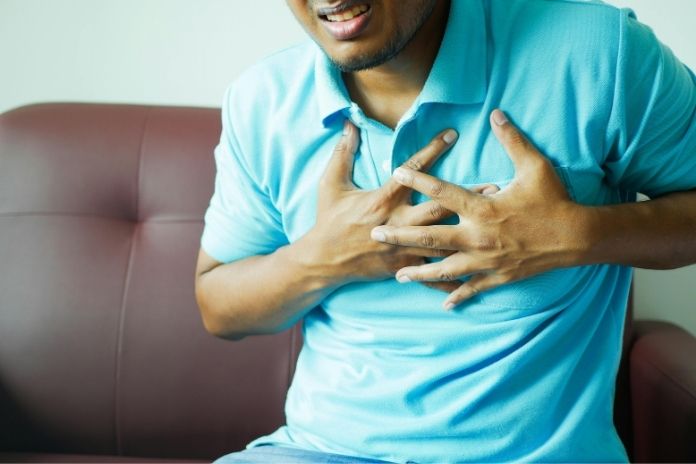
Chest discomfort and Pressure: One of the most common indicators of heart disease. People often compare it to a heavyweight pressing down on the chest. This sensation can expand to the arms, neck, jaw, or back and may also involve tightening, burning, or squeezing.
Breathing Difficulties: Breathlessness is a serious indicator of heart issues that requires prompt medical intervention. Breathing difficulties can also be a sign of heart problems, even if chest pain is often known. According to the American Heart Association, 30% of men and 42% of women have this symptom during a heart attack.
Heart Rhythm Changes: Millions of Americans suffer from arrhythmias, or irregular heartbeats. One of the most common heart rhythm abnormalities is atrial fibrillation.
Unexplained Tiredness: In today’s hectic environment, feeling exhausted all the time may seem normal, but when combined with other symptoms, it may be an early warning sign of heart disease. According to the American Heart Association, up to 70% of heart failure patients report feeling extremely tired.
Sudden Sweating with Sickness: During a heart attack, in particular, sudden sweating combined with nausea might be a concerning indicator of heart disease. Many individuals confuse these symptoms with worry or illness, but realizing how important they are could make all the difference.
Read More: Waking Up Sweaty? Why Your “Night Terrors” Might Actually Be Nocturnal Hypoglycemia
Night Sweats and Heart Failure: Is There a Connection?
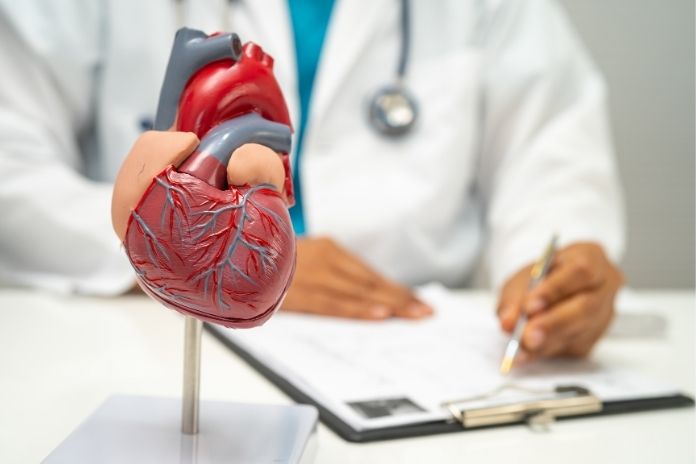
Sweating at night may occasionally coexist with other symptoms in heart failure. Sweating excessively can be an indication of a heart attack, along with other heart symptoms like pressure or pain in the chest.
You may refer to your perspiration during a heart attack as “cold sweat.” A blockage cuts off your heart’s blood supply and causes a heart attack. If you suspect you are experiencing a heart attack, you should immediately seek medical assistance since it is a medical emergency.
One condition that might cause a heart attack is atherosclerosis. When fatty materials known as plaques accumulate along the walls of your blood vessels, you develop atherosclerosis, which narrows the vessels and may result in blockages.
Cold sweats and angina (chest discomfort) can be indicators of atherosclerosis when your heart doesn’t receive enough oxygen-rich blood, while they may or may not occur only at night.
Could Night Sweats Signal a Heart Attack?
Since cardiac events do not just happen during the day, it is crucial to comprehend heart attack symptoms at night.
Heart disease does not develop overnight. With symptoms that are often easy to ignore at first, they tend to sneak into your life slowly.
Keeping an eye out for these warning signs becomes increasingly crucial as you approach your 40s, 50s, and beyond, especially if heart disease runs in your family. A visit to your physician or cardiologist may be necessary if any of these symptoms occur on their own, especially if they do so regularly.
It’s normal to perspire after a vigorous workout or an afternoon of yard labor. However, if you’re perspiring while watching TV on the couch, there may be a problem. Your heart must work harder to keep blood flowing when the arteries clog. Your body responds by perspiring to lower your body temperature.
Although many people misinterpret night sweats as a sign of menopause, they can also indicate cardiac problems in women.
Read More: 7 Best Comforters for a Cozy Night’s Sleep
When Night Sweats Are More Likely Caused by Something Else
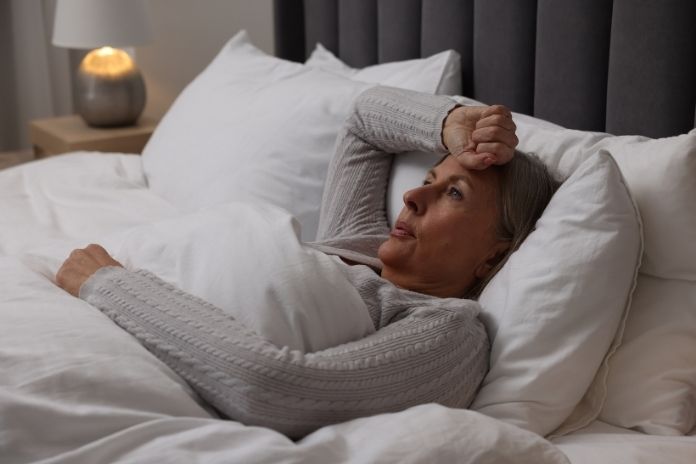
Sweating is not always associated with the heart.
One of the main causes of unexplained night sweats is hormonal changes, particularly menopause. Due to oxygen droplets, sleep apnea can also cause frequent awakenings accompanied by perspiration.
The autonomic nervous system is frequently triggered by anxiety problems, resulting in perspiration as you sleep. Infections, thyroid imbalance, and medications are also common contributors to excessive sweating during sleep.
When to See a Doctor About Night Sweats
Night sweats are quite common; however, if you experience frequent night sweats that interfere with your sleep, you should seek medical attention. It is especially important if the night sweats are accompanied by other symptoms such as fever, weight loss, diarrhea, or other signs that warrant concern, since these may indicate more serious underlying illnesses.
Ways to Reduce Night Sweats While Identifying the Cause
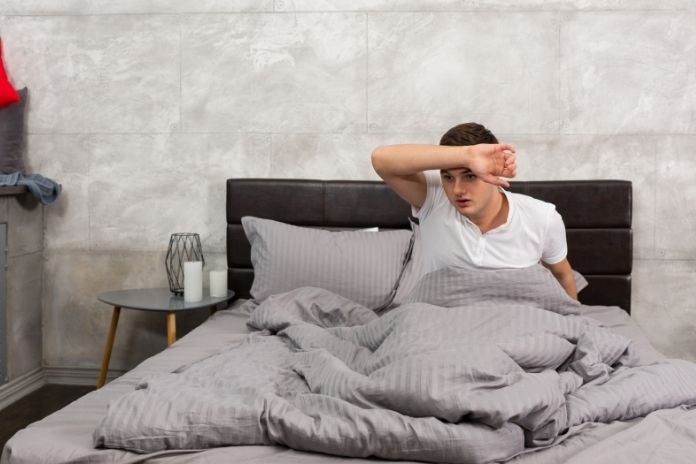
The most effective way to end night sweats is to first identify the underlying cause. It may involve adjusting the dose of a thyroid medication, managing menopausal symptoms with hormone therapy, or treating an infection.
Some things you might attempt at home to reduce night sweats are as follows:
- You should consider purchasing cooling sheets, moisture-wicking blankets, or cooling mattress pads.
- To help regulate your body temperature, maintain a cool environment.
- Make sure that air is moving by using a ceiling fan or a fan at your bedside.
You can provide much-needed relief by making your environment more comfortable at night.
However, consult your physician if your night sweats remain intense and persistent, or if other “red flag” symptoms, like unexplained weight loss or fever, accompany them.
They can help eliminate potentially significant conditions and develop a treatment strategy tailored to specific needs.
Read More: 7 Best Sleep Masks for Women’s Restful Nights
Conclusion
Although a clear connection between night sweats and heart problems does not always exist, you should never disregard them if they occur frequently or coexist with other symptoms. Persistent perspiration while sleeping may indicate more serious health issues, even though many cases are caused by innocuous factors such as stress or hormonal fluctuations.
It’s very critical to pay attention to trends and accompanying symptoms, such as exhaustion, breathing difficulties, or chest pain. You can take prompt action and also seek medical advice as necessary if you know when to worry about night sweats. Early assessment provides peace of mind while ruling out dangerous illnesses.
References
- Mayo Clinic. (January 20, 2024). Night sweats.
- Kaiser Permanente. Night sweats.
- UnityPoint Health. Why you’re having night sweats and when to worry.
- Van Devender, E. (2025, April 18). Heart disease and night sweats: 5 facts to know.
- Drugs.com. (October 14, 2024). Can excessive sweating be a sign of heart disease?
- Thomas, C. (2023, March 5). Sweating: The neglected cardiac symptom.
- Prime Heart and Vascular. (February 8, 2025). 7 Warning Signs of Heart Disease You Shouldn’t Ignore.
- Maria Baldasare. (September 09, 2022). 6 Signs You May Have Heart Disease.
- Ignite Healthwise. (July 1, 2025). Night Sweats.
- UnityPoint Health. Why you’re having night sweats and when to worry.
In this Article