



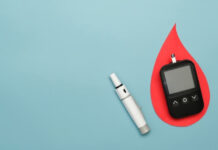
















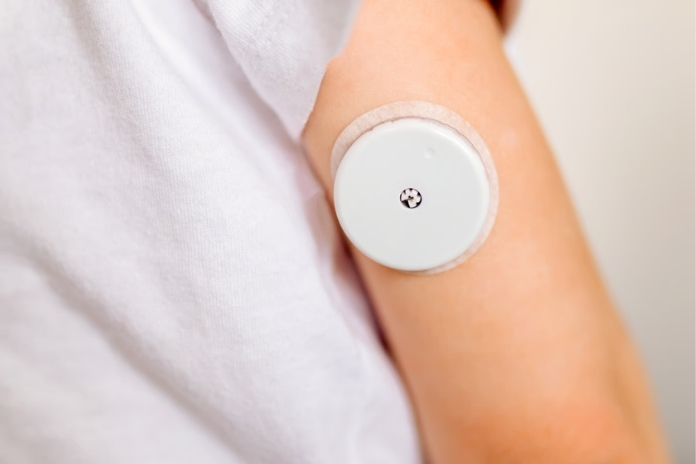
People with diabetes mostly check their sugar level only. Ketones are often ignored until the problem develops. This is just a common habit. But ketones are not the same as glucose. Sometimes they increase gradually and then rapidly more. By the time a person notices the symptoms, the levels have already gone too far on the wrong side.
This is where the idea of continuous ketone monitoring for diabetes comes from. Not many people are using it yet, because it is not available everywhere. But the concept is important. It is trying to change how people see ketones. The aim is to check the ketone level not only when you feel sick but also to monitor values before the disease progresses.
- Continuous ketone monitoring is a new type of sensor system that tracks ketones continuously instead of checking occasionally.
- It may help detect an early rise in ketones before symptoms appear, especially useful for type 1 diabetes and pump users.
- But it is still not widely available and needs better accuracy and guidelines.
Read More: Type 2 Diabetes Can Cause DKA: Understanding Ketosis-Prone Diabetes and Why It’s Often Missed
What Is Continuous Ketone Monitoring?
A Newer Approach to Tracking Ketones
Continuous ketone monitoring means checking ketones repeatedly without doing a manual test every time. As with a glucose sensor, the same idea is applied to ketones also. Right now, most people check ketones only when their doctor tells them or when they feel very sick.
The problem is that ketones don’t suddenly increase. Its level slowly increases. But since no one is checking it regularly, that early stage just goes unnoticed. This continuous ketone monitoring system is trying to fill this gap. It shows trends and levels going up, going down, and being stable.
Not just one number like a strip. It is still not very common. Many devices are under development or have limited use. So it is more like an “emerging” thing, not an everyday tool yet.
How It Differs From Traditional Ketone Testing
The traditional method for diabetes ketone testing is simple: a urine strip or blood ketone check. A urine strip is cheap but not always accurate. It shows past ketone levels, not the present status. The blood ketone meter is better, but you still have to prick your finger and test. Nobody is doing this every 2–3 hours normally.
So what happens? People test late. Means when the problem has already started. Continuous monitoring removes this delay. It keeps checking automatically.
Why It Is Still an Emerging Technology
The main issue is accuracy. Ketones are usually very low in normal times. So the sensor has to detect a very small change. That is difficult. Also:
- Devices are expensive
- Not available everywhere
- Doctors are also not fully using it yet
- No clear rules on what to do with data
So yes, the idea is strong. But the system is not fully ready.
Why Ketones Matter in Diabetes
What Causes Ketones to Rise
Ketones appear when the body is not getting enough insulin. Then the body starts breaking fat. In diabetes, this happens when:
- The insulin dose is missed
- The pump is not working properly
- Infection or fever
- Eating less, but insulin is also low
- Dehydration
Important Note: Ketones are more about an insulin problem or insulin deficiency, not just a high blood sugar problem.
When Ketones Become Dangerous
Small ketones can be harmless sometimes. But when they increase more, then it can progress to diabetic ketoacidosis (DKA). DKA is a serious diabetic complication. Blood becomes acidic. The body starts failing slowly. But it does not happen instantly. It happens gradually. This is an important window when early detection matters.
“Continuous measurement of ketones is a great way to help patients with diabetes to identify when their own body is potentially in danger of diabetic ketoacidosis, which is an emergency state,” says Dr. Ajaykumar D. Rao.
Who Is Most at Risk
- Type 1 diabetes people
- Pump users (very important group)
- Children
- People who get sick often
Pump users are especially affected because there is no long-acting insulin. If the pump stops, ketones can increase fast.
How Could Continuous Ketone Monitoring Help?
Earlier Warning of Rising Ketones
This is the main benefit. Instead of waiting for symptoms, you get a signal of high ketones early. For example, if ketones are slowly increasing, then you can act early:
- Take insulin
- Drink water
- Check pump
So the problem may stop before becoming serious.
Better Sick-Day Management
When someone is sick, everything becomes confusing. Sugar goes up, appetite goes down, and insulin adjustment is not clear. During that time, ketones pose a significant risk. But people don’t know when to check. Continuous monitoring gives clarity. If ketones begin to rise, it signals the need for prompt action.
Extra Safety for Insulin Pump Users
Pump failure is silent sometimes; you don’t get to know about this immediately. Glucose may increase slowly. But ketones can start rising earlier due to a lack of insulin delivery. So a continuous ketone monitor for diabetes can act like a warning system. Not perfect, but better than nothing.
More Data for Personalized Care
Right now, doctors don’t have ketone data except during emergencies. With continuous tracking:
- They can see patterns
- Understand who gets ketones easily
- Adjust insulin better
This part is not discussed much, but it is actually very important.
Continuous Ketone Monitoring vs CGM: What’s the Difference?
CGM Tracks Glucose, Not Ketones
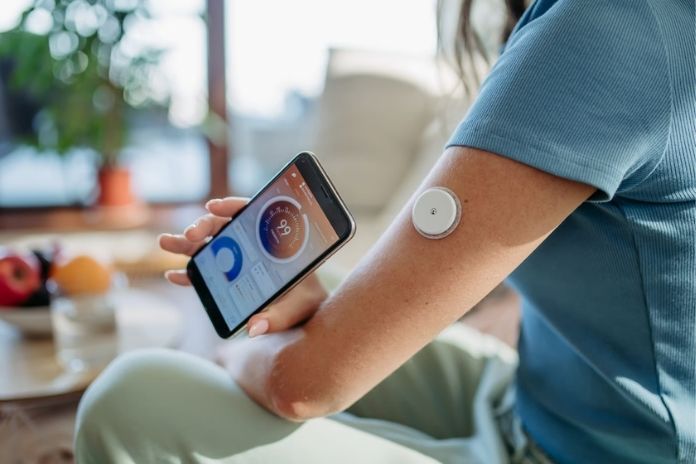
CGM only shows the sugar level and glucose monitoring. Dr. David Nathan, a pediatric hematologist, says, “It shows you the graph of whether you’re on the up slope or the down slope.” It does not show ketones. Many people relate and think that high sugar means ketones. But it is not always true. Ketones depend on insulin level, not just sugar.
Why Both Metrics May Matter
Sugar value shows how much glucose is in the blood. Ketones indicate whether the body is lacking enough insulin and is switching to fat breakdown. Both together give a better picture. Sometimes sugar is high but not blood ketones; this is a normal situation. Sometimes sugar is moderate, but ketones are high; this is more risky. So both data are useful.
One Does Not Replace the Other
Ketone monitoring can never replace CGM. It is an extra layer of information that may improve safety and decision-making. You can think of it as a complementary signal rather than a backup or substitute.
Who Should Pay the Most Attention to This Technology?
People with Type 1 Diabetes: They are the main group. Risk of DKA is highest here. Especially those who already had DKA before.
Families of Children With Diabetes: Parents worry a lot about their child during illness or at night. Continuous ketone data can reduce guessing. But it also depends on how accurate the device is.
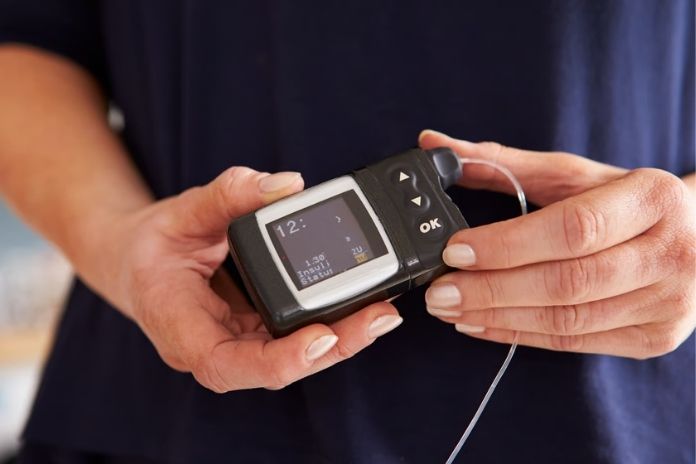
People Using Insulin Pumps: This is a really important group because these individuals are at risk of pump failure. Since pump users do not receive long-acting insulin, ketone levels can rise quickly if insulin delivery stops.
Anyone With Recurrent Ketosis: Ketones are synthesized in some people easily, even when their sugar is not too high. For them, trend tracking can help them understand the body better.
Current Limitations to Continuous Ketone Monitoring

Not Yet Standard or Universally Available: Continuous ketone monitoring is not yet common in standard diabetes care. Many places don’t have access to it.
Accuracy and Lag Time: The continuous ketone sensor may not match the blood ketone level exactly. Also, a delay can happen. Means the sensor could show a delayed rise compared to actual ketone levels.
Cost and Insurance Coverage: The continuous ketone monitoring device can be expensive. Not everyone can afford it.
Clinical Guidance is Still Developing: Doctors don’t have fixed rules yet pertaining to the use of the device. For example, it is still unclear:
- At what level should alerts be triggered?
- What thresholds are dangerous in continuous data?
As a result, continuous ketone monitoring test interpretation may vary between providers.
Read More: Supplements to Take While on the Keto Diet: What Science Really Says & What You May Need
What to Do If Ketones Are High?

Follow Your Diabetes Sick-Day Plan: Basic things will remain the same: take insulin, drink fluids, and recheck ketone levels. The device is not replacing this.
Seek Urgent Care for Warning Signs: If symptoms of DKA appear, such as vomiting, fast breathing, weakness, and confusion, don’t wait.
Do Not Rely Only on a Device: The device can sometimes be inaccurate or delayed. Physical symptoms matter more.
Questions to Ask Your Diabetes Care Team

Am I a Good Candidate for Ketone Monitoring?
Not everyone needs it. It depends on individual risk factors and medical history.
How Should I Respond to Rising Ketones?
Without a clear plan, data is useless. You need action steps.
How Would It Fit With My Current CGM or Pump?
Practical integration with existing devices matters. Too many devices can also become confusing.
Read More: Study Finds Ketone Monoester Drinks May Help Regulate Blood Sugar Levels
Final Thoughts: A Promising Tool With Growing Potential
Continuous ketone monitoring is not hype exactly, but also not fully ready. It is trying to solve a real problem: the late detection of ketones. Right now, most people respond after ketone levels have already increased. This system tries to shift the reaction earlier.
But still: accuracy needs improvement, cost needs reduction, and guidelines need clarity. So for now, it is a useful idea, but not a full solution.
FAQs On Continuous Ketone Monitoring
1. Is continuous ketone monitoring available now?
No, continuous ketone monitoring is not widely available in routine clinical care at present. Early-stage devices exist in research or limited markets, but most patients still rely on blood ketone meters or urine ketone strips for regular monitoring.
2. Can continuous ketone monitoring stop DKA?
No, continuous ketone monitoring cannot stop diabetic ketoacidosis, but it can provide early warning signals. Timely detection of rising ketone levels allows intervention with insulin, fluids, and medical care to prevent progression to severe DKA.
3. Do I still need manual ketone testing?
Yes, manual ketone testing is still required, especially when symptoms suggest ketosis or device readings appear inconsistent. Blood ketone testing remains the most accurate method to confirm levels and guide immediate clinical decisions in suspected ketoacidosis.
4. Is continuous ketone monitoring useful for type 2 diabetes?
Continuous ketone monitoring in type 2 diabetes is useful, mainly for patients using insulin or at risk of ketosis. Routine use is not necessary for all individuals, as ketone-related complications are less common compared to type 1 diabetes.
5. Are ketones always dangerous?
No, ketones are not always dangerous, as low levels can occur normally during fasting or low-carbohydrate intake. Risk arises when ketone levels rise excessively, leading to metabolic acidosis, dehydration, and potentially life-threatening diabetic ketoacidosis.
References
- Kong, Y. W., Morrison, D., Lu, J. C., Lee, M. H., Jenkins, A. J., & O’Neal, D. N. (2024). Continuous ketone monitoring: Exciting implications for clinical practice. Diabetes, Obesity and Metabolism.
- Lizzo, J. M., Goyal, A., & Gupta, V. (2023). Adult diabetic ketoacidosis. PubMed; StatPearls Publishing.
- Quah, P. L., Chai, S. M. H., & Tan, K. H. (2024). Differences in glucose readings between the continuous glucose monitoring calibration free interstitial sensors versus capillary blood glucose monitoring by glucometer: An analysis of two cases. Metabolism Open, 22, 100282.
In this Article