





















“Two people, one meal, two completely different outcomes.”
This simple observation sits at the heart of Prakriti Ayurveda, where understanding begins not with disease, but with the individual. In Ayurveda, the first question is never what illness is present, but what kind of Ayurvedic body type a person is born with.
Before any treatment, diet plan, or lifestyle recommendation, Ayurveda evaluates the Prakriti body constitution, the unique and stable balance of Vata, Pitta, and Kapha established at conception. This constitutional pattern shapes digestion, metabolism, psychology, emotional responses, and long-term health tendencies.
Unlike a personality label or wellness trend, Prakriti represents a structured biological framework. It explains why the same food, environment, or routine can produce entirely different effects in different individuals.
Modern research areas such as Ayurgenomics and microbiome studies are now exploring similar concepts of biological individuality and personalized medicine.
In this guide, we will delve into how Prakriti Ayurveda defines the Ayurvedic body type, how the Prakriti body constitution is identified, and why this ancient framework continues to matter in understanding modern approaches to personalized health.
- Individual Constitution: Prakriti is your unique inborn Ayurvedic body type formed at conception based on the balance of Vata, Pitta, and Kapha, shaping physical, mental, and metabolic traits.
- Prakriti vs Vikriti: Prakriti is your natural, stable baseline, while Vikriti is the temporary imbalance caused by diet, stress, and lifestyle.
- Seven Body Types: Ayurveda describes seven Prakriti types: Vata, Pitta, Kapha (single-dosha), Vata-Pitta, Vata-Kapha, Pitta-Kapha (dual-dosha), and Sama (balanced type).
- Health Tendencies: Each type has specific strengths and risks, Vata (neurological issues), Pitta (inflammation), and Kapha (metabolic disorders), helping predict health patterns.
- Personalized Health Approach: Knowing your Prakriti helps tailor diet, lifestyle, and treatment for better balance, and is increasingly linked with modern personalized medicine and genomics.
Understanding Prakriti and Its Distinction from Vikriti
Prakriti Ayurveda comes from the Sanskrit meaning “original nature” or “first creation.” It refers to the constitutional blueprint of an individual formed at the time of conception.
This constitution is determined by the proportion of Vata, Pitta, and Kapha doshas. It is described in classical texts such as Charaka Samhita, Sushruta Samhita, and Ashtanga Hridaya. This Ayurvedic body type remains relatively stable throughout life and expresses itself through physical, psychological, and metabolic characteristics.
The Prakriti body constitution is different from Vikriti, which represents the current state of imbalance influenced by diet, stress, season, age, and lifestyle. Prakriti indicates the baseline constitution, while Vikriti reflects deviation from that natural state.
For example, a person with a Pitta constitution under chronic stress may temporarily show Vata-like symptoms such as anxiety, insomnia, or irregular digestion. Clinical Ayurveda first identifies Vikriti and then works to restore balance toward the original Prakriti baseline.
Think of it this way: Prakriti is your factory setting. Vikriti is what happens when life, stress, and bad habits push you away from it. The goal of Ayurvedic treatment is always to get you back to your factory setting, not to treat the temporary state as if it were your permanent one.
The Seven Prakriti Types in Ayurveda

Classical Ayurvedic texts describe seven Prakriti types rather than just three. The three single-dosha types are Vataja, Pittaja, and Kaphaja, where one dosha is predominantly expressed as the core Ayurvedic body type. These represent constitutional extremes where a single doshic influence strongly shapes the Prakriti body constitution.
The remaining three are dual-dosha types: Vata-Pitta, Vata-Kapha, and Pitta-Kapha. In these cases, two doshas are co-dominant, creating a blended constitutional pattern that is most commonly seen in real-world individuals.
The seventh type, Sama Prakriti, represents an equal balance of Vata, Pitta, and Kapha and is considered ideal but is relatively rare.
Most individuals fall into dual-dosha categories, which is why many people feel they match more than one type when trying to understand their Prakriti Ayurveda profile. In dual-dosha constitutions, one dosha is usually more dominant, while the second modifies expression based on season, diet, and lifestyle influences.
The Three Doshas and the Elemental Logic Behind Prakriti
The framework of Prakriti Ayurveda is built on the three doshas: Vata, Pitta, and Kapha. Each Ayurvedic body type is not random but arises from a specific combination of elements that govern all physiological and psychological functions. Understanding this elemental logic helps explain why the Prakriti body constitution expresses itself in consistent, predictable patterns.
Vata, Pitta, Kapha Characteristics Based on Their Elements

Vata is composed of Air and Ether, making it the lightest, most mobile, and most subtle dosha. This Vata Pitta Kapha body type principle explains why Vata manifests as dryness, irregular digestion, variable appetite, quick thinking, creativity, and anxiety when imbalanced. It governs all movement in the body, including nerve impulses, circulation, respiration, and elimination.
Pitta is formed from Fire and Water, giving it transformative, sharp, and heating qualities. Pitta types typically show strong digestion, sharp intellect, warm body temperature, and goal-oriented behavior, but may become irritable or inflammatory when aggravated. It governs metabolism, enzymatic activity, thermoregulation, and vision.
Kapha is composed of Earth and Water, making it dense, stable, and grounding. Kapha types often have strong physical structure, steady energy, calm temperament, and strong memory, though they may be prone to weight gain and congestion. It governs structure, lubrication, and immunity in the body.
Disease Susceptibility Patterns by Type
Prakriti Ayurveda also helps in understanding tendencies toward specific disease patterns based on constitutional strengths and weaknesses.
- Vata Types: More prone to neurological disorders, anxiety, insomnia, constipation, and degenerative conditions.
- Pitta Types: Tend toward inflammatory conditions such as skin diseases, liver disorders, autoimmune tendencies, and acid-related issues.
- Kapha Types: More susceptible to metabolic disorders like obesity, type 2 diabetes, dyslipidemia, and chronic respiratory congestion.
These tendencies are not fixed outcomes but directional patterns that become more evident when influenced by Vikriti and lifestyle imbalance.
What Modern Research Says About Prakriti
Modern research has begun exploring whether Prakriti Ayurveda has a measurable biological basis.
A 2015 genome-wide SNP study published in Scientific Reports analyzed 3,416 healthy adult males classified by experienced Ayurvedic physicians using AyuSoft software. The results suggested that Ayurvedic body type categories may show distinguishable genomic patterns, including an association of the PGM1 gene with the Pitta phenotype described in classical texts.
Further studies link Prakriti body constitution types with genes such as HLA-DRB1 (immune regulation), CYP2C19 (drug metabolism), and EGLN1 (oxygen sensing).
A study in 2020 showed that 16S rRNA sequencing had revealed distinct gut microbial patterns across Prakriti types, with Vata tending toward more butyrate-producing microbes, Pitta toward more inflammation-associated bacteria, and Kapha toward microbes linked to lipid metabolism and metabolic stability.
A 2025 scoping review mapping studies from 1987 to 2024 identified multiple biological correlates supporting Prakriti classification, contributing to the emerging field of Ayurgenomics.
However, these findings should be interpreted cautiously because most studies are small, region-specific, and use different assessment tools. While the direction of evidence is promising, large-scale and independently replicated studies are still required for stronger validation.
How Prakriti Is Actually Assessed

Prakriti Ayurveda is not determined through a single questionnaire but through a structured clinical evaluation of long-term physical, physiological, and psychological patterns.
In traditional practice, an Ayurvedic physician assesses around 150 parameters to identify the underlying Ayurvedic body type and map the Prakriti body constitution. This is based on sustained observation rather than momentary symptoms.
Key indicators include body structure, skin and hair characteristics, eye clarity, voice tone, appetite rhythm, digestion quality, bowel habits, sleep patterns, memory style, emotional response patterns, and activity levels. Seasonal sensitivity and environmental responses are also integrated to refine constitutional understanding.
Traditional assessment and modern tools
In classical Ayurveda, Prakriti assessment is a clinical synthesis built on observation, questioning, and pattern recognition over time. It requires expertise to distinguish inherent constitution from temporary imbalance, making it a nuanced interpretive process rather than a fixed scoring system.
From 1987 to 2024, researchers developed 64 different assessment tools, including CSIR-NII systems, AyuSoft software, structured questionnaires, and machine learning models.
A 2025 review of 94 studies noted significant variability in methods, which contributes to inconsistent research outcomes. While self-assessment tools exist for general use, they are best viewed as preliminary indicators rather than definitive classifications.
If you’re considering making significant changes to your diet, supplement routine, or health practices based on Prakriti, it’s worth consulting a qualified Ayurvedic practitioner rather than relying solely on an online quiz. In the U.S., you can find credentialed practitioners through the National Ayurvedic Medical Association (NAMA) at ayurvedanama.org.
How to Use Prakriti Practically
The practical value of knowing your Prakriti is that it gives you a single governing rule for every diet and lifestyle decision: like increases like, and opposites restore balance.
If your dominant dosha is Vata, which is cold, dry, and light, then cold, dry, and light foods and habits will push you further out of balance. Warm, moist, and grounding ones will bring you back. You don’t need to memorize a separate list for every situation.
Once you understand the qualities of your dosha, you can reason your way to the right choice in any new situation. This makes the Prakriti body constitution a functional tool rather than a theoretical concept.
- Vata (cold, dry, light, mobile): Balanced by warm, moist, nourishing, and grounding influences such as cooked foods, sesame oil, regular meals, routine, and warmth. Aggravated by cold, dry foods, irregular schedules, frequent travel, and excess stimulants.
- Pitta (hot, sharp, oily, intense): Balanced by cooling, calming, and mildly nourishing foods, adequate rest, and stress reduction practices. Aggravated by spicy foods, alcohol, excessive sun exposure, competition, and anger.
- Kapha (heavy, slow, cold, stable): Balanced by light, warm, stimulating foods and regular physical activity. Aggravated by heavy sweet foods, sedentary habits, oversleeping, and cold, damp environments.
Each guideline follows elemental logic rather than fixed rules, allowing Prakriti-based reasoning to adapt to new situations without needing memorization of separate instructions.
Prakriti and Personalized Medicine
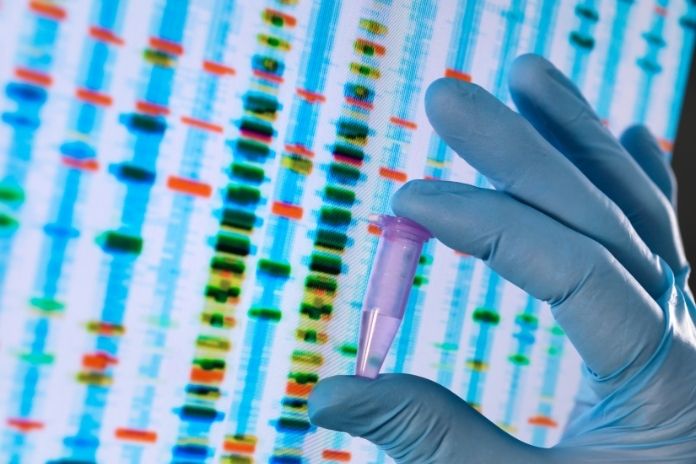
The contemporary field of Ayurgenomics positions Prakriti Ayurveda as an early model of the modern “4P” healthcare framework: predictive, preventive, participatory, and personalized medicine.
The idea behind an Ayurvedic body type is that individuals differ in meaningful physiological ways that influence disease risk, treatment response, and lifestyle needs. In this sense, Prakriti-based evaluation of the Prakriti body constitution predates modern personalized medicine by thousands of years.
The key difference is that modern systems rely on genomic data, while Ayurveda uses observable phenotypic markers that often reflect broader biological patterns. These markers are not limited to genes but include functional and environmental expression.
The convergence of Prakriti classification with genomics and microbiome research is now being explored as a stratification tool in modern studies. This overlap represents a growing scientific interest in linking traditional constitutional models with contemporary systems biology.
Conclusion
Prakriti Ayurveda, through the concept of the Ayurvedic body type and Prakriti body constitution, offers one of Ayurveda’s most refined personalized frameworks for understanding individual variation in health and disease.
It explains why the same food, lifestyle, or treatment can produce different outcomes in different people. Its true value lies not in labeling, but in recognizing that health is an individual baseline and disease reflects deviation from that Prakriti.
Modern research in genomics and microbiome science is now beginning to explore this biological foundation, while Ayurveda already described the architectural logic of Prakriti Ayurveda long ago.
FAQs
1. Can two people with the same Prakriti still have completely different health issues?
Yes. Even with the same Ayurvedic body type, lifestyle, diet, stress levels, and environment, individuals can be pushed into very different Vikriti states. Prakriti explains tendencies, not fixed outcomes.
2. If Prakriti is fixed, why do symptoms keep changing?
Symptoms reflect Vikriti rather than Prakriti. The Prakriti body constitution remains stable, while imbalance shifts with seasons, habits, and emotional stress, leading to changing clinical patterns over time.
3. How do I find my Prakriti if I can’t see an Ayurvedic practitioner?
Start with a validated self-assessment questionnaire, many are available free online, and look for ones based on the CSIR-NII or AyuSoft frameworks rather than informal blog quizzes. Answer based on your lifelong patterns, not how you’ve felt recently, since recent symptoms reflect Vikriti, not Prakriti.
Treat the result as a useful starting point for understanding your tendencies, not a clinical diagnosis. If you want a more reliable assessment, a single consultation with a qualified Ayurvedic practitioner, even remotely, will give you a much more accurate picture than any self-assessment tool.
4. Is it possible to have all three doshas equally balanced?
Yes, this is known as Sama Prakriti. However, it is considered rare in real-world populations. Most individuals show dual-dosha Ayurvedic body type patterns rather than perfect equilibrium.
5. Can knowing Prakriti actually improve health outcomes?
Yes. Understanding Prakriti Ayurveda can support more personalized choices in diet, routine, and lifestyle. It helps align daily habits with constitutional tendencies, reducing long-term risk of imbalance.
References
- Govindaraj P, Nizamuddin S, Sharath A, et al. Genome-wide analysis correlates Ayurveda Prakriti. Sci Rep. 2015;5:15786. doi:10.1038/srep15786.
- Gupta A, Singh V, Chandra S, Garg R. Towards standardization of Prakriti evaluation: A scoping review of modern assessment tools and their psychometric properties in Ayurvedic medicine. J Ayurveda Integr Med. 2025;16(4):101157. doi:10.1016/j.jaim.2025.101157.
- Available via PubMed. Association and validation studies on Prakriti-based classification systems.
- Available via PubMed Central. Prakriti-based phenotypic and physiological variation studies in Ayurveda.
- Available via PubMed Central. Ayurgenomics and constitutional phenotype correlation studies.
- Available via PubMed Central. Microbiome and Prakriti association studies in personalized medicine context.
- Available via PubMed. Pharmacogenomic and Prakriti correlation studies in drug metabolism.
- Govindaraj P, et al. Genome-wide association study linking Prakriti with genetic variation. Sci Rep. 2015.
- Prakriti-based classification and applications in integrative medicine research. JETIR. 2023.
- Kerala Ayurveda Store. Pitta dosha and health associations overview.
- Journal of Research in Ayurvedic Sciences. Scoping review on Prakriti association studies.
In this Article