




















Orange juice is one of the most recognizable fixtures in an American breakfast. Fortified versions promise calcium and vitamin D on the label. Fresh-squeezed versions promise something closer to nature. But when it comes to bone health specifically, the question of which option actually delivers meaningful nutritional support deserves a closer look than most juice aisle labels provide.
The answer is more nuanced than a simple side-by-side comparison suggests. Fortified orange juice can be a legitimate vehicle for calcium and vitamin D, two nutrients that are chronically under-consumed by most Americans.
But whether a daily glass translates into real protection for bone mineral density depends on how the juice fits into a broader dietary pattern, how much calcium the body can actually absorb from a fortified beverage, and what else is happening in the diet and lifestyle picture.
This article breaks down the evidence on fortified orange juice bone health claims, clarifies what fresh juice does and does not provide, explains who stands to benefit most from fortified options, and outlines what long-term bone strength actually requires.
Why Bone Health Depends on More Than Just Calcium
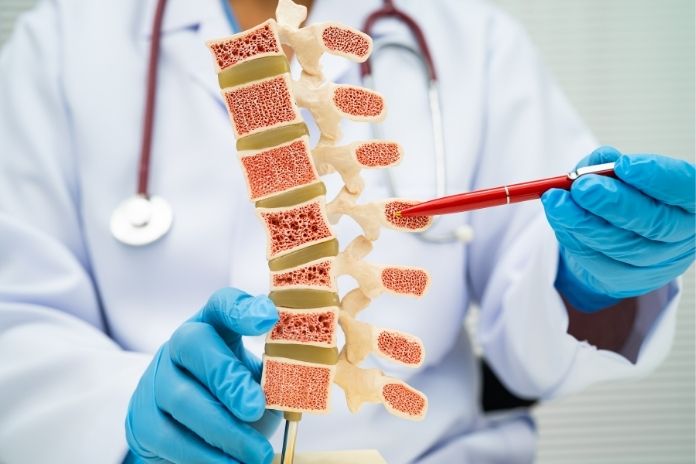
Calcium is the most abundant mineral in the human body, and approximately 99 percent of it resides in the skeleton. Bones function as the primary calcium reservoir, and that reservoir is continuously remodeled throughout life, with old bone tissue broken down and new tissue built in its place.
When dietary calcium intake is consistently low, the body draws from the skeletal reservoir to maintain blood calcium levels, a process that gradually reduces bone mineral density over the years. The recommended daily intake for adults ages 19 to 50 is 1,000 milligrams of calcium.
Women over 50 and men over 71 require 1,200 milligrams daily, according to the National Institutes of Health. Most Americans fall short of these targets, making calcium one of the four nutrients the Dietary Guidelines for Americans Advisory Committee has specifically identified as chronically under-consumed.
Importance of Vitamin D for Calcium Absorption
Calcium cannot do its job without adequate vitamin D. Vitamin D acts on the intestinal lining to facilitate the active transport of calcium from food into the bloodstream. Without it, calcium passes largely unabsorbed regardless of how much is consumed.
Dr. Neville Golden, MD, an adolescent medicine specialist at Stanford University School of Medicine, made this dependency explicit in a published NPR interview on bone health, stating that “you can drink as much calcium as you like, but if you don’t have enough vitamin D, you’re not going to absorb it.”
This pairing is one reason fortified orange juice that includes both calcium and vitamin D is nutritionally more useful for bone support than versions that add only one of the two.
Other Nutrients Involved: Magnesium and Vitamin K
Calcium and vitamin D do not work in isolation. Magnesium is required for converting vitamin D into its active hormonal form. Vitamin K2 directs calcium into bone tissue rather than into soft tissues like arteries.
Adequate protein intake supports the collagen matrix that gives bone its structural flexibility. A diet pattern that provides all of these nutrients together, rather than focusing on calcium in isolation, produces more durable bone health outcomes.
Lifestyle Factors That Influence Bone Strength
Bone responds to mechanical loading. Weight-bearing physical activity, including walking, jogging, dancing, and resistance training, stimulates bone-forming cells called osteoblasts and is one of the most powerful non-dietary determinants of bone density, particularly during adolescence when peak bone mass is established.
Tobacco use, heavy alcohol consumption, prolonged corticosteroid use, and very low body weight all accelerate bone loss independently of calcium intake.
Read More: 8 Early Signs of Bone Damage You Should Never Ignore
What “Fortified” Orange Juice Really Means

Nutrient fortification is the deliberate addition of vitamins or minerals to a food product, irrespective of whether those nutrients were originally present. In the case of orange juice, manufacturers add calcium and vitamin D to a beverage that is naturally rich in vitamin C and potassium but contains virtually no calcium and minimal vitamin D.
The goal is to create a familiar, widely consumed vehicle that can help close dietary nutrient gaps, particularly for consumers who do not consume dairy or do not receive adequate sun exposure.
Typical Additions: Calcium and Vitamin D
A standard 8-ounce serving of calcium-fortified orange juice typically provides approximately 350 milligrams of calcium, comparable to a glass of milk. Vitamin D additions vary by brand, but many fortified juices provide 15 to 25 percent of the daily value per serving.
The specific calcium salt used matters for how well the body absorbs it. Calcium citrate malate (CCM) is the most bioavailable form used in fortified juices. Tricalcium phosphate, combined with calcium lactate, a less expensive alternative used by some manufacturers, is absorbed less efficiently.
Differences in Nutrient Levels Compared to Fresh Juice
Freshly squeezed orange juice contains essentially no calcium. The calcium in fresh juice is negligible, typically under 10 milligrams per 8-ounce glass. It also contains no added vitamin D. The fortified version, by contrast, can deliver as much calcium per serving as dairy milk, making it a meaningful option for individuals who need non-dairy calcium sources.
The vitamin C and potassium content of both fresh and fortified juice are broadly comparable, since fortification does not significantly alter those naturally occurring nutrients.
Nutritional Comparison: Fortified vs. Fresh Orange Juice
A standard 8-ounce serving of fortified orange juice typically provides around 350 mg of calcium and 100 to 137 IU of vitamin D. Fresh-squeezed juice delivers neither in meaningful amounts. Both versions supply 60 to 90 mg of vitamin C and roughly 450 mg of potassium per serving, with potassium supporting the alkaline dietary pattern linked to reduced urinary calcium loss.
Both types contain approximately 110 calories and 20 to 22 grams of naturally occurring sugar per serving. Juice lacks the fiber of whole fruit, and dietary guidance generally recommends limiting intake to one serving per day. Fortification does not change the sugar content.
Not all fortified juices are equal. Calcium salt type, fortification level, and vitamin D content vary by brand, and calcium can settle during storage. Always shake the carton well before pouring.
Does Fortified Orange Juice Actually Support Bone Health?

A large NHANES analysis published in the Journal of Medicinal Food, examining data from 13,971 Americans aged 4 and older, found that 100 percent of orange juice consumers, including those drinking fortified varieties, had higher daily calcium and vitamin D intakes, higher serum 25-hydroxyvitamin D levels, and improved bone biomarkers compared to non-consumers.
OJ consumers in the highest intake tertile had significantly better bone-related outcomes across multiple measures.
A crossover bioavailability study published in the Journal of the American Dietetic Association compared calcium absorption from two commercially fortified orange juices in 25 healthy premenopausal women. The calcium citrate malate fortification system produced a 48 percent greater area under the curve for serum calcium compared to the tricalcium phosphate/calcium lactate system.
Estimated calcium absorption from CCM-fortified orange juice was approximately 36 percent, comparable to the roughly 32 percent absorption from fluid milk.
A separate bioavailability study published in the American Journal of Clinical Nutrition, conducted in elderly subjects, found that postprandial parathyroid hormone suppression did not differ significantly between calcium-fortified orange juice, calcium carbonate supplements, and milk, suggesting that the calcium bioavailability from all three sources was broadly equivalent in this population.
When Fortified Juice Can Help Fill Dietary Gaps
Fortified orange juice earns its place as a meaningful dietary calcium source for people who do not consume dairy, people following plant-based diets, and adolescents who have reduced milk consumption but retain a juice-drinking habit.
It is also one of the few non-dairy, non-supplement vehicles that provide vitamin D alongside calcium, which is clinically significant given that vitamin D deficiency affects an estimated 40 percent of U.S. adults.
Dr. Pelin Batur, MD, has stated in a published Cleveland Clinic article and podcast that “we prefer dietary calcium as opposed to supplements whenever possible.”
She also clarified a critical absorption point: “We can typically only absorb about 500 milligrams of calcium at one time,” which means stacking multiple calcium-rich sources in one sitting, such as fortified cereal, a glass of fortified juice, and a multivitamin, all at breakfast, produces diminishing returns. Spacing calcium intake throughout the day improves the total amount the body can actually use.
Limitations Compared to Whole-Food Sources
Fortified orange juice delivers calcium and vitamin D, but it does not replicate the full nutritional package of dairy or other whole-food calcium sources. Milk provides protein, phosphorus, and magnesium alongside calcium and vitamin D.
Leafy greens provide calcium alongside vitamin K, magnesium, and antioxidants. Canned fish with bones provides calcium alongside omega-3 fatty acids. Juice provides none of these micronutrients except potassium and vitamin C. It also provides sugar without fiber, which affects how it fits into overall dietary quality.
Read More: Natural Ways to Build Healthy Bones
Benefits of Fresh Orange Juice for Overall Health

Fresh orange juice provides vitamin C, folate, potassium, and antioxidant flavonoids, including hesperidin, which has been studied for cardiovascular and anti-inflammatory effects. What it does not provide is calcium or vitamin D.
For someone focused on bone health, choosing fresh over fortified means trading those nutrients for a vitamin C and potassium source. That trade-off matters most for people who are already calcium-deficient. Those meeting calcium needs through dairy, greens, or legumes will see minimal impact on bone outcomes either way.
Potential Downsides to Consider
Juice calories and sugar add up quickly alongside other daily carbohydrate sources. Whole oranges deliver the same vitamin C with more fiber and a lower glycemic response. Fortified juice can contribute meaningfully to calcium intake, but using it as the primary calcium source is a narrow strategy.
A diet that spreads calcium across dairy or alternatives, leafy vegetables, beans, and fish with bones is more nutritionally complete. Fortification adds specific nutrients but does not replicate the full co-nutrient package of whole foods.
Who May Benefit Most From Fortified Orange Juice
The strongest candidates are people who avoid dairy entirely, adolescents who have moved away from milk during peak bone-building years, postmenopausal women looking for low-effort ways to boost calcium and vitamin D intake, and people in northern latitudes with limited winter sun exposure.
For all of these groups, fortified juice works best as one component of a distributed calcium strategy throughout the day, not as a single morning bolus.
Better Ways to Support Bone Longevity
Prof. Connie M. Weaver, PhD, has stated in published Purdue University research communications that “a 5 percent increase in bone mass corresponds to about a 40 percent decrease in fracture risk” and that “eighty percent of bone density is genetically determined, and an individual can only manipulate about 20 percent.”
That 20 percent window is where diet, supplementation, and exercise combined produce their maximum effect. Regular weight-bearing activity expands the return on every calcium dollar the diet provides.
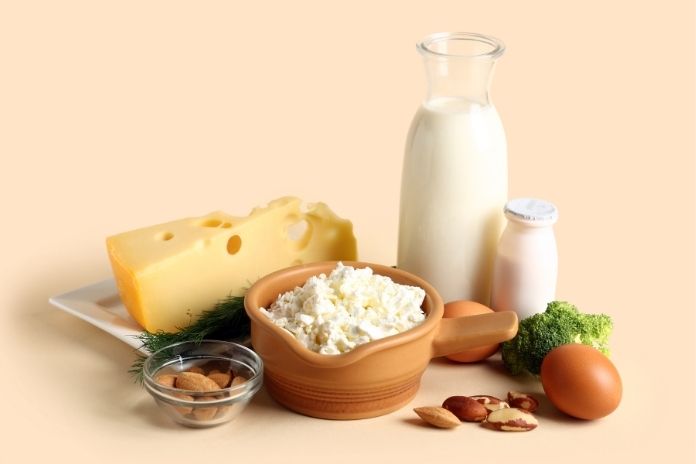
The most calcium-dense whole foods are dairy products, including milk, yogurt, and cheese, each providing 200 to 450 mg per serving. Non-dairy whole-food sources include canned salmon and sardines with bones, firm tofu made with calcium sulfate, cooked kale and bok choy, edamame, and almonds.
For vitamin D, wild-caught fatty fish, including salmon, mackerel, and sardines, are the most concentrated food sources. Eggs and UV-exposed mushrooms provide smaller amounts. Fortified milk, plant-based milks, cereals, and orange juice extend dietary access to both nutrients for people whose whole-food sources fall short.
The skin synthesizes vitamin D3 upon ultraviolet B exposure. For many adults in temperate climates, 10 to 30 minutes of midday sun exposure on arms and legs several times per week during spring, summer, and fall is sufficient to maintain adequate blood levels. Winter months at latitudes above 35 degrees north reduce UVB availability dramatically, making dietary and supplemental vitamin D particularly important from November through March.
Blood testing for 25-hydroxyvitamin D is the most reliable way to assess vitamin D status. People with confirmed deficiency; those with malabsorption conditions, including Crohn’s disease, celiac disease, or after bariatric surgery; and older adults who cannot reliably absorb adequate calcium from food alone may benefit from targeted supplementation.
Calcium supplements are most effective when taken in doses no greater than 500 mg at a time and when paired with vitamin D to support absorption.
Read More: 8 Best Products for Supporting Bone Health and Density
When to Seek Medical Guidance
Risk factors for osteoporosis include being postmenopausal, having a low body weight, a personal or family history of fractures, long-term corticosteroid use, certain medical conditions affecting hormone levels or gastrointestinal absorption, and smoking. A bone density test, known as a DEXA scan, is the standard method for assessing bone mineral density and fracture risk.
Clinical guidelines recommend screening for all women by age 65 and earlier for those with risk factors. Symptoms of vitamin D deficiency can be subtle or absent for years, which is why deficiency often goes undetected without testing.
People who suspect they are not meeting calcium or vitamin D requirements, or those with risk factors for osteoporosis, should discuss personalized nutrition and screening recommendations with their physician or a registered dietitian before adjusting their supplement or dietary strategy.
Key Takeaway
Fortified orange juice’s bone health claims rest on real science. When the juice contains calcium citrate malate and vitamin D, and when it is consumed as part of a diversified dietary pattern that spaces calcium throughout the day, it can meaningfully contribute to reaching calcium and vitamin D targets, particularly for people who cannot or do not consume dairy.
The NHANES data show measurable improvements in bone biomarkers among orange juice, calcium, and vitamin D consumers at the population level. Fresh vs. fortified orange juice is not, at its core, a question of which is more natural. It is a question of what the drinker needs. Fresh orange juice provides vitamin C, potassium, and antioxidants.
Fortified orange juice provides all of those plus calcium and vitamin D in bioavailable forms. For consumers specifically working on bone strength, the fortified version has a clear advantage. But neither version substitutes for a comprehensive approach. Does orange juice help osteoporosis?
As a component of a bone-supportive diet that includes multiple calcium sources, adequate vitamin D, protein, magnesium, vitamin K, weight-bearing exercise, and appropriate medical monitoring, it can contribute. As a standalone solution, it cannot. The best drink for bone strength is the one consumed alongside a broader commitment to the diet, activity, and clinical care that long-term skeletal health actually demands.
References
- Cormick, G., Betran, A. P., Romero, I. B., Cormick, M. S., Belizán, J. M., Bardach, A., & Ciapponi, A. (2021). Effect of calcium-fortified foods on health outcomes: A systematic review and meta-analysis. Nutrients, 13(2), 316.
- Dawson-Hughes, B., Harris, S. S., & Dallal, G. E. (2002). Relative bioavailability of calcium-rich dietary sources in the elderly. American Journal of Clinical Nutrition, 76(6), 1561-1566.
- Heaney, R. P., Dowell, M. S., Rafferty, K., & Bierman, J. (2005). Calcium fortification systems differ in bioavailability. Journal of the American Dietetic Association, 105(5), 807-809.
- Lee, S. G., Yang, M., Wang, Y., Vance, T., Lloyd, B., Chung, S. J., Koo, S. I., & Chun, O. K. (2014). Impact of orange juice consumption on bone health of the U.S. population in the National Health and Nutrition Examination Survey 2003-2006. Journal of Medicinal Food, 17(11), 1205-1214.
- Biancuzzo, R. M., Young, A., Bibuld, D., Cai, M. H., Winter, M. R., Klein, E. K., Ameri, A., Reitz, R., Salameh, W., Chen, T. C., & Holick, M. F. (2010). Fortification of orange juice with vitamin D₂ or vitamin D₃ is as effective as an oral supplement in maintaining vitamin D status in adults. The American Journal of Clinical Nutrition, 91(6), 1621–1626.
- Unspecified authors. (2023). Article on orange juice and nutrition. The American Journal of Clinical Nutrition / ScienceDirect.
- University of Florida IFAS Extension. (2022, May 4). Orange juice is one good source of vitamin C.
- PotsandPans India. (n.d.). Fortified orange juice & vitamin D: Health benefits.
- WebMD. (2024). Health benefits of orange juice.
- Martini, D., et al. (2022). Health effects of orange juice consumption: A review. Antioxidants, 11(3), 457.
- Metropolis Healthcare. (n.d.). Orange juice health benefits.
- Exploration Publishing. (n.d.). Orange juice and health effects.
In this Article