




















- A 2025 study found that eating two kiwis daily for eight weeks increased skin thickness, collagen production, and skin cell renewal.
- Kiwi supports skin health beyond vitamin C. The fruit also contains vitamin E, vitamin K, potassium, fiber, and polyphenols.
- These nutrients help support the skin barrier, improve hydration, reduce oxidative damage, and promote overall gut health.
What if clearer and firmer skin had less to do with what you were putting on your face and more to do with what you were consuming? That question used to sound like wellness influencer noise. It doesn’t anymore.
In late 2025, researchers at the University of Otago published findings that showed something most people in dermatology had long suspected but never directly confirmed: eating foods for firmer skin rich in vitamin C sends that vitamin straight through the bloodstream and into every layer of skin, where it gets to work on collagen synthesis and cell renewal.
The vehicle they tested was two kiwis a day for eight weeks. The results, measured in actual skin samples, were positive across every single participant. This article breaks down what happened in that study, what it means for how kiwi nutrition for skin works in practice, and how to put it to use without overhyping what fruit can and cannot do.
Read More: Why Grapefruit Might Be the Real Collagen Booster Your Skin Needs
The 8-Week Kiwi Experiment: What the Science Says
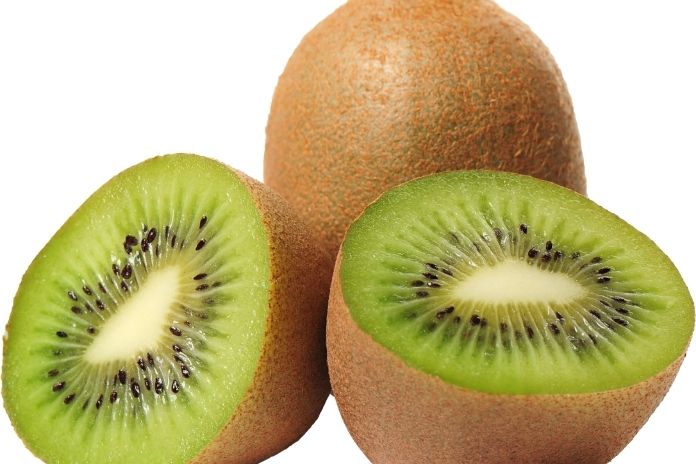
In late 2025, researchers at the University of Otago published findings in the Journal of Investigative Dermatology (Pullar et al. 2025) that showed something most people in dermatology had long suspected but never directly confirmed: eating foods for firmer skin rich in vitamin C sends that vitamin straight through the bloodstream and into every layer of skin, where it gets to work on collagen synthesis and cell renewal.
The vehicle they tested was two kiwis a day for eight weeks. The results, measured in actual skin samples, were positive across every single participant.
Each person ate two SunGold kiwifruit daily for eight weeks, delivering approximately 250mg of vitamin C per day. Researchers took skin samples before and after the intervention and measured changes across multiple layers.
The results were consistent and measurable. Skin density increased from approximately 0.15 to 0.23 scanner units, a structural marker tied to dermal protein content, including collagen synthesis. Epidermal cell proliferation also increased, confirming faster cell renewal in the outer skin layer.
Vitamin C levels rose in the skin’s dermis, epidermis, and blister fluid in direct proportion to what rose in the blood. The skin was not passively absorbing stray nutrients. It was actively pulling vitamin C from plasma via specialized sodium-dependent transporters.
Prof. Margreet Vissers, PhD, senior author of the study and professor at the Centre for Redox Biology and Medicine, University of Otago, described the results plainly, “Improved skin health is easily within reach. We clearly demonstrated that improving your vitamin C intake, within normal dietary levels, will boost your skin health.”
A few caveats worth naming upfront: the study was small, just 24 people. It was partially funded by Zespri International, the kiwifruit producer. Skin elasticity did not improve, and UV protection did not meaningfully change. The improvements in skin density were cellular-level measurements, not cosmetic transformations visible in a mirror.
This is not a magic bullet. It is a solid signal that vitamin C for skin elasticity and density responds more reliably to dietary intake than to topical application, and that two kiwis a day is enough to move the needle.
What Happens to Your Skin When You Eat 2 Kiwis Daily

Firmer, Denser Skin
Collagen synthesis requires vitamin C as a direct cofactor. Without adequate levels, the amino acids proline and lysine cannot be properly hydroxylated to form stable collagen triple-helix structures. The result is collagen that breaks down faster and is replaced more slowly.
When plasma vitamin C rises through dietary intake, dermal fibroblasts can access what they need to produce and maintain the structural collagen that keeps skin thick and firm. The Otago study showed this happening at measurable levels within 8 weeks. Vitamin C and collagen production are not loosely connected. The relationship is enzymatic and direct.
Brighter, More Even Tone
Alongside collagen support, vitamin C for skin elasticity and tone works by regulating melatonin. Higher vitamin C levels in the epidermis inhibit the enzyme tyrosinase, slowing excess pigment production that leads to dark spots and uneven tone.
Faster cell renewal documented in the kiwi study means fresher epidermal cells reach the surface more quickly, which translates to a more even, more radiant appearance over time. These are the same mechanisms targeted by high-end brightening serums, achieved here by eating fruit.
Deep Hydration from the Inside Out
Kiwis are approximately 80% water by weight and carry a profile of micronutrients that support moisture retention from multiple angles. Vitamin E and K benefits are both relevant here. Vitamin E is a lipid-soluble antioxidant that integrates into cell membranes and supports the hydration and skin barrier by reducing water loss through the outer skin layers.
Vitamin K plays a role in reducing inflammation and supporting the microcirculation that keeps skin nourished. Together with the hydration delivered through the fruit itself, these compounds support the skin’s ability to hold moisture, not just temporarily, but structurally.
Protection and Repair
Every hour, skin faces free radical damage from UV exposure, pollution, and metabolic processes. A kiwi’s combination of vitamin C and vitamin E is particularly well suited to address this. They work synergistically: vitamin C neutralizes water-soluble free radicals in the tissue fluid while vitamin E handles the lipid-soluble ones in cell membranes.
Once vitamin E neutralizes a free radical and becomes oxidized in the process, vitamin C regenerates it back to its active form. This recycling partnership means the combined protective effect is greater than either antioxidant alone. Antioxidants for glowing skin work by protecting what already exists rather than only rebuilding.
Why It Works: The Skin-Nutrition Connection

The mechanism behind kiwi-skin benefits is not mysterious once you understand the transport system. The skin has both sodium-dependent vitamin C transporters, SVCT1 and SVCT2, making it one of only a few tissues in the body with dual uptake capacity alongside the gut and kidneys.
This suggests the skin treats vitamin C as a priority nutrient, not a passive recipient. When plasma levels rise, the skin responds by pulling more in through active transport, concentrating it in dermal fibroblasts at levels up to 100 times higher than plasma.
Fiber adds another layer to the story. The gut-skin axis is an emerging area of genuine clinical interest, not wellness marketing. A 2022 review published in PMC examining the gut-skin axis found that dietary fiber feeds beneficial gut bacteria, which produce short-chain fatty acids that reduce intestinal permeability and systemic inflammatory load, both of which directly influence skin barrier integrity and clarity.
Kiwi nutrition for skin includes both soluble and insoluble fiber that supports exactly this pathway, reducing the chronic low-grade inflammation that degrades dermal collagen and impairs the hydration and skin barrier from within.
Chronic low-grade inflammation is a well-documented driver of collagen degradation and impaired skin barrier function. Reducing it from the inside has consequences that eventually show up in how skin looks and behaves.
Dr. Whitney Bowe, MD, has built her clinical approach around exactly this framework, “It all comes down to what’s called the gut-brain-skin axis,” she explained. “The microbial communities in the gut directly influence skin health, inflammation, and radiance,” she notes.
More Than Just a Vitamin C Fix

Antioxidants and Phytonutrients
A single kiwi delivers carotenoids, including lutein and zeaxanthin, polyphenols, and chlorophyll compounds alongside its headline nutrients. These phytonutrients protect collagen fibers from oxidative cross-linking and reduce the activity of matrix metalloproteinase enzymes that break down the dermal matrix.
According to the NIH Office of Dietary Supplements Vitamin C fact sheet, vitamin C is essential for collagen biosynthesis and functions as a potent antioxidant that regenerates other antioxidants, including vitamin E, making the combined profile of kiwi particularly well-suited to combating free radical damage at multiple levels simultaneously. Antioxidants for glowing skin work by protecting what already exists rather than only rebuilding.
Dr. Rajani Katta, MD, puts the case for whole-food antioxidants directly: “The right foods can activate DNA repair systems, quench free radicals, and protect against collagen damage,” she told Dermatology Times.
Antioxidants for glowing skin work by neutralizing the cascade of free radical damage before it reaches the structural proteins that keep skin resilient. Oxidation, inflammation, and glycation are the three processes that damage aging skin, and antioxidant-rich foods are one of the most evidence-backed tools to fight all three.
Potassium and Fiber Benefits
One medium kiwi contains roughly 215mg of potassium. Adequate potassium supports fluid balance at the cellular level, which has downstream effects on skin plumpness and the delivery of nutrients to skin cells through blood circulation.
Fiber, present at about 2.1 g per medium kiwi, supports the gut microbiome in producing short-chain fatty acids that reduce intestinal permeability and systemic inflammatory load, both relevant to kiwi skin benefits operating below the surface.
Immunity and Inflammation
Natural ways to improve skin firmness often involve reducing the chronic low-grade inflammation that steadily degrades dermal collagen. The immune-supporting properties of vitamin C are well established: it supports T-cell function, enhances neutrophil activity, and reduces the duration and severity of inflammatory responses.
Mildly inflamed skin systemically is better positioned to maintain collagen synthesis, resist environmental damage, and preserve the barrier integrity that keeps moisture in and irritants out.
How to Incorporate Kiwis for Skin Health
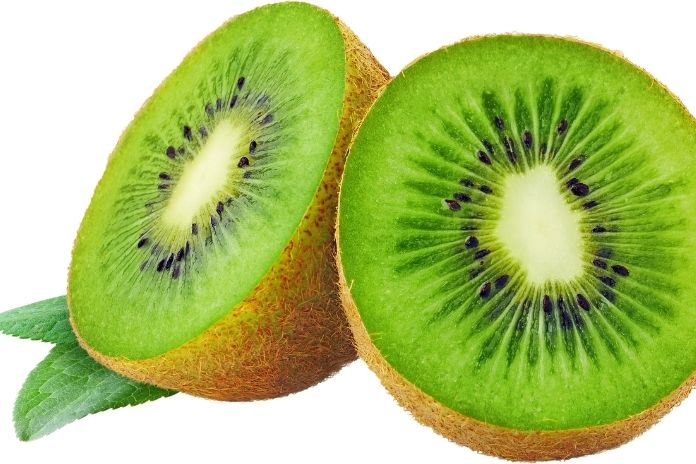
Two medium kiwis daily is the dose used in the research, delivering approximately 250 mg of vitamin C, the level associated with plasma saturation and the skin uptake benefits observed in the Otago study. Green and golden varieties both work, though SunGold carries slightly higher vitamin C content per fruit.
Practical options that make two kiwis easy to consume:
- Slice them into your morning yogurt
- Blend them into a smoothie with spinach and banana
- Eat one before breakfast on an empty stomach
- Keep them at your desk as a mid-morning snack
Whole fruit is the better choice over kiwi juice. Juicing removes the fiber that supports the gut-skin connection and concentrates natural sugars without the structural matrix that slows their absorption.
Furthermore, kiwi is among the more common fruit allergens, and cross-reactivity with latex allergy is well-documented. If you have a latex allergy or have previously reacted to kiwi, speak with your doctor before adding it regularly. For most people, two a day falls comfortably within a normal dietary range with no GI concerns at that level.
Realistic Expectations and Safety Notes

Two kiwis a day will not reverse years of sun damage, eliminate deep wrinkles, or replace a dermatologist. The Otago study showed cellular-level improvements in skin density and cell renewal, measurable in biopsy samples, but those changes take weeks to accumulate and may not be visible in a mirror at all.
Dr. Brian Toy, MD, was direct about the limits of the findings: “Because the improvement in density was on a cellular level, any cosmetic improvement would be difficult to appreciate with the naked eye.”
Results also vary based on baseline diet, genetics, sun exposure history, and overall skincare routine. How to boost collagen naturally through food works best as a consistent, long-term practice layered alongside other healthy habits, not as a standalone intervention.
Excess vitamin C beyond what the body can use is excreted rather than stored, and very high supplemental doses can cause GI upset, though two kiwis worth is nowhere near that threshold. Dietary benefits of kiwi skin are real, measurable, and evidence-backed. They work best when they are part of a diet broadly rich in anti-aging foods, adequate protein, healthy fats, and hydration.
Read More: 7 Morning Habits That Could Be Damaging Your Skin Without Realizing It
Key Takeaway
Two kiwis a day will not turn back time. But based on the best available evidence, they can boost collagen synthesis, support cell renewal, strengthen the hydration and skin barrier, and reduce free radical damage from within. In about eight weeks, your skin may be measurably denser and better protected, even if you cannot see the difference in a mirror yet.
Eating foods for firmer skin rich in vitamin C delivers those nutrients through the bloodstream directly into dermal fibroblasts, the cells actually responsible for building and maintaining collagen. This is proof enough that real skincare starts on your plate.
The broader takeaway for anyone serious about natural ways to improve skin firmness is that no single food, supplement, or serum works in isolation. Kiwi skin benefits are real, but they amplify what an already reasonable diet, consistent sun protection, adequate sleep, and basic skincare are doing.
Think of two kiwis daily as one reliable, affordable, well-researched piece of a larger picture rather than a standalone fix. The skin reflects the whole body’s nutritional state, and consistently feeding it the right raw materials is the most sustainable anti-aging strategy available.
Frequently Asked Questions
1. Do you need to eat kiwi specifically, or will any vitamin C food work?
Any consistent dietary source of vitamin C will support collagen synthesis and cell renewal through the same mechanism. Kiwi earned attention because the Otago study used it as the delivery vehicle and produced measurable results, but bell peppers, guava, strawberries, and citrus all qualify as foods for firmer skin by the same logic.
2. How long before you actually see a difference in your skin?
People with lower starting vitamin C levels tend to respond more noticeably than those already well-nourished. Consistency matters more than speed here. Kiwi nutrition for skin works as a cumulative, long-term input rather than a short-term fix.
3. Is eating kiwi better than taking a vitamin C supplement for skin?
For collagen synthesis specifically, the bioavailability of food-derived vitamin C is comparable to supplements at moderate doses, but the additional phytonutrients in whole fruit add protective effects that no supplement fully replicates. Whole fruit is the stronger choice when the goal is overall kiwi skin benefits rather than correcting a clinical deficiency.
4. Can eating kiwi replace your skincare routine?
No, and it was never designed to. Dietary vitamin C and collagen production work from the inside out, which means they support the structural dermis in ways that topical products cannot easily reach. Topical products work at the surface, addressing texture, hydration, and barrier repair in ways that diet alone cannot replicate.
References
- Katta, R. (2023). Diet and the skin-diet link. Dermatology Times.
- Katta, R. (2018). Glow: The Dermatologist’s Guide to a Whole Foods Younger Skin Diet. Blurb. Referenced
- Pullar, J. M., Bozonet, S. M., Segger, D., et al. (2025). Improved human skin vitamin C levels and skin function after dietary intake of kiwifruit: A high-vitamin-C food. Journal of Investigative Dermatology.
- Toy, B. (2026). Expert commentary on kiwifruit and skin study. Fox News Digital.
- Vissers, M. C. M. (2025). Interview on kiwi study findings. BBC Science Focus.
- Vissers, M. C. M. (2025). Interview on kiwi skin study. The Dermatology Digest.
- Bowe, W. (2018). Interview: The Beauty of Dirty Skin. Josie Girl Blog.
- EatingWell. (n.d.). Health benefits of kiwi.
- Health.com. (2025). Eating 2 kiwis a day could help your skin look younger and healthier.
- Irish Examiner. (n.d.). Two kiwis a day may boost skin health and collagen.
- The Dermatology Digest. (2025). Can eating two kiwifruit a day keep collagen levels at play?
- The Times. (n.d.). Want younger skin and better sleep? Why two kiwi fruit a day could help.
- Times of India. (2025). Stop peeling your kiwi: A gastroenterologist reveals why the skin is the healthiest part.
In this Article