



















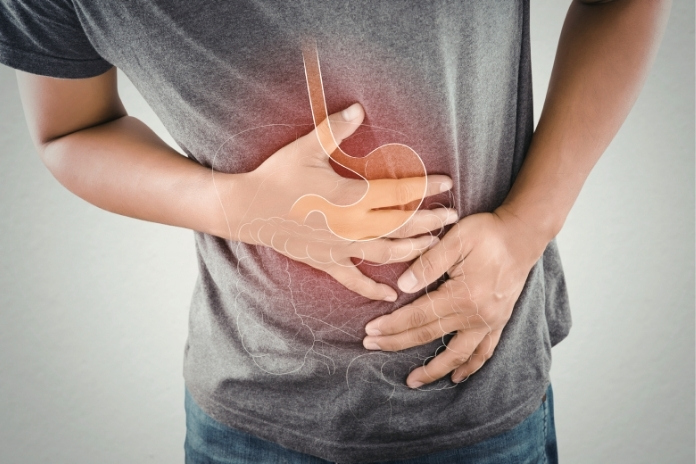
- Stomach bugs spread easily: Spread through contaminated food, surfaces, and close contact.
- Most contagious during symptoms: Vomiting and diarrhea release many virus particles.
- Stay home after symptoms: Wait 24–48 hours symptom-free before returning.
In families, schools, and workplaces, a stomach bug can manifest abruptly and spread swiftly. Many individuals believe that once they cease experiencing symptoms like vomiting, diarrhea, and cramping in their stomach, they are no longer contagious.
But the truth is a little more nuanced. Even when a person starts to feel better, the virus that caused the sickness can still spread.
To safeguard family members, coworkers, and students, it is crucial to know how long a stomach bug is contagious. This article explains the stomach virus contagious period, the norovirus contagious timeline—one of the most common causes of stomach bugs—and the typical stomach flu recovery timeline.
Read More: The Best Juices to Drink on an Empty Stomach in the Morning (According to Nutritionists)
How Stomach Bugs Spread So Easily
The majority of stomach bugs are caused by viruses that infect the digestive system. Norovirus infection, a highly contagious virus that spreads rapidly in communal environments such as offices, schools, cruise ships, and daycare centers, is the most common cause globally.
Viral gastroenteritis is the medical term for the condition generally known as a stomach bug. In the US, norovirus is the most common cause of acute gastroenteritis, accounting for an estimated 19 to 21 million cases annually.
This disorder causes inflammation of the stomach and intestines, leading to symptoms like vomiting, diarrhea, nausea, and abdominal cramps.
You can contract the norovirus by inadvertently coming into contact with small particles of vomit or feces from an infected person.
A norovirus disease might cause you to expel billions of particles that are invisible without a microscope. You and others can become ill with just a few norovirus particles.
The following are typical ways that stomach viruses spread:
- Consuming water or food that has been polluted.
- Touching the mouth after coming into contact with an infected surface.
- Close contact with an infected individual.
- Cooking when contaminated.
Because just a very small number of viral particles are required to produce infection, stomach viruses are very difficult to manage. As few as 100 virus particles can cause illness, according to the Centers for Disease Control and Prevention.
“Whenever someone vomits, it’s important to immediately clean and disinfect the area,” says Grant Studebaker, MD, FAAFP, FASAM, faculty member and program director at UT Jackson Family Medicine. He adds, “Norovirus spreads easily when tiny particles from an infected person’s vomit or stool are accidentally swallowed.”
The Typical Stomach Bug Timeline

Viral gastroenteritis typically progresses predictably. Understanding the stages of infection helps determine how long viral gastroenteritis lasts and when the illness is most likely to spread.
The time spent incubating the acute sickness phase and the early recovery stage comprises the three main stages of a typical stomach flu recovery timeline.
Incubation Period (12–48 Hours After Exposure)
The time between catching a virus and actually feeling sick is called the incubation period. For most stomach bugs, like norovirus, this usually takes 12 to 48 hours.
During this time, the virus enters your digestive system and begins multiplying in your intestines. During this period, most people feel perfectly normal and might not even realize they have been exposed.
But the body is already getting ready to fight the illness. The gastrointestinal tract gradually becomes inflamed as the immune system starts to identify the invasive virus.
Acute Illness Phase (1–3 Days)
The fast onset of symptoms, which are usually the worst, is known as the acute phase. This stage often lasts one to three days.
During this time, common symptoms include:
- Vomiting unexpectedly
- Watery diarrhea
- Cramps in the stomach
- Nausea
- Little fever
- Aches in the body
- Headache
Since the sickness is at its most severe and miserable during this phase, people frequently ask how long a stomach bug is contagious.
Early Recovery Phase (1–2 Days After Symptoms Improve)
People typically start to feel better gradually once the worst symptoms subside. The stomach flu recovery timeline starts at this point.
In the early stages of recovery:
- Vomiting usually stops.
- The diarrhea starts to improve.
- Your appetite creeps back.
- You get a little more energy every day.
Many people still experience weakness or mild nausea during this period, though.
Read More: Easy-to-Digest Foods for an Upset Stomach: What to Eat (and Avoid) for Faster Relief
When Are You Most Contagious With a Stomach Virus?
Active symptoms, including vomiting and diarrhea, are the most contagious. At this point, the body releases many viruses.
The virus is most likely to spread when:
- Vomit contaminates airborne particles or surfaces.
- People who are infected handle food.
- After using the restroom, people neglect to wash their hands properly.
- Door handles, phones, and keyboards are examples of shared items that get infected.
Infection can spread hours or even days after contact because the virus can survive on surfaces for extended periods.
The following periods of the norovirus infectious timeline have the highest chance of transmission:
- Active instances of vomiting.
- Diarrhea that occurs frequently.
- People are improperly cleaning tainted surfaces.
Are You Still Contagious After Symptoms Stop?
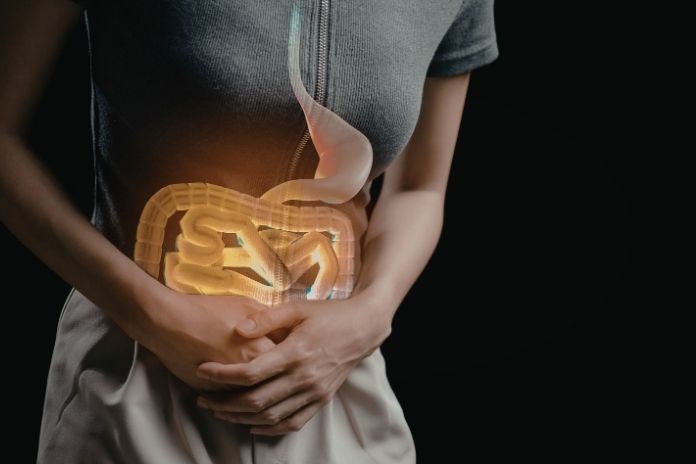
Whether the virus can continue to spread after symptoms go away is a frequently asked question. Yes, even though there is less risk.
Viral shedding after recovery
Stool may still contain trace levels of the virus even after a person begins to feel well. We call this process “viral shedding.” A person may feel perfectly well during this time, yet their bowel motions may still contain virus particles.
Why public health advice often recommends waiting 24–48 hours symptom-free
- Remain at home and take it easy until you feel better.
- Don’t go into work or mix with others for at least 48 hours after your diarrhoea and nausea have ceased. By doing this, you will prevent the virus from spreading.
- After their symptoms subside, your child should stay at home from daycare or school for at least 48 hours if they have the infection.
By taking these precautions, the danger of infecting others with viral gastroenteritis is greatly reduced.
Situations where longer caution may be recommended
Before returning to work, some occupations require extra vigilance. Serious epidemics can result from even a slight chance of transmission in these settings.
You may need to take extra care:
- Food service personnel.
- Healthcare professionals.
- Childcare providers.
- Educators who work with young children.
When It’s Generally Safe to Return to Work or School
To prevent the spread of illness and resume regular activities, many people wonder when they can return to work after a stomach bug.
Health professionals generally advise holding off until the following conditions are satisfied:
- At least 24 to 48 hours without diarrhea or vomiting.
- Able to consume food and liquids as usual.
- Without medication, the fever has subsided.
- There is an improvement in energy levels.
These recommendations help determine how long to stay home after vomiting or diarrhea.
Read More: Does Your Stomach Hurt More Often as You Get Older?
Signs You May Need More Time to Recover
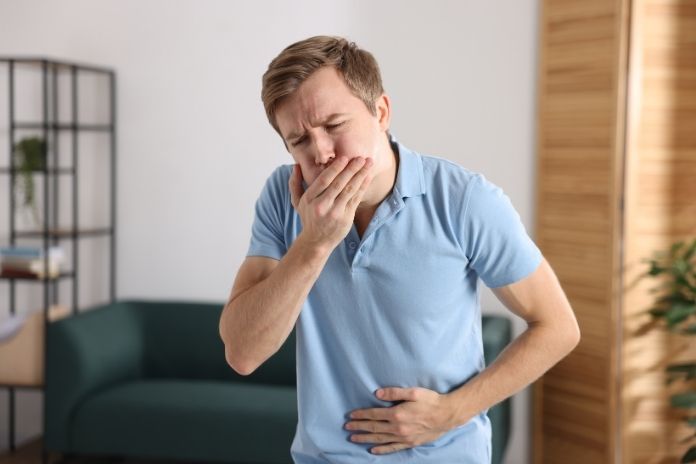
Some people may need more time to recover from viral gastroenteritis, even though most cases resolve in a few days.
- Dry mouth
- Lightheadedness or dizziness
- Reduced urination
- Urine that is dark
- Persistent vomiting or diarrhea lasting for more than 3 days
- Having trouble drinking enough water
Dehydration risk is one of the most crucial issues during recuperation. The body rapidly loses fluids and electrolytes due to vomiting and diarrhea.
Dehydration symptoms include:
- Urine that is dark
- Very minimal urinating
- Exhaustion
How to Prevent Spreading a Stomach Bug During Recovery
If you want to keep the virus from spreading even after you start to feel better, cleanliness really matters.
Wash your hands all the time: Honestly, nothing beats this for stopping a stomach bug in its tracks. Use soap and water, and don’t rush it, 20 seconds at least.
Wipe down things people touch a lot: Think doorknobs, light switches, counters, your phone, and clean them regularly. Grab a cleaner that actually works against viruses (check the label).
Be careful with food: Stomach bugs love contaminated snacks and drinks. Wash fruits and veggies well, and don’t forget your utensils. Make sure you cook meat and seafood thoroughly. Safe prep really helps stop the bug from spreading.
Stay Away From Sick People: If you or someone you know is very sick, try to keep your distance. Give the sick person their own bathroom. It helps keep the stomach bug from spreading around. Wear disposable gloves when you clean up after them, and toss the gloves in the trash as soon as you finish.
Don’t Share Personal Items: Sharing things like utensils, towels, or drinks makes it easier for the stomach bug to spread. Better yet, give everyone their own set of things to use.
Keep Hydrated and Take Care of Yourself: If you catch the stomach bug, drinking plenty of fluids really helps you recover faster. Stick with water or oral rehydration solutions to avoid getting dehydrated. And remember, basic healthy habits go a long way.
Symptoms That Should Prompt Medical Advice

Most norovirus infections clear up on their own if you rest and stay hydrated. Still, dehydration can sneak up fast, especially in older adults and young kids, so you really have to watch for it.
Signs of dehydration include:
- Excessive thirst.
- Drowsiness or agitation.
- Sunken eyes or pale skin.
- Reduced urination.
Get medical help if:
- The duration of symptoms exceeds a few days.
- Over time, they get worse.
- You observe blood in your feces.
You can treat norovirus infections at home, and they typically resolve on their own. Dehydration can sneak up on you fast, so pay attention to the signs. If you think you’re dehydrated, your symptoms stick around for days, or things start getting worse, don’t wait, see a doctor right away.
Read More: Do You Absorb Nutrients Better on an Empty Stomach? Here’s What Experts Say
Conclusion
Stomach bugs are rough, but thankfully, they don’t last long. Still, you’re not totally in the clear the moment your symptoms stop. Even after the vomiting or diarrhea fades, your body can keep shedding the virus for a bit. That’s why doctors say you should wait at least a full day or two, 24 to 48 hours, before jumping back into your usual routine.
Giving yourself that extra downtime helps your gut recover and keeps you from passing the bug to others, whether at work, school, or home. Practicing good hygiene and infection control, like washing your hands thoroughly and disinfecting commonly touched surfaces, can further reduce the risk of spreading the illness.
References
- Children’s Hospital of Philadelphia. (2022, December 11). How to prevent and treat the stomach flu.
- Centers for Disease Control and Prevention. (2024, April 24). How Norovirus Spreads.
- Hackensack Meridian Health. (2024, March 12). How long are you contagious with a stomach bug?
- Mayo Clinic. (March 07, 2024). Viral gastroenteritis (stomach flu).
- Urgent Care Omaha. How long can the stomach flu last?
- Patient Care Now Urgent Care. Best tips for preventing the spread of stomach bug virus.
- Centers for Disease Control and Prevention. (January 13, 2025). How to Prevent Norovirus.
- Bupa. (2025, February 1). Gastroenteritis.
- NHS inform. (2025, July 29). Norovirus.
- Riverside Health System. Norovirus infection.
In this Article