















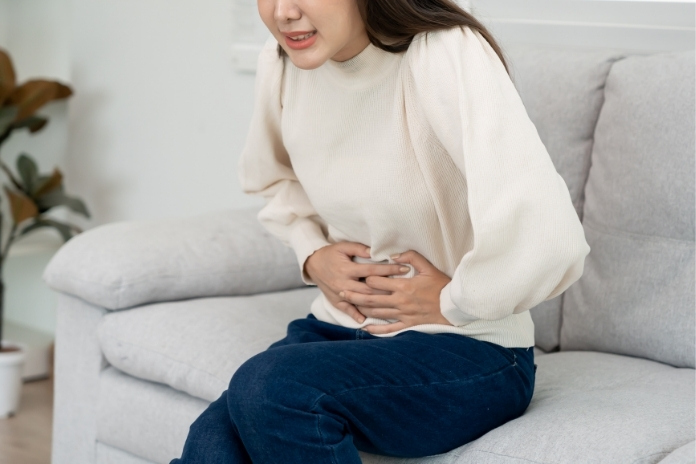
During their menstrual cycle, many women have notable digestive changes, such as bloating, diarrhea, period constipation, and period poop. Although these changes are frequently perplexing and occasionally painful, they are directly related to the body’s normal hormonal oscillations.
You can better control symptoms and enhance digestive comfort by understanding how hormones like prostaglandins, progesterone, and estrogen affect the stomach.
In this article, we will discuss reasons behind the changes in bowel movements during the period, the causes of constipation before the period, the reasons why some women have diarrhea during periods, and the relationship between the menstrual cycle and digestion as a whole.
- Rising progesterone slows digestion, causing constipation and heavy bloating.
- Spiking prostaglandins contract your intestines, triggering diarrhea or frequent poops.
- Stay hydrated, eat fiber, and exercise to improve monthly gut comfort.
Read More: The Fiber Paradox: Why High-Fiber Foods Can Sometimes Cause Constipation
Why Does Your Poop Change During Your Menstrual Cycle?
Estrogen and progesterone are examples of female reproductive hormones, the body’s chemical messengers that significantly impact your menstrual cycle and mood. Bowel movements may be impacted by decreased progesterone levels, according to some research.
Your uterus contracts when prostaglandins, a substance with hormone-like properties, are released during your cycle. These are mostly to blame for the suffering that women with endometriosis endure, including cramping. Prostaglandins cause smooth muscle in the intestine and uterus to contract, increasing the frequency of bowel movements.
The term “period poops” refers to gastrointestinal changes that occur during your menstrual cycle. Over 70% of women report experiencing some form of digestive discomfort during their period, indicating how prevalent these bowel movements are.
Typical gastrointestinal symptoms associated with menstruation include:
- Bloating
- Gas
- Diarrhea
- Loose stools
- Constipation
- Nausea
- Stomach discomfort
- Cramps
- A feeling of heaviness or pressure in the pelvis
Why Constipation Often Happens Before Your Period
The hormone progesterone also has the potential to cause mild constipation. It can slow your digestive system when it accumulates in your body. Because of this, you might have some constipation in the days leading up to your period.
Your stomach may hurt, and your bowel movements may be irregular, resembling small lumps or lumpy sausages. It may also affect you if your PMS food cravings lead you to eat meals lower in fiber and higher in grease.
Constipation is more common in the first few days of your period if you have certain medical disorders like endometriosis or irritable bowel syndrome (IBS) or even just are having unpleasant periods. It’s common to have bloating and weight gain during your menstrual cycle in addition to period constipation.
Why Some Women Poop More During Their Period
Hormone changes affect our bowel movements throughout the cycle. Increased levels of progesterone and estrogen reduce gastrointestinal motility during the luteal phase, which occurs just before menstruation.
As a result, food passes through our intestines more slowly. Increased fecal liquid absorption also causes constipation before menstruation. According to research, women between the ages of 30 and 50, when estrogen is still involved in bowel motility, are most likely to experience functional constipation.
Progesterone and estrogen levels fall while prostaglandin levels abruptly rise during the menstrual phase. Prostaglandins are in charge of:
- Dilating and narrowing blood vessels
- Controlling inflammation
- Activating smooth muscle cells to contract the uterus
Increased prostaglandins can cause bowel contractions, leading to diarrhea, because the uterus and colon are physically adjacent and both have smooth muscle. This abrupt change in motility can feel like a shock to the body after being constipated before our period.
Read More: Magnesium Citrate for Constipation: How It Works, When to Use It, and Safety Tips
A Week-by-Week Guide to Bowel Changes Throughout the Menstrual Cycle
Most women are aware of the strong connection between their menstrual cycle and gut health, bloating, constipation, and cramps. We are accustomed to experiencing gut health problems at various stages of our cycle.
Menstruation (Three to Seven Days)
As the body sheds the uterine lining during menstruation, it loses blood and other nutrients. To help restore these nutrients, it’s critical to consume a balanced diet that is rich in iron, such as leafy greens, beans, and fortified cereals. Bloating and other symptoms can also be lessened by drinking lot of water to stay hydrated.
The Follicular Phase (7-10 days Following the Conclusion of the Menstrual Cycle)
To prepare one of the ovaries to begin maturing the follicles, which will eventually turn into a mature egg, our pituitary gland releases follicle-stimulating hormone (FSH) during this phase, when estrogen levels start to rise once more.
Consuming a diet that is high in fruit, vegetables, and also whole grains will help give the body the vitamins and minerals it needs to support this process. Healthy fats, such as those in nuts and seeds, can also help control hormone levels and lower inflammation.
Ovulation
Estrogen peaks during this phase (about day 14), and luteinizing hormone (LH) triggers ovulation. For your body to fertilize an egg during this phase of the cycle, your ovaries release a mature egg, and your progesterone levels also begin to rise. Usually, ovulation occurs two weeks before menstruation.
We proceed to the luteal phase if we are unable to fertilize an egg throughout this cycle. Maintaining a good, healthy diet, which is rich in fruit, vegetables, and whole grains, is crucial throughout this stage. Eating food rich in omega-3 fatty acids, like walnuts and salmon, can also improve reproductive health and reduce inflammation.
Luteal Phase (10-14 Days Before the Subsequent Bleeding)
Progesterone is at its peak, and estrogen is still high during the early luteal phase so that things can be going well. If we haven’t fertilized an egg, progesterone and estrogen levels start to decline in the second half of the luteal phase. PMS symptoms like mood swings, sore breasts, acne, headaches, bloating, and anxiety can begin at this point.
At this point, eating fats can help maintain healthy skin (I always get those gorgeous chin spots at this period). Although there are other factors to consider, such as stress, it can help prevent breakouts.
Why Women With IBS Often Notice Worse Symptoms Around Their Period
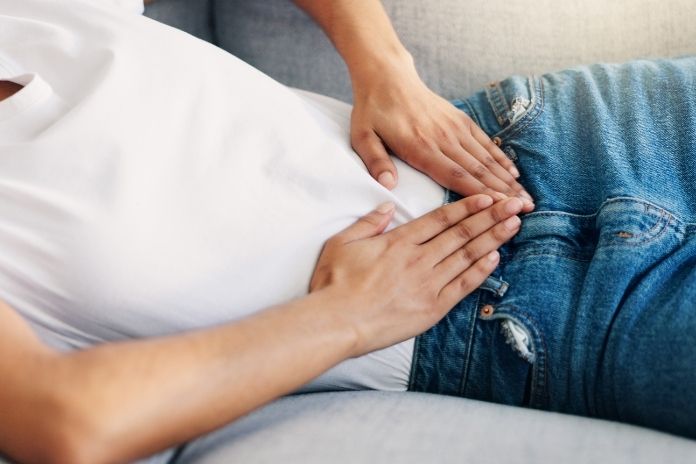
Millions of individuals worldwide suffer from irritable bowel syndrome (IBS), a common digestive illness that can be especially difficult for many women to manage during their menstrual periods. Hormonal changes during the menstrual cycle can significantly affect IBS symptoms, including increased stomach pain, bloating, and altered bowel habits, according to research.
Although researchers have not fully understood how hormonal fluctuations impact IBS symptoms, they have proposed several explanations:
Estrogen and Progesterone Receptors: The main female sex hormones that change during the menstrual cycle, estrogen and progesterone, have receptors in the gastrointestinal tract. Changes in these hormone levels may directly impact gut sensitivity and function.
Serotonin Levels: Serotonin is a neurotransmitter essential for regulating gut feelings and sensations. Researchers have demonstrated that estrogen affects the body’s serotonin levels, which may contribute to variations in IBS symptoms over the menstrual cycle.
Prostaglandins: During menstruation, prostaglandins, which resemble hormones, are created in greater quantities. In addition to affecting intestinal muscles and aggravating IBS symptoms, they can induce uterine inflammation and muscular contractions that result in period cramps.
Stress and Emotional Factors: Increased stress, anxiety, or mood swings during menstruation may also impact IBS symptoms. In IBS, the gut-brain connection is well established, and emotional factors can greatly influence symptom intensity.
Read More: Travel Constipation: Causes, Relief Tips, and How to Prevent It on Trips
Other Digestive Symptoms That Can Occur Around Your Period
PMS can significantly affect your digestive system. Typical stomach problems consist of:
Bloating: You might think twice before putting on your go-to pair of skinny pants.
Constipation: You may feel as though you are holding a bowling ball.
Diarrhea: You could run to the bathroom at breakneck speed.
Abdominal Pain: Cramps and discomfort often accompany it.
What Can Help With Period Constipation?
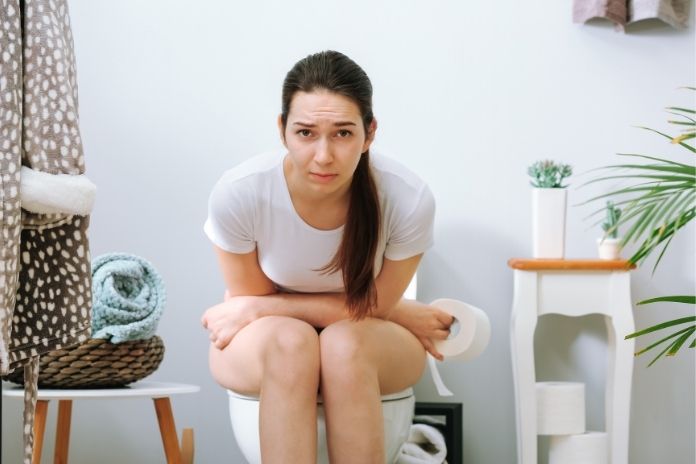
There appears to be evidence that the therapies for constipation before your period substantially overlap with the remedies for constipation at any other time of the month, even though the cause of this specific type of constipation is hormonal. Here are 7 methods for relieving constipation.
Exercise: It’s interesting to note that one of the research’s main recommendations is exercise. To begin with, it stimulates the muscles in the abdomen and encourages peristalsis, the movement of food through the digestive system. Additionally, research has shown that it lessens anxiety, irritability, breast tenderness, and period-related cramps.
Diet and Mineral Water: Foods high in dietary fiber, such as kiwifruit and prunes, help you get through any time of the month. They prevent constipation and provide immediate relief. Consuming these foods in the days before your luteal phase may help prevent constipation and reduce the boomerang effect when your period starts.
Fiber Supplements: People who occasionally experience constipation are typically advised to take psyllium, a mild fiber. According to a 2022 meta-analysis (a review of studies), consuming more than 10 grams daily increased the frequency of bowel movements to 3 per week. If you attempt this, start with fewer than 10 grams and, if necessary, increase your daily intake to 25–30 grams.
Healthy Diet: When trying to reduce constipation during menstruation, fiber isn’t the only factor to consider. Fatty meals like meat, cheese, and eggs can exacerbate constipation, despite the temptation to wrap up with some cozy junk food.
De-Stress Whenever You Can: Reducing the effects of stress can also help lessen your risk of constipation, but it’s easier said than done while your period is in full swing.
What Can Help With Period Diarrhea and Frequent Bowel Movements?
Hydration is crucial while experiencing diarrhea during your period because fluid loss can happen rapidly. Toast, rice, and bananas are examples of gentle foods that may help stabilize digestion.
Additionally, controlling cramps might enhance overall comfort and also reduce stomach problems associated with prostaglandins. A medical checkup is crucial if symptoms worsen or continue.
Read More: Rubbing Fists for Constipation Relief: Does It Really Work?
When Bowel Changes During Your Period May Signal Something Else
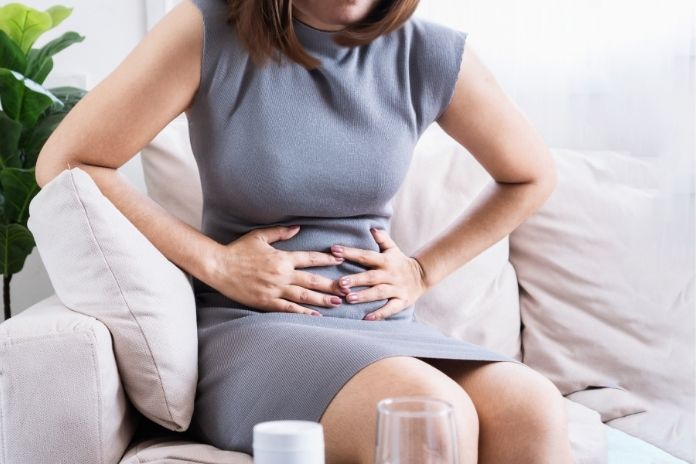
The menstrual cycle is believed to exacerbate some of the stomach issues.
IBS, or Irritable Bowel Syndrome
Stress and hormones have a big impact on IBS. Many IBS sufferers report:
- More frequent bowel movements while on your period
- Increased abdominal pain and bloating
- Increased discomfort or urgency
Bowel Endometriosis
When tissue resembling the lining of the uterus grows outside the uterus, it is known as endometriosis. The following symptoms could be present if it affects the intestines:
- Severe gastrointestinal distress during menstruation
- Bowel movements that hurt
- Constipation or diarrhea that alternates every month
Gastritis With Acid Reflux
Changes in hormones can cause the muscle that holds stomach acid in place to relax, which might result in:
- Burning pain in the chest
- Nausea
- The mouth tastes sour
How to Track Cycle-Related Digestive Symptoms
You can identify menstrual cycle and digestion patterns by monitoring stool frequency, consistency, bloating, and pain. This information can help distinguish between medical issues and typical hormonal fluctuations and support medical consultations.
Read More: How to Relieve Constipation Due to Ozempic: Effective Tips & When to See a Doctor
Conclusion
Cycle-related changes can feel much less puzzling if you know how your hormones affect digestion. These changes, which range from period constipation before the onset of the menstrual cycle to period poop during it, are a normal response to hormonal changes, including prostaglandins and progesterone.
Even though symptoms like bloating, diarrhea, or slowed digestion can be very uncomfortable, they are typically temporary and respond well to minor lifestyle changes.
You may maintain control over your digestive health by keeping an eye on your body, eating a balanced diet, drinking plenty of water, and monitoring your habits. However, it’s crucial to consult a doctor if symptoms worsen, persist, or cause disruptions.
Frequently Asked Questions About Period Poop and Constipation
1. Why Do I Poop More on My Period?
Prostaglandins increase intestinal contractions, which is why I poop more on my period.
2. Is Constipation Before a Period Normal?
Indeed, the effects of progesterone frequently cause constipation before the period.
3. Can Hormones Cause Diarrhea?
Indeed, diarrhea during the period might result from hormonal changes.
4. Why Does My IBS Get Worse During My Period?
Hormonal sensitivity exacerbates the imbalance between hormones and bowel movements and enhances IBS flare-ups.
5. How Long Does Period Constipation Usually Last?
Before menstruation, it usually lasts for a few days before getting better.
6. When Should I See a Doctor for Menstrual-Related Digestive Symptoms?
See a doctor if your symptoms are severe, persistent, or interfering with your daily life.
References
- Janelle McSwiggan. (March 27, 2024). The truth about your period poop: your menstrual cycle and bowel movements.
- Valakas, S., & Geller, T. The science behind period poops.
- CDHF. (June 14th, 2023). Period Poop 101.
- Abe, Y. (2026, January 30). Digestive symptoms worsening during periods.
- Kerrison, L. How your period can affect your digestion.
- Dr. Michael Ruscio. (January 10, 2025). How to Help Period Constipation in 7 Steps.
- Dulcolax. Constipation before & during period.
In this Article