


















Menopause is a crucial stage that can have a variety of effects on cardiovascular health, and heart disease is still the world’s greatest cause of mortality among women. Menopause and heart disease risk have a complicated link that includes aging, lifestyle factors, and hormonal changes, particularly decreasing estrogen levels.
During menopause, shifts in metabolism, cholesterol levels, and blood vessel function can increase women’s vulnerability to cardiovascular disease.
This article will discuss how menopause affects heart health, provide an answer to the question “Does menopause increase heart disease risk?”, look at important risk factors, emphasize warning symptoms, and offer doable methods for preventing heart disease after menopause.
- Dropping estrogen levels stiffen arteries and alter cholesterol, naturally increasing your risk for heart disease after menopause.
- Metabolic syndrome marked by increased belly fat, high blood pressure, and elevated blood sugar becomes much more common.
- Regular screenings, a Mediterranean diet, and 150 minutes of weekly exercise drastically reduce your cardiovascular risks.
Read More: Menopause or Panic Attack: Why Your Heart Is Pounding (and What to Do Next)
Does Menopause Increase the Risk of Heart Disease?
Heart disease accounts for approximately one in five female deaths in America, making it the top cause of death for women. Menstruation cessation, hormonal changes, and the emergence of symptoms like hot flashes and sleep issues are just a few of the many changes that come with menopause, a normal stage in a woman’s life.
Significant changes in cardiometabolic and vascular health occur during this phase, increasing the risk of cardiovascular disease (CVD), including heart attacks, heart failure, and stroke in the future.
“As women transition through menopause, they experience a lot of changes,” said Samar El Khoudary, a professor of epidemiology at the University of Pittsburgh’s School of Public Health.
They produce less estrogen. They gain more abdominal fat. After menopause, several symptoms, including excess belly fat, become increasingly prevalent.
When a person has at least three of these conditions: abdominal obesity, high triglycerides, low “good” HDL cholesterol, high blood pressure, and also high blood sugar, they are said to have metabolic syndrome.
What Happens to the Heart and Blood Vessels During Menopause?

Estrogen has a major positive impact on blood pressure, cholesterol levels, and vascular health.
According to research, estrogen naturally maintains the elasticity of blood arteries and lowers LDL cholesterol, facilitating more blood flow throughout the body. The artery walls stiffen after menopause when estrogen levels fall, which might increase blood pressure and cardiac risks.
Several physiological changes may take place when estrogen levels decline:
Increased Arterial Stiffness: Women who have gone through menopause often have increased arterial stiffness.
When the flexibility of arteries decreases:
- An increase in blood pressure is possible
- To pump blood, the heart has to work harder
- The efficiency of circulation decreases
Decreased Nitric Oxide Production: Nitric oxide levels are lowered as estrogen levels decline.
Nitric oxide is necessary because it:
- Instructs the arteries to relax.
- Increases blood flow.
- Safeguards the endothelium, the inner lining of blood vessels.
Reduced nitric oxide levels may be a factor in:
- Cold hands or feet
- Fatigue in the legs
- Reduced ability to tolerate activity
Increased Plaque Formation and Inflammation: Hormonal fluctuations can exacerbate arterial wall inflammation.
Inflammation quickens:
- Accumulation of plaque
- Artery narrowing
- Discomfort related to circulation
Read More: When Menopause Palpitations Signal a Heart Risk (and What to Monitor Next)
Key Heart Disease Risk Factors That Become More Important After Menopause
Both controllable and non-modifiable risk factors are possible. Menopausal women can discover areas they can influence, mostly through lifestyle modifications, by having a better understanding of themselves.
The following factors cannot be changed:
- Age
- Heart disease runs in the family
- Early menopause, either surgically or naturally
- Genetics
- Certain autoimmune diseases
Early menopause may cause cardiovascular abnormalities in women at an earlier age. It does not guarantee that they will get heart disease, but it does indicate that preventive measures may need to begin earlier.
You can change the following risk factors:
- Elevated blood pressure
- Increased levels of LDL cholesterol
- Insulin resistance or elevated blood sugar
- Excess weight, especially around the abdomen
- Smoking
- Sedentary way of living
- Excessive consumption of alcohol
- Persistent tension
- Insufficient sleep
Warning Signs of Heart Disease Women Should Not Ignore
If you believe you might be experiencing a heart attack, try to call a friend for assistance. Unless there is no other option, avoid driving yourself to the hospital. Although each person may experience symptoms differently, emergency warning signs frequently involve a mix of the following:
- Chest pressure, squeezing, tightness, fullness, or pain in the chest that is intermittent or lasts longer than a few minutes
- Breathing difficulties, either with or without the chest pain
- Discomfort or pain in the upper abdomen, neck, jaw, back, or in one or both arms
- Dizziness, lightheadedness, nausea, vomiting, or cold sweats
- Abrupt, unusual weakness or exhaustion, particularly when combined with additional symptoms
How to Protect Your Heart During and After Menopause

The following action may help lower your risk of a heart attack or persistent difficulties both during and after menopause:
Get Regular Cardiac Screenings: Routine health check-ups can help detect risk factors such as high blood pressure, elevated cholesterol, and diabetes before they lead to heart disease.
Frequent Exercise: To increase cardiovascular fitness, aim for around 150 minutes of moderate-intensity activity per week, such as brisk walking.
Maintain a healthy weight: Focus on achieving and maintaining a healthy weight, particularly by reducing excess abdominal fat, which is associated with a higher risk of cardiovascular disease and other metabolic conditions.
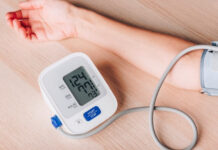
Monitor Blood Pressure: Identify spikes early and take appropriate action by checking your blood pressure frequently at home.
Know Your Cholesterol: To detect and correct any abnormalities, monitor your cholesterol levels with regular blood testing.
Steer Clear of Smoking: Tobacco use greatly increases the risk of cardiovascular disease; quitting reduces this risk rapidly.
Heart-Healthy Eating: To promote heart health, eat a Mediterranean-style diet full of fruit, vegetables, whole grains, lean meats, and healthy fats.
Read More: 8 Perimenopause Health Mistakes Many Women Don’t Realize They’re Making
Can Hormone Therapy Reduce Heart Disease Risk?
While hormone therapy can help manage menopause symptoms, it is not recommended solely for preventing heart disease after menopause. Some women may benefit from hormone therapy, especially if it is initiated early in menopause.
However, age, health, and the presence of cardiovascular disease in women all influence the risks.
Women ought to talk about the following:
- Individual cardiovascular risk factors
- The duration and timing of therapy
- Problems that already exist, such as coronary artery disease
Recommended Heart Health Screenings After Menopause

Heart disease affects women differently than it does men, with more subdued symptoms. Individualized screening is crucial since risk factors such as early menopause, polycystic ovarian syndrome, and pregnancy problems have a special impact on women’s cardiovascular health.
Important examinations and tests could consist of:
Blood pressure readings: Doctors routinely measure blood pressure at the start of most medical visits. They define low blood pressure as less than 90/60 mmHg, high blood pressure (hypertension) as more than 130/80 mmHg, and normal blood pressure as less than 120/80 mmHg.
You should check your blood pressure annually, but you may need more frequent checks at home or in a medical facility if your readings approach or exceed 120/80 mmHg.
Cholesterol: A lipid panel, a straightforward blood test, is used to measure cholesterol; screening typically begins around age 20. If the findings remain normal, testing should continue every 4 to 6 years for the average adult. However, women who have risk factors like high blood pressure, diabetes, or a family history of heart disease may require more frequent testing.
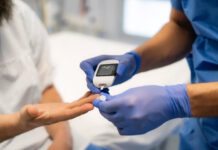
Blood Glucose: The majority of medical professionals advise starting blood glucose testing at age 35 and repeating it every 3 years if the results remain normal. Women who have risk factors for diabetes should start earlier.
Read More: Why Belly Fat Keeps Coming Back During Menopause (And How to Stop It)
Conclusion
A woman’s menopause is a major life shift that can have an impact on her long-term cardiovascular health. Even though the increased menopause and heart disease risk may seem alarming, it’s crucial to keep in mind that many of the contributing variables are controllable.
Women can take charge of their heart health by maintaining good physical activity, adopting healthy lifestyle practices, and monitoring key health indicators. Prevention also heavily relies on early awareness and routine examinations.
In the end, prioritizing postmenopausal heart health through proactive care and informed decisions can promote a stronger, healthier future and eventually lower the risk of major heart-related issues.
FAQs
At What Age Does Heart Disease Risk Increase After Menopause?
Due to cumulative cardiovascular risk factors, risk usually increases in the years after menopause, frequently in the 50s and beyond.
Does Early Menopause Affect Heart Health?
Indeed, early menopause may raise the risk of menopause and heart disease due to extended exposure to low estrogen levels.
Can Lifestyle Changes Offset Menopause-Related Heart Risks?
Of course. Healthy lifestyle choices can promote general healthy aging and dramatically lower risk of heart disease after menopause.
Is Heart Disease Risk Different After Surgical Menopause?
Compared to natural menopause, surgical menopause may result in a more sudden drop in estrogen, which could raise the risk more quickly.
Should Women Without Symptoms Still Get Screened?
Indeed. Regular screening is crucial since many cases of cardiovascular disease in women develop silently.
References
- American Heart Association. (February 20, 2023). The connection between menopause and cardiovascular disease risks.
- Study of Women’s Health Across the Nation (SWAN). Unraveling How the Menopause Is Related To Cardiovascular Risk & Heart Health in Women During and After Menopause.
- Rochester Regional Health. (2026, February 10). Why heart health is important after menopause.
- Julien, W. (2026). Menopause and circulation: What changes in your blood vessels?
- Dr. Steven Lu. (January 21, 2026). How to Reduce Heart Disease Risk After Menopause: Essential Tips for Women.
- Marcela Rojas. (April 15th, 2026). Signs of heart disease women should not ignore.
- CaroMont Health. (March 2, 2026). Heart Health Screening for Women: Why Proactive Care Matters More Than You Think.
In this Article