



















Anita Reyes thought her racing heart on Sunday nights was just dread of Monday meetings. After six months of working double shifts to cover a colleague’s medical leave, the 44-year-old marketing director landed in a Phoenix emergency room with chest tightness, only to learn her blood pressure had crept into stage 2 hypertension. Her cardiologist didn’t blame cholesterol or diet.
He pointed straight at chronic stress and heart disease as a partnership her body could no longer hide. Stories like Anita’s are showing up in cardiology offices across the country. Researchers have long suspected the mind-heart connection, but the past decade has produced harder evidence linking long-term stress to changes in blood pressure, inflammation, sleep, and the small daily habits that determine cardiovascular outcomes.
This article unpacks what current science actually says, where the evidence is strongest, and what realistic steps can shift the trajectory. Expect a clear look at biological mechanisms, vulnerable groups, warning signs, and stress management techniques backed by solid research.
- Chronic stress affects the heart through cortisol, adrenaline, and sustained activation of the sympathetic nervous system, which can drive up blood pressure and inflammation over time.
- Stress rarely acts alone; it often pushes people toward poor sleep, emotional eating, and reduced physical activity, all of which raise cardiovascular risk indirectly.
- Some stress-related heart events, like takotsubo cardiomyopathy, can mimic a heart attack and require immediate medical evaluation, even if symptoms feel “just emotional.”
- Evidence-based strategies such as regular movement, cognitive behavioral therapy, and mindfulness-based stress reduction can lower stress reactivity and support long-term heart health.
How Chronic Stress Affects the Heart

The body’s stress response is supposed to be brief. A near miss in traffic, a tough conversation, or a sudden noise: the brain signals the adrenal glands, hormones surge, and the heart speeds up, and within minutes, things settle. Problems begin when the off switch never quite flips.
The body’s stress response and stress hormones
During acute stress, the hypothalamus activates the sympathetic nervous system and the hypothalamic-pituitary-adrenal axis. Cortisol, adrenaline, and norepinephrine flood the bloodstream. Heart rate climbs, blood vessels constrict, and glucose pours into circulation to fuel a fight-or-flight response.
This cascade is brilliant for short emergencies. The trouble starts when the same machinery runs in the background for months. Modern stressors rarely demand a physical response, yet the body still mobilizes one. The hormones get released, the metabolic changes happen, and there is nowhere for that energy to go.
When stressors stack up day after day, these hormones stay elevated longer than the body is built to handle. The cardiovascular system pays the price.
How cortisol and adrenaline affect blood vessels and heart rate
Persistent cortisol exposure raises blood sugar, encourages abdominal fat storage, and contributes to insulin resistance. Adrenaline keeps the heart working harder than it should at rest. Blood vessels stay constricted, raising arterial pressure and shear stress on vessel walls. Elevated cortisol levels also disrupt sleep, which feeds back into the cycle.
Over months and years, this pattern can stiffen arteries and accelerate damage to the endothelium, the inner lining that helps regulate blood flow. The effects of chronic stress on the heart accumulate quietly, often without any obvious symptoms in early stages.
Why long-term stress can strain the cardiovascular system
A landmark American Heart Association scientific statement published in Circulation synthesized decades of research linking psychological health to cardiovascular outcomes.
Dr. Glenn Levine, professor of medicine at Baylor College of Medicine and chair of the writing committee, told reporters that conditions like chronic stress, anxiety, and depression are associated with potentially harmful biological reactions, including irregularities of heart rate and rhythm, increased blood pressure, inflammation, and reduced blood flow to the heart.
He noted that patients’ self-reports of general and work-related stress have been linked to as much as a 40 percent higher risk of developing or dying from heart disease.
Read More: The Role of Meditation and Mindfulness in Hypertension Control
Can Chronic Stress Increase the Risk of Heart Disease?
The short answer is yes, though the relationship is layered. Stress contributes to heart disease through direct biological pathways and through the behaviors it tends to drive.
The connection between stress and high blood pressure
Repeated stress responses cause temporary blood pressure spikes. When those spikes happen day after day, baseline pressure often drifts upward. Workplace stress, financial strain, and relationship conflict have all been correlated with sustained hypertension in observational studies. How stress affects blood pressure depends partly on genetics, age, and existing risk factors.
What complicates the picture is that the body adapts, but not in a helpful way. Vascular tone resets at a higher level. Some people will not feel any symptoms while their blood pressure climbs into a range that quietly damages organs.
Inflammation and its role in heart disease
Chronic stress promotes low-grade systemic inflammation, marked by elevated C-reactive protein and inflammatory cytokines. Inflammation is now recognized as a driver of atherosclerosis, the gradual buildup of plaque inside arteries.
This shift in thinking is relatively recent. For decades, cardiology focused on cholesterol as the central villain. Newer research has shown that inflammation determines whether plaques become dangerous by destabilizing fibrous caps and triggering clot formation.
How chronic stress may contribute to plaque buildup
A breakthrough study published in The Lancet tracked 293 adults who had brain imaging unrelated to heart disease. Researchers found that resting activity in the amygdala, the brain’s fear and stress center, independently predicted future cardiovascular events. The pathway involved increased bone marrow activity and arterial inflammation.
Dr. Ahmed Tawakol, Director of Nuclear Cardiology at Massachusetts General Hospital and the study’s lead author, said the findings provide a unique insight into how stress may lead to cardiovascular disease and raise the possibility that reducing stress could produce benefits beyond psychological well-being alone.
What current research says about stress and heart attack risk
The global INTERHEART study, published in The Lancet, examined more than 24,000 people across 52 countries and identified psychosocial factors, including stress at work and at home, as significant independent risk factors for acute myocardial infarction.
More recent work from Mass General Brigham in 2025 found that people with both depression and anxiety faced roughly a 32 percent higher cardiovascular risk than those with only one condition, with stress-related brain activity, autonomic dysregulation, and inflammation appearing as central mechanisms.
It is worth distinguishing established evidence from open questions. The link between stress and cardiovascular risk is well supported. The exact magnitude of effect in any single person is harder to pin down, since stress interacts with genetics, lifestyle, and other risk factors.
Stress-Related Habits That Can Harm Heart Health
Some of stress’s worst damage comes through the back door. When people are overwhelmed, the small choices that protect the heart often slip first.
Stress disrupts sleep architecture, reducing deep and REM stages. Short sleep duration is associated with higher blood pressure, insulin resistance, and inflammatory markers. Irregular bedtimes compound the problem by destabilizing the circadian rhythm that helps regulate cardiovascular function.
People often try to make up for lost sleep on weekends. The catch is that the heart and metabolism do not appreciate the swing. Consistency tends to outperform total hours in cardiovascular outcomes.
Cortisol increases cravings for high-sugar, high-fat foods. Stress-driven eating tends to favor ultra-processed options, which contribute to weight gain, dyslipidemia, and metabolic syndrome. The pattern often becomes circular, since blood sugar crashes from refined carbohydrates can amplify anxiety the next day.
Many people reach for cigarettes or extra drinks to take the edge off. Both habits accelerate vascular damage. Alcohol disrupts sleep architecture and raises blood pressure, while nicotine constricts arteries and damages the endothelium. Stress also shrinks the energy people have for movement, and sitting hours climb.
Stressed adults are more likely to cancel doctor appointments, skip medications, and abandon exercise routines. Dr. Michael Blaha, professor of cardiology and epidemiology at Johns Hopkins, has observed that when people are worried, they tend to sleep poorly and are less likely to exercise, make healthy food choices, or watch their weight, and these indirect effects can put heart health at risk in their own right.
Signs That Stress May Be Affecting Your Heart
Symptoms that show up under chronic stress are not always cardiac in origin, but some warrant attention. Stress can trigger ectopic beats and a sense of fluttering. Persistent or new palpitations deserve evaluation.
Both can stem from poor sleep, anxiety, or deconditioning, but they can also signal cardiac strain. These tend to track with elevated cortisol and sympathetic activation. They are uncomfortable but not usually dangerous on their own.
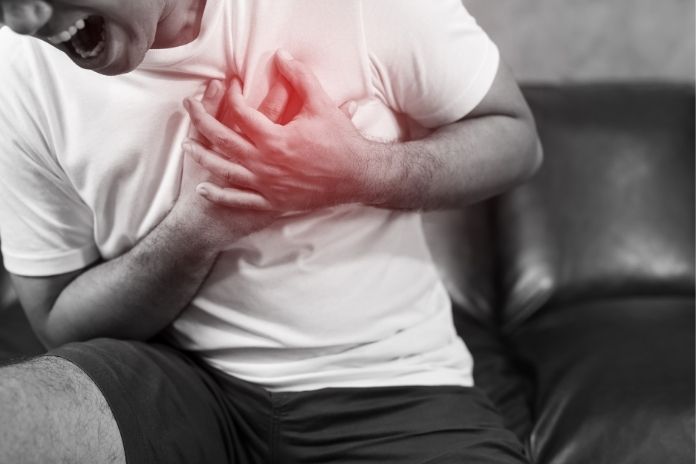
Severe chest pain, pain radiating to the jaw or arm, sudden shortness of breath, fainting, or one-sided weakness requires emergency care. Not every stressed person having palpitations is in danger, but stress is never a reason to dismiss serious symptoms.
Who May Be More Vulnerable to Stress-Related Heart Problems?
Patients with coronary artery disease, prior heart attack, or heart failure are more sensitive to stress-related cardiac events. The same cortisol surge that barely registers in a healthy 30-year-old can destabilize fragile plaque in someone with established disease.
Mood disorders amplify stress reactivity and often co-occur with sleep loss, inflammation, and unhealthy behaviors. Treating one without addressing the other tends to produce slower progress on both fronts. The relationship between anxiety and cardiovascular health is now well established in the literature.
Long-term role overload, especially in caregivers and shift workers, has been linked to higher cardiovascular event rates. Caregivers for spouses with dementia, for instance, show measurable changes in inflammatory markers and blood pressure variability.
Loneliness increases inflammation and blood pressure in some studies. Strong social ties, by contrast, buffer stress and improve recovery from cardiac events. A neighbor who checks in, a phone call with a sibling, or a weekly gathering can shift cardiovascular outcomes more than people expect.
Read More: Physical Activity and Exercise: What’s the Difference
Healthy Ways to Break the Stress and Heart Disease Cycle

Stress will not vanish, but its hold on the cardiovascular system can loosen.
Regular movement lowers cortisol baseline, improves heart rate variability, and reduces inflammatory markers. Even 30 minutes of walking most days makes a measurable difference. The point is not intensity for its own sake but consistency.
A consistent sleep schedule, a cool dark room, and limited screen use before bed all support the deep sleep that lowers nighttime blood pressure. People with chronic stress often benefit from a wind-down routine that begins an hour before bed rather than the moment the lights go out.
Slow-paced breathing, body scans, and short meditation sessions activate the parasympathetic nervous system and can reduce blood pressure modestly. Even five minutes of paced breathing at six breaths per minute produces measurable shifts in heart rate variability for many people.
Regular contact with friends, family, or a faith community lowers perceived stress and supports better health behaviors. Routines matter just as much: predictable wake times, meals, and movement give the nervous system fewer reasons to stay on alert.
Therapy is appropriate when stress feels unmanageable, when sleep stays disrupted, or when mood symptoms persist. Asking for help is not a last resort. Catching mounting stress early often prevents it from settling into the body as inflammation and elevated blood pressure.
Stress Management Techniques Backed by Research
Programs based on the work of Jon Kabat-Zinn have shown reductions in systolic and diastolic blood pressure in clinical trials. The approach trains attention rather than aiming to silence thought, which makes it accessible to people who feel they cannot meditate.
CBT helps people reframe the thoughts that fuel anxiety. Cardiac rehabilitation programs that add CBT have shown improved outcomes after heart events, including lower rates of repeat hospitalization.
These combine movement, breath, and attention. Studies report modest improvements in blood pressure, heart rate variability, and self-reported stress. They tend to suit people who find seated meditation difficult.
Clear priorities, scheduled rest, and saying no to optional commitments reduce sustained sympathetic activation in ways pills cannot. Many cardiologists now consider load reduction a legitimate clinical intervention rather than a lifestyle nicety.
The table below summarizes the main research-backed approaches and what each typically requires. Use it as a starting point rather than a prescription, since individual response varies.
Stress Management Approach
Primary Cardiovascular Benefit
| Stress Management Approach | Primary Cardiovascular Benefit | Typical Time Investment |
|---|---|---|
| 🏃♂️ Aerobic exercise | Helps lower resting heart rate and blood pressure | About 30 minutes, 5 days per week |
| 🧘♀️ Mindfulness meditation | May reduce sympathetic nervous system activity and support lower blood pressure | Around 10–20 minutes daily |
| 🧠 Cognitive behavioral therapy | Improves stress coping skills and may reduce anxiety-related cardiovascular strain | Typically 8–12 weekly sessions |
| ☯️ Yoga and Tai chi | Associated with improved heart rate variability and relaxation response | About 2–3 sessions per week |
The table above is a general guide. Real-world routines work best when blended; few people thrive on one approach in isolation. Consistency over months matters more than perfection in any single week.
Read More: Top 10 Benefits of Meditation According To Science
When Stress May Trigger Serious Heart Symptoms
Takotsubo cardiomyopathy is a sudden weakening of the left ventricle, usually triggered by intense emotional or physical stress.
Dr. Ilan Wittstein, program director of the Johns Hopkins Advanced Heart Failure Fellowship, was part of the team that first defined the syndrome. He has noted that in a severe case, a patient would be in the intensive care unit in shock, and without medical attention would not survive, even though the heart muscle itself is not permanently damaged.
Both can cause chest pain, shortness of breath, and a sense of doom. Without an EKG and cardiac biomarkers, the two are difficult to distinguish, which is why any new chest pain deserves prompt evaluation. People with a history of panic disorder are not exempt from heart problems and should not assume each episode is psychological.
Crushing chest pressure, pain radiating to the left arm or jaw, sudden severe shortness of breath, fainting, or stroke symptoms like one-sided facial droop are emergencies. Call 911 rather than wait or drive yourself. Time is muscle, and early treatment changes outcomes.
How Doctors Evaluate Stress and Heart Health Together
Routine visits should include blood pressure, lipid panels, and a calculation of 10-year cardiovascular risk.
The AHA statement encouraged clinicians to use brief screening tools like the PHQ-9 and GAD-7 in patients with or at risk for cardiovascular disease.
Improving mood and sleep often improves medication adherence, exercise frequency, and dietary choices, all of which compound cardiovascular benefit over time.
Key Takeaway
Chronic stress and heart disease share a long, well-documented relationship that runs through hormones, inflammation, sleep, and habit. The damage is rarely caused by stress alone. It usually emerges as the combined effect of biological strain and the small daily compromises stress encourages.
The encouraging part is that the same pathways that carry harm also carry repair. Movement, sleep, supportive relationships, evidence-based therapy, and consistent medical care can shift cardiovascular risk in a healthier direction, often within months.
Managing chronic stress and heart disease risk is not about chasing a stress-free life. It is about building steady, realistic practices that protect the heart even when life refuses to slow down.
References
- American Heart Association. (2021). Stress and heart health.
- Levine, G. N., Cohen, B. E., Commodore-Mensah, Y., Fleury, J., Huffman, J. C., Khalid, U., Labarthe, D. R., Lavretsky, H., Michos, E. D., Spatz, E. S., & Kubzansky, L. D. (2021). Psychological health, well-being, and the mind-heart-body connection: A scientific statement from the American Heart Association. Circulation, 143(10), e763-e783.
- Rosengren, A., Hawken, S., Ounpuu, S., Sliwa, K., Zubaid, M., Almahmeed, W. A., Blackett, K. N., Sitthi-amorn, C., Sato, H., & Yusuf, S. (2004). Association of psychosocial risk factors with risk of acute myocardial infarction in 11,119 cases and 13,648 controls from 52 countries (the INTERHEART study): Case-control study. The Lancet, 364(9438), 953-962.
- Tawakol, A., Ishai, A., Takx, R. A. P., Figueroa, A. L., Ali, A., Kaiser, Y., Truong, Q. A., Solomon, C. J. E., Calcagno, C., Mani, V., Tang, C. Y., Mulder, W. J. M., Murrough, J. W., Hoffmann, U., Nahrendorf, M., Shin, L. M., Fayad, Z. A., & Pitman, R. K. (2017). Relation between resting amygdalar activity and cardiovascular events: A longitudinal and cohort study. The Lancet, 389(10071), 834-845.
- Mass General Brigham. (2026). New study explains link between stress and heart disease.
- Johns Hopkins Medicine. (n.d.). Risk factors for heart disease: Don’t underestimate stress.
- Johns Hopkins Medicine. (n.d.). Broken heart syndrome.
- Yale Medicine. (n.d.). How stress affects your heart.
- Johns Hopkins Medicine. (n.d.). Risk factors for heart disease: Don’t underestimate stress.
- American Heart Association. (n.d.). Stress and heart health.
- New Heart Hospital. (n.d.). Stress and heart health.
- Cleerly Health. (n.d.). Stress and heart health
- Gleneagles Hospitals. (n.d.). How 5 bad habits affect your heart health.
- Parkland Medical Center. (n.d.). 7 habits that could be harming your heart.
- Citizens Hospitals. (n.d.). How stress affects your heart: Tips to keep calm and heart healthy.
- Practo Healthfeed. (n.d.). 5 harmful habits that can sabotage your heart health.
In this Article