

















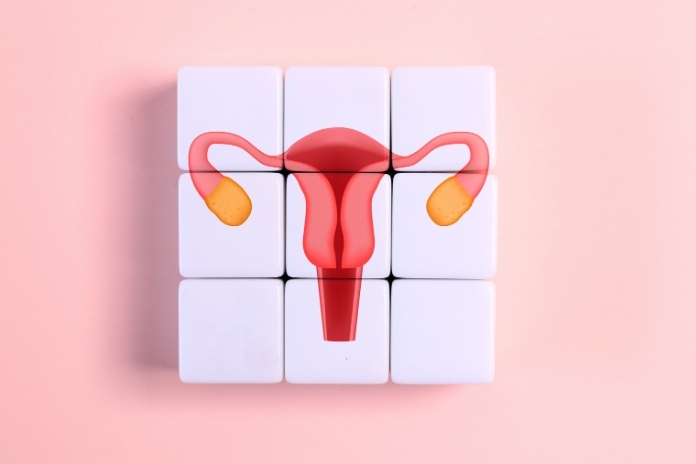
PCOS and hormonal imbalance are closely related, and people frequently misinterpret them. One of the most prevalent endocrine conditions affecting women of reproductive age globally is polycystic ovarian syndrome.
PCOS affects metabolism, skin health, fertility, and long-term well-being, even though many people primarily identify it with irregular periods or ovarian cysts.
The PCOS symptoms, how PCOS affects hormones, the connection between insulin resistance and PCOS, early warning signs, diagnosis, long-term consequences, and the best PCOS treatment options based on current medical knowledge are all covered in this article.
- PCOS is a hormonal and metabolic disorder that affects ovulation, androgen levels, and insulin regulation.
- Common symptoms include irregular periods, acne, excess facial or body hair, and weight-related challenges.
- Early diagnosis combined with lifestyle changes and medical treatment can significantly improve long-term reproductive and metabolic health.
Read More: PCOS is More Than a Period Problem: A Metabolic Disease That Affects Your Whole Body
What Is PCOS?
Up to 10% of women in their reproductive years have polycystic ovarian syndrome, the most prevalent hormonal disorder. Overproduction of the androgen testosterone, irregular menstruation when ovulation is absent, and enlarged ovaries with numerous tiny follicles (polycystic ovaries) are its hallmarks.
In addition to having more severe risk factors for diabetes and cardiovascular disease than women with less severe types of PCOS, women with severe PCOS also have higher levels of monthly irregularity, androgen excess, total and abdominal obesity, and insulin resistance.
PCOS tends to run in families, so genetics clearly play a part. But your daily choices matter, too. What you eat and how active you are can change how tough the symptoms get, and if you put on weight, it’s likely to make both the metabolic and reproductive challenges even worse.
As a result, PCOS can negatively impact a woman’s health by raising her risk of diabetes, cardiovascular disease, infertility, and obstetrical difficulties.
How PCOS Causes Hormonal Imbalance

An abnormal rise or fall in the body’s hormone levels is known as a hormonal imbalance. Hormones are vital chemical messengers that regulate several critical processes, such as the immune response, metabolism, reproduction, and mood.
Weight gain, exhaustion, mood swings, irregular menstruation, and fertility issues are just a few of the signs and disorders that can result from a change in these hormone levels.
The uterine lining regularly sheds during a typical menstrual cycle, which lasts between 21 and 35 days and indicates a normal hormonal balance. Any notable departure from this may indicate a hormonal imbalance.
PCOS and endometriosis are two prevalent disorders linked to hormonal abnormalities in women. Although both conditions have a hormonal component, they differ and have distinct effects on the body.
Common Symptoms of PCOS
Not every woman with PCOS will experience all the symptoms. Typical PCOS symptoms include:
Irregular Menstrual Cycles: Period irregularities, which can range from absent to extremely heavy or frequent, are one of the main indicators of PCOS. It is because a hormonal imbalance disrupts the regular ovulation cycle.
Excess Androgens: Physical symptoms, including acne, thinning scalp hair, and excess facial or body hair (hirsutism), can be caused by elevated amounts of male hormones.
Polycystic Ovaries: Women with PCOS may have larger ovaries with tiny cysts on an ultrasound. These cysts are undeveloped follicles that did not release eggs during ovulation.
Weight Gain: PCOS-affected women may experience weight gain or difficulties reducing weight, particularly in the belly. This symptom could be due to insulin resistance.
Infertility: PCOS’s hormonal imbalance might interfere with ovulation, making conception challenging. In actuality, one of the main reasons why women become infertile is PCOS.
Mood Disorders: Due to hormonal changes and the mental strain of managing PCOS, women may also experience mood swings, anxiety, and despair.
Read More: PCOS Belly Fat: Why It Happens and How to Reduce It Naturally
PCOS Symptoms Can Look Different From Person to Person
Not all women with PCOS and hormonal imbalance are overweight.
- Lean PCOS: Hormonal imbalance but normal weight
- Insulin-resistant PCOS: Metabolic problems and weight gain
Factors affecting the intensity of symptoms:
- Genetics
- Lifestyle
- Hormone sensitivity
Acne and other symptoms may get better with time, but problems associated with infertility and metabolic health may continue or get worse.
How PCOS Is Diagnosed
A thorough history and physical examination by a qualified healthcare professional is the initial step in diagnosing PCOS. It is possible to determine whether androgen excess is causing male-pattern hair growth (hirsutism), acne, or hair loss, and whether ovulation is occurring normally, by taking a thorough history and performing a physical examination.
A physical examination can also identify elevated abdominal obesity and high blood pressure, which are risk factors for diabetes and cardiovascular disease in overweight people.
After that, doctors use blood tests to assess whether the ovaries produce too much androgen or function normally. Doctors also perform an ovarian ultrasound to evaluate ovarian size and determine whether the ovaries are polycystic.
Pituitary, thyroid, and adrenal abnormalities, as well as other uncommon malignancies, can also be recognized as disorders that resemble PCOS.
To estimate the risk of developing diabetes and cardiovascular disease, fasting blood levels of glucose, triglycerides, and cholesterol can be examined, along with a second glucose measurement 2 hours after consuming a glucose solution (a 2-hour oral glucose tolerance test).
Long-Term Health Risks Linked to PCOS
Understanding the long-term health risks connected to polycystic ovarian syndrome (PCOS) is crucial if you have been diagnosed with the condition. These risks include:
- Subfertility or infertility
- Endometrial cancer
- Diabetes
- Lipid abnormalities
- Cardiovascular risks
- Obstructive sleep apnea
PCOS increases a woman’s risk of developing these conditions, but this is not true for all women.
Therefore, it’s critical to have a doctor who has experience treating women with PCOS to routinely check on your health. Even though you won’t have irregular periods and other PCOS symptoms might go away once menstruation stops, you should still make regular doctor’s appointments during your reproductive years and after menopause.
Read More: Endometriosis vs. PCOS: What’s the Difference?
What Actually Helps Manage PCOS Symptoms

Polycystic ovarian syndrome (PCOS), a condition in which a woman’s body generates more male hormones than usual, affects up to 20% of women globally.
Researchers do not yet know the precise cause of PCOS, but they link it to factors like obesity, low-grade inflammation, and insulin resistance. Another factor is heredity. We do know, however, that the illness is manageable.
Here are a few resources that may be useful.
Medications
Depending on a woman’s symptoms and desire to become pregnant, medication may be a crucial component of PCOS treatment.
Among the options are the following:
Birth Control Medications: For those with PCOS who are not attempting to conceive, tablets containing both progesterone and estrogen are a staple. Birth control tablets can lessen negative effects, including acne and hair growth, while also increasing the regularity of a person’s periods.
Anti-Androgens: When birth control pills are insufficient to manage symptoms like acne or hair growth, these drugs, which either stop the body from manufacturing androgens or reduce their effects, may be the next course of action.
Insulin-Sensitizing Medications: Metformin, for example, can reduce insulin resistance and help stabilize blood glucose levels. It could therefore result in more regular periods.
Cosmetic Treatments: Doctors use creams and other topical treatments to reduce acne severity and inhibit facial hair growth.
Changes in Diet and Lifestyle
Maintaining healthy habits is important if you have PCOS. I advise my patients on a few yet significant adjustments, such as
Aiming for a Healthier Weight: For some people, simply losing excess weight may improve period regularity and reduce insulin resistance. Reducing body weight by around 5% to 10% is beneficial.
Dietary Changes: There isn’t a specific diet that works best for PCOS. However, making generally healthier dietary choices can aid in weight loss.
Frequent Exercise: Maintaining a healthy weight also requires regular physical activity. Additionally, it might lessen PCOS symptoms and perhaps boost the efficacy of PCOS medicines.
Can PCOS Be Reversed?
PCOS currently has no known cure. Hormonal supplements, dietary and lifestyle modifications, and/or specific surgical treatments can all help alleviate symptoms. Doctors use charting and other diagnostic tools to track the course of a disease.
Some women with PCOS “have found success with a unique diet, moderate exercise, and use of a progesterone cream,” Lindsay Schlegel wrote in her article, “How to Solve Period Issues without the Pill,” published in Natural Womanhood.
She adds, “A bioidentical form of progesterone may help regulate the hormones during the woman’s cycle and thus establish more regular ovulation, with virtually no side effects, because the product is a replica of what the body produces on its own.”
A surgical wedge resection operation, which shrinks the ovaries, can be used to treat PCOS. Surgery can alleviate symptoms even if there is currently no cure, particularly when combined with dietary and other lifestyle adjustments (always see a doctor before making any significant dietary changes or using new supplements).
When to See a Doctor About Possible PCOS

Consult a doctor if you observe:
- Persistent irregular periods and PCOS symptoms
- Abrupt acne or overgrowth of hair
- Difficulty conceiving (related to PCOS fertility symptoms)
- Symptoms that impact day-to-day activities
Read More: Top PCOS-Friendly Protein Powders for Energy & Metabolism Support
Conclusion
The complicated disorder known as polycystic ovary syndrome extends well beyond irregular menstruation periods. It entails intricate relationships between hormones, metabolism, and reproductive health, as we have shown. Early detection of PCOS symptoms can have a major impact on long-term health outcomes, particularly regarding metabolic risks such as insulin resistance, weight control, and fertility.
Managing PCOS isn’t some mystery; most women can keep things under control if they adhere to solid medical advice, make smart changes in their routines, and stay on top of their health.
It’s really about tuning in to what your body needs and not getting sucked in by fad cures or misleading info. With that approach, a lot of women find their symptoms fade, and their lives genuinely improve.
References
- Natural Womanhood. PCOS & other ovarian cysts.
- World Health Organization. (2026, January 22). Polycystic ovary syndrome.
- UCLA Health. Polycystic ovary syndrome (PCOS).
- Island Reproductive Services. Hormonal imbalances in women: Understanding PCOS and endometriosis.
- Tanner Clinic. (September 22, 2025). Hormone imbalance in women: Is it PCOS?
- Mowery Women’s Clinic. Hormonal imbalance & PCOS.
- The University of Chicago Medicine. Health risks associated with PCOS.
- American Medical Association. (2025, September 26). What doctors want patients to know about polycystic ovary syndrome.
In this Article