



















The average age of first motherhood has been rising for decades across most developed countries. In England, the average age at first birth was around 27 in 1993. By 2023, it reached 29.4 years. At the same time, breast cancer rates in women also reached the highest levels ever recorded.
“Pregnancy at a later age is linked to health risks, including a higher risk of developing breast cancer,” says gynecologist and infertility expert Dr. Gurpreet Batra. These trends happening together never automatically mean one caused the other, but researchers have been studying the relationship for many years now.
A University of Manchester study presented at the European Congress on Obesity (ECO 2025) in May added something important to this discussion. Not just delayed motherhood alone, but also how delayed first birth and adult weight gain interact.
That combination turned out to matter much more than many people realized before. The purpose of this research is not about telling women when they should or should not have children.
Many women delay pregnancy because of education, finances, fertility issues, relationships, work, or simply life circumstances. The useful part of this research is understanding the risk profile better, so women can make smarter screening and lifestyle decisions later.
- Research shows that a delayed first pregnancy can increase breast cancer risk, especially when combined with major adult weight gain.
- The biology involves breast cell maturation, hormone exposure, and adipose tissue estrogen production after menopause.
- The research is not judgmental about reproductive choices. It helps women understand risk better and focus on modifiable factors like weight management, physical activity, alcohol reduction, and personalized screening.
Read More: What Early Onset Breast Cancer Feels Like — Signs You Shouldn’t Ignore
What the 2025 University of Manchester Study Found
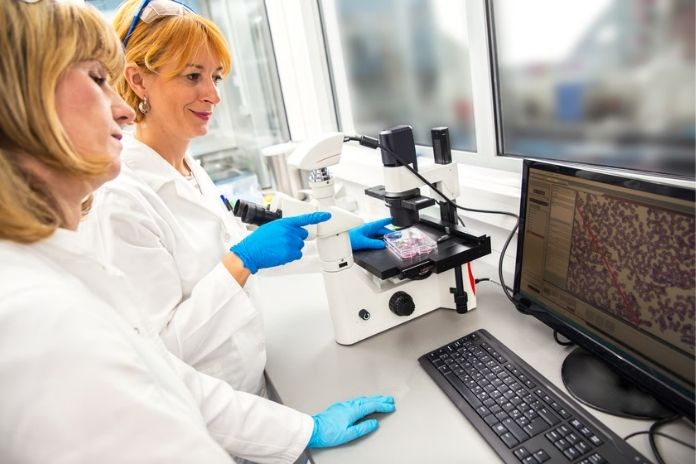
The study was presented at the European Congress on Obesity in Malaga in May 2025 by Lee Malcomson, research associate at the University of Manchester. Researchers analysed health data from a large group of UK women followed for a median of 6.4 years. During that time, 1,702 women developed breast cancer.
The headline finding got a lot of attention for good reason. Women who gained more than 30% of their body weight after age 20 and either had their first child after age 30 or never had children were 2.7 times more likely to develop breast cancer compared with women who gave birth earlier and maintained a more stable body weight.
One important nuance many headlines missed: delayed motherhood alone was not the entire story. Weight gain changed the picture strongly. Researchers found women with earlier first pregnancies actually gained more weight on average across adulthood, but still had lower breast cancer risk than women who delayed childbirth.
Why First Pregnancy Age Affects Breast Cancer Risk: The Biology
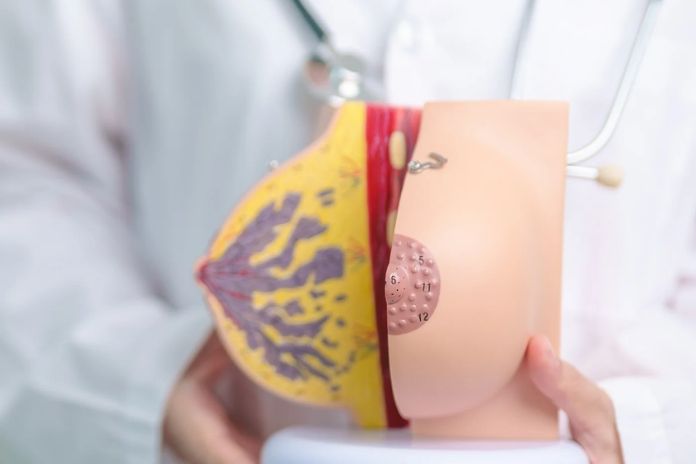
The biology behind this has actually been understood for a long time in reproductive oncology research. Pregnancy changes breast tissue permanently. “Breast changes can occur as early as the first trimester with some [amount of] sensitivity,” says Dr. Christine Greves, MD, an ob-gyn.
Before the first full-term pregnancy, breast cells stay in a more immature and active state. These cells respond strongly to hormones like estrogen and progesterone. Because they are dividing and changing more actively, they are also more vulnerable to DNA damage and cancer-causing mutations over time.
The first full-term pregnancy acts almost like a developmental milestone for breast tissue. Especially when pregnancy happens before age 30, breast cells go through a maturation process and become more stable and specialized. This is where the protective effect comes from biologically.
Researchers sometimes describe it as breast tissue becoming “less vulnerable” after early pregnancy because the cells are no longer sitting in that highly reactive immature phase for as many years. After age 35, the situation changes somewhat. By then, breast tissue has had longer exposure to hormones and more time for small abnormal cell clusters or mutations to accumulate.
Pregnancy hormones at that stage may stimulate already-altered cells rather than simply creating a protective maturation effect. One important pathway involved here is RANKL, short for receptor activator of NF-kappa B ligand.
During pregnancy, estrogen and progesterone trigger RANKL activity in certain breast cells. RANKL then acts on breast epithelial stem cells and drives breast tissue development. This process begins very early during pregnancy, even in the first trimester. In younger breast tissue with fewer accumulated abnormalities, this process appears protective long-term.
In older tissue carrying more mutated cells already, the same hormonal stimulation may behave differently. This mechanism is already well established in cancer biology literature. The Manchester study mainly added the weight-gain interaction on top of existing understanding.
The Weight Gain Interaction: Why It Multiplies the Risk

The second part of the Manchester findings was body weight. This part may be more important practically because, unlike reproductive history, body weight is at least partly modifiable. Fat tissue is not inactive storage tissue, as many people think.
Adipose tissue actually produces estrogen independently of the ovaries. This becomes especially important after menopause, when ovarian estrogen production drops sharply. At that point, body fat becomes a major source of circulating estrogen.
Most breast cancers are hormone receptor-positive, meaning they grow in response to estrogen signals. More adipose tissue often means more hormonal stimulation. Now, combine that with a delayed first pregnancy or no pregnancy.
Breast tissue stayed longer in a vulnerable immature state earlier in life, then later received prolonged exposure to adipose-tissue estrogen from adult weight gain. The two factors compound together instead of simply adding separately.
That is what the 2.7-times figure actually represents. The study also showed something very interesting. Women with earlier first pregnancies tended to gain more weight overall across adulthood, but still showed lower breast cancer risk than women with late or no first births at similar weight levels.
That suggests the protective effect of early breast cell maturation is biologically quite strong. This point matters because it stops oversimplified interpretation. The research is not saying “weight gain alone” or “late motherhood alone.” It is the interaction between reproductive biology and hormonal effects from adipose tissue.
Read More: Steps to Lower Your Risk of Early-Onset Breast Cancer
What This Means for Women Who Have Delayed or Foregone Pregnancy

This is probably the most important part of the whole discussion. This information exists for risk awareness and prevention planning. Not for guilt. Not for telling women they made wrong choices. Life circumstances around pregnancy are extremely personal and often not fully controllable anyway.
Women who had their first child after 30 or never had children do have a somewhat different breast cancer risk profile. That profile becomes more important if there has also been substantial adult weight gain over time.
Practically, this means screening conversations matter more. Standard NHS breast screening starts at age 50 in the UK. But women with elevated risk factors may benefit from earlier or more frequent screening discussions with a GP or breast specialist, depending on personal history.
This is not something an article can decide for an individual person. Family history, BRCA mutation status, alcohol intake, menopausal status, body weight, and reproductive history all combine differently for each woman.
The most directly modifiable factor from the Manchester study was weight gain. Delayed motherhood itself was not what tripled the risk. The combination with major adult weight gain created the strongest effect.
That means maintaining a healthy body weight through adulthood becomes especially important for women already carrying a higher reproductive risk profile. Regular physical activity matters too because exercise lowers circulating estrogen levels somewhat after menopause and improves insulin sensitivity.
Alcohol is also important here and often ignored. Even moderate alcohol intake increases breast cancer risk because alcohol affects estrogen metabolism and creates carcinogenic metabolites.
Another factor with protective evidence is breastfeeding. Longer breastfeeding duration is consistently associated with lower lifetime breast cancer risk, independent of age of first birth. Researchers believe breastfeeding reduces total lifetime hormonal exposure and also helps breast tissue shed damaged cells during lactation cycles.
So this research is not saying women should have children early. It is saying women with delayed or foregone pregnancy should know their risk profile more clearly and use the modifiable levers available to them.
The Broader Picture: Other Reproductive Risk Factors Worth Knowing
Age at first pregnancy is only one reproductive factor among many influencing breast cancer risk. Nulliparity, meaning never having given birth, carries a similar risk pattern to a very late first pregnancy. The number of pregnancies also matters somewhat. Each additional full-term pregnancy appears to provide a modest extra protective effect.
Age at menarche is important too. Girls who begin menstruation earlier experience longer lifetime exposure to estrogen. Later menopause also extends the years of hormonal exposure. Breastfeeding duration affects risk independently as well. Longer cumulative breastfeeding is generally associated with lower breast cancer rates in large population studies.
Family history, BRCA1 and BRCA2 mutations, obesity, alcohol intake, smoking, physical inactivity, and age all interact together. No single factor determines whether someone will or will not develop cancer. That is an important understanding. These studies help with risk stratification and screening planning. They do not predict individual destiny.
Conclusion
The relationship between reproductive history and breast cancer risk is real, biologically established, and clinically useful. But it should never be interpreted as judgment about when women have children or whether they have children at all.
The value of this research is practical. Women who delayed or forewent pregnancy can better understand their risk profile and focus on the factors that are still modifiable.
- A late first pregnancy is an established breast cancer risk factor.
- The 2025 University of Manchester study found: strongest risk increase happened when delayed motherhood was combined with major adult weight gain.
- Breast tissue biology changes permanently after the first full-term pregnancy through cell maturation pathways involving RANKL signaling.
- Adult adipose tissue becomes a major estrogen source after menopause.
- One major research gap still exists around how different pregnancy ages affect specific breast cancer subtypes differently across ethnic and genetic populations.
FAQs
1. Does having children later in life cause breast cancer?
No, having children later in life does not directly cause breast cancer, but it acts as a risk factor. Risk increases modestly and depends on other variables, especially adult weight gain, which can amplify hormonal effects influencing breast cancer development.
2. Can you reduce breast cancer risk if you have delayed or foregone pregnancy?
Yes, breast cancer risk can be reduced even with delayed or no pregnancy. Maintaining a healthy body weight lowers postmenopausal estrogen production, while regular exercise, limiting alcohol intake, and appropriate screening independently reduce overall breast cancer risk.
3. When should women with late first births start breast cancer screening?
Breast cancer screening timing for women with late first births should be individualized based on risk. Factors like family history, weight gain, and genetic mutations may justify earlier or more frequent screening beyond standard national guideline starting ages.
4. Is breastfeeding protective against breast cancer?
Yes, breastfeeding is protective against breast cancer to a measurable extent. Longer duration is associated with lower lifetime risk, likely due to reduced cumulative hormone exposure and physiological removal of damaged breast cells during lactation and post-weaning remodeling.
5. Is delayed motherhood alone enough to triple breast cancer risk?
No, delayed motherhood alone does not triple breast cancer risk. A significant risk increase occurs when combined with major adult weight gain, where higher adipose-driven estrogen production interacts with reproductive factors to substantially elevate overall breast cancer risk.
References
- Malcomson, L., Brentnall, A., Renehan, A. G., Pegington, M., Harkness, E. F., Southworth, J., Evans, D. G., & Harvie, M. (2026). Age at First Pregnancy, Adult Weight Gain and Postmenopausal Breast Cancer Risk: The PROCAS Study (United Kingdom). International Journal of Cancer.
- Muenst, S., Mechera, R., Däster, S., Piscuoglio, S., Ng, C. K. Y., Meier-Abt, F., Weber, W. P., & Soysal, S. D. (2017). Pregnancy at early age is associated with a reduction of progesterone-responsive cells and epithelial Wnt signaling in human breast tissue. Oncotarget, 8(14), 22353–22360.
- Stordal, B. (2022). Breastfeeding reduces the risk of breast cancer: A call for action in high‐income countries with low rates of breastfeeding. Cancer Medicine, 12(4).
In this Article