

















Intro
Many people eat bananas in the morning because they are easy. No cooking, no thinking. Just peel and eat. Also, it feels healthy, light, not heavy like some other breakfast foods. Some people even believe it is a “perfect breakfast”. But the real question is not convenience. The question is: Does it actually work as a meal?
Breakfast is never just about eating something random. It is the first fuel after a long night’s gap. The body needs stable energy, not just quick sugar. A banana looks simple, but its effect inside the body is not so simple. Nutritionists don’t say bananas for breakfast are bad. They say it is incomplete when eaten alone. This difference is actually very important.
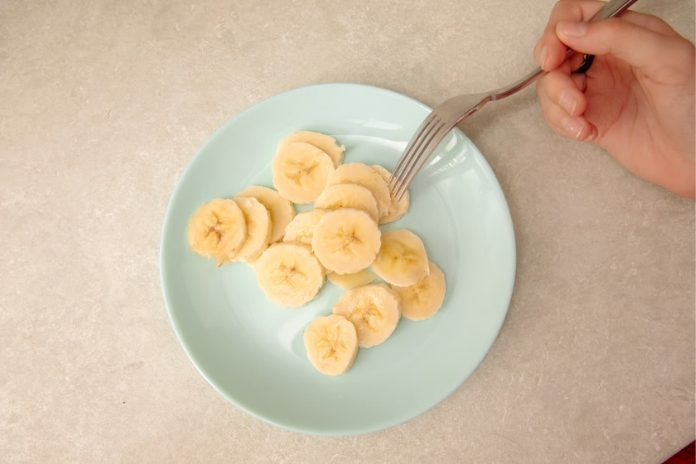
A banana alone is not enough for breakfast for most people. It provides fast carbohydrates, potassium, and fiber, but almost no protein (1.3g) and very little fat. This causes blood sugar to rise and drop more quickly, so hunger returns within 60–90 minutes. A banana with protein is a quick breakfast. A banana alone is just a snack.
What a Banana Actually Provides: The Nutrition Breakdown
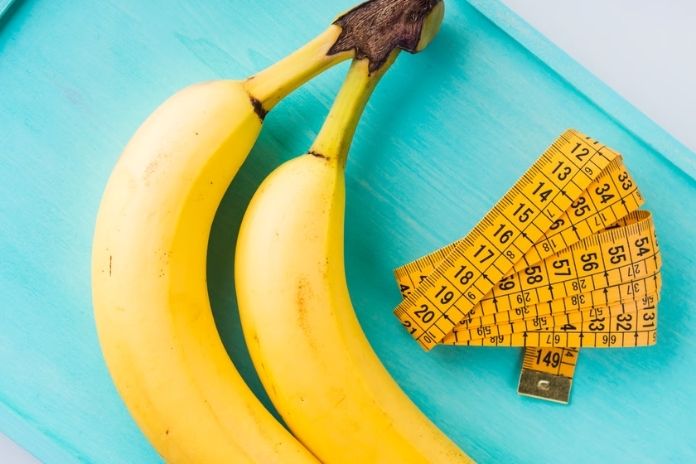
“You get lots of essential nutrients,” says Nichole Dandrea-Russert, a dietician. A medium banana (around 118g) contains:
- ~105 calories
- ~27g carbohydrates (including ~3g fibre and ~14g natural sugar)
- 3g protein, this is the weak point
- 4g fat
- ~422mg potassium (good for muscle and nerve function)
- ~10mg tryptophan
- Vitamin B6 (~25% daily value), Vitamin C (~11%)
So clearly, bananas are not “empty calories”. It has good nutrients. Potassium is high, which many diets lack. Vitamin B6 also important for brain and energy metabolism. Fiber is there, but only 3g, not very high.
The main issue is balance. A meal is not just about nutrients; it is about the structure and balance of nutrients. Banana is almost entirely carbohydrate, with protein and fat almost absent. This creates an imbalance.
For breakfast, the body usually needs around 15–20g of protein to stay full and stable. Banana gives only 1.3g. This is not a small gap. That is why banana alone fails as a complete breakfast.
Why a Banana Alone Leads to Hunger Within 90 Minutes
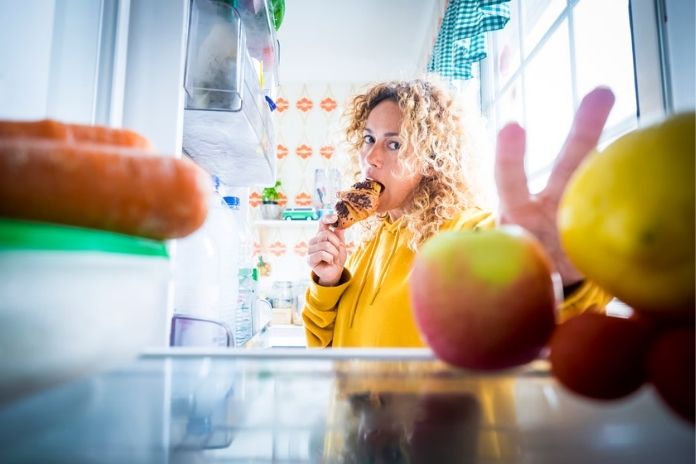
Many people say, “I ate a banana, but am still hungry quickly”. This is not imagination. Banana has a moderate glycaemic index (around 51). So it is not like white bread or sugary cereal. But the banana glycemic index alone does not decide everything. The bigger factor is what is missing: protein and fat. When you eat a banana:
- Carbohydrates break down fast
- Glucose enters the blood
- Insulin is released to control it
- Blood sugar comes down
This whole cycle happens faster because nothing is slowing it down. Protein and fat normally slow digestion. Without them, the process becomes quick. After this, the body senses a drop in blood glucose. The brain sends a hunger signal. That is why, within 60–90 minutes, you feel like eating again.
Some people experience a stronger effect. They feel shaky, irritated, or low energy. This is often linked with a reactive hypoglycemia pattern, where the body over-corrects blood sugar after a quick rise. This is why some people say “breakfast makes me more hungry”. It is not breakfast. It is a type of breakfast.
Fiber in a banana helps a little. But 3g fiber with almost no protein is not enough to slow 27g carbs. So, the overall effect remains quick digestion, quick hunger. In simple terms, a banana gives quick energy but not lasting energy.
When a Banana Is (and Isn’t) Enough
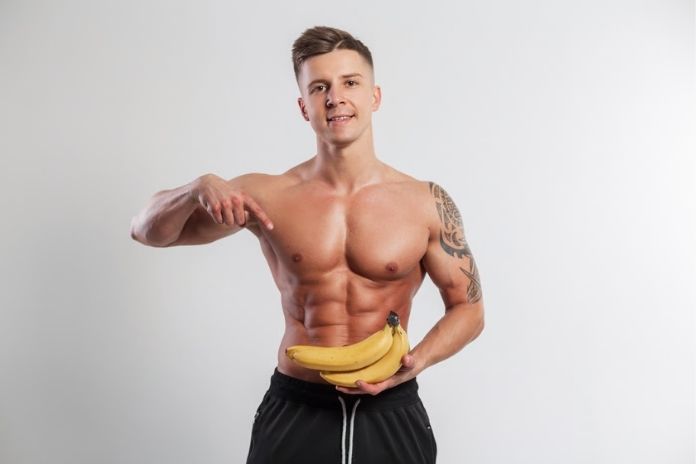
A banana is not useless. It just has a specific use.
When a banana is enough:
- Before workout (30–45 minutes): Muscles need quick carbs, a banana works perfectly
- When there’s no time: Better than skipping breakfast completely
- During gradual eating after fasting: Easy to digest; bananas are not heavy on the stomach
When it is not enough:
- When the next meal is far (more than 2–3 hours)
- For people managing blood sugar swings
- For physical work or strength training
- For students or office work needing long focus
This is where confusion happens. People use bananas in the wrong situation. Then they blame the banana. Actually, the problem is a mismatch between food and need.
The Simple Fix: What to Add to Make It a Real Breakfast
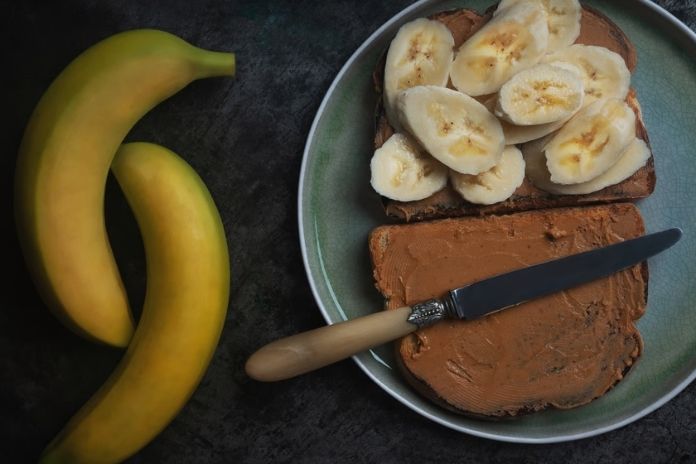
Don’t remove bananas from your breakfast; just add some supporting macronutrients. Think of it like a base; a banana-only breakfast is not a full meal.
1. Banana with Greek yogurt (150g)
Adds around 12–15g of protein. Also gives probiotics and some fat. This combination balances sugar release. Also very quick, no cooking. “It’s a great idea to pair bananas with a high-protein food to keep you even more satisfied,” a registered dietitian, Elyse Rottinger, recommends.
2. Banana with peanut butter (2 tablespoons)
Adds protein (7–8g) and healthy fats (~16g). Fat slows digestion strongly. This banana with peanut butter breakfast keeps you full for 2–3 hours easily.
3. Banana with 2 boiled eggs
Adds around 12g of protein and good fats. Also gives choline, which is good for brain function. This is the most complete quick breakfast.
These are not fancy ideas. Just a simple pairing. But the effect is very different. Now, banana works as part of a meal, not alone. Its potassium, fiber, and quick energy become advantages rather than problems.
The Real Issue Nobody Talks About: Breakfast Structure, Not Food Choice
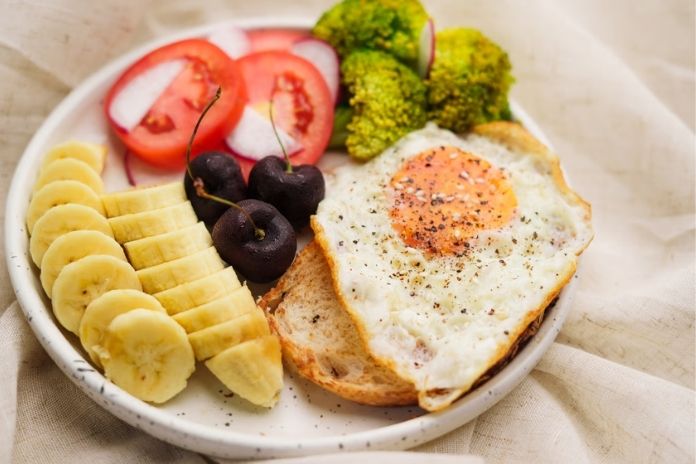
Most advice online focuses on “what food is healthy”. But the real issue is the structure of the meal. Even healthy food can behave like junk if the structure is wrong. Banana is an example. People think:
- Fruit means healthy
- So fruit alone means a healthy meal
But the body does not work on labels like “healthy” or “unhealthy”. It reacts to nutrients. A meal needs:
- Protein (for satiety and muscle)
- Fat (for slowing digestion and hormones)
- Carbs (for energy)
Banana only covers carbs. That is why the problem happens. This is why even very “clean” eaters sometimes feel low energy. They eat healthy foods, but incomplete meals.
Another Hidden Factor: Morning Appetite Hormones
Morning body state is different from evening. After waking:
- Cortisol is naturally high
- Blood sugar is already slightly elevated
- Insulin sensitivity is different
When you eat only carbs in this state, the glucose response becomes sharper. That means rise and fall both faster. If the same banana is eaten later in the day with other meals, the effect is different. Morning amplifies the imbalance. This is why breakfast needs better structure than snacks.
Read More: Banana vs. Sweet Potato Before a Workout: Which Fuels You Best in 30 Minutes?
Why Some People Still Feel Good With a Banana-Only Breakfast

Not everyone feels hungry after a banana. There are reasons:
- Low activity level (less energy demand)
- Late breakfast followed by early lunch
- Naturally stable blood sugar response
- Small body size or lower calorie needs
So for them, a banana may “feel enough”. But that does not mean it is optimal. It just means their body tolerates it better. Nutrition is not only about what feels normal. It is also about what works best long term.
Read More: How to Eat Sweet Potatoes and Bananas Without Spiking Your Blood Sugar
The Psychological Trap: Light Breakfast Feels “Good” but Backfires

Many people prefer a light breakfast. It feels clean, not heavy. Banana fits perfectly in this mindset. But what happens later:
- Mid-morning hunger
- Extra snacking
- Cravings for sugar or tea snacks
- Overeating at lunch
So total calorie intake increases, not decreases. This is an interesting point. A small breakfast sometimes leads to bigger overall eating. While a balanced breakfast reduces total hunger for the whole day. So, a banana alone is not always a “light choice”. It can indirectly increase food intake.
Read More: Why Your “Healthy” Evening Banana Might Be Ruining Your Sleep Quality
Conclusion
A banana for breakfast is not wrong, but it is incomplete. It gives good nutrients like potassium and fiber, but almost no protein. Because of this, energy does not last long, and hunger returns quickly. When paired with yogurt, eggs, or nut butter, it becomes balanced and useful. The problem is not the banana. The problem is eating it alone and expecting it to behave like a full meal.
- Banana is nutritionally good, but structurally incomplete as a meal.
- Protein, not carbs, is the main driver of breakfast satiety; this is often ignored.
- Glycaemic response depends more on meal composition than on single food GI.
- Many “healthy” breakfasts fail because they lack fat and protein, not because food is bad.
- Research gap: Individual glucose response to a fruit-only breakfast varies widely, but personalized nutrition in this area is still underexplored.
FAQs
1. Is a banana a good breakfast?
Yes, a banana is a healthy breakfast food, but not sufficient alone as a complete meal. It mainly provides carbohydrates, leading to short-lived energy, so adding protein and fat improves satiety, glycemic control, and sustained energy release.
2. What should I eat with a banana for breakfast?
You should pair a banana with protein and fat sources such as Greek yogurt, peanut butter, nuts, or eggs. This combination slows carbohydrate absorption, stabilizes blood glucose levels, and helps reduce early hunger by improving overall meal balance.
In this Article