



















PMS symptoms can feel worse in some months because the factors that influence them, such as stress, sleep, inflammation, diet, and sensitivity to hormonal changes, keep changing.
A difficult month is usually due to one or more of these factors being worse than usual, not because of a new health problem. The most common reasons are higher stress, poor sleep, increased inflammation, and changes in diet or routine before your period.
- PMS feels worse in some months mainly because stress, sleep, diet, inflammation, and exercise levels change, not because your hormones are abnormal..
- The real driver of PMS severity is how sensitive your brain and body are to normal hormonal shifts, and that sensitivity changes month to month.
- A single bad cycle is usually normal, but if symptoms are severe, affect daily life, or repeat over multiple cycles, it may need medical attention (such as PMDD).
Read More: 7 PMS and Cycle-Tracking Mistakes We Wish We’d Fixed Earlier
Why PMS Symptoms Vary Month to Month — the Core Explanation
Premenstrual syndrome (PMS) does not stay the same every month. It can feel mild in one cycle and much stronger in the next. This is normal and happens because PMS is not caused only by hormones but by how your body reacts to them.
Research shows that people with PMS do not have very different levels of estrogen or progesterone compared to those without PMS. The key difference is sensitivity. Some people are more sensitive to the natural rise and fall of these hormones during the menstrual cycle. This means your hormones were probably not “off” this month.
Instead, your body and brain may have reacted more strongly to the same hormonal changes. This sensitivity is influenced by everyday factors like stress, sleep, diet, inflammation, and life events. These things change from month to month.
When they shift, they can make the same hormonal cycle feel easier or harder to deal with. That is why PMS can vary so much, even when your periods are regular.
The Most Common Reasons This Month Were Worse
Higher Stress Than Usual
Stress is one of the biggest reasons PMS feels worse. During the week before your period, your body is already going through hormonal changes that affect your mood. When stress increases, your body produces more cortisol, the body’s main stress hormone.
Higher cortisol levels can make mood swings, anxiety, irritability, and fatigue feel stronger. Stress also lowers your ability to cope with these changes. If you had a stressful month due to work, studies, relationships, or personal issues, it can directly make PMS symptoms feel more intense. Even small but constant stress can have this effect.
Poor Or Disrupted Sleep
Sleep plays a big role in how you feel before your period. When you do not sleep well, your mood, energy levels, and stress response are affected. Sleep helps regulate brain chemicals like serotonin and GABA, which are important for staying calm and emotionally stable.
Poor sleep can reduce this balance and make you feel more irritable, anxious, or low. Even a few nights of poor sleep in the week before your period can make symptoms worse. You may also feel more tired, less focused, and more sensitive to pain, like cramps or headaches.
Increased Inflammation
Inflammation is another factor that can worsen PMS. It is your body’s natural response to stress, illness, or certain foods, but higher levels can increase discomfort. Things that can raise inflammation include recent illness, eating a lot of processed or sugary foods, drinking alcohol, or overexercising without enough rest.
When inflammation is higher, physical symptoms like bloating, breast tenderness, headaches, and cramps can feel stronger. It can also affect energy levels and mood. A month where your body is under more physical stress can easily lead to worse PMS symptoms.
Diet Changes, Such As Alcohol, Sugar, And Caffeine
What you eat and drink before your period can affect how you feel. Alcohol, sugar, and caffeine are common triggers. Alcohol can disturb sleep, increase inflammation, and affect hormone levels. Sugar and processed foods can cause energy crashes and increase inflammation. Caffeine can make anxiety and breast tenderness worse in some people.
If your routine changed this month, such as eating out more, stress eating, or drinking more caffeine or alcohol, it can make PMS symptoms more noticeable.
Where You Are In Your Reproductive Years
PMS can change as you get older. It does not stay the same throughout life. Symptoms may become stronger in your mid-30s. In your late 30s and 40s, hormonal patterns can start to shift, which can affect PMS.
The years before menopause, called perimenopause, can bring more unpredictable hormone changes. This can make PMS feel more intense or less consistent. If your symptoms have been slowly getting worse over time and not just in one month, age and hormonal changes may be the reason.
Missed Or Reduced Exercise
Regular exercise helps reduce PMS symptoms. It improves mood, reduces stress, helps with sleep, and lowers inflammation. If you exercised less than usual this month, you may feel the difference. Without this support, symptoms like low mood, fatigue, and discomfort can feel stronger.
Even light activity like walking can help. So a drop in movement, even if small, can affect how you feel before your period.
Read More: 9 Best PMS Supplements That May Help with Mood Swings and Bloating
When It’s More Than a Bad Month—the PMDD Distinction
Sometimes symptoms are not just worse, but severe enough to affect daily life. This may be a condition called premenstrual dysphoric disorder (PMDD). PMDD is a more serious form of PMS that affects mental health. It can cause strong mood swings, depression, anxiety, and irritability before your period.
The main difference is how much it affects your life. If symptoms make it hard to work, study, maintain relationships, or manage daily tasks, and this happens in multiple cycles, it may be PMDD.
PMDD affects a small percentage of people but is treatable. Treatment options include medications such as SSRIs, hormonal treatments, and lifestyle changes. A doctor can help with diagnosis and management.
What to Do When One Month Is Notably Worse

If one month feels worse than usual, the best approach is to look at what may have changed:
- Start by tracking your symptoms for two to three months. Note your stress levels, sleep quality, diet, and activity. This helps you see patterns and understand what affects your PMS.
- Focus on getting good sleep in the week before your period. This is when sleep matters the most. Try to keep a regular sleep schedule and reduce screen time before bed.
- Cut down on alcohol and caffeine in the days leading up to your period. These can make symptoms worse. Eating balanced meals and reducing processed foods can also help.
- Keep moving even if you do not feel like doing intense exercise. Simple activities like walking can support mood and reduce symptoms.
- Magnesium supplements, as prescribed by your doctor, have been shown to help with mood, cramps, and bloating in some people.
These small steps can make future cycles feel more manageable.
When to See a Doctor
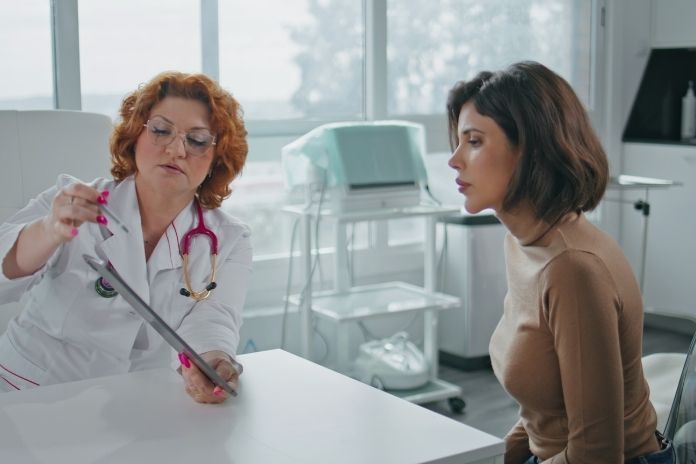
You should consider seeing a doctor if your symptoms worsen for two or more cycles without a clear reason. It is also important to seek help if symptoms affect your work, relationships, or daily life.
If you experience strong mood symptoms such as depression, anxiety, or thoughts of self-harm before your period, do not ignore them. If you are in your late 30s or 40s and symptoms are getting worse over time, a doctor can check for hormonal changes. You should also seek help if your usual ways of managing PMS are no longer working.
Read More: The Luteal Phase Low: Why Your Blood Sugar Crashes Right Before Your Period
Conclusion
PMS can feel worse in some months, even when nothing is “wrong.” This usually happens because things like stress, sleep, diet, inflammation, and activity levels change from month to month. These factors affect how your body reacts to normal hormonal shifts, so the same cycle can feel easier one month and harder the next.
A single bad month is common and usually not a concern. But if symptoms keep getting worse, happen every cycle, or start affecting your daily life, it’s a good idea to talk to a doctor. They can check if something like PMDD is involved and help you find the right support.
References
- Ayyub, S., Agrawal, M., Sharma, V., & Aravind, A. (2024). The effect of physical activity on premenstrual syndrome: A systematic review.
- Demir, S. E. (2023, September 18). Does what we eat affect our psychological health?
- Johns Hopkins Medicine. (n.d.). Premenstrual dysphoric disorder (PMDD).
- NawCare. (n.d.). Why is my PMS getting worse?
In this Article