




















One symptom of digestive health that tends to be overlooked is fatigue; however, it is highly prevalent among individuals with diarrhea-predominant irritable bowel syndrome (often called irritable bowel syndrome diarrhea). Although symptoms such as abdominal pain, urgency, and frequent bowel movements are more apparent, a significant number of people deal with ongoing fatigue that impacts their work performance, concentration, and emotional health.
This article will examine the reasons for IBS-D fatigue, the biological and lifestyle factors contributing to it, and the more profound connection between diarrhea and fatigue that many patients experience. We will also analyze the reasons why IBS causes fatigue, examining the impacts of hydration and nutrient depletion, the gut-brain axis, sleep disruption, and stress responses.
- IBS-D fatigue stems from dehydration, electrolyte loss, and rapid gut transit, all of which reduce nutrient absorption.
- Gut–brain axis stress and poor sleep further amplify exhaustion and low energy.
- Hydration, balanced meals, better sleep, and stress control help restore energy.
Read More: How a Single Night of Poor Sleep Can Triple Your IBS Pain the Next Day
Why Fatigue Is Common in IBS-D
The chronic condition known as irritable bowel syndrome (IBS) can influence how your body digests specific foods and absorbs nutrients. IBS commonly manifests through fatigue or low energy.
Due to its impact on gut health and bacterial balance, IBS can lead to fatigue in those who have it. It might help reduce energy levels.
IBS often manifests fatigue as an extraintestinal symptom. Extraintestinal symptoms manifest outside of the intestines.
Approximately half of individuals with IBS report experiencing fatigue. An analysis conducted in 2016 discovered that individuals assigned female at birth are at higher risk of experiencing fatigue as a result of IBS.
Your body may not absorb enough nutrients from food due to IBS. It might lead to a decrease in the energy your body can generate, resulting in tiredness and fatigue.
Moreover, the condition often alters the bacterial flora in your gut. These changes might also lead to enduring (chronic) fatigue.
Dehydration From Frequent Loose Stools

Water makes up approximately 60% of the human body, so it’s no wonder that staying hydrated is vital. Not only are healthy water consumption habits vital for general health and wellness, but they are also key to managing digestive problems like IBS.
For dealing with uncomfortable symptoms of a chronic condition such as Irritable Bowel Syndrome, it is essential to maintain hydration. Consuming approximately 2 liters of water per day can alleviate IBS symptoms, including bloating, stomach discomfort, constipation, and diarrhea.
Water plays a very important role in digestion and detoxification, making adequate hydration essential for IBS management. Due to the considerable loss of liquid that can result from frequent diarrhea, individuals with IBS often need to increase their fluid intake during flare-ups.
Repeated loose stools can lead to dehydration, which significantly worsens IBS diarrhea, low energy, and contributes to IBS-D fatigue throughout the day.
As the body loses fluids, it also loses essential electrolytes, such as sodium and potassium. It leads to an electrolyte imbalance, which directly affects energy production, concentration, and muscle function. It is a crucial factor in why IBS causes fatigue on a physiological level.
Indicators of dehydration consist of a parched mouth, light-headedness, concentrated urine, and diminished concentration.
Nutrient Absorption Challenges
Another major contributor to IBS fatigue is reduced nutrient absorption. If food passes through the digestive system too quickly, the body has less time to absorb vitamins, minerals, and nutrients that help generate energy. It is particularly pertinent in the case of irritable bowel syndrome diarrhea.
Accelerated intestinal transit may lead to deficiencies in iron, magnesium, and B vitamins, all of which are crucial for energy metabolism. It has a direct effect on fatigue associated with IBS diarrhea and low energy that comes with long-term IBS diarrhea.
In certain instances, fat malabsorption may occur, further diminishing calorie absorption. It creates a cycle where IBS-D is tired all the time and becomes more persistent, especially if dietary intake is already limited.
Read More: Always Tired but Can’t Sleep? Why IBS Patients Are 4x More Likely to Suffer from “Hypersomnia”
The Gut-Brain Axis and Fatigue
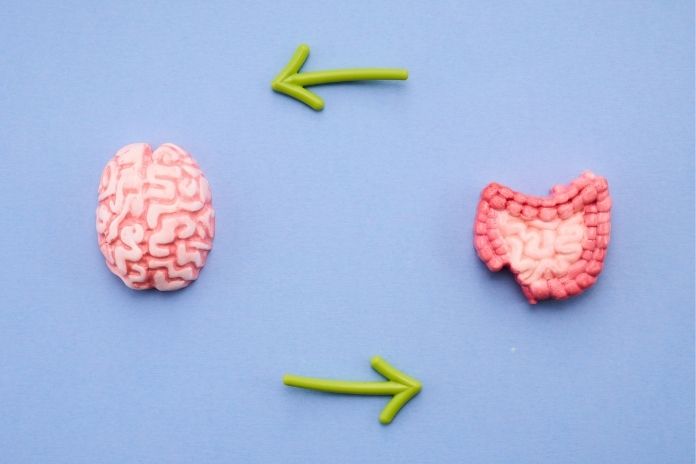
If you suffer from irritable bowel syndrome (IBS), you likely know that stress and anxiety profoundly impact your gut and overall well-being. IBS falls under the category of disorders of gut-brain interaction (DGBI), indicating a breakdown in communication between your brain and gut.
Before a presentation, you may have felt those well-known butterflies in your stomach or encountered that sinking feeling in your gut when fear or anxiety sets in. These feelings underscore the deep link that exists among our emotions, thoughts, and digestion.
The connection between the brain and the gut via the nervous system is one of the most fascinating relationships in the body. The enteric nervous system (ENS) is a network of neurons that controls the function of the gastrointestinal tract. The vagus nerve is the crucial connection between the brain and the gut.
It serves as a communication highway, transporting information between these two intricate systems. The nervous system has two main responses: the parasympathetic ‘rest and digest’ response and the sympathetic ‘fight or flight’ response. Our parasympathetic nervous system helps with digestion when we are relaxed, while our sympathetic nervous system hinders it during times of stress.
Chronic stress can lead to a breakdown in communication. It leads to changes in gut motility, increased sensitivity, imbalances in gut microbiota, reduced stomach acid levels, and heightened intestinal epithelial permeability. The latter can contribute to chronic inflammation.
The positive aspect is that, with this knowledge, we can tackle the issue by focusing on stress management and identifying its underlying causes through brain-gut behavioral therapies like gut-directed hypnotherapy.
Sleep Disruption and IBS-D
A crucial aspect of a person’s general health and wellness is sleep. Sadly, 40% of individuals suffering from Irritable Bowel Syndrome (IBS) indicate they experience sleep issues. Symptoms of IBS, including abdominal pain and diarrhea, can disrupt sleep patterns and lead to sleep problems.
Individuals suffering from IBS are up to two times more likely to suffer from insomnia and poor sleep quality than those who do not have IBS. It goes beyond mere exhaustion; disrupted sleep increases pain sensitivity, hinders digestion, and also triggers the stress response, which exacerbates gut symptoms.
A disrupted sleep pattern means your body has fewer resources to manage inflammation, hormone levels, and mood. It’s a vicious cycle: when you have gut discomfort, it can be difficult to fall asleep or remain asleep, and this makes it more challenging to cope with symptoms during the day.
Your body’s innate 24-hour cycles that control sleep, digestion, immune function, and even bowel movements are known as circadian rhythms. Light exposure and internal biological clocks regulate these cycles. Disruptions to circadian rhythms caused by factors such as shift work, chronic stress, or late-night screen exposure can disturb the timing of hormone release, digestion, and motility, all of which impact IBS.
Research indicates that gut microbiota also exhibit circadian patterns. Interruptions to these cycles can lead to increased gut permeability, inflammation, and sensitivity.
Read More: SIBO vs. IBS: Understanding the Differences and How to Manage Them
Food Restriction and Low Energy Intake

Due to the fear of provoking symptoms, a lot of people with IBS-D inadvertently cut back on their caloric consumption. While dietary caution is important, excessive restriction often leads to IBS diarrhea, low energy, and worsening fatigue.
When carbohydrate intake drops too low, the body lacks quick energy sources, which can contribute to IBS-D fatigue and difficulty concentrating. One reason for this is that balanced nutrition, rather than extreme elimination diets, should be part of IBS low-energy solutions.
Over time, restrictive eating patterns can worsen IBS-D symptoms and contribute to nutrient deficiencies that reinforce fatigue.
Inflammation and Immune Activation (Emerging Evidence)
Irritable bowel syndrome (IBS) and functional dyspepsia (FD), as prevalent functional gastrointestinal disorders (FGIDs), do not involve gastrointestinal organic lesions, yet they significantly impact patients’ quality of life. Epidemiological data indicate that overlapping symptoms are present in 26.7-48.7% of IBS patients and 20.0-42.
1% of FD patients. Clinical manifestations are more serious, quality of life is poorer, and therapy is more challenging in cases of overlap syndrome. Diet, gastrointestinal infections, changes in gut microbiota, stress, psychological disorders, and other unidentified factors typically trigger the symptoms of IBS or FD.
Chronic inflammation following infection or non-infectious inflammation due to the aforementioned factors and immune response results in visceral hypersensitivity and dysfunction of the brain-gut axis and intestinal mucosal barrier. These may contribute to IBS or FD symptoms.
Practical Strategies to Support Energy With IBS-D

To manage energy levels, one must take a multi-faceted approach that considers hydration, nutrition, sleep, and stress.
Hydration Optimization: To alleviate low energy associated with IBS diarrhea and improve IBS-D fatigue, it is crucial to maintain a steady intake of fluids.
Support Balanced Nutrition: Over time, restrictive eating patterns can worsen IBS-D symptoms and contribute to nutrient deficiencies that reinforce fatigue. Proper protein and carbohydrate consumption contributes to energy level stabilization and diminishes IBS fatigue caused by inadequate intake.
Carefully Identify Trigger Foods: By using a structured elimination and reintroduction plan, symptoms can be alleviated without exacerbating IBS-related diarrhea or low energy caused by over-restriction.
Enhance Sleep Quality: Effective sleep hygiene reduces IBS-D fatigue and supports the gut-brain axis. It also diminishes fatigue-related IBS symptoms driven by stress.
When to Consider Medical Evaluation
Persistent exhaustion ought not to be overlooked. It is important to seek a medical evaluation if IBS-D fatigue becomes severe or impacts daily functioning. Some conditions, such as nutrient deficiencies or other gastrointestinal disorders, can mimic the diarrhea symptoms of irritable bowel syndrome.
A healthcare provider should evaluate unexplained weight loss, worsening IBS-related diarrhea, low energy levels, and persistent fatigue associated with long-term IBS-D as components of a structured treatment plan for IBS-related fatigue.
Questions to Discuss With a Healthcare Professional
If you have IBS fatigue that doesn’t go away, you should ask your doctor if dehydration, lack of nutrients, or trouble sleeping could be to blame. These talks help improve low-energy treatments for IBS and ensure correct diagnosis.
It’s also important to ask whether doctors need additional tests or medications to better understand the link between diarrhea and fatigue and the overall energy imbalance.
Read More: Melatonin for Your Gut? The Surprising Role of the Sleep Hormone in Managing IBS Cramping
Conclusion
IBS-D fatigue is a multifactorial syndrome influenced by sleep disturbance, nutritional imbalances, dehydration, and the gut-brain link. It is not merely a consequence of digestive distress. When these factors pile up, they can drain your energy and drag down your whole life, making even regular days feel exhausting.
To really break out of this rut, it’s important to dig into why IBS actually makes you feel so tired, not just treat the symptoms as they pop up. If you make a habit of staying well hydrated, eating balanced meals, handling your stress, and getting medical help when it’s needed, you can slowly build your energy back up and leave that stubborn fatigue behind.
References
- Mark Volmer. (September 23, 2024). What’s The Connection Between IBS and Fatigue?:
- Alabama Colon & Rectal Institute. (April 20, 2026). Stay cool this summer: The connection between hydration & IBS.
- Gastrointestinal Society. Brain-gut connection and IBS.
- International Foundation for Gastrointestinal Disorders. Sleep and irritable bowel syndrome.
- Journal of Neurogastroenterology and Motility. (August 7, 2020). Inflammation and Overlap of Irritable Bowel Syndrome and Functional Dyspepsia.
In this Article