
















During the course of breast cancer therapy, nutrition is a vital support. Food can help you manage side effects, preserve strength, and aid in recovery, but it cannot cure cancer on its own. Your body undergoes significant changes during treatments like radiation therapy and chemotherapy, and your nutritional needs may change accordingly.
In this article, we will cover the importance of nutrition, the best foods during breast cancer treatment, what to limit, and practical tips for managing side effects. Additionally, you will discover how to design a flexible breast cancer diet that promotes healing without being unduly restricted.
- Nutrition supports strength and helps manage side effects during breast cancer treatment.
- Focus on plant-based, protein-rich foods and good hydration while limiting processed and high-risk raw foods.
- Adapt meals to symptoms and work with a healthcare team for personalized care.
Read More: Omega-3 Fatty Acids For Cancer Treatment? Research Shows Signs of Possibility
Why Nutrition Matters During Breast Cancer Treatment
The saying “food is medicine” is common, but what does it actually mean? Did you know that 90% of cancer patients have treatable dietary symptoms associated with their disease at the time of diagnosis? Sadly, many of these individuals never receive assistance or nutrition interventions.
Here are some ways that eating a healthy diet can support your fight against cancer:
To Help Reduce Symptoms: One of the biggest issues facing cancer patients and their caregivers is managing their symptoms. Fatigue, diarrhea, constipation, nausea, taste changes, and other side effects can all negatively impact a cancer patient’s quality of life throughout treatment.
According to research, cancer patients who receive dietary support have a considerable decrease in the frequency and intensity of these symptoms as well as a decrease in the usage of over-the-counter drugs.
To Reduce Inflammation: The body uses inflammation as a defense mechanism against potentially harmful substances. The body will eventually deteriorate if it is continuously under attack. We want our bodies to be robust during cancer therapy.
Our diet, especially one that contributes to being overweight and obesity, is one of the primary causes of inflammation in our bodies. A balanced diet will help to maintain a good, healthy weight, stabilize blood sugar levels, strengthen the immune system, and reduce inflammation.
For Recovery Following Surgery or Therapy: Surgery and therapy are never easy. While our bodies heal, we must rest. The majority of people are aware of the need for rest, but how can we nourish our bodies to rebuild and restore healthy tissues?
Eating wholesome protein sources is the finest thing we can do. A healthy protein diet helps reduce hospital stays, according to studies. Beans, lentils, tofu, almonds, quinoa, Greek yogurt, eggs, fish, and poultry are some of the good sources of protein.
Best Foods to Eat During Breast Cancer Treatment
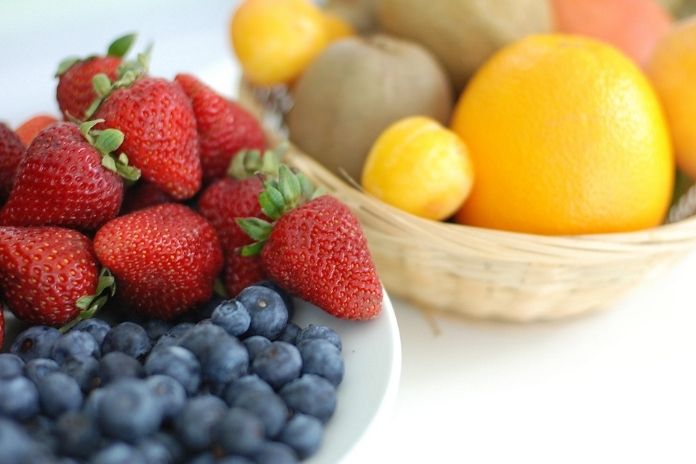
Choosing the right foods during breast cancer treatment can help your body cope better and recover faster.
A Plant-Based Diet is Ideal
A plant-based diet has advantages during cancer treatment in addition to being advised to lower your risk of developing the disease. It is important to consult your physician and nutritionist to determine whether a plant-based diet is suitable for your specific circumstances.
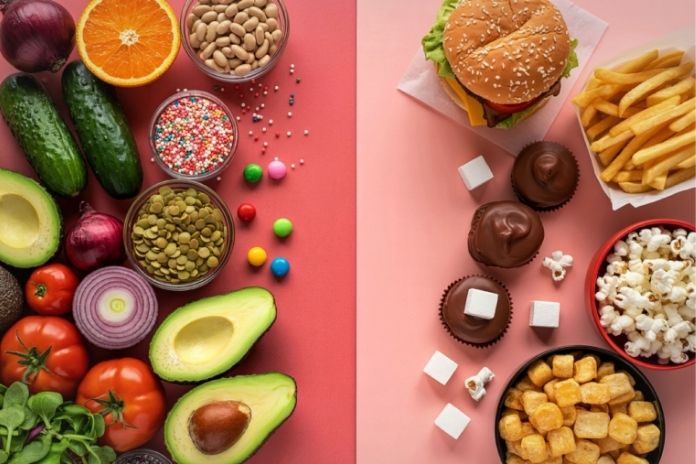
If you follow a plant-based diet, you get most of your food from plants. Fruit, vegetables, whole grains, beans, seeds, and nuts are all included in this.
“Plant foods with antioxidants and phytonutrients are especially good,” says senior clinical dietitian Chelsea Ebrus. “Phytonutrients are chemical compounds found in plant foods that have potential benefits to the body.”
Phytonutrient-rich foods typically have rainbow-like hues. Eggplant, red grapes, and blueberries are a few examples. Healthy fats reduce inflammation in the body. Foods like avocado, olive oil, cashews, and walnuts are good sources of healthful fats.
During Cancer Therapy, Staying Hydrated is Crucial
To help the body rid itself of toxins, it is particularly crucial to stay hydrated during chemotherapy, radiation therapy, and immunotherapy. Additionally, it can help replenish any water your body may be losing due to the treatment side effects, such as vomiting or diarrhea.
Water is always beneficial, but you can also choose electrolyte-rich beverages. One excellent natural alternative is coconut water. A healthy diet during treatment also includes eating fruits high in water content, such as watermelons and grapes.
Drinking half of your body weight in ounces of fluid each day is advised. For instance, you should try to drink roughly 80 ounces a day if you weigh 160 pounds.
Foods High in Protein for Strength and Healing
Protein is essential for tissue healing and maintaining muscle mass. During treatment, your protein needs may increase, making protein intake especially important. Lean meats such as chicken and fish, egg, dairy products, and plant-based proteins like lentils, beans, and tofu are all good choices.
Read More: Think You’re Too Young for Cancer? 75% of Patients Thought So Too
Foods to Avoid or Limit During Treatment
While focusing on nourishing foods, it’s equally important to understand foods to avoid during breast cancer treatment. Make your own food as often as possible and read nutrition labels carefully. Avoid highly processed and refined meals. Also, avoid fried foods made with hydrogenated oils because they can increase inflammation.
Consider avoiding foods that increase the risk of foodborne diseases because cancer patients frequently have weakened immune systems, such as:
- Raw or lightly cooked fish, like sushi
- Soft-cooked eggs or items like homemade mayonnaise that contain raw eggs
- Unpasteurized dairy products and cheeses
- Unclean fruits or veggies
Eating Strategies to Manage Common Side Effects

Nausea and Vomiting: Managing nausea is one of the biggest challenges in chemotherapy side effects nutrition. Practical tips include eating small, frequent meals, avoiding harsh odors, and selecting bland foods like rice or crackers.
Loss of Appetite: Choose smaller, nutrient-dense meals if you have trouble eating enough.
When your hunger is at its peak, eat. This approach supports nutrition for breast cancer patients even during difficult days.
Mouth Sores or Difficulty Swallowing: Avoid hot or acidic foods and stick to soft, moist foods like yogurt, soups, and mashed vegetables.
These adjustments are part of effective strategies for safe foods during radiation therapy.
Special Considerations During Chemotherapy and Radiation
During therapy, food safety becomes very crucial. Observe basic hygiene guidelines:
- Make sure to wash your hands and utensils properly
- Store food securely
- Steer clear of expired goods
During different phases of breast cancer treatment, your diet may need adjustments. For instance, consuming more protein during chemotherapy or softer meals during radiation. Only under a doctor’s supervision should supplements be taken.
Some medications may interfere with treatment, so always consult your healthcare provider when considering nutrition options for breast cancer patients.
Read More: Soft Food Diet for Cancer Patients With Mouth Pain: What to Eat & What to Avoid
Should You Follow a Specific “Cancer Diet”?
It’s really difficult to eat healthily while undergoing cancer treatment. The majority of guides omit that section. Giving the body enough energy to endure treatment, control side effects, and recuperate is the goal of diet for cancer patients, rather than adhering to a rigid regimen.
Chemotherapy, radiation, surgery, and cancer itself alter the body’s nutritional processing, sometimes increasing the demand for protein and calories at the very moment that hunger declines.
When a patient is losing weight, having trouble eating, or exhibiting signs of muscle weakness, doctors usually prioritize nutrition. The objective is pragmatic: maintain the body rather than treat the illness.
Working with a Healthcare Team

In cancer treatment, a registered dietitian is crucial. They can:
- Personalize your breast cancer diet
- Aid with symptom management
- Make sure you’re getting enough nutrients
Consult a specialist if:
- You’re losing weight quickly
- You can’t keep consuming enough
- You’re experiencing serious adverse effects
Practical Daily Meal Planning Tips
Simple preparation can have a very significant impact on days when energy levels are low.
Try:
- Preparing meals ahead of time
- Keeping wholesome food on hand
- Selecting foods that are simple to prepare
For instance:
- Fruit and oatmeal
- Lentils with vegetable soup
- Protein-rich smoothies
These are practical solutions for maintaining consistent foods during breast cancer treatment.
When to Be Cautious About Food Choices
Keep an eye out for warning indicators like:
- Dehydration
- Quick weight loss
- Difficulty swallowing
These may indicate the need for medical intervention. Proper hydration during cancer care and timely support are essential.
Read More: Lung Cancer in Non-Smokers: How It’s Different
Conclusion
While nutrition cannot take the place of medical therapy, it is a crucial component of recovery and well-being throughout breast cancer treatment. Maintaining strength, boosting energy, and lessening the severity of treatment-related side effects, including exhaustion, nausea, and appetite loss, can all be achieved with a careful breast cancer diet.
But rather than rigid regulations, the emphasis should always be on flexibility and balance. Dietary requirements may vary over time because each person responds differently to treatment.
The secret is to pay attention to your body and adjust your diet based on your tolerance. You can significantly boost your mood on this journey by making small, regular changes to your daily meals, such as adding protein, drinking plenty of water, and choosing nutrient-dense foods.
References
- Fred Hutchinson Cancer Center. (February 21, 2024). Spotlight
- Memorial Sloan Kettering Cancer Center. (2025, October 7). Nutrition and breast cancer: Making healthy diet decisions.
- Valerie Jones. (October 03, 2023). Healthy foods to eat during cancer treatment.
- Johns Hopkins Medicine. Cancer diet: Foods to add and avoid during cancer treatment.
- Breast Cancer Now. Diet during breast cancer treatment.
- Cancer Support Community. Diet & nutrition during cancer treatment.
- UCSF Health. Nutrition plans for cancer patients undergoing treatment.
In this Article