




















One of the most effective strategies to safeguard your heart is to make the appropriate meal choices at the grocery store. Over time, a well-planned heart-healthy grocery list can help you control blood pressure, cut cholesterol, and lower your risk of cardiovascular disease. It can be difficult to navigate aisles full of processed foods, deceptive labeling, and hidden sugars, though.
In this article, we will learn a heart-healthy diet shopping guide. We will cover what makes a food heart-friendly, the best heart-healthy foods to buy, and the key foods to avoid for heart health.
Additionally, you will learn how to read food labels, shop wisely aisle by aisle, steer clear of typical pitfalls, and create a useful low-sodium grocery list and cholesterol-lowering foods shopping list for daily usage.
- Fill your cart with fruits, vegetables, whole grains, and healthy fats to support heart health.
- Limit sodium, added sugars, and processed foods to reduce cardiovascular risk.
- Read nutrition labels carefully to make smarter, heart-friendly choices every time you shop.
Read More: Dietary Guidelines for a Healthy Heart: Foods That Support Cardiovascular Health
What Makes a Grocery Item Heart-Healthy?
Heart disease continues to be the top cause of death for both men and women, accounting for one in four fatalities annually, according to the Centers for Disease Control and Prevention (CDC). You can cut your risk of heart disease or stroke by 80% by shopping for heart-smart meals.
The foods you eat can greatly impact your heart health. However, purchasing heart-healthy groceries might be complicated by contradicting nutritional information.
“It’s true what they say: We are what we eat,” says dietitian Debbie Krivitsky, MS, RD, LDN, a Mass General Brigham dietitian in the Corrigan Minehan Heart Center Cardiovascular Disease Prevention Center. “It’s so important to eat nutrients that keep your body and heart healthy and running smoothly and efficiently.”
By focusing on foods that lower cholesterol and reduce inflammation, you can enhance heart health through nutrition. You are more likely to develop heart disease or experience a cardiac event (such as a heart attack) if you have high cholesterol and inflammation.
Key nutrients play a critical role in determining which grocery items are best for heart disease prevention. For instance, diets high in fiber bind cholesterol in the digestive tract, lowering LDL cholesterol levels.
Equally vital are healthy fats, particularly omega-3 fatty acids. By raising HDL (good cholesterol) and lowering LDL cholesterol, these fats help reduce inflammation and improve cholesterol balance. Including healthy fats for heart health is essential when planning your grocery shopping.
Heart-Healthy Foods to Add to Your Cart
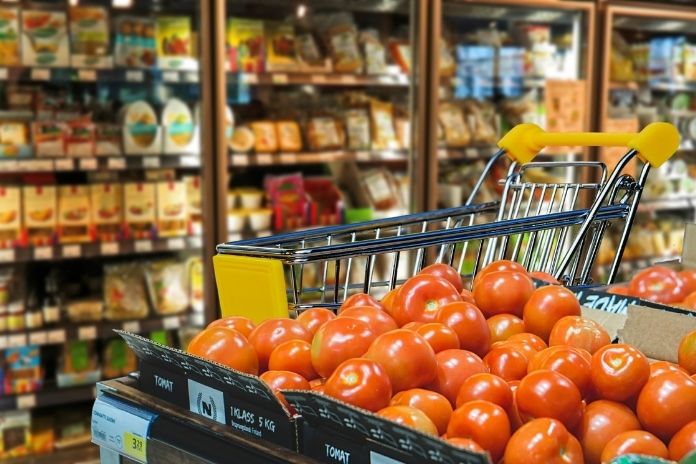
Fruits and Vegetables
Fruits and vegetables should form the foundation of your heart-healthy food purchases. They are rich in antioxidants, vitamins, and fiber, which support cardiovascular health. Leafy greens are among the finest options for heart health since they are rich in vitamin K, magnesium, potassium, folates, antioxidants, and fiber.
Eating leafy greens daily can help lower blood pressure and boost blood flow, which can help minimize the risk of heart disease, according to studies. Broccoli, spinach, collard greens, kale, Swiss chard, Brussels sprouts, arugula, and all kinds of lettuce are excellent options.
In general, there are more positive things on board when the color is darker. However, mix it up, as different greens offer distinct health benefits.
Whole Grains
The three components of whole grains, germ, endosperm, and bran, make them incredibly heart-healthy. We suggest whole wheat, brown rice, oats, rye, barley, buckwheat, and quinoa if you’re searching for the best whole grains to purchase.
You can lower your risk of heart disease, lower your blood pressure, and lower your cholesterol by including these whole grains in your diet.
Lean Protein Sources
Protein is necessary, but it’s important to choose the appropriate kind. Lean protein sources like fish, skinless poultry, legumes, and tofu are ideal additions to your cholesterol-lowering foods shopping list.
Omega-3 fatty acids found in fish such as salmon can lower blood pressure, prevent the accumulation of plaque in arteries, lower triglycerides, and reduce the risk of heart arrhythmia. When choosing meat, go for lean cuts and steer clear of processed meat like bacon and sausages, which are high in sodium intake and unhealthy fats.
Heart-Healthy Fats
Not all fats are harmful. In fact, incorporating healthy fats for heart health is essential. Unsaturated fat found in foods such as avocados, almonds, and seeds helps control cholesterol. Cooking oils are also important. Butter and hydrogenated oils should be avoided due to their high levels of trans and saturated fat, while olive and canola oils are great options.
Because fats are high in calories, portion control is crucial. Moderate consumption is recommended even for good fats.
Low-Fat or Unsweetened Dairy Alternatives
A heart-healthy grocery list may include dairy products, but it’s crucial to select unsweetened or low-fat varieties. Consume low-fat milk, yogurt, and plant-based alternatives like soy or almond milk to reduce saturated fat intake. But be sure to check labels carefully, because many flavored selections contain extra sugars.
Read More: 12 Heart-Healthy Foods to Include in Your Diet
Foods to Limit or Avoid for Better Heart Health
Certain foods, such as those high in sodium (salt), saturated fat, added sugars, and alcohol, should be avoided to safeguard heart health, just as some foods can improve your heart health and reduce your risk of heart disease. Poor food quality increases the risk of cardiovascular disease.
For optimal heart health, the American Heart Association advises avoiding these foods:
- Dairy items with a lot of fat
- Meats are high in fat
- Processed meats
- Tropical oils and fats with minor hydrogenation
- Processed foods
- Foods and drinks that have extra sugar
- Foods that are high in salt
- Alcohol
How to Read Food Labels for Heart Health

Understanding the food labels is a key skill in any heart-healthy diet shopping guide:
Serving Information: The number of servings in the box (servings per container) and the serving size should be the first things you look at when examining the Nutrition Facts label. Serving sizes are given in common units, like cups or pieces, followed by the metric amount, such as grams (g), to facilitate comparisons of similar items.
Calories: Calories measure the amount of energy you get from a serving of this meal. The example shows that one serving of lasagna has 280 calories. What if you consumed the whole thing? You would then eat 1,120 calories, or 4 portions.
Nutrients: Refer to the sample label’s section 3. It displays some important nutrients that affect your well-being. Look for foods that have more of the nutrients you want to obtain more of and fewer of the nutrients you might want to limit. You can utilize the label to support your own dietary goals.
The Percent Daily Value (%DV): The percentage of the daily value for each nutrient in a serving of food is known as the Percent Daily Value (%DV). The Daily Values are recommended daily intakes of nutrients (measured in grams, milligrams, or micrograms).
Sodium: Check your sodium levels first. “Low-sodium” products are perfect for your low-sodium grocery list because they usually contain 140 mg or less per serving.
Aisle-by-Aisle Heart-Healthy Shopping Strategy
When selecting heart-healthy foods in each section of the grocery store, adhere to these guidelines:
Produce: This is where you should spend the most time. Put a variety of colored fruits and veggies in your cart to “eat the rainbow.”
Meat: Limit your intake to leaner red meat cuts such as round, flank, and loin. Look for at least 93% lean when purchasing ground beef, turkey, or chicken. Limit red meat to once per week and eat seafood at least twice a week.
Pantry Essentials: Whole grains, beans, and lentils are heart-healthy pantry essentials. These products are inexpensive, adaptable, and necessary for a healthy diet.
Dairy: To cut back on saturated fat consumption, use fat-free, skim, or 1% milk. Purchase low-fat, unsweetened yogurt; if you want extra protein, go for Greek yogurt. Look for cheese labeled “light” or “reduced fat.”
Deli: The deli sector is subject to the same rules as the meat department. Look for deli meats with less salt if you’re on a low-sodium diet.
Read More: Diets That Add Years to Your Life — and Keep You Healthy
Budget-Friendly Tips for Heart-Healthy Shopping

Healthy eating doesn’t have to be costly. You may create a budget-friendly, heart-healthy grocery list with the right techniques. Using frozen vegetables, selecting store brands, and purchasing in bulk can all help cut expenses.
Planning meals ahead of time also minimizes waste and ensures you stick to the heart-healthy foods you buy. These tactics make it easier to maintain a steady, long-term approach to heart health.
Common Grocery Shopping Mistakes That Affect Heart Health
Many people make decisions that harm their heart health without realizing it.
Relying on “low-fat” but high-sugar items is a common error. Despite their seeming health benefits, these products may be detrimental to your cardiovascular and metabolic health.
Another problem is ignoring the salt content. Even foods marketed as healthy can contain high levels of sodium, making it essential to follow grocery shopping tips for high cholesterol.
Sample Heart-Healthy Grocery List
A comprehensive, heart-healthy grocery list has to consist of:
- Fresh fruits, including oranges, apples, and berries
- Vegetables, including carrots, broccoli, and spinach
- Whole grains, such as brown rice, quinoa, and oats
- Lean proteins like fish, poultry, and lentils
- Good sources of fat include nuts, seeds, and olive oil
- Pantry essentials and low-sodium canned items
When to Adjust Your Grocery Choices
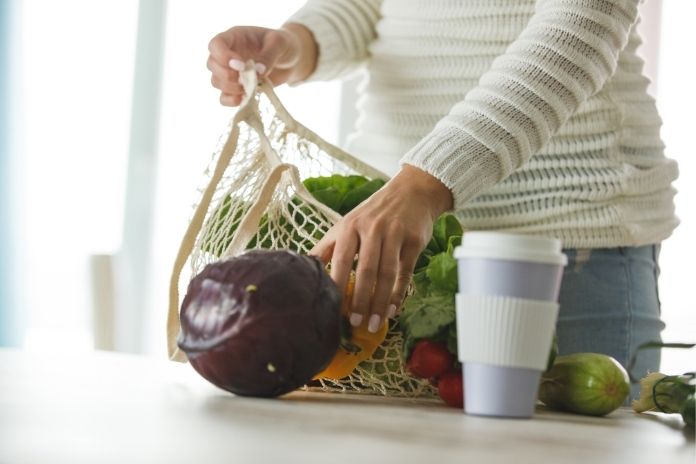
Your health issues may require you to make different grocery choices. For individuals with high cholesterol, focusing on a shopping list of cholesterol-lowering foods is essential. It includes increasing fiber intake and reducing saturated fat.
A low-sodium grocery list should be a top priority for those with high blood pressure to manage their condition effectively. People with diabetes should limit carbohydrate intake and avoid sugary foods in favor of nutrient-dense options.
Read More: Fatty Fish and Heart Protection: Can Omega-3s Help Reduce the Hidden Heart Stress of Sleep Apnea?
Conclusion
Making more informed grocery shopping decisions is a significant step toward safeguarding your heart and overall health. You may promote improved cholesterol levels, maintain healthy blood pressure, and lower long-term cardiovascular risks by focusing on whole, minimally processed foods and creating a balanced, heart-healthy grocery list.
Over time, small, regular adjustments, such as choosing foods high in fiber, lean proteins, and healthy fats, can have a big impact. Limiting harmful fats, added sugars, and excess sodium also promotes long-term healthy habits and helps prevent issues.
References
- Beebe Healthcare. Heart-healthy grocery shopping.
- U.S. Department of Veterans Affairs. Heart healthy grocery shopping.
- Mass General Brigham. (2024, August 26). Make a heart-healthy grocery list.
- My Cardiologist. Heart healthy shopping: A grocery guide.
- Hy-Vee. 7 foods that are good for your heart.
- Jenette Restivo. (November 9, 2023). Heart-healthy foods: What to eat and what to avoid.
- U.S. Food and Drug Administration. How to understand and use the nutrition facts label.
- Benjamin Nelson, MS, RD, LDN, CPT. (October 7, 2025). Five Tips for Understanding Food Labels and Macronutrients.
In this Article