
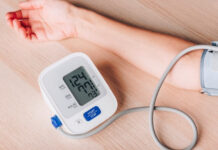


















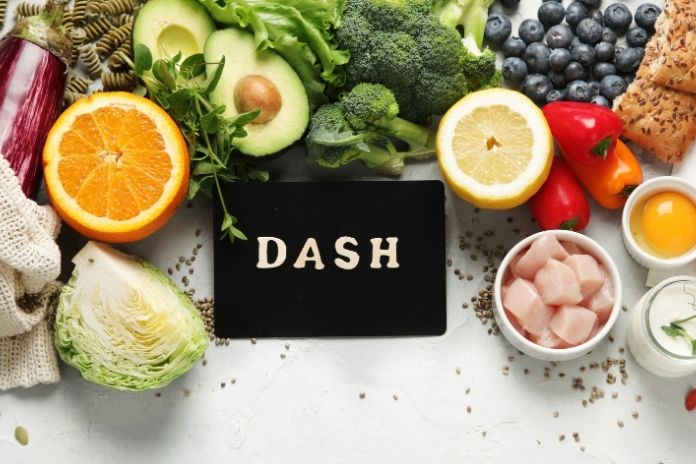
Nutrition largely determines one of the most prevalent health issues worldwide: high blood pressure. The DASH diet explained in this guide is an evidence-based approach specifically designed to support heart health and reduce hypertension naturally.
The Dietary Approaches to Stop Hypertension (DASH) is sustainable rather than restrictive, emphasizing nutrient-dense foods, balanced portions, and a low-sodium diet.
In this article, we will cover the DASH diet plan, its key principles, a complete DASH diet food list, sodium limits, a DASH diet meal plan, and how it compares with other diets like the Mediterranean diet.
- The DASH diet focuses on fruits, vegetables, whole grains, and lean proteins to naturally lower blood pressure.
- It limits sodium (1,500–2,300 mg/day), added sugars, and saturated fats for better heart health.
- Consistent use can improve cholesterol, blood sugar, and overall cardiovascular wellness.
Read More: Understanding the DASH Diet: A Tool for Managing Hypertension
What Is the DASH Diet and How Does It Work
The DASH diet, or Dietary Approaches to Stop Hypertension, was developed in the 1990s as a healthy eating strategy to help manage blood pressure.
It is a balanced, heart-healthy diet that includes all food groups. It doesn’t necessarily include calorie restriction and doesn’t exclude any specific food type.
The DASH diet is high in fruit, vegetables, whole grains, and also lean protein and low in salt.
Eating wholesome foods is made easier with the DASH diet. It is more than simply a conventional low-salt diet. Foods rich in calcium, potassium, magnesium, and fiber are highlighted in the DASH diet because they work together to lower blood pressure.
Following the DASH diet means consuming a lot of:
- Non-starchy fruits and veggies
And consume modest amounts of:
- Low-fat or fat-free dairy products
- Whole grains
- Lean meats, poultry, lentils, beans, soy products, eggs, and egg alternatives
- Fish
- Seeds and nuts
- Fats that are good for the heart, like avocados, canola, and olive oils
You ought to limit the following:
- Sweets and drinks with added sugar
- Saturated fat-rich foods include most packaged snacks, tropical oils, full-fat dairy, and fatty meals
- Consumption of alcohol
Key Principles of the DASH Eating Plan
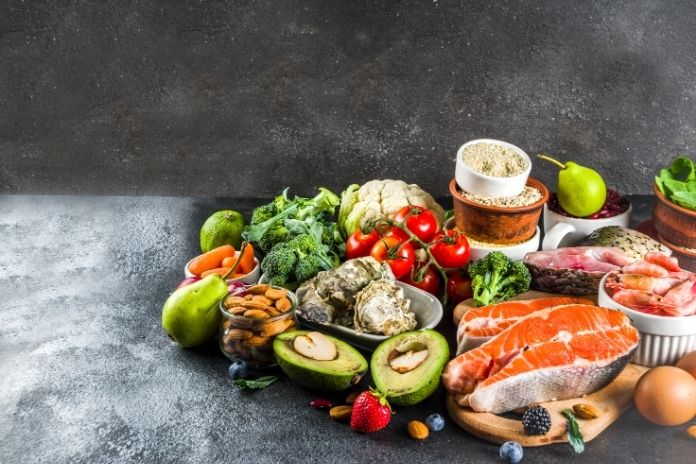
The DASH diet encourages the consumption of vegetables, fruits, and whole grains, including:
- Daily consumption of fruits and vegetables should amount to eight to ten servings, which exceeds the usual dietary recommendations
- Dairy products with no fat or reduced-fat content
- Poultry and fish
- Nuts and beans
- Vegetable oils
It does involve limitations on specific foods, such as:
- Food high in saturated fat, like fatty meats
- Full-fat dairy products
- Tropical oils like coconut, palm kernel, and palm oils
- Sugar-sweetened beverages and sweets
The DASH diet represents
- Some saturated (unhealthy) fats
- Rich in various kinds of vitamins and minerals, including potassium, calcium, and magnesium
- Rich in fiber
- Managed in terms of sodium (objective: to consume less than 2,300 mg of sodium daily)
Read More: The Carnivore Diet: Examining the All-Meat Eating Trend
DASH Diet Food List: What to Eat More Often
Nutrient-rich foods that promote cardiovascular health are given priority in a well-organized DASH diet food list.
1. Vegetables and Fruits
The DASH diet food approach is based on fruits and vegetables. They supply potassium, fiber, and antioxidants. For instance:
- Berries, oranges, and apples
- Carrots, broccoli, and spinach
These are key foods to lower blood pressure naturally.
2. Whole Grains
When it comes to hypertension nutrition, whole grains are essential. For instance:
- Brown rice
- Oats
- Bulgur wheat
They aid in blood pressure regulation and aid in digestion.
3. Fat-Free or Low-Fat Dairy
- Cheese, yogurt, and milk offer protein and calcium without having too much saturated fat.
4. Legumes, Nuts, and Seeds
These are great sources of healthy fats and plant protein:
- Almonds
- Lentils
- Chickpeas
5. Fish, Poultry, and Lean Meats
- Chicken without skin
- Fish such as salmon
- Lean meats
6. Heart-Healthy Oils
- Use oils like olive oil in moderation to maintain a balanced dietary pattern.
Foods to Limit on the DASH Diet
To optimize its nutritional benefits, the DASH diet plan suggests restricting certain food categories. These are the primary three to avoid.
Foods High in Salt
Reducing salt intake is the main objective of the DASH diet. You should avoid foods high in salt, including:
- Ultra-processed foods include a variety of packaged items, such as popcorn, pretzels, and chips
- Cold cuts, bacon, and sausage are examples of highly processed meats
- Pizza, burgers, and burritos are examples of quick and convenient foods
- Condiments like barbecue sauce and ketchup
- Canned foods have a lot of extra ingredients, including salt
Saturated Fat-Rich Foods
At room temperature, saturated fat is usually solid. Meat and other animal products, such as full-fat dairy products, naturally contain it.
- Butter
- Milk
- Cheese
Sugar-Filled Drinks
Drinks with a lot of sugar include:
- Juices and beverages with fruit flavors
- Sodas
- Energy or sports drinks
- Yogurt with flavors
Candy, cookies, and pastries are examples of highly processed meals that are high in sugar.
Read More: 7-Day Apple Diet Plan And How It Helps in Weight Loss
Recommended Daily Servings on the DASH Diet
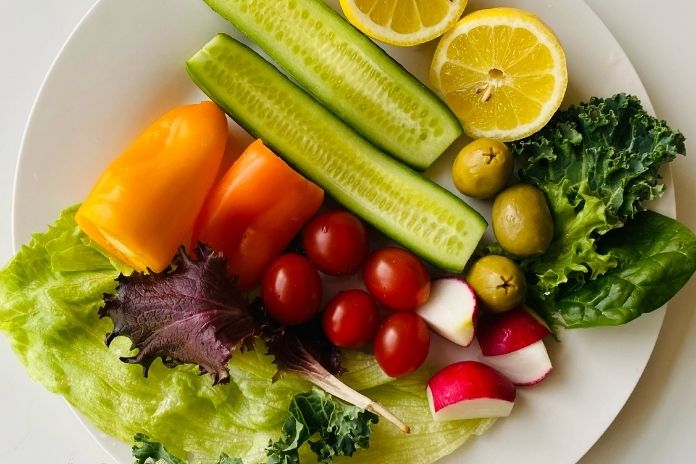
Specific serving suggestions are part of the DASH diet meal plan.
Standard DASH Plan:
- Grains:6–8 servings per day
- Vegetables:4–5 servings per day
- Fruits:4–5 servings per day
- Dairy:2–3 servings per day
- Protein:3-4 one-ounce servings or fewer per day
- Nuts, Seeds, and Legumes:3-4 servings per week
- Fats and Oils:2-3 servings per day
- Sweets and Added Sugars:3 or fewer servings per week
How Much Sodium Does the DASH Diet Allow
The typical DASH diet limits daily salt intake to 2,300 mg. The Dietary Guidelines for Americans are in accordance with that amount. That is roughly equivalent to the sodium content of 1 teaspoon of table salt.
A DASH version limits sodium intake to 1,500 mg daily. You can select the diet that best suits your health requirement. Consult your doctor if you are unsure of your ideal salt intake.
Sample One-Day DASH Diet Meal Plan
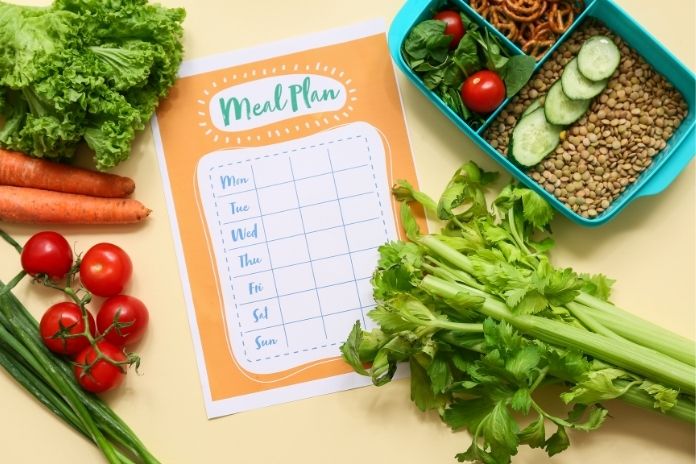
For those who are new to the DASH diet meal plan, here is a basic one.
Breakfast: Oatmeal with berries and low-fat milk for breakfast
Lunch: It is a salad of grilled chicken dressed with olive oil
Dinner: It includes baked salmon, brown rice, and steamed vegetables
Snacks: Fruit and unsalted nuts
Beverages: Herbal tea and water
This plan incorporates many foods to lower blood pressure and is based on the DASH diet.
Benefits Beyond Blood Pressure
The DASH diet can reduce blood pressure, blood glucose, triglycerides, cholesterol, and insulin resistance. Additionally, the DASH diet has been linked to a decreased incidence of colorectal cancer, primarily in the white population. Additionally, numerous studies have shown that it reduces all-cause mortality in adults.
The health benefits of the DASH diet were examined in four NHLBI-funded studies that either compared various DASH diet modifications or compared the DASH diet with the normal American diet. The PREMIER clinical trial, another NHLBI-funded study, assessed the health advantage of increasing physical activity and adhering to the DASH diet.
The NHLBI’s DASH eating plan recommendations, which include adhering to a DASH diet with reduced sodium intake, were shaped by findings from these trials, which showed that the DASH diet lowers blood pressure and LDL cholesterol.
Read More: Eat Smart, Stay Healthy: How Physicians Now Prescribe Food
Who May Benefit Most From the DASH Diet
Many groups benefit from the DASH diet for hypertension.
- Those who have elevated blood pressure
- People who have prehypertension
- Those who have a family history of heart disease
- Anyone seeking a heart-healthy diet
Tips for Starting the DASH Diet Gradually
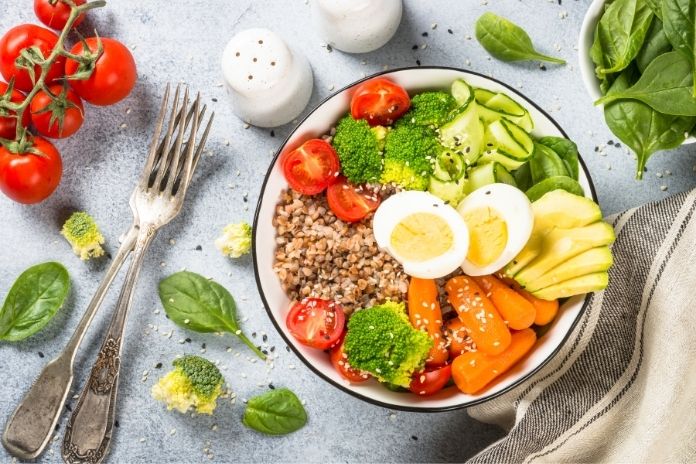
The DASH Diet is an excellent resource for nutritional recommendations if you want to start a healthy lifestyle and diet but are unsure where to begin. Here are some pointers to get you going:
- Make little adjustments to your eating habits to ease into the diet. Consider including one or two servings of veggies each day, one at dinner and one at lunch.
- Choose low-fat and fat-free foods. To cut back on calories, cholesterol, and saturated fat, drink skimmed or 1 percent milk. Additionally, study the Nutrition Facts label to ensure that the items you choose have the least amount of trans fat and saturated fat.
- Limit your daily intake of lean meats to six ounces. Consider meat as a component of a meal rather than the focal point. A meal should include three ounces of meat, or roughly the size of a deck of cards.
- Do you like to eat dessert and snacks? Consume foods that are low in calories, cholesterol, fat, salt, and sugar, such as fruits. Fruits, whether canned, dried, or fresh, are a nutritious substitute for chocolate cake and candy bars. Make sure the fruit you purchase in a can is either packed in water or canned in its own juice.
Try taking lactase enzyme pills (available at pharmacies and grocery stores) with dairy products if you have problems digesting them. Additionally, lactose-free milk with the lactase enzyme already added is available.
Common Challenges and How to Overcome Them
Adapting to Less Salt: Over time, taste buds change. Instead, use herbs and spices.
When Dining Out: Ask for dressings on the side or low-sodium alternatives.
Budget Concerns: To save money, purchase bulk grains and seasonal produce.
Maintaining Consistency: Meal planning helps sustain the DASH diet in the long run.
When to Talk to a Healthcare Professional
While the DASH diet for hypertension is generally safe, some individuals need guidance.
Consult a doctor if you have:
- Kidney disease
- Existing medical conditions
- Need medication adjustments
Read More: Why Your Favorite Tomato Soup Might Be Raising Your Blood Pressure
Conclusion
The DASH diet for blood pressure provides a useful, scientifically supported method for promoting heart health through regular dietary choices. It encourages consistent, long-lasting improvements in blood pressure by emphasizing whole, nutrient-rich foods and maintaining a balanced sodium intake.
In contrast to restrictive diets, this strategy usually promotes long-term stability, making it easier to follow every day. Increasing your intake of fruit, vegetables, whole grains, and lean meats can gradually improve your eating habits and overall health.
References
- MedlinePlus. Understanding the DASH diet.
- Pennington Biomedical Research Center. DASH diet: What you need to know.
- Brown University Health. (2022, November 14). What is the DASH diet?
- National Heart, Lung, and Blood Institute. (2026, February 25). DASH eating plan.
- Mayo Clinic Staff. DASH eating plan: Healthy eating to lower your blood pressure.
- Mayo Clinic. (May 25, 2023). DASH diet: Guide to recommended servings
- My Cardiologist. DASH diet shopping list.
- Denon Stacy, MS, RD, CSP, LD. (July 31, 2018). Tips to Tackling the DASH Diet.
- OneMed Clinic. (2026). How to Start and What to Eat, limit and avoid on the DASH Diet.
- Sheena P. Patel, MS, RDN. (January 3, 2025). What Is the DASH Diet? A Beginner’s Guide.
- University of Florida Health. (2024, October 25). DASH diet to lower high blood pressure.
- Justin Lovvorn, MD. (September 18, 2019). Six Tips to Get You Started on the DASH Diet.
In this Article