
















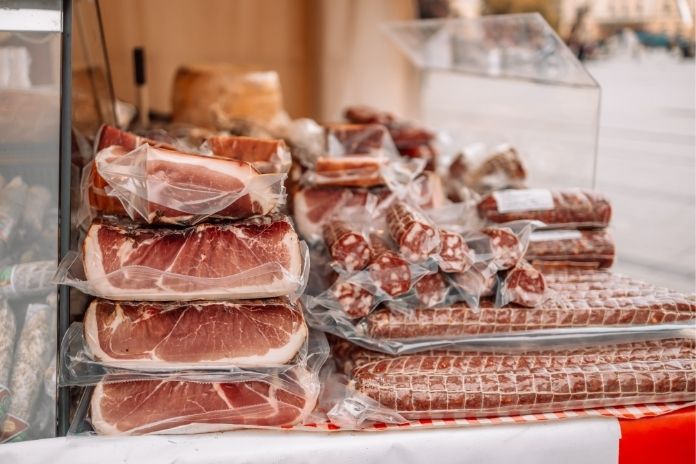
Deli meat looks harmless. Clean slices, sealed pack, proper label, feels safe. But actually, it is one of the fastest spoiling foods in a normal refrigerator. High moisture, high protein, already sliced, and already handled many times before reaching the shelf.
When people ask how to tell if deli meat is spoiled, the answer goes beyond just the date on the package. Your senses matter—changes in texture, smell, and color, as well as signs like a swollen or damaged package, can all indicate spoilage.
Below are four clear signs that deli meat may be spoiled, things you can check even before buying. Each one has a real biological basis, not just guesswork. But there’s also one important risk that none of these signs can reveal.
This article will walk you through how to recognize when deli meat has gone bad and what those hidden risks mean for your safety.
- If deli meat feels slimy (bacterial biofilm), has a sour/off smell, has grey/green discoloration, and has puffed packaging, all indicate active bacterial breakdown and unsafe meat. Don’t buy or eat it.
- But even fresh-looking meat can carry hidden disease-causing microbes like Listeria; however, not all changes mean spoilage (e.g., rainbow sheen is harmless).
- Storage and handling matter a lot here. Keep deli meat refrigerated properly, use it within 3–5 days after opening, avoid room-temperature exposure, and heat it thoroughly before use.
Sign 1: Slimy or Tacky Texture Of Deli Meat
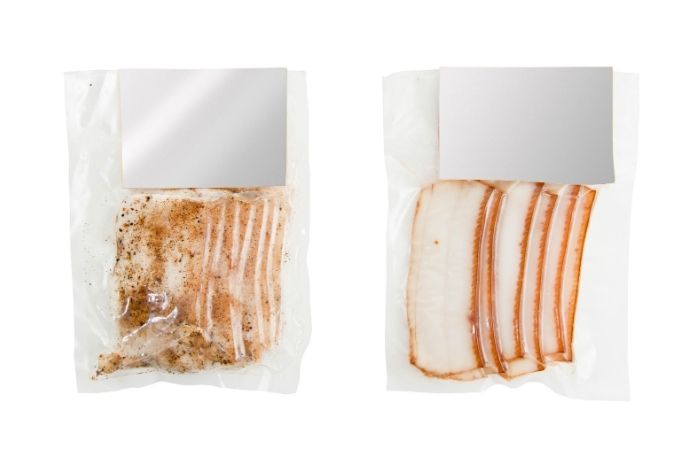
Fresh deli meat is slightly moist, but it still feels like meat. When you touch, it should not feel sticky like glue or coated like a soap layer. If it feels slick, slippery, or stretchy, that is not moisture; that is bacteria.
What is actually happening here? Let’s understand it better. Certain bacteria, like Lactobacillus and Pseudomonas, start forming a protective layer on the meat surface. This layer is not random dirt; it is a structured bacterial exopolysaccharide (EPS) film made of sugars and proteins (called the “Biofilm”). Once this film is visible, bacteria are already settled deep inside, not only on top.
Important point people miss: You cannot “wash it off.” Many people rinse slices and think the problem is gone. But slime is just the visible part; inside, contamination has already spread.
At the store: It is important to know about packaged deli meat expiration that if slices look stuck together in a jelly-like clump or slide as one mass when you tilt the pack, avoid it.
At home: Even if it’s within the expiry date, the presence of slime after opening a deli meat pack means it’s not safe to eat. This is one of the most reliable signs of spoilage.
Sign 2: Off or Sour Smell of Deli Meat

Smell is the fastest warning sign, but people ignore it because sometimes the change in the appearance of the meat is still minimal. If you wonder, “Is my lunch meat still good?” then you should know that fresh deli meat smells mild, salty, and maybe slightly savory. It should never have a strong smell. If you observe any of the following smells:
- Sour or tangy
- Vinegar-like
- Ammonia-like
- Rotten egg–like
it usually means bacteria are actively breaking down the meat.
Where does this smell come from? Bacteria digest proteins and fats. While doing this, they release waste chemicals, sulfur compounds (bad egg smell), acids (sour smell), and ammonia (sharp smell). These aren’t minor changes; even a slight difference from the original smell suggests that spoilage has begun.
One mistake many people make: tasting a small piece of meat “to check” is risky. The smell alone is a sufficient indicator.
At the store: You may not be able to smell the meat directly unless the seal is broken. But if the packaging looks loose or damaged, assume that air has entered the pack, and there is a higher risk of the meat getting spoiled.
At home: Always smell the meat before making a sandwich. If it smells even slightly different from day one, trust that change. The human nose isn’t perfect, but in this case, it’s reliable enough.
Sign 3: Discoloration of Deli Meat
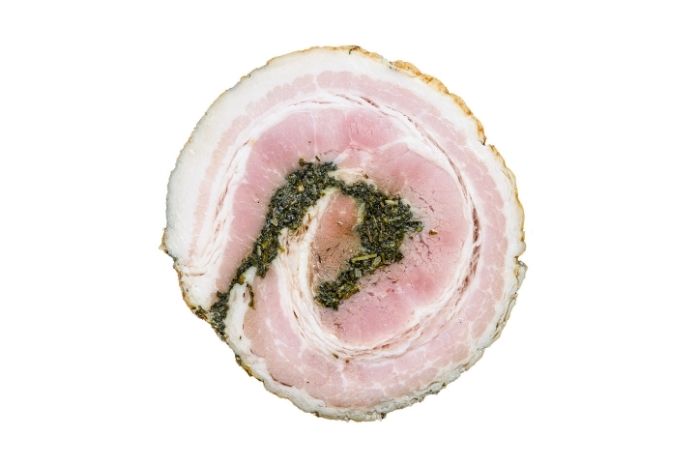
Color changes in meat can be confusing. Some are completely normal, while others are warning signs. Mixing the two can lead people to either waste good food or take unnecessary risks. Fresh deli meat colors are predictable:
- Turkey: pale pink or off-white
- Ham: pink
- Roast beef: reddish-brown
- Salami/bologna: deeper pink-red
1. When colour means spoilage
If you see:
- Grey patches
- Dull brown areas
- Green or greenish-black tint
This is not normal aging; it’s bacterial activity. One clear example is a green discoloration. Certain bacteria produce hydrogen sulfide gas during spoilage, which reacts with the meat pigment (myoglobin) to form a green compound. This isn’t just a surface stain; it reflects a deeper chemical change within the meat.
Also watch for cloudy or whitish patches in liquid areas, often linked with protein breakdown. These changes usually start at the edges or where slices are exposed more.
2. What’s a spoilage sign vs what’s not: The iridescence distinction
Here is where many articles are wrong. If you see a rainbow-like shine or metallic color on the meat slices, especially in ham or roast beef, it looks suspicious. But in most cases, it is completely harmless.
Reason: Light hits the muscle fibers and reflects at different angles. This creates that rainbow effect (same as CD surface shine). It is a physical effect, not bacterial growth. So remember the lesson clearly:
- When there is an iridescent shine only → It is NOT spoilage
- When Iridescent has a smell/slime, then it is an issue
Throwing away meat just because of a rainbow sheen is unnecessary waste.
Sign 4: Bloated or Puffed-Up Packaging of Deli Meat
This is the easiest sign to check, even without touching the meat. If the sealed packet looks swollen, like air is trapped inside, do not buy it. This condition is called “blown pack” deli meat gas.
What is happening inside: Bacteria are feeding on sugars and nutrients in meat and producing gases like carbon dioxide. Since the package is sealed, gas cannot escape, so it inflates. This is not a minor issue. It means bacteria have multiplied significantly.
Even if the expiry date is far off and the meat looks normal from the outside, it’s best to avoid it in these cases. Also, check the liquid inside the pack:
- Clear or slightly pink liquid → generally normal
- Thick, cloudy, or milky liquid → a sign of spoilage
If you notice both puffing of the package and cloudy liquid, it strongly indicates active bacterial growth.
Read More: Why Going Gluten-Free Can Make You Feel Worse (and How to Rebalance Your Energy)
Other Signs That Deli Meat Has Gone Bad (Beyond the Four Above)

Now, the important part, which most people never hear. All four deli meat spoilage signs above, slime, smell, color, and gas, are caused by spoilage bacteria. These microbes make the food unpleasant, prompting you to reject it. But there’s another category to be aware of: pathogens.
These are dangerous because they do not always show signs. One of the biggest concerns in deli meat is Listeria monocytogenes. As Dr. Cynthia Odogwu, a family medicine doctor, says, “Listeria can continue to grow even when refrigerated.”
This bacterium behaves differently:
- It can grow inside a refrigerator at a temperature
- It does not create a smell
- It does not create slime
- It does not change color
- It does not produce gas
So meat can look completely fresh and still contain it. There was a major outbreak recently linked to deli meats, with hospitalizations and deaths. This is not a rare case; every year, cases happen.
So what does this mean in practical terms: If you are a healthy adult, these four signs are usually enough to avoid spoiled meat. But if someone is pregnant, above 65 years of age, or has a weak immune system, then these signs are not enough for the safety of deli meat. For such people, guidance is simple but strict:
- Avoid deli meat or
- Heat it properly until steaming hot before eating
Because a visual check cannot detect this risk.
Read More: How Bad Is Imitation Crab Meat for You? Nutrition, Ingredients, and Health Risks Explained
How to Store Deli Meat to Avoid Signs Of Spoilage
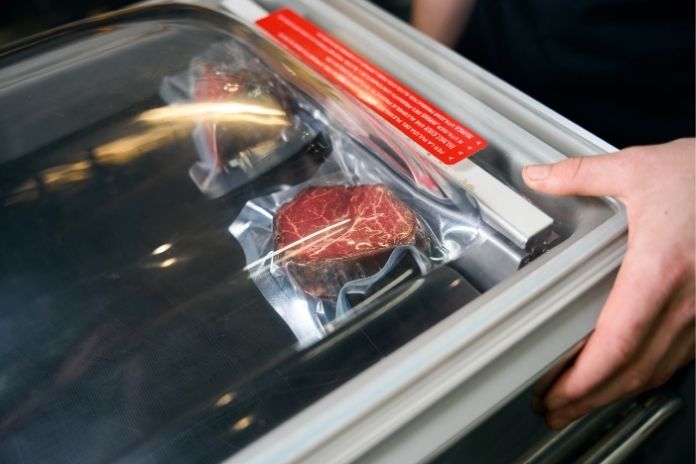
Prevention is easier than checking for signs every time. Small storage habits can make a significant difference.
1. Temperature placement
Keep deli meat at the back of the refrigerator, not in the door. The temperature in the door fluctuates every time the fridge is opened, and bacteria thrive on those changes.
After you’ve purchased any type of sliced lunch meat, be sure to refrigerate it immediately once you get home. If the deli meat is left out for a few hours “at a temperature that favors bacterial growth,” there will be risks to consuming it, Dr. Stephanie Seveau, a professor of microbial infection and immunity, says.
2. Time limit of use after opening the package
Use within 3–5 days. Many people think, “the expiry date is still there, so the meat is okay,” but that date is for an unopened pack.
3. Freezing for longer use
If you can’t finish it within five days, freeze it. Wrap it tightly to minimize air exposure—this helps preserve quality, which can stay acceptable for about 1–2 months.
4. Mitigating air exposure
After opening the meat, keep it in an airtight box or tightly sealed wrap. Less oxygen means slower bacterial growth.
5. Room temperature rule
Do not leave deli meat outside for more than 2 hours. If the weather is hot, then an hour is enough to start bacterial growth.
These are simple points, but they reduce spoilage chances a lot.
Read More: Sudden Vomiting After Eating? How to Tell Food Poisoning From Viral Gastroenteritis
Final Thoughts on How To Tell if Deli Meat is Spoiled
These four signs, slime, smell, discoloration, and bloated packaging, are not random observations. Each one reflects real biological change inside the meat. Once visible, damage is already done.
But at the same time, remember their limitation. They tell you about spoilage, not always about safety. For some people, especially high-risk groups, extra caution is required.
Deli meat is convenient food, but it demands attention. Small neglect, fast spoilage.
- Slime is not surface dirt; it is bacterial biofilm, meaning contamination has already started inside and it cannot be removed by washing.
- Smell change happens because bacteria release chemical waste, and even a slight difference from the original smell is meaningful.
- Not all visual changes are undesirable; a rainbow sheen is a physical light effect, not spoilage.
- The packaging shape itself is a diagnostic tool; a puffed pack means internal gas production by bacteria.
- Biggest gap: Deli meat spoilage signs cannot detect dangerous pathogens (disease-causing microbes) like Listeria, which grows even in refrigeration conditions.
References
- Calhoun, C., Geornaras, I., & Zhang, P. (2025). Pseudomonas in Meat Processing Environments. Foods, 14(9), 1615.
- Kalchayanand, N., Koohmaraie, M., & Wheeler, T. L. (2025). Recovered Bacteria Associated with Gas Accumulation in Vacuum-Packaged Fresh Kosher Ground Beef Stored at Refrigeration Temperature. Journal of Food Protection, 88(5), 100493.
- Kang, J., Kim, B. H., & Yoon, Y. (2026). Meat spoilage by bacteria: Influencing factors, volatile compounds, and organoleptic alterations. Food Science of Animal Resources, 46(1).
In this Article