




















Herbal parasite washes are frequently advertised as a “natural” remedy for intestinal infections, promising to cleanse the body and eliminate harmful organisms. However, these statements can be very deceptive and even dangerous when it comes to illnesses such as giardiasis and pinworm infestations.
In this article, we’ll explore the truth behind natural parasite cleanse vs medication, explain why herbal parasite cleanse effectiveness is limited, and break down the best treatment for Giardia infection and pinworm treatment prescription options. We’ll also discuss antiparasitic medications, how they work, and why accurate diagnosis through stool testing for parasites is essential.
- Herbal parasite cleanses lack clinical evidence for Giardia and pinworms.
- Accurate stool or tape testing is essential before treatment.
- Prescription antiparasitic medications are the most effective and prevent complications overall.
Read More: Parasite Cleanse Diet: Foods To Eat And Avoid
What Are Giardia and Pinworms?
Giardia: A Microscopic Protozoan Infection
Giardiasis, another name for Giardia infection, is brought on by a small parasite. It affects the small intestine, a portion of the digestive tract. Bloating, upset stomach, loose stools, and stomach cramping are among the symptoms. Giardia-causing parasites are found worldwide, primarily in areas with inadequate sanitation and unclean water.
One of the most prevalent waterborne illnesses in the US is Giardiasis, also known as Giardia infection. Streams, lakes, public water supplies, swimming pools, whirlpool spas, and wells are all potential habitats for the parasites. Food, water, and interpersonal contact can transmit Giardia infections.
Typical signs and symptoms include:
- Loose feces that occasionally smell foul and are frequently watery. Stools can occasionally be oily and soft.
- Fatique
- Bloating and cramping in the stomach
- Gas
- Upset stomach
- Weight reduction
Pinworms: A Common Intestinal Worm
Pinworms are microscopic worms that can infect the intestines. Millions of people contract pinworm infections every year, particularly school-age children. Try not to panic if your youngster contracts a pinworm infection. Pinworms only cause itching and disturb sleep, and you can remove them quickly without harm.
Typical signs and symptoms include:
- Anus-related itching, particularly at night
- Difficulty falling asleep
- If pinworms spread to the vagina, girls may experience vaginal discharge
- Anal skin that is red, sore, and infected (which can result from scratching)
- Little white worms (as big as a staple, like a piece of thread)
Why Accurate Diagnosis Matters Before Treatment

Numerous signs of parasite infections are similar to those of other digestive problems, such as:
- IBS stands for irritable bowel syndrome.
- Food intolerance
- Viral infections
- Due to this overlap, people frequently attempt over-the-counter parasite treatment or herbal cures without first determining the underlying reason.
A precise diagnosis depends on:
- Doctors can detect Giardia through stool testing for parasites.
- To detect pinworms, place the sticky side of a piece of clear tape on the skin surrounding your child’s anus at night or when they first wake up. Pinworm eggs will adhere to the tape.
You risk employing inefficient treatments, such as herbal remedies, which often don’t work against established infections if you don’t perform the necessary tests.
Read More: Sudden Vomiting After Eating? How to Tell Food Poisoning From Viral Gastroenteritis
Why Herbal Parasite Cleanses Are Often Ineffective
If you’ve recently spent time on social media, you may have come across posts that promote over-the-counter or herbal parasite cleanses and warn about “hidden” parasites. It’s crucial to distinguish fact from fiction, particularly when it comes to your family’s health, even if these messages are attention-grabbing and a little frightening.
“A parasitic infection can be a serious medical condition,” says Susan Ratay, DO, family medicine specialist at University Hospitals. She adds, “As with any health disorder, self-diagnosis and treatment are not advisable. If you have symptoms of a parasite infection, you should always be evaluated by a medical professional so the appropriate treatment can be prescribed.”
A nutritional supplement containing natural herbs and oils, according to the producers, offers anti-parasitic properties and is typically used in parasite cleanses or detoxes. A suggested diet plan that emphasizes eating natural, whole foods and avoiding greasy, highly processed foods is frequently combined with supplements.
There is no proof that any particular food plan would help the body get rid of parasites, even if eating a healthy diet will probably improve your health. Additionally, the supplements may contain substances that can interact with other prescriptions and cause more harm than good, as the FDA has not reviewed or approved them for their intended use.
There isn’t much proof that most individuals need or benefit from herbal parasite cleanses. When done improperly or in minors, these cleanses may potentially result in GI distress, electrolyte imbalance, or irritation of the intestinal lining.
How Prescription Antiparasitic Medications Work
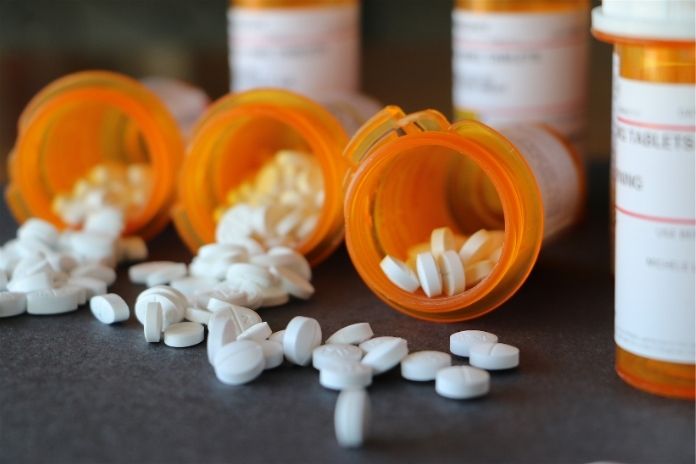
An essential part of medical treatments meant to fight parasitic illnesses is antiparasitic medications. These drugs specifically target and eradicate parasites that cause a variety of illnesses in humans and animals.
Antiparasitic medications work by disrupting parasites’ essential structures or functions, leading to their removal from the host. The particular methods of action differ according to the medication class and the type of parasite.
Typical mechanisms include the following:
Enzyme Inhibition: Some antiparasitic medications interfere with vital enzymes that parasites need to survive and procreate. For instance, antimalarial medications such as chloroquine prevent the parasite from degrading hemoglobin, ultimately leading to its demise.
Cellular Dysfunction: Antiparasitic medications may interfere with vital cellular processes, like protein synthesis and DNA replication, leading to metabolic disturbances and parasite death. Drugs such as metronidazole, used to treat protozoan infections, exhibit this function.
Targeting the Neurological System: Some antiparasitic medications interfere with a parasite’s ability to regulate its movement, feeding, or reproduction. For instance, ivermectin paralyzes and expels parasitic worms from their hosts by acting on their nerve systems.
Common Medications Used for Giardia
Unless they are likely to spread parasites, children and adults with Giardia infections without symptoms typically do not require treatment. Those who do experience symptoms frequently recover on their own within a few weeks.
The following medications can be used to treat Giardia infections when symptoms are severe or the infection persists:
Metronidazole: A common prescription is to take it three times a day for 5 days. An unsettled stomach and a metallic taste in the mouth are possible side effects. When using this medication, avoid drinking alcohol.
Tinidazole: Tinidazole shares many of the same adverse effects and functions similarly to metronidazole. However, you can take it all at once.
Nitazoxanide: Nitazoxanide may be easier for kids to swallow because it is a liquid. Possible side effects include upset stomach, flatulence, yellow eyes, and bright yellow urine.
The medications may be detrimental to the fetus if you have giardiasis while pregnant. Your doctor will advise you to postpone the therapy until after the first trimester or longer if your symptoms are minor. Discuss your option with a healthcare provider if you require treatment.
Read More: Fluffy Poop: What It Means About Your Gut Health
Common Medications Used for Pinworms
Anti-parasite medication is used to treat pinworm infections by killing the worms. Your healthcare provider may advise you and any other household members to take the medication.
You can buy pyrantel pamoate over the counter, and doctors recommend it for pregnant women and children under two.
For pinworms, the most popular prescription anti-parasite medications are:
- Mebendazole (Emverm)
- Albendazole
You take a second dose of the medication every two weeks, regardless of the prescription. It helps destroy any worms that developed from eggs that remained after the initial dosage.
During treatment, you can experience moderate digestive side effects. Make sure to wash all of your clothes and bedding after your treatment.
Why Herbal Tea Alone Is Unlikely to Eliminate Parasites

Compared to pharmaceutical dosages, herbal teas are ineffective because they contain low concentrations of active constituents. Despite the antiparasitic qualities of herbs:
- They might not be able to contact the parasite effectively.
- Digestive processes may diminish potency.
There is no strong clinical evidence showing that herbal teas can cure Giardia or pinworms. It highlights the limitations of herbal parasite cleanses.
Risks of Delaying Effective Treatment
Relying on natural parasite cleanses vs. medication instead of seeking proper care can lead to:
Prolonged Digestive Symptoms: Malabsorption and persistent diarrhea can result from untreated Giardia.
Dehydration: Prolonged diarrhea raises the risk of dehydration, particularly in young patients.
Spread to Household Members: Pinworms can easily spread without proper treatment.
Problems with Nutrient Absorption: Deficiencies may result from parasites’ interference with nutrient absorption.
Read More: This Parasitic Worm Can Turn Off Pain—What Scientists Are Learning About Its Surprising Power
When Natural Approaches May Still Play a Supportive Role
While they cannot replace giardia treatment medication or pinworm treatment prescriptions, natural methods can support recovery:
Hydration and Balanced Nutrition: A balanced diet and adequate hydration are crucial for recovering from illness and diarrhea.
Probiotics for Gut Recovery: Following treatment, they help restore beneficial gut flora.
Methods of Hygiene to Lower Reinfection:
- Washing your hands frequently
- Cleaning surfaces and bedding
When to Seek Medical Care

You should consult a healthcare professional if you encounter:
- Chronic diarrhea
- Anal itching at night
- Exposure to recent travel
- Symptoms in several family members
Read More: Toilet Infections: Types, Symptoms, Prevention, and Treatment
Conclusion
When comparing natural parasite cleanses vs. medication, the evidence clearly favors medically approved treatments. Herbal medicines cannot provide targeted therapy for infections such as pinworms and giardiasis. Natural methods do not eradicate established parasites or stop reinfection, even though they might promote general gut health.
Relying solely on unproven techniques risks problems or transmission to others and delays recovery. The best treatment for Giardia infection and pinworms involves accurate diagnosis followed by appropriate prescription medications.
References
- Mayo Clinic. (September 20, 2025). Giardia infection (giardiasis).
- CDC. (May 2, 2024). About Giardia Infection.
- Rady Children’s Hospital-San Diego. Pinworm infections.
- Simner, S. (2023). Significance and mechanism of action of antiparasitic drugs.
- Pena, F. Antiparasitic medications explained: A practical guide to the most common treatments.
- Mayo Clinic. (September 20, 2025). Giardia infection (giardiasis).
- Centers for Disease Control and Prevention. (2024, February 20). Clinical overview of pinworm infection.
- Mayo Clinic. (December 16, 2025). Pinworm infection.
- Chiu, F. (2025, August 6). Do you need to cleanse your body of parasites? A doctor explains the social media fad.
In this Article