
















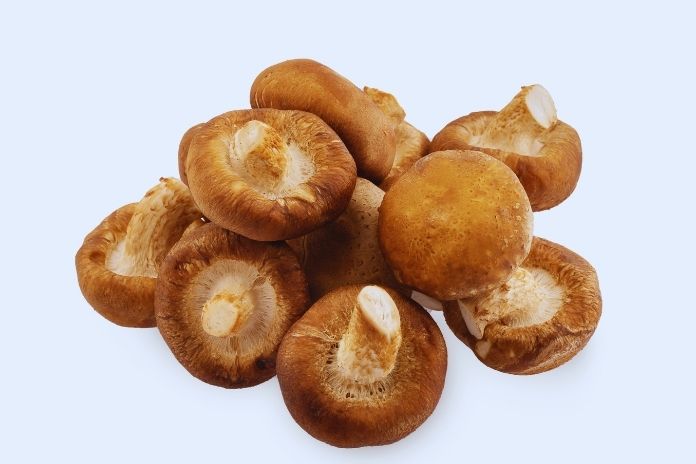
Shiitake mushroom health benefits have been discussed for a long time. In China and Japan, people have been using it for more than 1,000 years, first just as food, later also for medicinal use. Now modern research is also checking the same claims, and some of them are actually true.
But one big confusion everywhere is that people mix everything up. Eating mushrooms, taking capsules, and hospital-level compounds are all treated the same. This is wrong. What happens in the lab or injection form is not the same as what happens when you eat vegetables.
So here, each shiitake mushroom benefit is clearly shown, whether it works with normal cooked shiitake, only the extract, or only the isolated compound.
- Shiitake mushrooms do have real health benefits, especially for immunity and nutrition, but most of the strong effects depend on the form.
- Eating cooked shiitake helps, but it is not the same as extracts or medical compounds. The science is promising but still incomplete.
Read More: Turkey Tail Mushroom Benefits: Immune Support, Gut Health, and What the Science Says
Important Small Note Before Starting
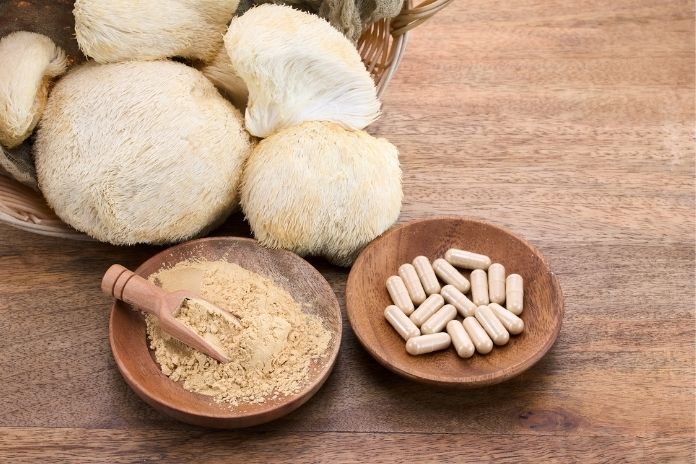
Not all shiitake have the same effect. Three types you should know:
- Whole food→ what you cook and eat
- Extract→ concentrated powder or supplement
- Isolated compound→ like lentinan used in a hospital (not food)
Most real-life shiitake mushroom health benefits matter only from food. But the strongest research sometimes comes from a non-food form. Keep this in mind while reading.
1. Immune Support: This One Actually Has a Human Study (Food Level)
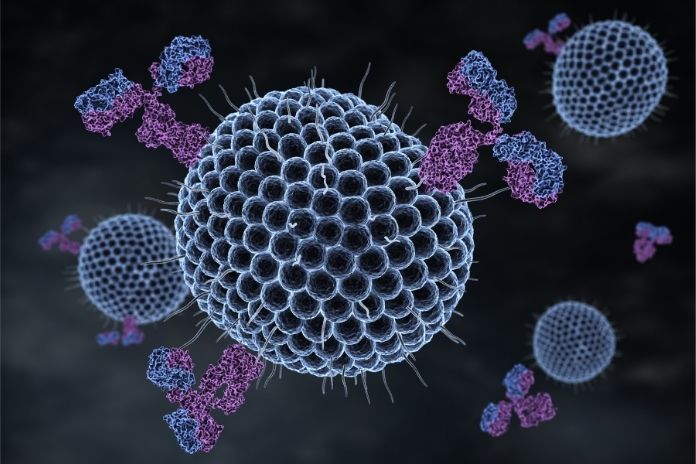
This is one benefit where shiitake is not just theory; there is a proper human trial also. In one 2015 study, 52 healthy adults were given 5g or 10g dried shiitake daily for 4 weeks. Not a supplement, just a normal eating level. After that:
- Some immune cells increased (γδ-T cells, NK-T cells)
- Saliva immunity marker (IgA) increased
- Inflammation marker (CRP) reduced
This is important because it is not saying “boost immunity” randomly. It is showing measurable changes in immune system activity. This happens mainly because of beta-glucans, especially something called lentinan.
“Shiitake mushrooms contain polysaccharides, particularly lentinan, which stimulate the immune system,” says dietitian Ramya B. These compounds don’t push the immune system too much; they just “prepare” it better. So the body response becomes more balanced.
But still, one thing is clear: this is support, not treatment. If someone has a disease, eating mushrooms will not replace medicine. Also, this is one study. Good study, but still one. More research is needed on different people.
2. Cholesterol Reduction: Unique Compound You Don’t Get Elsewhere
Shiitake has one special compound called eritadenine. This is not common like fiber or vitamins. It works in a totally different pathway. It blocks one enzyme involved in cholesterol metabolism. So, the cholesterol production pattern changes inside the body.
In animal studies, results are very consistent: total cholesterol reduces, and LDL (bad cholesterol) reduces. Also, shiitake has beta-glucans, which reduce cholesterol absorption from the gut. This is the same type of mechanism as oats. So actually two systems are working:
- Internal cholesterol production affected (eritadenine)
- External absorption reduced (beta-glucans)
But the problem is that most strong data is from animals or extracted from them. Large human trials are still limited. So, practical meaning:
- Eating shiitake regularly is good for the heart diet
- Using it like a “natural statin replacement” is not proven
3. Antioxidant Protection: Not Normal Type Antioxidant
Most foods have antioxidants. But shiitake is different because of one compound: ergothioneine. This is not just a floating antioxidant. The body has a special transporter (OCTN1) just to carry this molecule inside cells. That is rare.
Means the body actually wants it. It goes into places where damage happens: mitochondria, the eye lens, and cells under stress. This suggests it is doing targeted protection, not just random scavenging. Some studies show that people eating more ergothioneine-rich foods have:
- Lower heart disease risk
- Better cognitive outcomes
But again, these are mostly observational. Not direct cause proof. Still, one practical thing is clear: shiitake is one of the richest sources available in the diet. So, including it regularly adds something unique that many diets miss.
4. Vitamin D: Only If Mushroom Got Sunlight
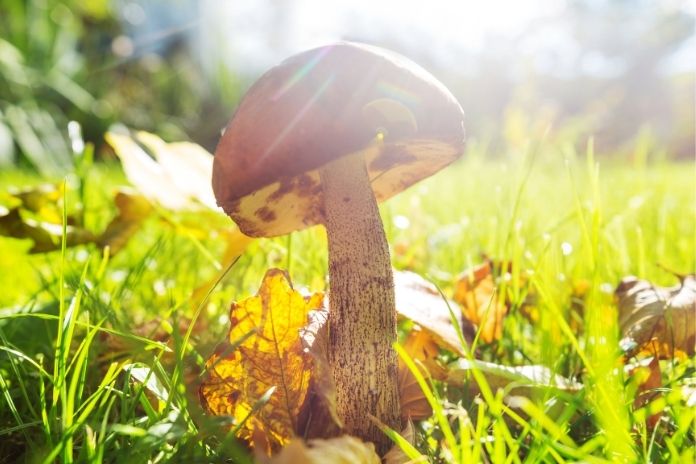
This part many people misunderstand. Shiitake has ergosterol, which converts to vitamin D2 when exposed to UV light. Same concept as sunlight on skin. But most market mushrooms are grown indoors. So:
- Normal shiitake has almost no vitamin D
- UV-exposed shiitake can have 400–800 IU per 100g
If you want the vitamin D benefits:
- Either buy UV-treated mushrooms (label check)
- Or keep fresh shiitake in sunlight (gills up) for 1–2 hours
This is especially useful for people who are not getting enough sun or not eating animal foods. Otherwise, don’t assume mushrooms give vitamin D automatically.
5. Gut Health Support: Fibre Doing the Work, Not Magic
Shiitake helps the gut, but not in a dramatic probiotic type way. It contains beta-glucans, which are fermentable fibers. Gut bacteria use this and produce butyrate. Dr. Gail Cresci, a dietician, has studied butyrate for more than a decade. “It’s amazing how many beneficial things it does for the body,” she says.
Butyrate is important because:
- Feeds colon cells
- Maintains gut lining
- Reduces inflammation
Animal studies show shiitake extract changes microbiome composition: more beneficial bacteria and fewer harmful strains. But human studies specifically on the shiitake microbiome are still limited. So a simple understanding is:
- Works like a good fibre source
- Similar to oats, barley
- Not special “miracle gut fix”
Hence, it is still useful, but with realistic expectations.
6. Cardiovascular Effects Beyond Cholesterol: Mostly Early Evidence
Apart from cholesterol, shiitake shows other heart-related effects in lab studies:
- Reduces inflammation signals (like NF-κB)
- Protects LDL from oxidation
- May reduce blood pressure slightly
Also, ergothioneine again plays a role, protecting the blood vessel lining from damage. But most of this evidence is animal studies, cell-based research, and observational human data. So it is promising, but not strong clinical proof yet. The best way to see it: Shiitake supports heart health as part of an overall diet, not as a standalone solution.
7. Strong Nutritional Profile: This Part Is Actually Underrated
People talk too much about compounds, but basic shiitake mushroom nutrition is also strong. Half a cup of cooked shiitake gives the following:
- Copper (~70%):For blood vessels, collagen, and immune function
- Selenium (~30%): Antioxidant enzymes and thyroid support
- B vitamins:Energy and metabolism
- Small Amount of B12:Not enough alone, but still useful
Also, shiitake has a natural umami taste, which helps reduce the need for extra salt or heavy sauces. This indirectly improves diet quality. So even if someone ignores all “functional” claims, it is still very valuable.
Read More: Why Mushroom Coffee Is Taking Over Wellness Trends
Safety Note (Important but Rare)
Some individuals may experience shiitake dermatitis from shiitake mushrooms if eaten raw or undercooked:
- Looks like red streaky rash
- Caused by lentinan
- Very rare (<1%)
A simple solution is to always cook them properly before consumption.
Read More: RYZE Mushroom Coffee: Is It Worth the Hype? Pros, Cons, and Varieties
Final Thoughts
Shiitake is one of those foods where traditional use and modern science are slowly meeting. But confusion comes when people mix food-level effects with pharmaceutical-level claims. Eating shiitake regularly can support immune function, heart health, and nutritional intake. But it is not a medicine replacement.
Also, the biggest gap right now is that more human trials are needed, especially long-term and diverse populations, and the strongest evidence is still coming from extracts or lab studies. So it is promising food, but still developing science.
- Not all shiitake benefits come from eating; some only from extracts or medical compounds.
- Immune support has an actual human trial at the food level, which is rare.
- The cholesterol effect is real, but the strongest data are still from animal studies.
- Vitamin D is only present if mushroom exposed to UV; otherwise, almost zero.
- Biggest research gap: long-term human trials using normal dietary intake.
FAQs
- Can I eat shiitake mushrooms daily?
Yes, moderate daily intake is normal. Eating around small servings regularly is safe for most people. Just avoid eating raw.
2. Are shiitake mushrooms better than button mushrooms?
Not exactly better, but different. Shiitake has more specific compounds like eritadenine and ergothioneine, which button mushrooms have less of.
3. Do shiitake mushroom supplements work better?
Shitake mushroom supplements are more concentrated, but the quality varies a lot. Also, food form already gives good shiitake mushroom health benefits without the risk of overuse.
4. Can shiitake mushrooms cure diseases?
No. Shiitake mushrooms support body functions but do not replace medical treatment.
5. Is shiitake good for weight loss?
Indirectly, yes. Low calories, high fibre, and good flavor can help improve diet quality. But it is not a fat-burning food.
References
- Anwar, H., Suchodolski, J. S., Ullah, M. I., Hussain, G., Shabbir, M. Z., Mustafa, I., & Sohail, M. U. (2019). Shiitake Culinary-Medicinal Mushroom, Lentinus edodes (Agaricomycetes), Supplementation Alters Gut Microbiome and Corrects Dyslipidemia in Rats. International Journal of Medicinal Mushrooms, 21(1), 79–88.
- Dai, X., Stanilka, J. M., Rowe, C. A., Esteves, E. A., Nieves, C., Spaiser, S. J., Christman, M. C., Langkamp-Henken, B., & Percival, S. S. (2015). Consuming Lentinula edodes (Shiitake) Mushrooms Daily Improves Human Immunity: A Randomized Dietary Intervention in Healthy Young Adults. Journal of the American College of Nutrition, 34(6), 478–487.
- Rahman, M. A., Abdullah, N., & Aminudin, N. (2018). Lentinula edodes (shiitake mushroom): An assessment of in vitro anti-atherosclerotic bio-functionality. Saudi Journal of Biological Sciences, 25(8), 1515–1523.
- Smith, E., Ottosson, F., Hellstrand, S., Ericson, U., Orho-Melander, M., Fernandez, C., & Melander, O. (2019). Ergothioneine is associated with reduced mortality and decreased risk of cardiovascular disease. Heart, 106(9), 691–697.
- Yoon, K. N., Alam, N., Lee, J. S., Cho, H. J., Kim, H. Y., Shim, M. J., Lee, M. W., & Lee, T. S. (2011). Antihyperlipidemic Effect of Dietary Lentinus edodes on Plasma, Feces and Hepatic Tissues in Hypercholesterolemic Rats. Mycobiology, 39(2), 96–96.
In this Article