

















The so-called “48-hour liver cleanse” using herbal supplements like milk thistle is one of the most popular trends on the internet, full of audacious claims about rapid solutions. A lot of folks who are looking for milk thistle liver enzymes or asking if milk thistle detoxes the liver are hoping for quick, clear findings in their lab reports. Is that practical, though?
To provide you with a clear, scientifically supported response, we will dissect the liver flush myth, clarify what liver enzymes actually measure, examine how milk thistle works (and how long it takes), and evaluate the scientific evidence, including silymarin liver enzyme studies.
We’ll also cover safer, evidence-based ways to support liver health and improve liver function tests.
- “48-hour liver cleanses” are a myth—your liver detoxes naturally and doesn’t need flushing.
- Milk thistle may support liver health, but it doesn’t rapidly change liver enzymes in 48 hours.
- Sustainable habits like diet, exercise, and limiting alcohol improve liver function more effectively than quick fixes.
Read More: Milk Thistle Tea: Benefits, Side Effects, and How to Brew It Safely
What People Mean by a “48-Hour Liver Flush”
How well the body eliminates pollutants determines a person’s health and well-being. Most individuals are in dire need of a major detox due to exposure to toxins in the environment, toxic body care products, and processed foods. A liver cleanse, or liver detox, is an excellent approach to start learning how to detox your body.
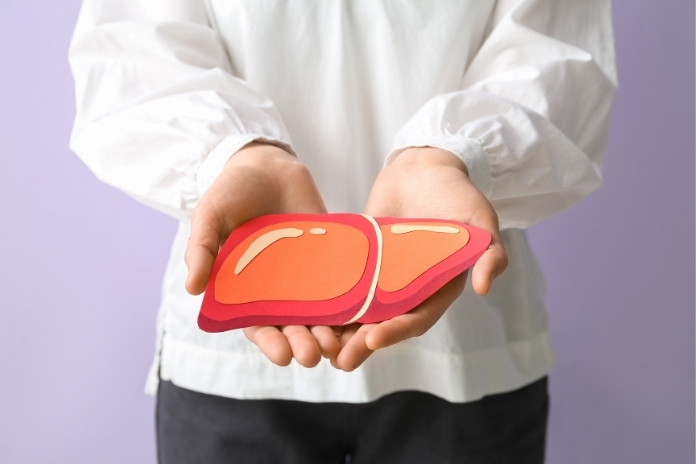
The liver is one of the primary organs through which the body eliminates poisons. The liver is actually one of the body’s hardest-working organs. It works nonstop to break down hormones, generate the bile required for fat digestion, purify our blood, and store vital vitamins, minerals, and iron.
We are unable to effectively digest food, particularly fats, when liver function is compromised. To rid the body of toxins, it is crucial to prevent fatty liver and to adhere to a liver-cleansing diet.
The notion of a 48-hour liver detox is frequently accompanied by assertions such as:
- In two days, reset your liver
- Use herbs to eliminate toxins naturally
These claims are commonly linked to the effectiveness of herbal liver cleanses, especially when using milk thistle. The majority of “flush” routines recommend:
- The standard therapeutic dosage for silymarin is 30–40 mg/kg/day
- For acute conditions (especially mushroom poisoning), the duration is three to four days
- The active component in commercial formulations is usually 70–80% silymarin
What Liver Enzymes Actually Measure
The levels of certain proteins, ALT, AST, ALP, and GGT, released into the bloodstream when liver cells (hepatocytes) are injured, inflamed, or ill, are measured by liver enzyme tests, which are a component of liver function tests.
Tests for Liver Function
Tests for liver function measure the amounts of specific proteins and enzymes in your blood. Abnormally high or low levels may indicate liver issues. Clinicians can infer the underlying cause of these issues from the pattern and degree of elevation of these tests, along with the overall clinical picture.
Serum Bilirubin Test: This test quantifies blood bilirubin levels. The liver produces bilirubin and eliminates it in bile. Elevated bilirubin levels could indicate a bile flow obstruction. Alternatively, it can indicate a problem with the liver’s bile-processing system.
Serum Albumin Test: This test measures albumin levels. A blood protein is called albumin. The test could help diagnose liver disease. Low albumin levels could indicate abnormal liver function.
International Normalized Ratio (INR): The prothrombin time (PT) test was formerly known as the international normalized ratio (INR). This test measures the time it takes for blood to clot. Vitamin K and a liver-produced protein are necessary for blood coagulation. Prolonged clotting time may indicate liver disease. Alternatively, it can indicate low amounts of specific clotting agents.
Tests for Liver Enzymes
Serum Alkaline Phosphatase Test: This test determines the amount of the enzyme alkaline phosphatase in the blood. Numerous tissues have this enzyme. The liver, biliary tract, and bones have the largest concentrations. This test assesses liver function and also identifies liver abnormalities, such as tumors or abscesses, that may obstruct bile flow.
Alanine Transaminase (ALT) Test: The Alanine Transaminase (ALT) test determines the level of alanine aminotransferase, an enzyme primarily found in the liver. Acute liver cell injury releases this enzyme into the bloodstream. This test assesses liver function and monitors treatment progress in acute liver diseases such as hepatitis.
Aspartate Transaminase (AST) Test: This test quantifies the amount of this enzyme. The liver, kidneys, pancreas, heart, skeletal muscle, and red blood cells all contain this enzyme. Following acute liver cell injury, this enzyme is released into the bloodstream.
Gamma-Glutamyl Transpeptidase (GGT) Test: This assay quantifies GGT enzyme activity. The pancreas, biliary system, and liver all produce this enzyme. This test frequently determines whether a person has consumed alcohol, assesses liver function, and provides information about liver disorders.
Lactic Dehydrogenase Test: This test may diagnose liver disease and detect tissue damage. One kind of protein is lactic dehydrogenase. Another name for it is an isoenzyme. It plays a role in the organism’s metabolism. However, this liver test is incredibly general. It is seldom ever used to evaluate liver disease.
5′-Nucleotidase Test: This test quantifies 5′-nucleotidase levels. The liver is the only organ that produces this enzyme. People with liver disorders, particularly those that impair bile flow (cholestasis), have elevated 5′-nucleotidase levels.
Additional Diagnostic Procedures
If doctors suspect a particular illness, they may perform additional diagnostic tests on the liver. Among these tests are:
Test for Alpha-Fetoprotein (AFP): Alpha-fetoprotein is a blood protein produced by malignancies and fetal tissue. Hepatocellular carcinoma, or primary liver cancer, can be predicted with this test. Additionally, it assesses the effectiveness of treatment for specific tumors, such as hepatoma, a form of liver cancer.
Antimitochondrial Antibodies (AMAs): These blood antibodies may indicate autoimmune diseases, chronic active hepatitis, or primary biliary cirrhosis. Numerous additional antibodies that are present in the blood are also symptomatic of liver illness.
Serum Alpha-1 Antitrypsin Test (A1AT): The serum alpha-1 antitrypsin (A1AT) test measures alpha-1 antitrypsin levels in the blood. It identifies an uncommon type of adult emphysema and detects cirrhosis, a rare form of liver disease, in both adults and children.
Several factors influence enzyme levels:
- Consumption of alcohol
- Medications (such as antibiotics and statins)
- Vigorous exercise
- Metabolic conditions like nonalcoholic fatty liver disease (NAFLD)
Read More: 5 Best Detox Supplements for Liver Support and Toxin Removal
What Milk Thistle Contains and How It Works
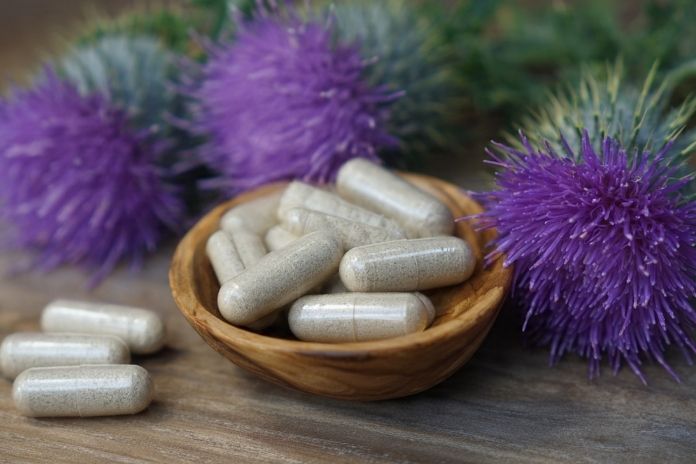
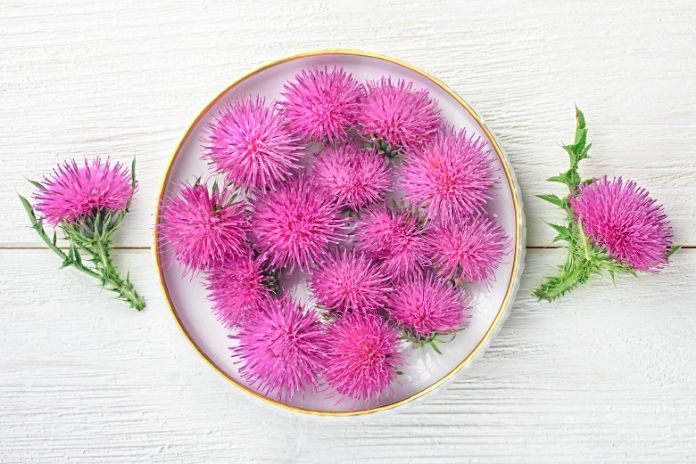
The plant known as milk thistle gets its name from the white veins on its big, thorny leaves. Manufacturers extract silymarin, one of milk thistle’s active components, from the plant’s seeds. Researchers believe that silymarin has antioxidant qualities.
Oral capsules, tablets, and liquid extracts of milk thistle are available for purchase. People mostly use this supplement to treat liver disorders. Researchers believe that milk thistle contains a compound called silymarin, which has antiviral, anti-inflammatory, and antioxidant properties.
As a result, it may aid in the prevention or treatment of several medical disorders, such as:
Reduce or Stop Age-Related Declines in Brain Function: The antioxidant and anti-inflammatory properties of milk thistle may help protect brain neurons, slowing the deterioration of brain function in diseases like Parkinson’s and Alzheimer’s.
Reduce Blood Sugar: By enhancing insulin sensitivity and lowering blood sugar, compounds in milk thistle appear to function similarly to some diabetes drugs.
Protect Bones: Research indicates that milk thistle may promote bone mineralization, helping counteract the effects of osteoporosis, especially in postmenopausal women.
Protect the Liver: When used in combination with other treatments for liver damage, milk thistle supplements may be helpful. People with liver disorders may benefit from it, according to studies.
Take Care of Your Indigestion: When used with other nutrients, milk thistle may help lessen indigestion.
Can Milk Thistle Change Liver Enzymes in 48 Hours?
The findings showed that 65.5% of the studies had lower liver enzyme levels, 20.7% had no discernible change, and 13.8% had higher liver enzyme levels. The systematic review suggests that silymarin may lower liver enzyme levels, indicating hepatoprotective properties.
However, comorbidities, inadequate dosages, and underlying illnesses may be the cause of outcome discrepancies. Notably, the effects of silymarin on liver enzymes may vary depending on the situation, with patients with non-alcoholic fatty liver disease experiencing a drop in liver enzyme levels.
What 3 Cups of Milk Thistle Tea Actually Delivers
Herbal teas are delicious concoctions that showcase the beauty of sipping tea with flowers, herbs, and spices. The plant’s well-known health advantages have made milk thistle tea one of the most popular herbal beverages.
The creamy liquid obtained by cutting the leaves of the milk thistle plant is what gives milk thistle tea its name. For generations, people have used milk thistle seeds as a natural treatment for liver problems.
Mary thistle and holy thistle are other frequent names for milk thistle. The plant’s leaves or seeds can be infused with hot water to make the tea. Because milk thistle tea naturally has no caffeine, it can be consumed at any time of day without interfering with sleep.
People have used milk thistle tea to support liver function and help treat liver issues. The majority of studies indicate that a substance known as silymarin is responsible for the advantages to liver health. Milk thistle tea contains a flavonoid called silymarin, which has antioxidant properties to promote health.
The effect of silymarin on mice with liver injury was investigated in a study that was published in Pharmaceutical Biology. Even without dietary modifications, researchers found that mice treated with silymarin had far lower obesity rates. Additionally, silymarin reduced inflammation, thereby lessening liver damage.
Experts generally consider silymarin safe for human consumption. The only disclaimer is that it should not be taken by those who are nursing, pregnant, or attempting to conceive. If you are already using any prescription medications, it makes sense to see your doctor before taking milk thistle. It will only guarantee that they won’t engage in any undesirable encounters.
Read More: Cleanse Your Body Naturally: 6 Herbal Detox Supplements for Whole-body Cleansing
Conditions Where Milk Thistle May Have Modest Benefits
There isn’t much proof that milk thistle helps people with liver disorders. For instance, one study found that while measurements of liver fibrosis were the same, milk thistle administered to individuals with morbid obesity did “improve” liver enzymes.
Furthermore, results from a major systematic review of multiple trials indicated that milk thistle helped patients with metabolic dysfunction-associated steatotic liver disease (formerly known as nonalcoholic fatty liver disease) in several ways.
Some studies show that milk thistle can lower HbA1C and fasting glucose levels. Still, researchers have not clearly determined whether they should recommend it for people with diabetes or impaired insulin sensitivity (prediabetes).
Proteinuria and fatty liver are two diabetes-related complications that milk thistle may help reduce. Additionally, milk thistle may reduce cholesterol. Manufacturers frequently mix it with other vitamins, such as berberine.
Why “Liver Flush” Claims Are Misleading
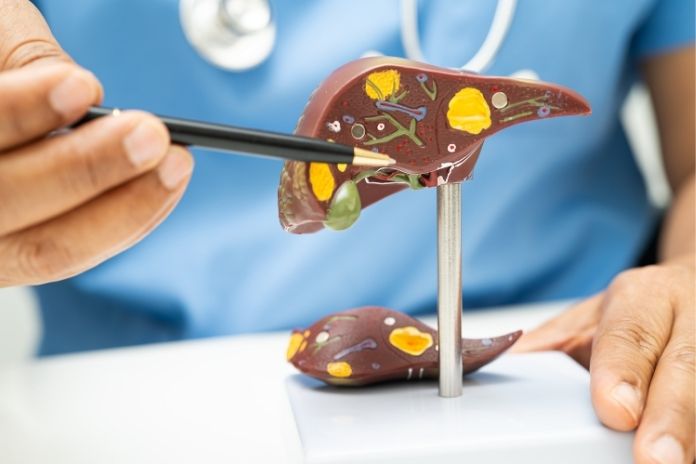
Hepatic detoxification pathways are how the liver naturally manages detox. It doesn’t require a “flush.” Reduced cell stress is indicated by lower ALT and AST levels, not by the elimination of toxins.
Decreases in the short term could be caused by:
- Hydration
- Decreased consumption of alcohol
- Variability in the lab
There is more proof that lifestyle modifications can improve liver function tests than supplements.
Evidence-Based Ways to Support Liver Enzyme Improvement
Rather than depending on the efficacy of herbal liver cleanses, concentrate on tried-and-true techniques:
Cutting Back on Alcohol: One of the main causes of increased liver enzymes is alcohol.
Controlling Body Weight: Losing weight improves enzyme levels and nonalcoholic fatty liver disease (NAFLD).
Balanced Nutrition and Fiber Intake: Liver health is supported by a diet high in vegetables, whole grains, and healthy fats.
Exercise and Insulin Sensitivity: Frequent exercise reduces liver inflammation and increases insulin sensitivity.
Medication Review with a Clinician: Before quitting or altering medication, always get medical advice because some medications may raise enzyme levels.
Safety Considerations Before Using Milk Thistle
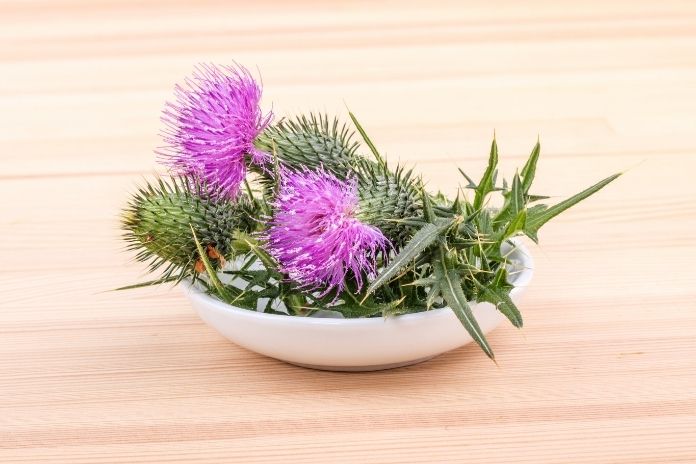
There are certain hazards associated with taking milk thistle, including:
Allergic Reactions: Milk thistle may trigger allergic reactions. Individuals with allergies to chrysanthemums, kiwis, ragweed, daisies, marigolds, and artichokes are more vulnerable. Before consuming milk thistle, people with endometriosis or diabetes should consult a physician.
Estrogen Levels: Milk thistle may also affect these levels. If you have endometriosis, ovarian cancer, breast cancer, uterine cancer, or uterine fibroids, you should discuss utilizing milk thistle with your physician.
Interactions: Before using milk thistle, consult your doctor if you take any regular medications. It may interact with numerous medications, including those used to treat high blood pressure, infections, high cholesterol, and sleeplessness.
Read More: Best Practices for Supporting Liver Health After Hepatitis
When Elevated Liver Enzymes Require Medical Evaluation
A medical professional must assess the condition if liver function tests remain elevated over time. Get medical help if you encounter:
- Jaundice
- Exhaustion
- Stomach discomfort
Instead of relying on a single result, doctors often advise repeating tests to confirm trends.
What to Expect From Milk Thistle Realistically
Even after using milk thistle for years, there don’t seem to be many negative consequences.
Some people have headaches, gas, bloating, nausea, diarrhea, and itching. It can raise bilirubin, a chemical generated when new red blood cells replace old ones, and liver enzymes.
The majority of people don’t show any signs of these increases. People who are allergic to related plants such as daisies, marigolds, and chrysanthemums may find it challenging.
“People with an allergy to the aster family, which includes common thistle, kiwi, and artichokes, should avoid milk thistle,” says Sue-Ellen Anderson-Haynes, MS, RDN. CDCES—spokesperson for the Academy of Nutrition and Dietetics and owner of 360Girls&Women B.E.A.T. Gestational Diabetes.
Read More: The Truth About Liver Cleanses: Why Your Pancreas Doesn’t Need a “Detox” and What Actually Works
Conclusion
Although enticing, the notion of a 48-hour liver detox is unsubstantiated by science. Although milk thistle liver enzymes indicate some promise, particularly in cases of moderate liver disease, it does not result in quick changes in ALT and AST levels.
You can make better health decisions if you understand how the liver functions and base your judgments on clinical trial evidence rather than trends. While supplements like milk thistle may be helpful, they should never replace tried-and-true methods like diet, exercise, and medical attention.
References
- National Center for Biotechnology Information. (February 28, 2024). Milk thistle.
- Dr. Josh Axe, DC, DNM, CN. (February 1, 2024). Detox Your Liver: A 6-Step Liver Cleanse.
- Mayo Clinic. (January 18, 2025). Liver function tests.
- Mayo Clinic. (May 21, 2025). Milk thistle.
- National Center for Complementary and Integrative Health. (February 2025). Milk thistle.
- Mito Health. How to Lower Liver Enzymes Naturally: ALT, AST, and GGT Optimization Guide.
- Erbology. Milk thistle tea.
- Laura Shane-McWhorter. (July 2025). Milk Thistle.
- Emily Halnon. (August 04, 2025). What Are The Benefits and Side Effects of Milk Thistle?
In this Article