
















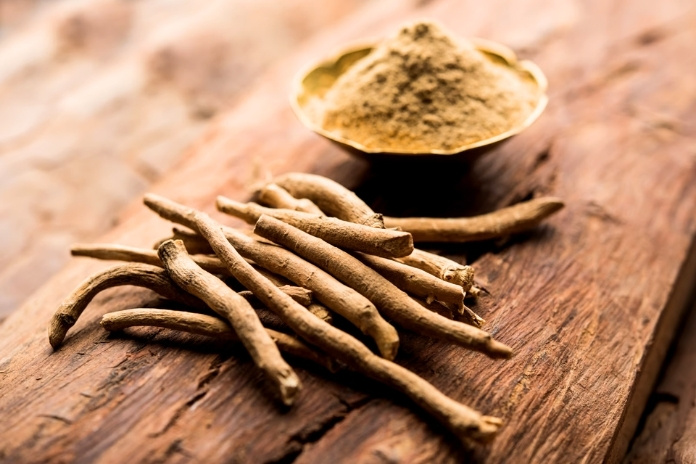
Feeling stressed, exhausted, or struggling to sleep? You’re not alone, and there might be a natural solution that’s been working for thousands of years.
Ashwagandha (Withania somnifera), pronounced ash-wah-GAN-dah, is one of the most powerful herbs in traditional medicine, used for over 3,000 years to help the body manage stress and boost energy. This small shrub, native to India and parts of Africa, has earned its place as a go-to remedy for modern wellness challenges.
The name literally means “smell of the horse” in Sanskrit, a reference to the herb’s earthy scent and its reputation for delivering horse-like strength and stamina. While the name might not win any marketing awards, the benefits speak for themselves.
What makes ashwagandha work? The secret lies in natural compounds called withanolides, which help regulate your body’s stress response system. Think of it as a reset button for your overworked nervous system. These compounds interact with the part of your brain that controls stress hormones, helping your body adapt to whatever life throws at it.
Modern research backs up what ancient healers knew intuitively. Studies show ashwagandha can genuinely reduce stress and anxiety, improve sleep quality, sharpen mental focus, and support immune function, without the side effects of pharmaceutical options.
While ashwagandha isn’t FDA-approved as a medication, it’s recognized as safe for use as a dietary supplement. With thousands of years of traditional use and growing clinical evidence, it’s become one of the most trusted natural options for Americans seeking to manage stress, improve sleep, and regain energy.
Read More: Why More People Are Turning to Ashwagandha Gummies for Stress Relief
Health Benefits of Ashwagandha

1. Reduces Stress and Lowers Cortisol Levels
Ashwagandha’s most notable benefit is its ability to reduce stress. Clinical studies show that 250–600 mg of extract daily lowers cortisol levels and improves stress scores on validated scales. Withanolides regulate the HPA axis to create a balanced stress response, making it particularly effective for the “tired and wired” pattern common in chronically stressed individuals.
“In my herbal practice, I use ashwagandha with my clients who have anxiety, high-stress jobs, feel overwhelmed, and need a feeling of more peace and calm throughout the day. I recommend dividing the dosage and taking it in the morning and evening.”
“For highly stressed people, they can even incorporate an extra afternoon dosage,” says Brittney Sounart, a seasoned herbalist and certified Emotional Freedom Technique (EFT) Practitioner.
2. Improves Sleep Quality and Duration
Research demonstrates that 600 mg daily improves sleep onset time, total sleep duration, and overall sleep quality, especially in people with insomnia. Its biphasic effect lowers cortisol and helps you relax, making it an effective natural alternative to sleeping pills, with the best results appearing after 8+ weeks of consistent use. Take 1–2 hours before bedtime with a light meal.
3. Enhances Athletic Performance and Muscle Strength
Athletes take ashwagandha for good reason: studies show 300-600 mg of Ashwagandha root extract daily improves VO₂ max, reduces exercise-induced fatigue, and increases muscle strength when combined with resistance training. It may also boost testosterone in men (14.7% increase in research), supporting recovery and performance.
4. Supports Male Fertility and Testosterone
Ashwagandha enhances male reproductive function by elevating testosterone (14.7%) and DHEA-S (18%) while improving sperm concentration, motility, and volume. Benefits typically appear after 8–12 weeks of daily supplementation at 600 mg of standardized root extract.
5. Enhances Memory and Cognition
Studies using 225 mg/day liposomal root + leaf extract show improvements in immediate and general memory, attention, and information processing speed in both healthy adults and those with mild cognitive impairment. Withanolides reduce oxidative stress in neural tissue and support synaptic activity.
6. Reduces Inflammation and Increases Immune Function
Ashwagandha reduces inflammatory markers such as CRP, IL-6, and TNF-α through its antioxidant effects. Daily use can address chronic low-grade inflammation related to stress, aging, and lifestyle factors while supporting overall immune resilience.
7. May Support Certain Thyroid Functions
Research shows that taking 600 mg of ashwagandha root extract daily can increase T3 and T4 thyroid hormones, potentially benefiting those with subclinical hypothyroidism. Important: Use only under medical supervision if you have thyroid conditions or take thyroid medication.
“I love using ashwagandha along with other thyroid-supporting herbs and supplements to improve my client’s thyroid numbers when their TSH is starting to rise, which is when subclinical hypothyroidism symptoms can begin,” says Sounart.
Ashwagandha vs. Other Popular Adaptogens
Stress Management
Ashwagandha vs. Other Popular Adaptogens
| Adaptogen | Primary Use | Key Benefits |
|---|---|---|
| Ashwagandha Withania somnifera |
Chronic stress, sleep issues | Calming, restorative, supports hormone balance |
| Rhodiola Rhodiola rosea |
Acute stress, mental fatigue | Energizing, improves focus and stamina |
| Holy Basil Ocimum tenuiflorum |
Emotional stress, mood balance | Calming, supports emotional wellness |
| Panax Ginseng Asian Ginseng |
Improved energy, cognitive performance | Stimulating, boosts endurance and cognition |
People with chronic stress and sleep problems should start with ashwagandha. For mental clarity during the day or exercise performance, Rhodiola or Ginseng can complement Ashwagandha.
Using multiple adaptogens together can be beneficial, but dosing and timing must be adjusted to your goals.
However, “be careful of taking Rhodiola or Ginseng too late in the day as they are stimulating adaptogens and may cause insomnia,” advises Sounart.
Read More: Ashwagandha vs. Rhodiola: Which Adaptogen Is Better for Stress?
How to Take Ashwagandha: Dosage, Timing & Forms
Optimal Dosage for Use
Stress/Anxiety: 300–600 mg of ashwagandha root extract per day
This dosage has been shown to reduce cortisol and improve stress scores in multiple clinical trials. Start with the low dose so your body can adapt and prevent potential mild GI upset. Split the dose into morning and evening dosing to provide consistent stress management throughout the day.
Sleep: 300–600 mg of ashwagandha root extract per day
Higher doses can be more effective in reducing sleep latency and improving the quality of sleep. Regular use over several weeks ensures better results in patients with insomnia. Combining ashwagandha with a relaxing pre-sleep routine can enhance the relaxation effect.
Athletic Performance: 120-1250 mg of ashwagandha root extract daily
120 mg to 1,250 mg per day is the recommended safe dosage. This dosage has been linked with enhanced VO₂ max, greater endurance, and greater gains in muscle strength. Adding ashwagandha to structured resistance training or aerobic programs will likely yield greater benefits. Optimal hydration and balanced nutrition also improve performance outcomes.
Cognitive Function: 300 mg of ashwagandha root extract twice daily
Extremely effective for improving attention, memory, and executive ability in healthy adults and those with mild cognitive impairment. Breaking the dose ensures all-day sustained bioavailability and reaches peak mental clarity. Combine with cognitive exercise, adequate sleep, and stress reduction for additive benefits.
Choose extracts standardized to 5–10% withanolides to maintain steady potency. Use low doses, dose up gradually, and monitor your reaction. Timeline estimates: Stress reduction may occur in 1–2 weeks, sleep benefits after 4–6 weeks, and mental or performance benefits around 8 weeks. Changes in hormones and fertility generally occur in 8–12 weeks of regular use.
Best Time to Take Ashwagandha

Evening/Night: Promotes sleep and stress relief.
Evening doses during nighttime can regulate cortisol and help relax, facilitating sleep onset. It is particularly helpful for those who experience the “tired but wired” sensation at night. Combination with a screen-free pre-bedtime routine can optimize the effect.
Morning: Supports energy and cortisol awakening response
Taking ashwagandha in the morning may bring about alertness and endurance of energy without the overstimulating effect. It may particularly help those experiencing slumps in the afternoon or who need mental sharpness to perform at work. Taking with breakfast may maximize absorption.
Always Take with Food:
Doing this reduces stomach discomfort. Food reduces the mild GI side effects some users experience. Food’s healthy fats may enhance withanolide absorption.
Consistency is greater than timing. Daily use beats strict scheduling. Daily dosing yields constant adaptogenic support for HPA axis regulation.
Choosing the Right Form: Capsules, Powder, Gummies, or Tinctures
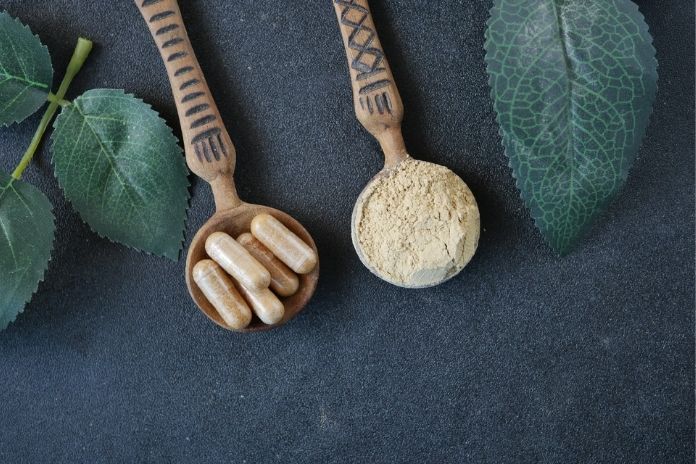
Capsules: Capsules are convenient, reliable, and travel-friendly. Ideal for those requiring an effortless, measured dose without having to mix. Capsules are easy to incorporate into morning and evening routines. Convenient for supplementing on the go as well.
Powder: Powder is easy to add to food or a beverage. Mix with smoothies, warm milk, or tea, giving one the freedom to determine how one wants to take it. Easy for those who prefer to fine-tune dosing in small amounts. Some find the ritual of mixing powder into half of their day’s wellness appealing.
However, “powder is not advised in the case of hemochromatosis (excess iron) because it contains high amounts of iron. The powder will benefit individuals with iron deficiency. The ideal powder dosage is 1/2 tsp, 2-3 times a day,” according to Sounart.
Gummies: These are pre-measured, taste-friendly (check sugar content), and a good option for fussy eaters or capsule haters. Easy for travel or everyday use, but read labels for extra sugars or artificial ingredients. Usually contains fewer active withanolides, so check potency.
Tinctures: These help with rapid absorption, variable dosing, and alcohol/glycerin-based tinctures offer dosing flexibility and can act more quickly with liquid absorption. Ideal for people who struggle with swallowing capsules. It can be mixed with water or juice, but the flavor can be strong.
Select standardized extracts like KSM-66 or Sensoril to ensure consistent strength. Keep your convenience, lifestyle, and absorption requirements in mind when choosing a form.
Read More: 5 Ashwagandha Benefits For Women- A Magical Ingredient
Recommended Ashwagandha Supplements
If you’re considering adding ashwagandha to your routine, look for products that prioritize quality, purity, and transparency. Here are a few options that meet high manufacturing standards:
What to Look For:
- Standardized extract (often 5% withanolides)
- Clearly listed dosage per capsule
- Third-party testing for purity and contaminants
- Free from unnecessary fillers or artificial additives
- Manufactured in GMP-certified facilities
Our Picks:
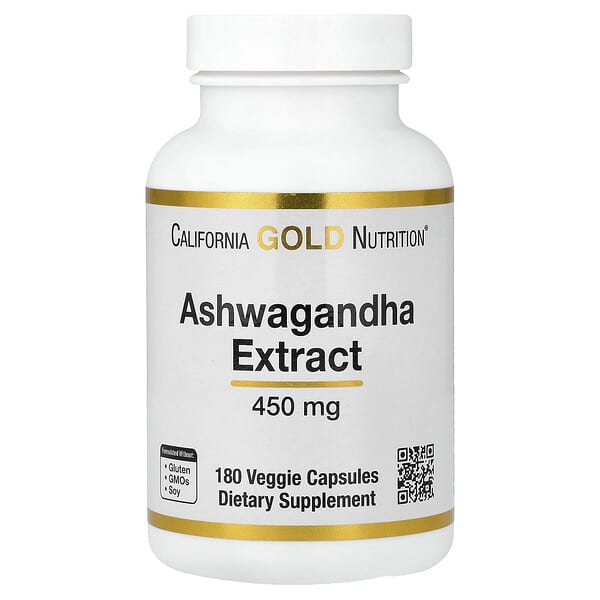
California Gold Nutrition Ashwagandha
We recommend California Gold Nutrition Ashwagandha Full-spectrum root extract with a solid daily dose per serving.
*Purchases through this link support our research at no extra cost to you.
-
Desert Sage Herbs Ashwagandha Liquid Caps
– Liquid-based formula that may offer enhanced absorption. Vegetarian-friendly.
-
Gaia Herbs Ashwagandha Root
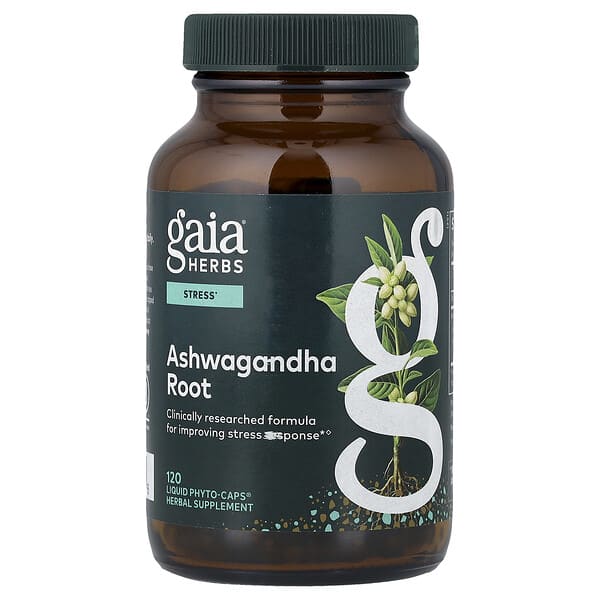
Gaia Herbs Ashwagandha Root
We recommend Gaia Herbs Ashwagandha Root Trusted herbal brand with clean, sustainably sourced root extract.
*Purchases through this link support our research at no extra cost to you.
-
Desert Sage Herbs Ashwagandha Extract
– Potent extract for customizable dosing.
-
Nature Made Ashwagandha Capsules

Nature Made Ashwagandha Capsules
We recommend Nature Made Ashwagandha Capsules Simple, widely available option from a well-known brand, USP-verified for quality.
*Purchases through this link support our research at no extra cost to you.
(We may earn a commission if you purchase through these links. This does not affect our editorial standards. Always consult a healthcare professional before starting any supplement.)
How to Choose a High Quality Ashwagandha Supplement
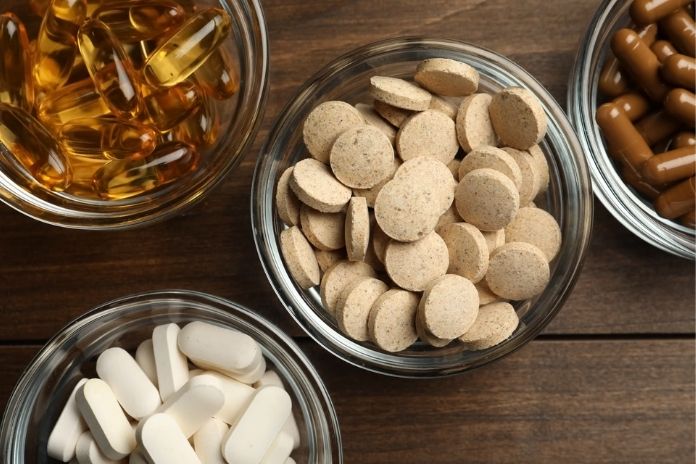
- Look for USP, NSF, or ConsumerLab certification. Third-party testing ensures product safety, correct labeling, and freedom from contaminants. Certification demonstrates that the firm adheres to rigorous quality standards.
- Ensure withanolide content of 5–10%. This ensures clinical-strength potency shown to provide stress, sleep, and performance benefits. Products with insufficient or unknown content are unlikely to function properly.
- Avoid proprietary blends with hidden quantities. Clear labeling ensures you are clearly aware of exactly how much active extract you are receiving. Proprietary blends may conceal low dosage.
- Ensure organic certification and heavy metal testing. Ashwagandha may carry heavy metals; certified items reduce the risk of contamination. Organic certification may also reflect better cultivation practices and environmental controls.
High-quality standardized extracts such as KSM-66 and Sensoril are clinically studied for efficacy, bioavailability, and safety. Prioritizing these options ensures effective, reliable supplementation.
Ashwagandha Side Effects and Safety Warnings
Side effects of ashwagandha include minor stomach upset, nausea, and diarrhea (dose-related). These are usually handled by modifying the dose or taking it with food. Starting on low doses reduces gastrointestinal distress.
Rare but serious side effects: Liver damage. Ashwagandha is generally considered safe and has a long history of traditional use in Ayurvedic medicine. However, a small number of case reports have described liver injury in people taking products containing ashwagandha.
It is not clear whether these cases were caused by ashwagandha itself, other ingredients in multi-herb formulas, product contamination, high doses, or individual susceptibility. Controlled clinical trials have not demonstrated a consistent link between ashwagandha and liver toxicity.
As a precaution, individuals with preexisting liver disease, those taking multiple supplements or medications, or anyone planning long-term high-dose use may wish to consult a healthcare professional before starting ashwagandha.
For more details, see the National Institutes of Health Office of Dietary Supplements fact sheet.
Side effects are noticed if ashwagandha is used in pregnancy, in autoimmune diseases, and in hyperthyroid disease, and should be monitored.
A few warnings you must keep in mind during ashwagandha supplementation:
- Avoid self-medication when you have conditions like hyperthyroidism or autoimmune diseases.
- You must consult a healthcare provider before starting the supplements.
- Possible interactions with sedatives, immunosuppressants, thyroid medications
- Recommended duration must not be more than 3–6 months; take breaks periodically (1–2 weeks every 2–3 months)
Most patients can adequately tolerate 250–600 mg of ashwagandha root extract (standardized to 5% withanolides) daily. Rotating supplementation reduces the risk of tolerance and allows long-term safety. Regular monitoring allows early detection of side effects.
Conclusion
Ashwagandha offers science-backed benefits for stress, sleep, energy, and overall wellness. Choose high-quality, third-party tested supplements, observe your response, and combine with healthy lifestyle habits. Consult with your physician if you have any medical conditions or are taking medication.
With consistent, evidence-based use, this ancient adaptogen can be a valuable addition to your wellness routine, offering benefits that support long-term stress tolerance, mental function, and performance.

References
- https://www.weightworld.uk/health-wellness-hub/supplements/how-long-does-ashwagandha-take-to-work-a-guide-to-faster-results.html
- https://ods.od.nih.gov/factsheets/Ashwagandha-HealthProfessional/
- https://www.health.com/when-should-you-take-ashwagandha-11815067
- https://consensus.app/search/what-are-the-potential-effects-of-ashwagandha-root/QidCnUXqSJmrV5Yktb4KYg/
- https://www.bannerhealth.com/healthcareblog/advise-me/the-pros-and-cons-of-ashwagandha-for-athletes
- https://ods.od.nih.gov/factsheets/Ashwagandha-HealthProfessional/
In this Article