

















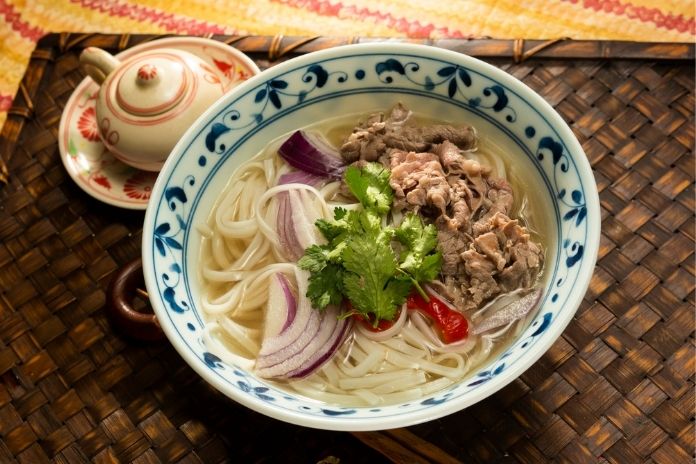
- Pho can be a balanced meal with protein, vegetables, and fluids if made with lean ingredients and moderate noodles..
- The main concern is high sodium, since restaurant pho can exceed the daily limits recommended by the American Heart Association.
- Eating pho daily is appropriate only if portions are controlled, and your overall diet stays varied and balanced.
Pho has become one of the most popular Vietnamese foods in the United States and Canada. As a late-night comfort food, a weekday lunch favorite, or a healthy dinner option, the warm broth, soft noodles, and fresh herbs in pho make it seem like a healthy and refreshing alternative to fast food.
However, many people wonder if pho is healthy enough to eat every day, or if eating pho every day could quietly raise sodium levels, calorie intake, or nutrient imbalances. The answer is somewhere in between. Pho can be a healthy and satisfying meal, but its health effects depend on the serving size, ingredients, cooking techniques, and overall diet.
A homemade bowl of lean chicken and vegetables is a far cry from a massive restaurant bowl of fatty brisket and salty broth. This article will tell you exactly what happens if you eat pho every day, including the benefits, dangers, weight loss tips, and how to make pho a healthier option.
Read More: Hearty and Healthy Soups: Warm Bowls for Nourishing Comfort
What’s in a Typical Bowl of Pho?
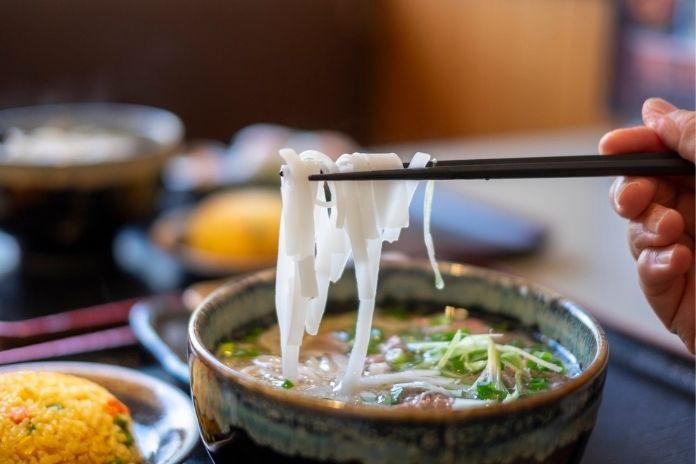
Pho gets its complexity from a few key components, each of which impacts nutrition and health in its own way. The first is the broth, which is typically simmered for hours over beef or chicken bones, onions, ginger, and warming spices like cinnamon, cloves, coriander, and star anise.
This long simmer time extracts the flavors, minerals, and gelatin from the bones, which gives pho its characteristic aroma and texture. Rice noodles form the base. These noodles are usually made from rice flour and water and are gluten-free, but may contain less fiber than whole wheat pasta.
Then there’s protein, which comes in the form of thin slices of beef or brisket, meatballs, chicken, shrimp, or tofu. The leaner meats keep the calorie count low, while the fattier ones increase it.
Finally, there are fresh herbs like Thai basil, cilantro, scallions, and bean sprouts, as well as lime and chilies, which add crunch and a small amount of vitamins and antioxidants.
Then there are condiments like hoisin sauce and sriracha sauce, which can significantly impact the nutritional content by increasing the sodium and sugar levels.
Since pho is so variable, it’s difficult to pinpoint a specific nutritional content, as two bowls of the same pho from the same restaurant, or even two bowls of different pho from different restaurants, can be significantly different.
Nutritional Profile of Pho
A typical bowl of pho from a restaurant contains approximately 350 to 700 calories, with some massive portions ranging from 700 to 1200 calories. Protein content is approximately 20 to 33 grams, which is what you would expect from a well-rounded meal.
Carbohydrates are mostly from the rice noodles, ranging from 40 to 60 grams per bowl, while the fat content is highly variable depending on the type of meat used and how the soup is prepared.
The primary nutritional concern with pho is its high sodium content. Restaurant versions of the soup can easily range between 800 and 2375 milligrams of sodium, which exceeds half the daily limit.
The general recommendation from the FDA is a daily intake of no more than 2,300 milligrams of sodium per day, and a single massive bowl of pho can easily meet this requirement. Furthermore, homemade versions of pho are generally much healthier.
“Pho can be a nutritious, delicious, and filling meal or snack, depending on the type you’re getting and what’s being added to the broth,” says Jaclyn London, MS, RD, CDN, Nutrition Director at the Good Housekeeping Institute. She adds, “The best pho recipes are ones that include lean protein, like chicken, plus heaps of veggies and go lighter on the noodles.”
Read More: Easy-to-Digest Foods for an Upset Stomach: What to Eat (and Avoid) for Faster Relief
Potential Benefits of Eating Pho Daily

Lean Protein Intake
Pho can be a good source of lean protein if made with chicken breast, tofu, or lean beef. Protein is important for muscle maintenance, the immune system, and satiety.
Protein intake can also help regulate blood sugar levels and reduce post-meal overeating. As a meal solution for those who fail to meet protein requirements, pho can be a good option.
Hydration and Electrolytes
Soups such as pho increase hydration levels due to their high fluid content. Electrolytes such as sodium and potassium are also obtained from the broth. The warm nature of the meal may help with digestion and satiety, promoting mindful eating and preventing overeating.
Fresh Herbs and Phytonutrients
The herbs and spices in pho provide plant-based compounds that have anti-inflammatory and antioxidant properties. Ginger helps with digestion, basil is a source of flavonoids, and other spices such as cinnamon and star anise provide additional phytochemicals. Even if consumed in small amounts, these phytochemicals improve the nutritional quality of the meal.
Lighter Than Many Fast-Food Meals
Pho is likely lower in saturated fat and calories compared to fried chicken, burgers, or pasta dishes, especially if lean protein is used. As a healthier meal alternative that does not make one feel deprived, pho is a good option.
Potential Downsides of Eating Pho Every Day

High Sodium Intake
Pho broth is quite salty. Having pho from restaurants daily may lead to an excessive intake of sodium. Too much sodium is associated with high blood pressure and an increased risk of heart disease.
The American Heart Association recommends no more than 2,300 mg of sodium a day, with an ideal limit of less than 1,500 mg per day for most adults, particularly for individuals with high blood pressure. Since one meal alone contains that much sodium, having pho daily may be a problem.
Refined Carbohydrates
The fiber content in rice noodles consumed may be low. Consuming refined carbs frequently without sufficient veggies or whole grains can cause blood sugar levels to rise, and you might not feel as satisfied. This can be problematic for people with diabetes or insulin resistance.
Limited Dietary Diversity
Eating the same thing daily takes away nutritional diversity. Each food item offers a unique set of vitamins, minerals, and beneficial plant compounds. If pho becomes a regular part of your diet, it may displace fruits, whole grains, beans, nuts, and other key foods.
Portion Size Creep
North American restaurant portions are often large. Extra noodles, fatty meat cuts, and sauces can turn a moderate meal into a high-calorie one. Since pho feels light, people sometimes underestimate how much they’re consuming.
Is Pho Good for Weight Loss?

Pho can be a weight-loss dinner if you pick it wisely. Eating soup as a meal helps you feel full, and the protein content in pho suppresses your appetite. When you compare pho to fast food, pho always has fewer calories.
However, large noodle servings and dishes with higher amounts of fat, such as brisket or meatballs, can quickly increase the calorie count.
If you wish to lose weight, you can order a smaller serving of pho, go for lean protein, add lots of veggies, and avoid sauces.
Read More: Does Chicken Soup Really Make You Feel Better? What Science Says
Is It Safe to Eat Pho Every Day?
In the case of healthy individuals, it should not be a problem to have pho every day, as long as their diet remains balanced. The key is to consider the amount of salt you are consuming, the size of the portions, and the amount of variety in your diet.
If you are preparing pho at home with moderate amounts of salt and healthy ingredients, it is unlikely to be a problem to have pho every day.
How to Make Pho Healthier if You Eat It Often
You can dial in the nutrition in pho with a few easy modifications. Use lean meats such as chicken breast, request fewer noodles and more veggies, and reduce the hoisin and sriracha.
Drink water instead of sugary beverages with your pho. If you are preparing pho at home, use low-sodium broth, remove the fat, and add veggies such as bok choy, mushrooms, or spinach. These modifications will keep your pho tasting good while increasing the nutritional content.
Who Should Be Cautious About Daily Pho

Individuals who may have certain health concerns should limit their consumption of pho. If you have high blood pressure, kidney issues, or are sensitive to salt, monitor the amount of salt in the soup.
Diabetics should be mindful of the amount of noodles and carbs. If you are suffering from certain health issues, it is best to consult a doctor before making pho a regular meal.
The Bottom Line
Pho can be a part of a healthy diet. It provides protein, fluids, and herbs, and can be much lighter than many take-out options. However, eating pho daily, especially from restaurants, may increase sodium intake and reduce the variety of foods eaten.
The best approach is to eat a balanced diet. If you are a fan of pho, then it should be eaten regularly, but it is essential to vary your diet and eat leaner versions of the ingredients. In this manner, pho will continue to be a healthy and comforting food, as opposed to a potential health hazard.
References
- By Helen Hoang. (2023, March 29). Post on pho. Lemon8.
- Toronto Pho. (n.d.). Is pho good for weight loss?
- American Heart Association. (n.d.). Why should I limit sodium?
- Pho 24. (n.d.). The nutritional benefits of Vietnamese pho for breakfast.
- Fresh Field. (n.d.). Is pho good for health?
- Meet the Pho. (n.d.). Vietnamese pho: The soul of Vietnam’s culinary heritage
In this Article