












So much of osteoarthritis content starts from the very wrong place. Someone gets knee pain or stiffness. Then the internet immediately starts advising on herbs, powders, oils, and supplements. Within five minutes, it can look like osteoarthritis is mainly a nutrition problem waiting for the right capsule. It isn’t.
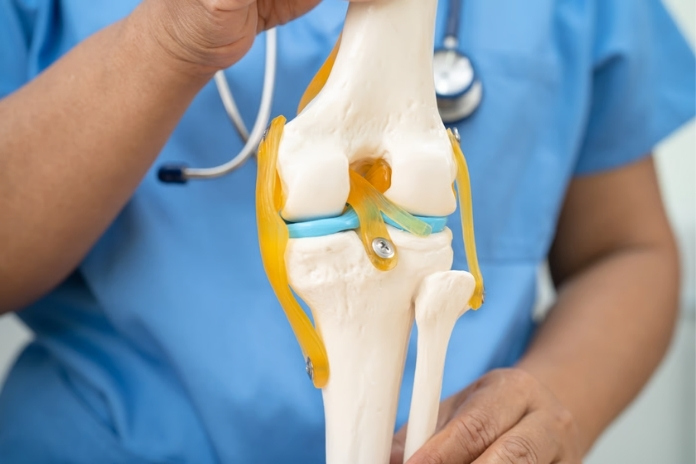
Osteoarthritis is a degenerative joint disease. Cartilage starts breaking down. The bone underneath changes, too. The joint lining changes. Even movement patterns start changing. Inflammation plays a role, but it is just one piece of whatever is happening inside.
That matters because many supplements are marketed as if reducing inflammation automatically solves the whole problem.
In the world, more than 500 million people have osteoarthritis. It is also one of the leading causes of disability in older adults. Yet the treatments with the strongest evidence remain surprisingly ordinary. Exercise. Strength training. Weight management. Physiotherapy.
Not exciting advice. But decades of research keep arriving at the same conclusion.
Still, supplements are not irrelevant. Some have accumulated enough clinical evidence to be taken seriously. Others became popular first and looked for evidence later.
That difference is bigger than most people realize.
- Exercise and weight management remain the most effective ways to manage osteoarthritis.
- Some natural supplements, especially curcumin, ginger, boswellia, and omega-3 fatty acids, may provide additional pain relief and help reduce inflammation. None can reverse cartilage damage or cure osteoarthritis.
- They work best alongside movement, healthy body weight, physiotherapy, and appropriate medical treatment when needed.
First: What Actually Helps Most in Osteoarthritis

Before talking about supplements, it is worth talking about the thing many osteoarthritis articles keep pushing into the background.
Exercise. The Osteoarthritis Research Society International (OARSI) guidelines continue to place exercise at the center of osteoarthritis management. Every few years, new supplements arrive. New injections appear. New treatments get attention. Exercise stays where it is.
There is a reason. Exercise improves things that supplements simply cannot reach. Stronger muscles support the joint better. Balance improves. Stability improves. Daily movement becomes easier.
People often focus just on reducing pain, but function also matters just as much. Being able to walk longer, climb stairs more comfortably, and stand up without support. Those things affect daily life more than a small change in a pain score.
Weight management matters for a similar reason. People usually think of weight loss as something related to metabolism. Osteoarthritis turns it into a mechanical issue. Every kilogram lost reduces the load passing through the knee joint by roughly four kilograms during walking.
That number surprises many people. Someone losing five kilograms is not just carrying less body weight. Their knees are dealing with thousands of kilograms less cumulative force over the course of a normal week.
The reason this section comes before supplements is simple. It helps set expectations. Supplements may help. Some genuinely do. But when a supplement advertisement implies it can outperform exercise and weight management, then the evidence simply never supports that claim.
Curcumin: The Supplement With the Strongest OA Evidence
If osteoarthritis supplements had to compete purely on research quality, curcumin would probably finish near the top.
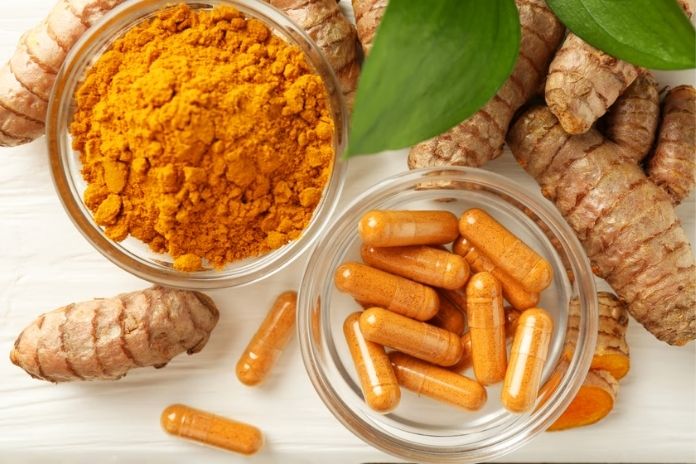
Curcumin is the main bioactive compound found in turmeric. It has been studied for osteoarthritis more extensively than most natural supplements on the market.
One reason researchers became interested in curcumin is its effect on inflammatory pathways involved in joint pain. Unlike many herbal compounds that remain stuck in laboratory studies, curcumin has now been tested in multiple human clinical trials.
A 2021 systematic review and meta-analysis published in Osteoarthritis and Cartilage found that curcumin significantly reduced pain and improved physical function in people with knee osteoarthritis compared with placebo.
That does not mean pain disappeared. It means the improvement was large enough to be measurable and clinically meaningful.
Another study that receives attention is a 2014 randomized controlled trial comparing curcumin with ibuprofen. Participants taking 1,500mg of curcumin daily experienced pain relief comparable to ibuprofen over four weeks. Curcumin also caused fewer gastrointestinal complaints.
This is one reason some patients become interested in curcumin after years of relying on anti-inflammatory medications. There is one practical issue, though. And it gets ignored surprisingly often. Curcumin absorbs poorly.
A supplement bottle may list a large curcumin dose, but that does not automatically mean the body absorbs much of it. Without an absorption enhancer, a significant portion passes through the digestive tract unchanged. “One challenge of turmeric is that curcumin and other active ingredients are not bioavailable,” says Mary-Eve Brown, a clinical dietitian.
Piperine from black pepper changes that dramatically. Research suggests it increases curcumin bioavailability by around 2,000%. Phytosome-based formulations improve absorption as well.
This means two curcumin supplements can look similar on the label while performing very differently in practice. One more thing deserves clarification.
Older articles often claimed turmeric could regenerate damaged cartilage. Human clinical trials do not support that claim. Pain reduction? Yes. Inflammation modulation? Yes. Cartilage regeneration? No convincing human evidence yet.
Ginger: More Than a Kitchen Ingredient
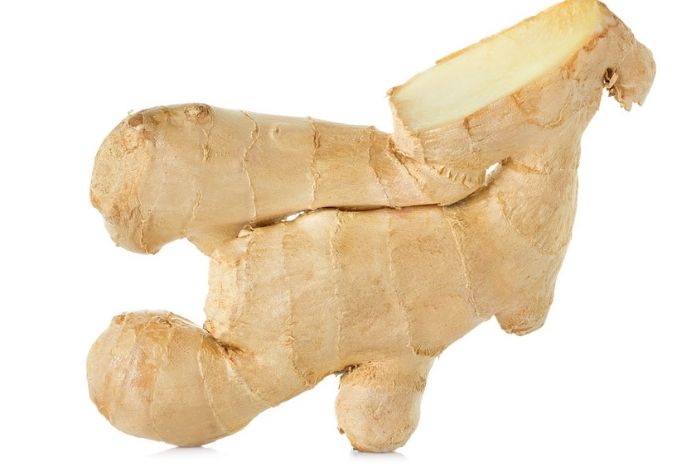
Ginger often suffers from a strange problem. Because it sits in kitchens, people sometimes assume it cannot have meaningful clinical effects. If something is common enough to go into tea, it somehow feels less serious than a supplement sold in capsules.
Ginger contains compounds called gingerols and shogaols. These compounds influence inflammatory pathways involving COX-2 enzymes and prostaglandin production. The same pathways happen to be targets for common anti-inflammatory medicines.
That does not make ginger equal to ibuprofen. But it explains why researchers decided it was worth studying. A 2015 meta-analysis published in Osteoarthritis and Cartilage reviewed five randomized controlled trials and found statistically significant improvements in knee osteoarthritis pain and disability compared with placebo.
A later study published in Nutrients in 2020 also reported anti-inflammatory benefits among osteoarthritis patients. One thing often missing from online discussions is dose.
People read about ginger and immediately think of adding a few slices to tea. There is nothing wrong with that. Fresh ginger is healthy. The issue is that most positive studies used concentrated ginger extracts. Typically between 500 mg and 1 g daily.
Those amounts are usually higher than what people consume through food alone. That does not mean culinary ginger is useless. It simply means the evidence comes from supplement-level doses instead of just occasional use in cooking.
The interesting thing about ginger research is how realistic it tends to be. Researchers are generally not claiming disease reversal. They are looking at pain reduction, mobility, stiffness, and function. In osteoarthritis, those outcomes matter a lot.
Boswellia Serrata: The Supplement That Deserves More Attention
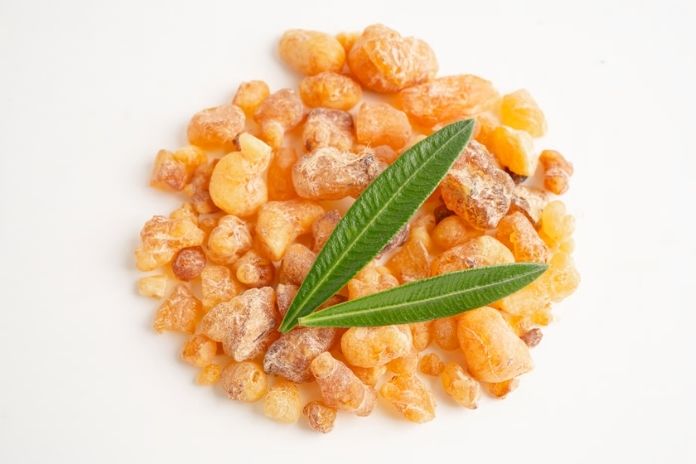
Curcumin gets attention. Ginger gets attention. Boswellia often gets ignored.
That gap has more to do with marketing than research. Boswellia serrata, sometimes called Indian frankincense, contains compounds known as boswellic acids. These compounds inhibit the 5-lipoxygenase enzyme pathway, often shortened to 5-LOX. That sounds technical, but the practical point is simple.
Boswellia targets a different inflammatory pathway than many conventional anti-inflammatory drugs. Because of that, researchers often view it as potentially complementary rather than overlapping.
A 2019 systematic review published in Phytomedicine found significant improvements in pain and physical function among people with knee osteoarthritis using boswellia supplements.
Another study published in 2020 compared boswellia with valdecoxib, a prescription anti-inflammatory drug.
One thing people should know is that Boswellia is not fast. Some supplements are marketed as if benefits appear within days. Boswellia usually takes longer. Four to eight weeks is a more realistic timeframe.
Most studies use standardized extracts providing around 100mg to 250mg daily, standardized to 60–65% boswellic acids. The fact that Boswellia remains relatively unknown despite these findings says something interesting about the supplement industry. Research quality and popularity are not always connected.
Omega-3 Fatty Acids: Looking Beyond The Joint
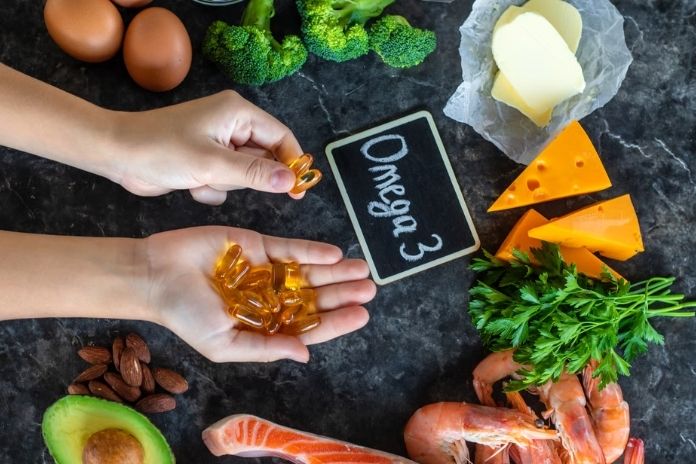
Omega-3 supplements enter the osteoarthritis discussion from a slightly different direction. They were not originally promoted for joint health.
Most people first encountered omega-3s through discussions about heart health. Researchers then noticed their broader anti-inflammatory effects and started exploring whether those effects might help conditions involving chronic inflammation.
Osteoarthritis became one of them. EPA and DHA, the two main omega-3 fatty acids found in fish oil, reduce the production of inflammatory compounds, including prostaglandins and leukotrienes.
Unlike supplements targeting one specific tissue, omega-3s influence inflammatory activity throughout the body. That wider effect may partly explain their growing evidence base.
A 2024 systematic review found significant reductions in joint pain and stiffness among osteoarthritis patients using omega-3 supplementation. Researchers also observed a dose-response relationship. Higher doses generally produced greater benefit.
The most commonly studied dose falls between 2,000 mg and 3,000 mg daily of combined EPA and DHA. For people who regularly eat salmon, sardines, mackerel, or anchovies, dietary intake may already be meaningful.
For others, supplementation becomes the practical option. One thing often overlooked is that osteoarthritis rarely exists in isolation. Many people with OA also have cardiovascular disease, obesity, metabolic syndrome, or type 2 diabetes. Omega-3s may affect several of those conditions simultaneously.
That broader relevance is one reason interest in omega-3s continues growing.
Read More: 7 Tips to Protect Your Joints and Prevent Osteoarthritis Progression
Green Tea: Interesting Research, But Not The Same Level Yet
Green tea tends to receive more attention than its evidence currently supports. This does not mean green tea is ineffective. It means the strength of evidence is different from what exists for curcumin or boswellia. The main compound researchers focus on is EGCG, short for epigallocatechin-3-gallate.
Laboratory studies show EGCG can reduce inflammatory cytokines and may inhibit enzymes involved in cartilage degradation. Some researchers describe these effects as chondroprotective. The laboratory data is genuinely interesting. The problem is that laboratory data is not the same thing as clinical evidence. Human studies remain relatively limited.
A small 2014 pilot trial found that green tea extract improved pain and function compared with a placebo over six weeks. Results were encouraging, but the study size was small.
Larger trials are still needed. This places green tea in a different category. Curcumin has multiple strong clinical studies. Boswellia has several well-designed trials. Green tea currently sits somewhere between promising and proven.
For most adults, two to four cups daily is a sensible approach.
Before You Start Any Supplement
Natural does not always mean risk-free. Although the supplements discussed above are generally well tolerated, they can interact with medications or may not be suitable for everyone.
Curcumin and omega-3 supplements may increase bleeding risk, particularly in people taking blood thinners or antiplatelet medications. They are also commonly stopped before planned surgery. Ginger may have similar effects at higher supplemental doses, and boswellia may interact with some medications or cause digestive side effects in certain people.
If you take prescription medicines, have a bleeding disorder, are pregnant or breastfeeding, or are scheduled for surgery, speak with your healthcare provider before starting any new supplement. This is especially important if you are already using NSAIDs or other medications for osteoarthritis or chronic health conditions.
Read More: Can You Prevent Osteoarthritis Progression? 6 Proven Methods for Managing Joint Health
What Does Not Have Adequate Evidence For Osteoarthritis

One of the biggest problems with older osteoarthritis articles is that they often present every herb as equally supported by evidence. That is not true. Aloe vera is a good example. Claims that aloe juice detoxifies joints, improves lubrication, or reduces joint build-up are not supported by meaningful clinical evidence in osteoarthritis patients.
There are laboratory studies showing anti-inflammatory activity from some aloe compounds. But laboratory findings and clinical outcomes are different things. At the moment, robust human evidence for aloe vera in osteoarthritis is lacking.
The same applies to eucalyptus. Topical eucalyptus oil may create temporary pain relief through counterirritant effects. Some people find it soothing. That is reasonable. What it does not mean is that drinking eucalyptus preparations treats osteoarthritis. Current clinical evidence does not support that conclusion. This section is not about dismissing traditional remedies.
It is about recognizing that evidence exists on a spectrum. Some supplements have been tested repeatedly in humans. Others have mainly theoretical support. Treating them as equal options helps nobody.
Read More: Emu Oil for Arthritis? Why It Works Differently for Osteoarthritis and Rheumatoid Arthritis
Conclusion
Osteoarthritis treatment has a hierarchy, even if many supplement advertisements pretend otherwise. Exercise and weight management remain at the top because they consistently produce the largest and most reliable benefits.
Among supplements, curcumin, ginger, boswellia, and omega-3 fatty acids have genuine clinical evidence supporting their use as complementary options. Green tea shows potential but still needs larger human studies.
The important distinction is that supplements add to a treatment plan. They do not replace one.
- Exercise continues to outperform supplements when it comes to improving function and reducing osteoarthritis symptoms.
- Curcumin has one of the strongest evidence bases among natural supplements, but absorption matters almost as much as dose.
- Boswellia remains underused despite having stronger clinical evidence than many more famous supplements.
- Most osteoarthritis supplement studies focus on symptom improvement, not long-term slowing of disease progression.
- Researchers still do not know which osteoarthritis patients respond best to which supplements. Future studies may identify subgroups who benefit more than others.
FAQs
11. Do supplements actually help osteoarthritis?
Yes, some supplements help osteoarthritis symptoms modestly. Compounds like curcumin, ginger, boswellia, and omega-3 fatty acids show clinical evidence for reducing pain and improving function. However, they do not reverse cartilage damage and work best alongside exercise, weight management, and standard medical care.
22. Is turmeric or curcumin good for osteoarthritis?
Yes, curcumin is one of the best-supported natural treatments for osteoarthritis. Clinical trials show meaningful reductions in pain and improved joint function. Its effect can be comparable to NSAIDs in some cases. Absorption improves significantly when taken with piperine or enhanced formulations.
33. What is the most effective natural treatment for osteoarthritis?
Exercise is the most effective natural treatment for osteoarthritis. Regular aerobic and strengthening exercises improve joint function, reduce pain, and preserve mobility. While supplements like curcumin or boswellia may help, they do not match the consistent benefits seen with structured physical activity.
44. Does glucosamine help with osteoarthritis?
Despite being one of the most widely sold joint supplements, glucosamine is not currently recommended for osteoarthritis. The 2019 American College of Rheumatology/Arthritis Foundation guideline strongly recommends against glucosamine (alone or with chondroitin) for knee, hip, and hand OA, since independently funded trials have not shown meaningful benefit. If you’re already taking it and it seems to help, there’s no major safety concern in continuing, but it shouldn’t replace evidence-backed options like exercise or curcumin.
5References
- Bannuru, R. R., Osani, M. C., Al-Eid, F., & Wang, C. (2018). Efficacy of curcumin and Boswellia for knee osteoarthritis: Systematic review and meta-analysis. Seminars in Arthritis and Rheumatism, 48(3), 416–429.
- Bartels, E. M., Folmer, V. N., Bliddal, H., Altman, R. D., Juhl, C., Tarp, S., Zhang, W., & Christensen, R. (2015). Efficacy and safety of ginger in osteoarthritis patients: a meta-analysis of randomized placebo-controlled trials. Osteoarthritis and Cartilage, 23(1), 13–21.
- Bert, R. J. (2021). Progress in Development of Statistically-Verifiable Successful Teaching Tools: RadExam Makes a Successful Debut. Academic Radiology.
- Van Ameyde, M., & Hodgden, J. (2022). In patients with osteoarthritis, is curcumin, compared to placebo, effective in reducing pain?. The Journal of the Oklahoma State Medical Association, 115(1), 28–30.
- Deng, W. (2023). Effect of omega-3 polyunsaturated fatty acids supplementation for patients with osteoarthritis: a meta-analysis. Journal of Orthopaedic Surgery and Research, 18(1).
- Hashempur, M. H., Sadrneshin, S., Mosavat, S. H., & Ashraf, A. (2018). Green tea (Camellia sinensis) for patients with knee osteoarthritis: A randomized open-label active-controlled clinical trial. Clinical Nutrition, 37(1), 85–90.
- Kuptniratsaikul, V., Dajpratham, P., Taechaarpornkul, W., Buntragulpoontawee, M., Lukkanapichonchut, P., Chootip, C., Saengsuwan, J., Tantayakom, K., & Laongpech, S. (2014). Efficacy and safety of Curcuma domestica extracts compared with ibuprofen in patients with knee osteoarthritis: a multicenter study. Clinical Interventions in Aging, 9, 451.
- Li, H.-Z., Liang, X.-Z., Sun, Y.-Q., Jia, H.-F., Li, J.-C., & Li, G. (2024). Global, regional, and national burdens of osteoarthritis from 1990 to 2021: findings from the 2021 global burden of disease study. Frontiers in Medicine, 11.
- Mathieu, S., Soubrier, M., Peirs, C., Monfoulet, L.-E., Boirie, Y., & Tournadre, A. (2022). A Meta-Analysis of the Impact of Nutritional Supplementation on Osteoarthritis Symptoms. Nutrients, 14(8), 1607.
- Pan, S.-L., Lien, I.-N., Yen, M.-F., Lee, T.-K., & Chen, T. H.-H. (2008). Dynamic Aspect of Functional Recovery After Stroke Using a Multistate Model. Archives of Physical Medicine and Rehabilitation, 89(6), 1054–1060.
- Shoba, G., Joy, D., Joseph, T., Majeed, M., Rajendran, R., & Srinivas, P. S. (1998). Influence of piperine on the pharmacokinetics of curcumin in animals and human volunteers. Planta Medica, 64(4), 353–356.
- Thawani, V., Pimpalkhute, S., Kabra, P., Babhulkar, S., Hingorani, L., & Sontakke, S. (2007). Open, randomized, controlled clinical trial of Boswellia serrata extract as compared to valdecoxib in osteoarthritis of knee. Indian Journal of Pharmacology, 39(1), 27.
- Vázquez, B., Avila, G., Segura, D., & Escalante, B. (1996). Antiinflammatory activity of extracts from Aloe vera gel. Journal of Ethnopharmacology, 55(1), 69–75.
- Kolasinski, S. L., Neogi, T., Hochberg, M. C., Oatis, C., Guyatt, G., Block, J., Callahan, L., Copenhaver, C., Dodge, C., Felson, D., Gellar, K., Harvey, W. F., Hawkins, H., Herzig, E., Kwoh, C. K., Nelson, A. E., Samuels, J., Scanzello, C., White, D., … Reston, J. (2020). 2019 American College of Rheumatology/Arthritis Foundation guideline for the management of osteoarthritis of the hand, hip, and knee. Arthritis Care & Research, 72(2), 149–162.
- National Center for Complementary and Integrative Health. (n.d.). Glucosamine and chondroitin for osteoarthritis: What you need to know. National Institutes of Health. Retrieved June 17, 2026
In this Article