


















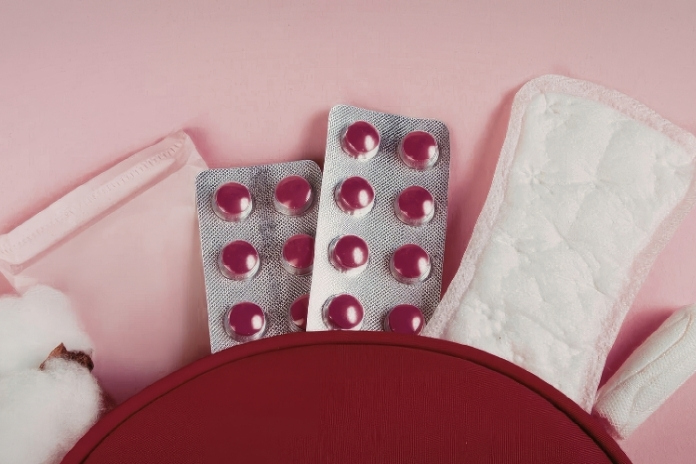
- Menstrual anemia occurs when repeated blood loss during periods lowers iron and hemoglobin levels, reducing oxygen delivery to cells and leading to fatigue and brain fog over time.
- The earliest warning sign is often low ferritin, which reflects iron stores are depleted before hemoglobin levels fall. Many standard blood tests do not include it, so requesting a ferritin test can help identify iron deficiency early.
- Treating anemia requires both replenishing iron and addressing the cause of heavy bleeding, such as fibroids, endometriosis, hormonal imbalance, or bleeding disorders
Most women have been told that feeling tired during their period is just part of it. Rest up. Take some ibuprofen. It’ll pass. And for many, it does pass, only to return the following month, slightly worse than before. What that cycle of monthly exhaustion often represents isn’t normal menstrual fatigue.
It’s anemia during menstruation: a measurable physiological process in which monthly blood loss depletes iron stores faster than diet and absorption can replace them. The result is fewer red blood cells, less hemoglobin, less oxygen delivery to every tissue in the body, and persistent fatigue.
Menstrual anemia is among the most common and most underdiagnosed forms of iron deficiency in women of reproductive age. It’s also one of the most treatable forms once identified. The problem is that the symptoms are so normalized by both patients and clinicians that the condition advances for months or years before anyone connects the dots.
Why Heavy Periods Can Lead to Anemia
How the Menstrual Cycle Affects Iron Stores
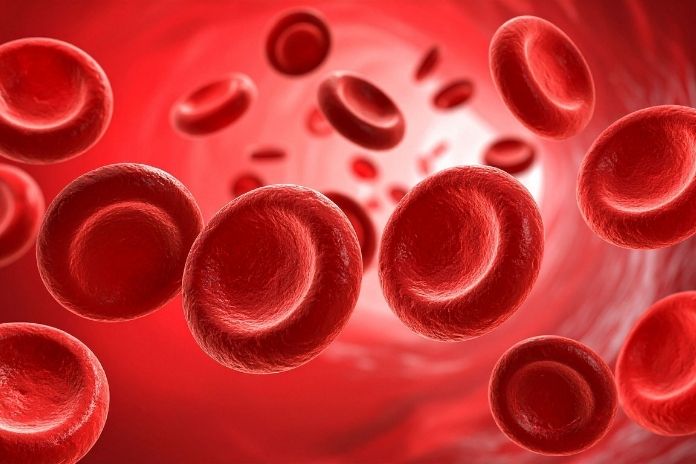
Every menstrual cycle that involves significant blood loss is also an iron-loss event. Red blood cells are rich in hemoglobin, the iron-containing protein that carries oxygen throughout the body. When those cells leave the body during menstruation, it results in iron loss.
A prospective study published in PubMed measuring iron loss across 105 women found that healthy women with normal menses lose an average of 0.87 mg of iron per cycle. Women with menorrhagia, defined as blood loss exceeding 80 mL per cycle, lose an average of 5.2 mg per cycle, roughly five to six times more.
Most of the women with heavy bleeding in this study had completely depleted iron stores by the time they were tested, even before clinical anemia developed.
The body’s typical daily dietary iron absorption runs at approximately 1 to 2 mg. When heavy periods cause iron deficiency, a monthly deficit of 5 mg or more, diet alone cannot close that gap without intervention.
What Counts as “Heavy” Bleeding
The clinical definition of menorrhagia is blood loss exceeding 80 mL per cycle, though measuring this precisely in daily life isn’t realistic.
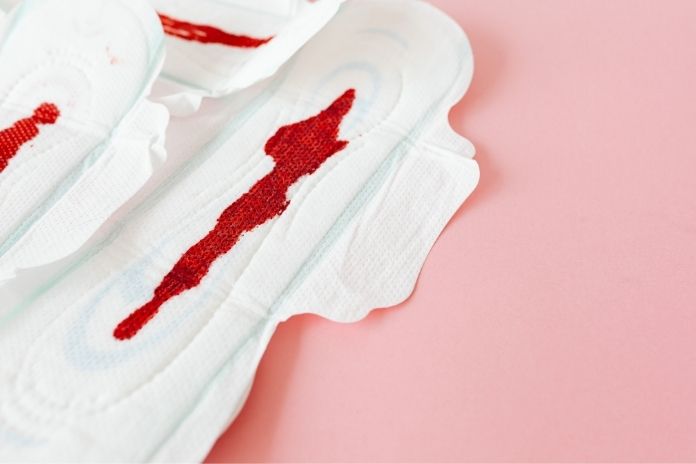
The American College of Obstetricians and Gynecologists uses a more practical framework: heavy bleeding is present when any of the following apply: bleeding lasting more than 7 days; soaking through one or more tampons or pads every hour for several consecutive hours; needing to wear more than one pad at a time; changing pads or tampons during the night, or passing clots the size of a quarter or larger.
Even a flow that doesn’t reach these thresholds can become problematic over time. Moderate but consistent monthly blood loss across years gradually erodes ferritin levels without ever triggering the dramatic symptoms that typically send someone to the doctor.
Dr. Heather Bartos, MD, frames the cumulative impact of ongoing blood loss in clear terms: “Prolonged and heavy periods can [reduce] our iron stores (and cause anemia), which can then cause fatigue, depression, and a host of other chronic illnesses,” she told HealthyWomen.
The insidious nature of this process, she notes, is that it happens so gradually that women adapt to each stage of decline without recognizing that the new normal is already a problem.
The Risk Compounds Over Time
A review published in the International Journal of Gynecology & Obstetrics described the combined burden of heavy menstrual bleeding and iron deficiency as one that “adversely impacts quality of life” not only during bleeding episodes but also daily, for as long as the iron deficit exists.
The review specifically noted that the interrelationship between these two conditions is “poorly appreciated and frequently normalized by society, healthcare providers, and affected girls and women themselves.”
Low ferritin in women can cause significant cognitive and functional impairment even when hemoglobin hasn’t yet dropped into the anemia range. Brain fog, difficulty concentrating, and persistent fatigue are features of iron deficiency without anemia, a stage the clinical literature calls NAID (non-anemic iron deficiency), which typically precedes IDA by months or longer.
Read More: Can Heavy Periods Be a Sign of Something Serious?
Recognizing the Signs of Menstrual-Related Anemia

Early Symptoms
The early signs of iron deficiency from periods are easy to explain away. Fatigue and dizziness during period days are expected. Mild lightheadedness on standing seems like low blood pressure from not eating enough. Brain fog during the week of bleeding gets attributed to hormones. These symptoms aren’t red flags in isolation. The pattern they form across multiple cycles is what matters.
Pale skin or lips, particularly noticeable in the inner eyelid or nail beds, is a more specific early indicator. The pallor reflects reduced hemoglobin concentration in the peripheral circulation. Persistent low energy throughout the cycle, not just during bleeding, is another signal that iron stores are running chronically low rather than temporarily dipping.
Moderate to Severe Signs
As hemoglobin drops further, the cardiovascular system begins compensating by increasing cardiac output: the heart works harder to deliver what oxygen remains available. Shortness of breath on mild exertion, a resting heart rate that feels elevated, and palpitations during normal activity all reflect this compensation.
Dr. Cindy Duke, MD, PhD, FACOG, identifies exactly why these cardiovascular symptoms occur: “your heart is working harder, trying to pump blood more quickly to get oxygen to your cells,” she told HealthyWomen. This isn’t a feeling to push through. It’s the body compensating for oxygen delivery that the blood can no longer provide at rest.
Brittle nails, diffuse hair loss, and pagophagia, the clinical term for craving and chewing ice compulsively, are also consistent with moderate to severe iron deficiency and should prompt testing rather than supplementation without diagnosis.
When to See a Doctor
If symptoms persist between cycles, if the pattern of fatigue has progressively worsened over months, or if any moderate-to-severe signs are present, blood testing is indicated. Waiting for the period to end and hoping it improves is not an appropriate response to symptoms that consistently return or intensify.
Diagnosing Menstrual-Related Iron Deficiency
Blood Tests That Matter
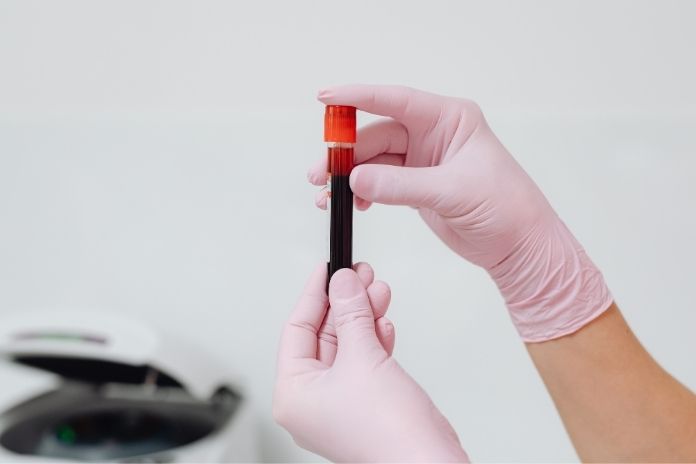
A complete blood count (CBC) will detect established anemia during menstruation by measuring hemoglobin and hematocrit. But CBC alone misses the earlier stages of iron depletion. The most sensitive early indicator is ferritin levels, which reflect stored iron and begin declining months before hemoglobin is affected.
The CMAJ’s 2025 clinical review on iron deficiency in females confirmed that serum ferritin is the gold standard for diagnosing iron deficiency states. Current clinical thresholds set iron deficiency at ferritin below 30 micrograms per liter in adults, though emerging research suggests symptoms can appear at levels below 50.
Requesting ferritin specifically, rather than relying on standard CBC results alone, is the most important step a patient can take in getting a complete picture.
Serum iron and transferrin saturation provide additional detail about circulating iron availability and how efficiently the body uses it. In women with persistent symptoms but borderline results, these tests help clarify whether the deficiency is mild or functionally significant.
Underlying Causes to Rule Out
For women with significant or worsening heavy periods and iron deficiency, the blood loss itself requires investigation. Uterine fibroids are among the most common structural causes of heavy menstrual bleeding, present in a substantial proportion of women during reproductive age.
Endometriosis, polyps, adenomyosis, hormonal imbalance, and bleeding disorders such as von Willebrand disease are all potential drivers. Thyroid dysfunction also affects cycle regularity and flow volume. A TSH test alongside iron studies provides a more complete picture for women with irregular or particularly heavy cycles.
How to Restore Iron and Energy Levels
Increase Iron Intake Through Food
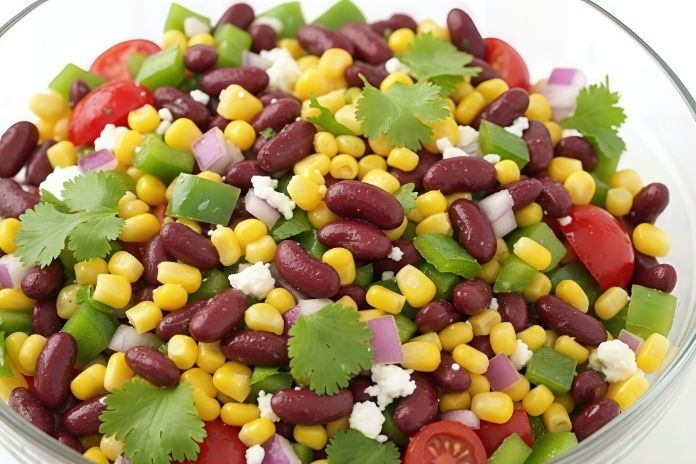
Iron-rich foods fall into two categories with different bioavailability profiles. Heme iron, found in lean red meat, poultry, and seafood, is absorbed at approximately 15 to 35%. Non-heme iron, found in lentils, kidney beans, chickpeas, spinach, tofu, and iron-fortified cereals, absorbs at 2 to 20% depending on what else is consumed alongside it.
For women with menstrual anemia, building daily meals around both categories provides a consistently stronger iron substrate than relying on either alone.
Liver, while not universally popular, is among the most concentrated dietary iron sources available. Pumpkin seeds, dark chocolate, and quinoa also contribute meaningful non-heme iron. Consistent inclusion across all meals, rather than clustering iron-heavy foods into single meals, supports steadier absorption over the day.
Pair Iron With Vitamin C
Vitamin C and iron absorption interact directly. Vitamin C reduces non-heme iron from its ferric (Fe3+) form to the more absorbable ferrous (Fe2+) form, significantly increasing uptake. Pairing iron-rich plant foods with citrus juice, bell peppers, kiwi, broccoli, or strawberries in the same meal can increase non-heme iron absorption by two to three times. This is particularly important for women who rely primarily on plant-based iron sources.
Be Mindful of Iron Blockers
Tannins in tea and coffee bind to non-heme iron and substantially reduce its absorption. Calcium competes with iron for absorption at the intestinal transporter level. Both should be separated from iron-rich meals by at least one hour, ideally two.
Phytates in whole grains and legumes also reduce iron bioavailability, though their effect can be partially offset by soaking, sprouting, or fermenting these foods, as well as by the simultaneous presence of vitamin C.
When Supplements Are Needed
When ferritin levels are confirmed low, dietary adjustment alone is typically insufficient to restore stores within a clinically meaningful timeframe. A review of clinical guidelines published in PMC found that oral iron supplementation is the preferred first-line treatment for women with confirmed iron deficiency or iron deficiency anemia associated with heavy menstrual bleeding.
Ferrous sulfate, ferrous gluconate, and ferrous bisglycinate are the most commonly prescribed oral forms. Ferrous bisglycinate tends to produce fewer gastrointestinal side effects and may improve adherence.
For women who cannot tolerate oral iron, have malabsorption conditions, or whose anemia is severe, intravenous iron infusion provides rapid repletion with fewer digestive side effects. IV iron is increasingly used before surgery or in cases where oral supplementation has failed to restore ferritin after three to four months.
Read More: Iron-Rich Leafy Green Salad: Combat Anemia Deliciously
Addressing the Root Cause of Heavy Periods
Hormonal Regulation
Hormonal interventions are among the most clinically effective tools for reducing menstrual blood loss and breaking the iron-depletion cycle at its source.
The levonorgestrel-releasing intrauterine system (LNG-IUS, commonly sold as Mirena) is the most frequently recommended option across international clinical guidelines, reducing menstrual blood loss by an average of 71 to 95% in clinical trials. Combined oral contraceptive pills, the patch, and the hormonal implant also reduce flow volume in most users.
These interventions simultaneously address the iron deficit and the mechanism that creates it, which is clinically important: treating anemia with supplements alone while ongoing heavy bleeding continues means the iron stores that supplementation rebuilds are partially lost during each cycle again.
Treat Underlying Gynecological Conditions
Dr. Taraneh Shirazian, MD, is direct about the iron-fibroid connection: “Iron-deficiency anemia is a common issue for women with fibroid disease,” she told NYU Langone Physician Focus. “Fibroid symptoms can greatly affect a woman’s quality of life.”
The broader treatment landscape has expanded significantly, she emphasizes: “Many women experience fibroid symptoms for years, unaware that there are effective nonsurgical treatment options.” These include GnRH antagonists, endometrial ablation, uterine artery embolization, and radiofrequency ablation, all of which can substantially reduce blood loss without hysterectomy.
Endometriosis and adenomyosis require similarly targeted evaluation. These conditions are frequently delayed in diagnosis, and their contribution to heavy menstrual bleeding is often the missing piece in cases where iron deficiency has become chronic.
Track and Quantify Bleeding
Menstrual tracking apps and symptom diaries help establish whether bleeding is within normal parameters or crossing into menorrhagia territory.
Noting the number of pads or tampons used per day, the presence and size of clots, and whether flow is disrupting sleep or daily activities gives the clinician actionable data rather than the subjective “pretty heavy” that most consultations begin with. Several apps include pictorial blood loss assessment tools modeled on validated clinical instruments.
Lifestyle Support for Menstrual Health and Iron Balance
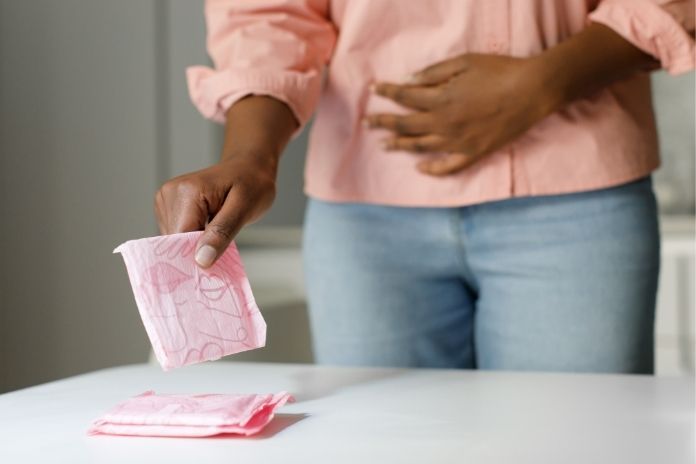
The dietary and lifestyle factors that support period fatigue causes management work best as consistent habits rather than reactive responses to symptomatic weeks.
Building meals around protein and leafy greens throughout the entire month, not just during bleeding, means iron stores are more consistently replenished. Staying well hydrated during the period itself supports blood volume and reduces the cardiovascular burden of mild anemia.
Avoiding meal-skipping during high-flow days matters: low blood sugar during already-taxing physiological conditions compounds fatigue significantly.
Gentle movement, walking, yoga, or light stretching, during heavy-flow days, improves circulation without the cardiovascular demand of high-intensity exercise. Intense training during peak bleeding days is worth reconsidering for women with active iron deficiency, as the metabolic demand increases oxygen utilization while the oxygen delivery capacity is reduced.
Preventing the Cycle from Repeating

Dr. Jessica Shepherd, MD, MBA, consistently returns to body awareness as the foundation of proactive care: “Really paying attention to how each individual body regulates itself,” she told Health Digest.
“And if you start to pay attention to how your body operates, many times you’ll find that you can be in tune with it, so you kind of know when things are going to happen and know what impacts it in a good way or not in a great way.”
That attentiveness, she explains, is what allows women to bring precise information to their healthcare provider and start working on a plan rather than continuing to normalize what may be a treatable condition.
The structural habits that prevent anemia from heavy menstrual bleeding are straightforward in principle. Annual CBC and ferritin testing, particularly for women with known heavy flow, provides an early warning system before symptoms become chronic.
Discussing blood loss volume openly with an OB-GYN rather than normalizing it prevents the years of delay between onset and diagnosis that characterizes too many cases. Maintaining an iron-supportive diet year-round, not only in the days after a heavy period, keeps stores from rebounding to minimum levels each month before the next cycle arrives.
For women already diagnosed with iron deficiency, the question of whether supplementation alone is adequate depends entirely on whether the underlying cause of blood loss has been addressed. Supplements and dietary changes close the deficit. Addressing the root cause closes the mechanism that creates it.
Key Takeaway
Menstrual anemia is common. It is not inevitable. And it is not something to accommodate indefinitely by managing symptoms month after month while the underlying physiology goes unaddressed.
The fatigue, the brain fog, the pale skin, and the breathlessness on exertion are not character traits or signs of low resilience. They are the measurable consequences of a body that loses iron faster than it can replace it, in a cycle that repeats every month until someone intervenes.
Understanding which symptoms to track, which tests to request, how to optimize iron through diet, when supplementation is necessary, and when heavy bleeding itself requires medical attention gives any woman with anemia during menstruation a complete and actionable framework. The fatigue cycle is not inevitable. It ends when it’s treated, from both directions, at once.
References
- Bartos, H. (2024). Heavy uterine bleeding and iron deficiency anemia can affect mental health, relationships and sexual health. HealthyWomen.
- Duke, C. (2024). Iron deficiency anemia and heavy periods: What’s the connection? HealthyWomen.
- Daru, J., Colman, K., Stanworth, S. J., De La Salle, B., Wood, E. M., & Pasricha, S. R. (2017). Serum ferritin as an indicator of iron deficiency across different stages of pregnancy. PLOS ONE.
- Fraser, I. S., & Munro, M. G. (2023). Heavy menstrual bleeding, iron deficiency, and iron deficiency anemia: Framing the issue. International Journal of Gynecology & Obstetrics, 162(S2), 7-13.
- Friedman, A. J., Shander, A., Martin, S. R., et al. (2020). A review of clinical guidelines on the management of iron deficiency and iron-deficiency anemia in women with heavy menstrual bleeding. Advances in Therapy, 38, 201-225.
- Shepherd, J. (2022). Alternative ways to manage your menstrual cycle, according to OB-GYN Jessica Shepherd. Health Digest.
- Shirazian, T. (2024). Offering every option for fibroid care. NYU Langone Physician Focus.
- Yarnell, E. (2025). A functional medicine menorrhagia protocol. Rupa Health.
- Zhu, A., Kaneshiro, M., & Kaunitz, J. D. (2010). Evaluation and treatment of iron deficiency anemia: A gastroenterological perspective. Digestive Diseases and Sciences, 55(3), 548-559.
- Barros, V. V., et al. (2022). Abnormal uterine bleeding and chronic iron deficiency. Revista Brasileira de Ginecologia e Obstetrícia.
- Cloudnine Hospitals. (n.d.). Iron deficiency and heavy periods: What women need to know.
- Michigan Medicine. (n.d.). Addressing disparities in abnormal menstrual bleeding and anemia.
- NeoDocs. (n.d.). Menstrual anemia connection: Smart hemoglobin monitoring for Indian women.
- Sofy. (n.d.). Things to know about anemia and your period.
- Women’s Health Services. (n.d.). Signs your periods are fueling low iron levels.
In this Article