


















- Do not pop sunburn blisters. The skin layer protects damaged tissue and prevents infection.
- Cool, clean, and protect the area. Gentle washing, shade, and petroleum jelly help healing.
- Seek medical help if blisters are large or show signs of infection. Fever, pus, or severe pain requires attention.
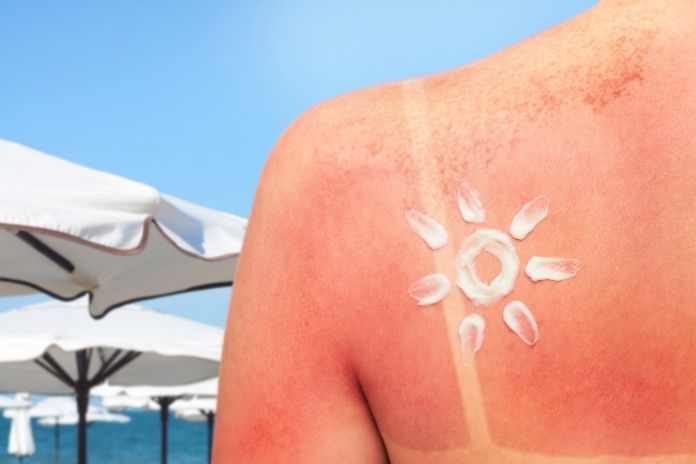
It can be revitalizing to spend a bright day outside, but a few hours later, your skin begins to blister, get red, and hurt. When sunburn blisters appear, many people immediately wonder whether they should pop sunburn blisters to relieve pressure or make them heal faster.
Dermatologists highly warn against it, even if it could seem like a quick treatment. After a second-degree sunburn, these fluid-filled bubbles serve as your body’s natural defense mechanism, shielding injured skin and promoting self-healing.
This article will discuss the causes of sunburn blisters, how to properly treat them, and what to do if they rupture on their own.
What Sunburn Blisters Actually Mean for Your Skin
You can make the best healing decisions if you know why blisters form after sunburn. Blisters are not random skin reactions; rather, they are the body’s defense mechanism.
Why Blisters Form After Severe Sunburn
An inflammatory response to ultraviolet B (UVB) radiation from the sun is known as sunburn. The severity of sunburn varies, ranging from minor irritation to second- or third-degree burns. There are a few other things to consider if you’re recovering from a severe sunburn, even though most light burns can be treated at home with oral fluids, over-the-counter painkillers, and moisturizers.
Your body tries to protect severely damaged skin from infection by forming blisters. After the first exposure to the light, they may appear a few hours to a day later. It’s crucial to avoid popping or picking at intact blisters, as this can delay healing.
Common Signs That a Sunburn Has Blistered
After you’ve spent too much time in the sun, sunburn blisters can pop up within a few hours, or sometimes, they don’t show up until a day or two later. Watch for these signs:
- Red, swollen skin that feels tender or sore.
- Small, fluid-filled blisters.
- A burning or painful sensation right where you got burned.
- In bad cases, you might even get a fever or chills.
People experiencing severe sunburn should prioritize proper blister care at home to prevent infection and support the skin’s natural healing.
How Sunburn Blisters Differ From Mild Sunburn
A lot of people mix up a regular sunburn with a blistering one, but they’re actually pretty different.
Mild sunburn usually leaves your skin red, puffy, and sore for a short time.
But when you get a blistering sunburn, that’s a whole other level. The damage goes deeper, and if you don’t take care of it the right way, you can end up with some real trouble.
Healing sunburn blisters safely requires extra caution to avoid harming the delicate skin beneath, as blistering burns are more severe.
Should You Pop a Sunburn Blister?
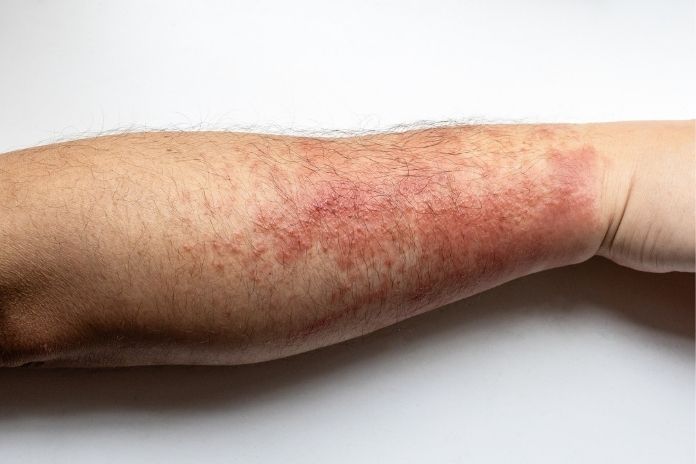
Should you pop sunburn blisters to ease pressure? is one of the most often asked questions. Experts in dermatology have a straightforward response: no.
Why Dermatology Experts Say Not to Pop It
Blisters are your body’s natural defensive dressings. The blister’s thin layer of skin serves as a barrier against environmental irritants and microorganisms.
The fluid inside the blister also contains proteins and nutrients that help tissue regeneration. Damaged cells can regenerate in a protected wound healing environment when the blister remains intact.
When the blister pops, it removes this shield, exposing the damaged skin underneath.
Research indicates that keeping blisters intact enhances healing results and reduces the chance of infection.
What Can Happen if a Blister Is Popped
Popping the blister may increase the risk of infection by exposing the delicate tissue beneath it to microorganisms. It may also cause scarring and delay healing.
Remember that immune cells and proteins found in the blister’s fluid will aid in its natural healing. Because it’s giving the afflicted area everything it needs to nurse itself back to health, avoid popping it, and do all in your power to keep it intact.
Rare Situations Where Medical Professionals May Drain a Blister
Medical professionals may occasionally drain huge blisters under controlled settings, but popping blisters yourself is not advised. It could happen when:
- The blister is rather big.
- It makes it difficult to move.
- There is a great deal of suffering.
In these situations, medical professionals properly drain the blister while maintaining the outer layer of skin using sterile equipment.
Read More: Adapalene vs. Tretinoin for Acne: Which Retinoid Works Better for Your Skin?
The Professional Approach to Treating Sunburn Blisters
If you learn how to treat sunburn blisters correctly, you can reduce complications and speed healing.
Step 1: Cool the Skin Safely
The first thing you need to do when sunburn blisters treatment is cool down the heat and calm the inflammation. Head inside if you can, or at least get into the shade. If that’s not possible, cover up with clothes, an umbrella, or anything that keeps the sun off your skin.
Jumping into a cold shower helps drop your skin temperature and eases swelling. It may sting.
Step 2: Keep the Area Clean
An essential component of taking sunburn blister care at home is maintaining hygiene. Use clean water and a mild soap to wash the area gently. Use a soft gentle towel to pat dry the skin after washing. The blister may break due to friction, so avoid rubbing it. You can use coconut oil or aloe vera. You can alleviate blisters by applying a cold compress.
Step 3: Protect the Blister
Protecting the blister is vital to safely heal sunburn blisters. Cover up with long sleeves, a hat, and also with sunglasses to keep the sun off your skin. Try not to touch or press on the blister; any extra pressure makes it more likely to pop, and that slows everything down. Let it be, and your skin will thank you.
Step 4: Support Skin Healing
Another important aspect of treating sunburn blisters is protecting the damaged skin barrier. Skip anything harsh, chemical exfoliants, lotions with alcohol, and even products with strong fragrances. Those end up irritating your skin more and slow down the healing. Stick with gentle stuff and let your skin recover.
Why Petroleum Jelly Is Often Recommended for Sunburn Blisters
Many dermatologists advocate petroleum jelly for sunburn blisters as part of an adequate treatment regimen.
How Petroleum Jelly Protects the Skin Barrier
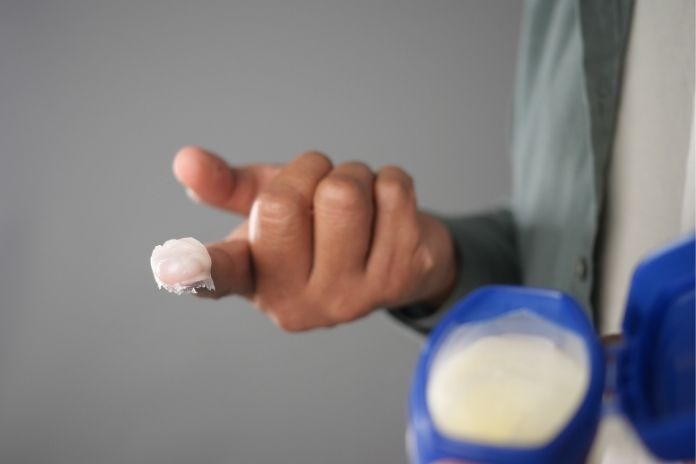
Sunburn causes the skin to lose moisture. During the healing sunburn blisters safely phase, when skin may appear flaky, keeping it hydrated helps preserve a smoother appearance. Apply a light moisturizer to your skin and use petroleum jelly to hydrate, calm, and seal in moisture if you have a minor burn.
Because petroleum jelly forms a barrier that seals in moisture and helps keep out contaminants that could worsen irritation, it is used to treat dry skin and protect small sunburns. Petroleum-based ointments can help shield wounds as they heal, according to the American Academy of Dermatology.
Why Moist Wound Healing Matters
Moisture plays a significant role in wound healing environment. Even though a lot of people think it’s best to let wounds dry out, studies show the opposite: superficial wounds actually heal about twice as fast when you keep them moist instead of letting a scab form.
Here’s why: in a moist environment, cells can move right across the surface to close up the wound. When the area’s dry, those same cells have to dig deeper to find the moisture they need, which really slows things down. Plus, moist dressings help new blood vessels and collagen form, prevent tissue from drying out, and reduce the risk of infection and scarring.
This is why maintaining a proper wound healing environment is important during sunburn blister treatment.
When and How to Apply Petroleum Jelly Safely
Using petroleum jelly for sunburn blisters appropriately can help protect the wounded skin. Dermatologists advise:
- First, give the area a gentle wash.
- Putting on a thin coating of petroleum jelly.
- If required, apply a non-stick bandage to the affected region.
Every time the skin gets dry, reapply the ointment. This easy step helps heal sunburn blisters safely and properly without irritation.
Read More: Eczema Scars: How to Heal Discoloration and Redness Safely
What to Do if a Sunburn Blister Breaks on Its Own
Blisters can occasionally spontaneously rupture due to friction or movement. Proper care becomes even more crucial if this occurs.
Safe Cleaning and Protection Steps
If your blister pops on its own, here’s what to do:
- Gently wash area with a mild soap and water.
- If it’s from a sunburn, dab on a little petroleum jelly for sunburn blisters.
- Cover it with a sterile, non-stick bandage.
These actions promote healing and infection prevention.
What to Avoid After a Blister Opens
Once the blister breaks, avoid anything that could make the injury worse.
- Don’t pick at or peel off the loose skin.
- Skip the harsh antiseptics.
- And keep that healing skin out of strong sunlight.
Following these precautions helps support the safe healing of sunburn blisters.
Signs a Sunburn Blister May Be Infected
While most sunburn blisters heal without issue, infection can occur. Being aware of the infected sunburn blister signs helps ensure prompt medical attention.
Warning Symptoms to Watch For
Typical infected sunburn blister signs include:
- Yellow or pus-filled blister discharge.
- Swelling, warmth, or redness in the surrounding area.
- Nausea, chills, or fever.
- Pain that doesn’t go away after a few days.
- Blisters that cover a significant portion of the body.
You need to get medical help if you experience any of these symptoms.
When Medical Care Is Important
You need to consult a doctor if:
- A huge portion of the body is covered in blisters.
- There is still severe discomfort.
- Signs of dehydration appear.
- Symptoms of an infection appear.
Read More: Why Is My Skin Suddenly Very Dry Even Though I Use Moisturizer — Underlying Reasons & What To Do
How Long Sunburn Blisters Usually Take to Heal
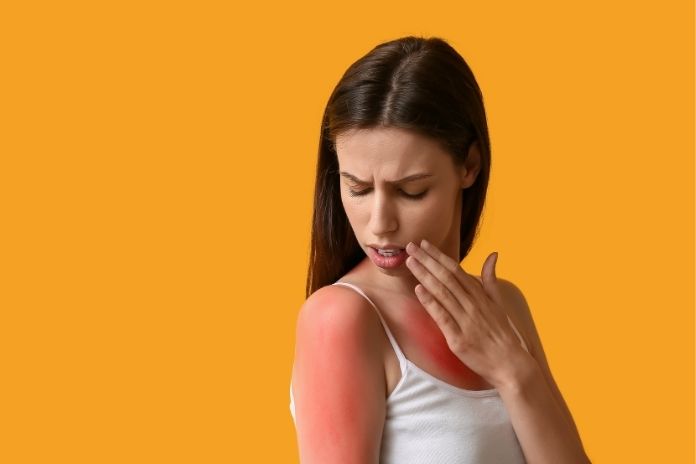
How long sunburn blisters last is a common question. The severity of the burn and skin care techniques affect the healing process.
Typical Healing Timeline
Treatment and at-home pain relief can make you feel better, and time will heal your sunburn and restore your skin. Although everyone’s skin is different, severe burns take longer to heal.
Mild sunburns heal in days. This time, you can manage symptoms and apply home remedies to reduce discomfort and inflammation. Healing skin eventually loses its pink or red color and returns to its normal color.
Moderate sunburns heal more slowly. Managing symptoms and pain will help your skin heal. As the upper layer peels away, revealing healthy skin, it may look worse before it improves. Avoid peeling to avoid infection or harm.
Sunburns with blisters can take weeks to recover. Blisters should fade on their own, but popping them might promote infection. A severe sunburn may need medical intervention. Either way, your skin may need extra care and hydration to recover.
Factors That Affect Recovery
Several factors influence how long sunburn blisters last, including:
- Burn severity
- Hydration levels
- Skin care routines
- Extended sun exposure
How to Prevent Sunburn Blisters in the Future
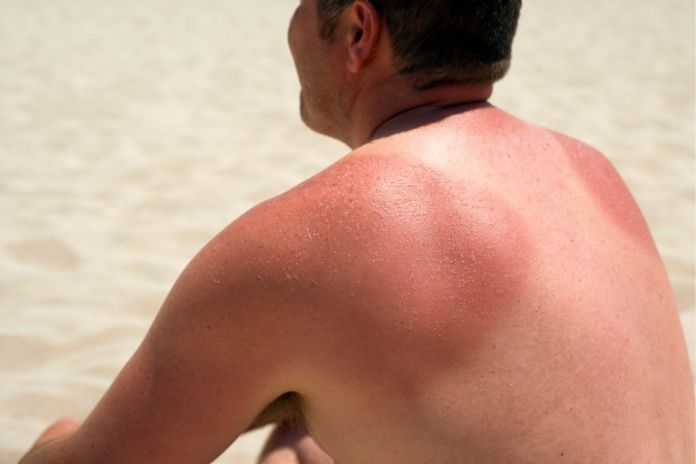
The easiest way to prevent from blisters is to avoid severe sunburn.
Sun Protection Strategies That Reduce Risk
Good sun protection consists of:
- Applying a broad-spectrum sunscreen.
- Putting on protective apparel.
- Wearing hats with a wide brim.
- Looking for shelter when the sun is at its strongest.
Reapplying Sunscreen Correctly
Proper sunscreen use is critical for preventing infections and protecting the skin. Experts advise:
- Reapply sunscreen every two hours.
- Reapplying after swimming or sweating.
Read More: Effects of Aging on the Skin: What Happens Over Time and How to Slow It Down
Conclusion
When you get blisters from a sunburn, that’s your skin’s way of saying it’s really hurt and needs a break. It’s tempting to pop those blisters and get it over with, but that opens the door to infection and slows everything down.
The best thing you can do is leave the blister alone, keep the area clean, and let your skin do its thing. Protecting the blister, maintaining cleanliness, and assisting the skin as it heals are the main goals of proper sunburn blisters treatment.
Putting petroleum jelly on the area helps keep it from drying out while it heals. But the most important thing is to let your skin recover, don’t mess with the blisters, and definitely stay out of the sun until you’re better. That’s how you avoid even more trouble.
References
- Nemours KidsHealth. (November 2019). I Got Blisters From a Sunburn. What Should I Do?
- The Hospital of Central Connecticut. (August 17, 2023). 12 Dos and Don’ts You Need to Know Before Your Next Sunburn
- TGH Urgent Care powered by Fast Track. (July 21, 2025). Sunburn Blisters: When Simple Sunburns Turn Into Something More Serious.
- Allina Health. (2025, May 27). Sunburn home remedies: Self-care to heal and treat sunburns.
- Hackensack Meridian Health. (2024, July 5). Sunburn bubbles: What they are and how to treat them.
- Vaseline. How to soothe a sunburn.
- MetroDerm. The amazing skin care benefits of petroleum jelly.
- WoundCentrics. (2026, January 27). Why moisture management matters in wound healing.
- Conway Medical Center. (2024, August 13). Should you pop a burn blister?
In this Article