


















- The best time to take resveratrol is usually in the morning with food, especially for metabolic health, but consistent daily use matters more than exact timing.
- Because resveratrol has low bioavailability, taking it with dietary fat and pairing it with compounds like piperine or quercetin may improve supplement absorption.
- Current research suggests that resveratrol may interact with circadian rhythms, sirtuins, and NAD⁺ pathways, but large human studies comparing morning vs. night timing are still limited.
Resveratrol is one of the supplements that has been discussed for many years, but is still not fully understood in day-to-day practice. Many people take it when they want a long life, heart support, inflammation control, or metabolic health. But one practical question still remains, actually unclear:
When is the best time to take resveratrol, morning or night? Resveratrol supplement timing is rarely explored seriously, even though biological processes in the body follow daily rhythms. But biology runs on timing. Hormones rise and fall. Cells repair at night.
If you search it online, then you will definitely find mixed advice. Some say morning for energy and metabolism. Others suggest night for cellular repair. But very few discussions actually explain the reasoning behind these suggestions.
This article explores when to take resveratrol for maximum health benefits, how resveratrol behaves in the body, and how resveratrol supplement timing may influence metabolism and recovery, and what current science actually suggests.
What Is Resveratrol and How Does It Work?
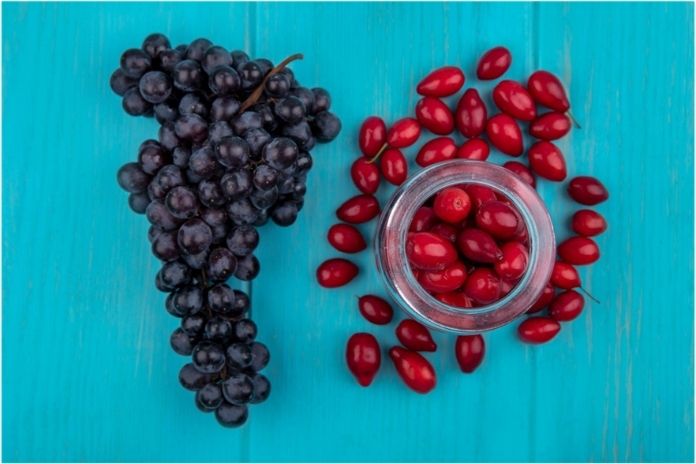
Resveratrol is a natural polyphenol found in red grapes, berries, peanuts, and even in red wine. “Red wine is fermented with grape skins, so it contains resveratrol,” says registered dietitian Julia Zumpano. “There is some resveratrol in white wine, but red wine contains three to 10 times more resveratrol compared to white wine.” It got famous because of its connection to the “French paradox”, low heart disease rates, even though people were on high-fat diets.
In the body, resveratrol works mainly through:
- Activating SIRT1 (sirtuin pathway), linked to cellular longevity
- Supporting mitochondrial function
- Reducing oxidative stress
- Influencing inflammatory signaling
- Affecting glucose metabolism
These mechanisms explain many of the commonly discussed resveratrol benefits, particularly in areas like cardiovascular health, inflammation control, and metabolic regulation.
One important point: Resveratrol has low bioavailability. It is absorbed but is quickly metabolized in the liver. So blood levels rise and fall relatively fast. This matters when we discuss timing.
It is not a stimulant. It is not a sedative. Its effects are more metabolic and cellular rather than immediately noticeable.
Does Timing Matter for Resveratrol?
Short answer: Probably yes, but never dramatically. There are three scientific reasons timing could matter:
- Circadian rhythm interaction
The SIRT1 pathway interacts with the body’s internal clock. Some animal studies suggest resveratrol may influence circadian gene expression. - Metabolic state
Resveratrol affects glucose handling and insulin sensitivity. These processes differ between morning and night. - Hormonal environment
Cortisol (stress), melatonin (sleep), and even insulin levels change across the day. These may influence how resveratrol acts.
However, large human trials comparing morning vs night dosing are lacking. Most studies only standardize timing for consistency, not for comparison.
So, the discussion is theoretical but biologically reasonable.
Another factor sometimes discussed is the timing of resveratrol dosage. Because the compound is metabolized quickly, some researchers suggest that dividing doses or aligning intake with metabolic activity might influence how long its biological effects last.
Morning vs Night: What’s Better?
Let us find out when to take resveratrol, morning vs night
1. Taking Resveratrol in the Morning
Why do some experts prefer morning:
- Alignment with metabolism
Insulin sensitivity is higher in the morning. And resveratrol supports glucose metabolism, so morning intake may align better with this physiology. - SIRT1 and daytime activity
Cellular energy pathways are more active during waking hours. Supporting them during this time may make biological sense. - Possible mild alertness effect
Some individuals report feeling slightly sharper mentally. Not like caffeine, but subtle clarity. - Lower chance of sleep interference
Although not common, a few people report light sleep disturbance when taking it late.
When morning may be ideal:
- If taking for metabolic health
- If using alongside an exercise routine
- If stacking with other daytime antioxidants
Morning dosing feels more “physiologically synchronized” with active metabolism.
2. Taking Resveratrol at Night
Now, let us consider the opposite argument.
- Cellular repair happens during sleep
Many repair pathways activate at night. Since resveratrol supports antioxidant systems, nighttime intake could theoretically enhance recovery. - Inflammation modulation overnight
Inflammatory markers fluctuate during sleep. Some researchers speculate that antioxidant support at night might influence this. - No competition with other supplements
Many people already take multiple supplements in the morning. Night dosing may reduce digestive overload.
However, two concerns:
- A minority experience mild restlessness
- If taken without food, some get stomach discomfort
Night use may be good for people who want to focus on anti-aging and cellular recovery instead of metabolic regulation.
Should You Take Resveratrol With Food?
A common question people ask is whether resveratrol should be taken with food or on an empty stomach.
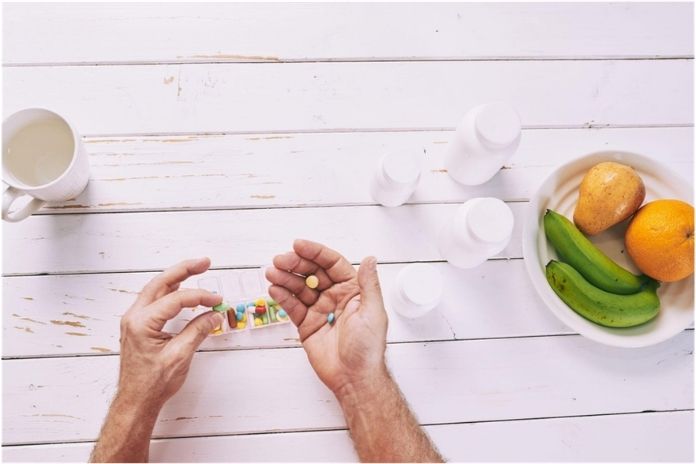
Yes, in many cases. In practice, most experts recommend taking resveratrol with food rather than on an empty stomach, especially if the meal contains healthy fats.
Resveratrol belongs to a group of fat-soluble compounds, meaning it is absorbed better when consumed with meals containing healthy fats. Resveratrol is fat-soluble. If you take it with food that contains healthy fats, it may improve absorption.
Without food, possible issues include:
- Mild nausea
- Acidic stomach discomfort
- Faster metabolism and clearance
Because of its rapid metabolism, some studies suggest that strategies that improve supplement absorption, such as taking it with fats or pairing it with piperine, can improve bioavailability, though not dramatically.
Avoid taking it with heavy alcohol. Even though it has a red wine association, combining supplement form with alcohol is never advisable.
Does Resveratrol Work Better With Other Supplements?
Yes, and this is where the discussion gets really interesting. Resveratrol is often taken with:
- Piperine – may enhance absorption
- Quercetin – may slow metabolism of resveratrol
- Nicotinamide riboside – complementary to SIRT1 activation
- Curcumin – synergistic antioxidant effect
Timing matters here.
If combining with NAD+ boosters like nicotinamide riboside, morning use may make more sense due to metabolic alignment. If combining with calming antioxidants, night could work.
One research gap: It does not have long-term human trials that study synergistic timing effects.
How Long Does It Take to Notice Effects?
Resveratrol is not just like caffeine. You will not “feel” it strongly. Short-term:
- Subtle mental clarity (some individuals)
- Mild digestive adjustment
Medium-term (4–8 weeks):
- Changes in inflammatory markers
- Better metabolic parameters (if present)
Long-term (3–6 months):
- Potential improvement in vascular function
- Better oxidative stress balance
Many benefits are measurable only through blood markers. Subjective sensation is not a reliable indicator.
Timing does not drastically change how fast effects appear. Consistency is very important.
Potential Side Effects Based on Timing

Resveratrol is generally very well tolerated, but timing can still make you uncomfortable.
Morning side effects:
- Mild nausea if taken on an empty stomach
- Headache (rare)
Night side effects:
- Light sleep disturbance (in sensitive individuals)
- Vivid dreams
Higher doses (above 500 mg daily) increase the risk of:
- Digestive upset
- Loose stools
- Interaction with blood-thinning medicines
There is no strong evidence yet that morning or night increases risk, though personal sensitivity varies.
Read More: Boost Your Platelets Naturally: The Best Foods to Eat
Who Should Avoid or Be Cautious
Be very careful if you:
- Take blood thinners
- Have bleeding disorders
- Are you pregnant or breastfeeding
- Have hormone-sensitive problems
Resveratrol modulates estrogen signaling in laboratory models, though its clinical significance remains unclear.
Kidney health is another area that deserves attention. While moderate doses appear safe for most people, high amounts may pose risks. Dr. John Lowe, a gastroenterologist, warns:
“Resveratrol is considered safe for your kidneys if taken in moderation. But in very high amounts, it might cause renal problems. People with kidney disease or other kidney problems should talk to a healthcare professional, for example, your pharmacist, before taking resveratrol supplements.”
If you have diabetes and are using medicines, then consult a physician, because resveratrol may really influence glucose levels.
Read More: 16 Grape Seed Extract Benefits – How Many Did You Know?
Practical Recommendation
If you really want a clear answer without overcomplication, then:
- For metabolic support, take it in the morning with breakfast
- For a general antioxidant/longevity focus, consume it either in the morning or early evening with food
- If sleep becomes disturbed, shift it to morning
- If digestion is bad, always take it with food that has fat
Perfect timing is more important than consistency.
In reality, resveratrol is never highly timing-sensitive like melatonin or caffeine. But aligning with your physiology improves tolerance.
Read More: Are Cotton Candy Grapes Healthy? Nutrition, Benefits, and Sugar Content
Final Thoughts
The debate of morning vs night is interesting but slightly overstated. Resveratrol’s main limitation is not timing; it is bioavailability and variability in human response.
The body metabolizes it quickly. Blood levels rise and fall within hours. But cellular signaling effects may last longer than their measurable presence.
Science has shown promise in heart health, metabolic syndrome, and even in cellular aging pathways. But still, large definitive trials are limited.
Ultimately, understanding the best time to take resveratrol is helpful, but factors such as dose, bioavailability, supplement absorption, and individual metabolism may play a bigger role.
Timing may fine-tune effects, but it is not a magic switch. We should shift the discussion from “when to take” to dose optimization, pairing strategies, safety, and individual metabolic responses. That is where real clarity is still missing.
- Resveratrol interacts with circadian biology, but human timing comparison studies are still lacking.
- Morning use aligns better with metabolic activity; night use may align with repair pathways, but evidence is indirect.
- Bioavailability remains a bigger challenge than timing. Future research should explore sustained-release forms.
- Individual variability is high. Genetics and gut metabolism likely influence response, yet are rarely studied.
- Most current recommendations are theoretical rather than based on large head-to-head clinical trials.
References
- Ávila-Román, J., Soliz-Rueda, J. R., Bravo, F. I., Aragonès, G., Suárez, M., Arola-Arnal, A., Mulero, M., Salvadó, M.-J., Arola, L., Torres-Fuentes, C., & Muguerza, B. (2021). Phenolic compounds and biological rhythms: Who takes the lead? Trends in Food Science & Technology, 113, 77–85.
- Kapar, S. G. C., Pino, M. F., Yi, F., Gutierrez-Monreal, M. A., Esser, K. A., Sparks, L. M., & Erickson, M. L. (2024). Effects of resveratrol on in vitro circadian clock gene expression in young and older human adipose-derived progenitor cells. Aging, 16(1), 1–14.
- Salla, M., Karaki, N., Kaderi, B. E., Ayoub, A. J., Younes, S., Abou, M. N., Baksh, S., & Khatib, S. E. (2024). Enhancing the Bioavailability of Resveratrol: Combine It, Derivatize It, or Encapsulate It? Pharmaceutics, 16(4), 569–569.
- Spaleniak, W., & Cuendet, M. (2023). Resveratrol as a circadian clock modulator: mechanisms of action and therapeutic applications. Molecular Biology Reports, 50(7), 6159–6170.
In this Article