



















For years, every health discussion has come back to one golden powder, turmeric. Anti-inflammatory. Antioxidant. Immunity booster.
But iron? Iron deficiency is not always prominently apparent. It is slow. It is silent. It is the reason many people feel “normal but tired.” That conversation rarely moves beyond spinach, jaggery, red meat, or iron tablets that upset the stomach.
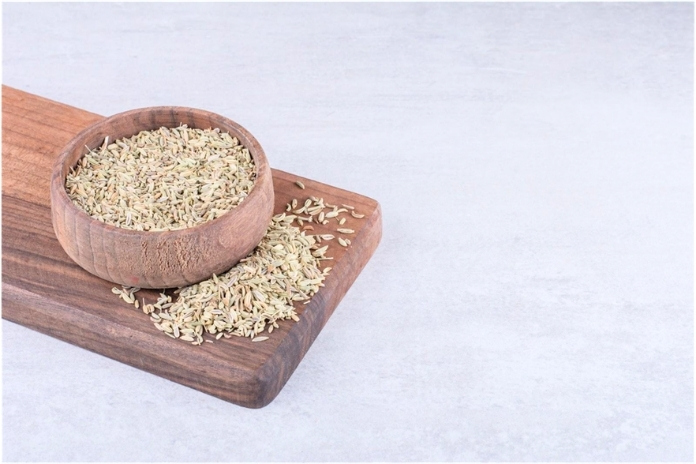
Hidden in plain sight is something very ordinary: anise seed. Not star anise. Not fennel. True anise. The small, sweet, licorice-smelling seed is mostly used as a mouth freshener or digestive tea.
One tablespoon of anise seed provides nearly 14% of your daily iron requirement. No noise. No marketing. No “superfood” tag.
This is an article not about replacing medical treatment. This is about understanding why a humble kitchen seed may deserve more attention in iron conversations, especially for people who struggle with borderline low iron, fatigue, or heavy menstrual losses.
What is “Anise Secret” that Makes it Nutritious
1. How Much Iron Is in Anise Seed?
One tablespoon (around 6–7 grams) of anise seed contains approximately 2–2.5 mg of iron.
For context:
- Adult women (19–50 years) need a daily iron intake of about 18 mg.
- Adult men need about 8 mg of iron daily.
The difference is largely physiological. As hematologist Dr. Amar Kelkar explains, “Women who are menstruating lose another 30 milligrams a month or another milligram a day through menstrual blood loss. If you add that up, you find that in women who are menstruating, the amount that you’re losing, through no pathology, but just normal processes, is just about equal to the amount that you’re absorbing.”
In other words, for many menstruating women, iron intake and loss are nearly equal, which is why even small dietary gaps can gradually lead to low ferritin or borderline anemia.
So yes, one spoonful can cover around 14% of a woman’s daily needs, and even more for a man.
This is not magical. It is simply concentration. Spices are nutrient-dense because they are dried plant structures. Water is removed. Nutrients stay compact.
Unlike leafy vegetables, which require a large volume to provide decent iron, spices offer high mineral density in small quantities.
2. Anise Seed Nutrition – The Full Nutrient Profile
Anise seed health benefits are wide-ranging. It contains:
- Calcium
- Magnesium
- Phosphorus
- Potassium
- Small amounts of copper
- Fiber
- Essential oils like anethole
The essential oil anethole gives it the sweet aroma. But it also influences digestion and mild smooth muscle relaxation.
These anise seed nutrients indirectly support red blood cell formation and metabolic health.
Iron does not work alone. Copper helps iron metabolise. Vitamin B complex (from the overall diet) supports hemoglobin synthesis. Magnesium supports enzyme activity.
So anise is not just an iron supplier; it is a total package.
Anise vs. Turmeric – Which Is Better for Iron Support?
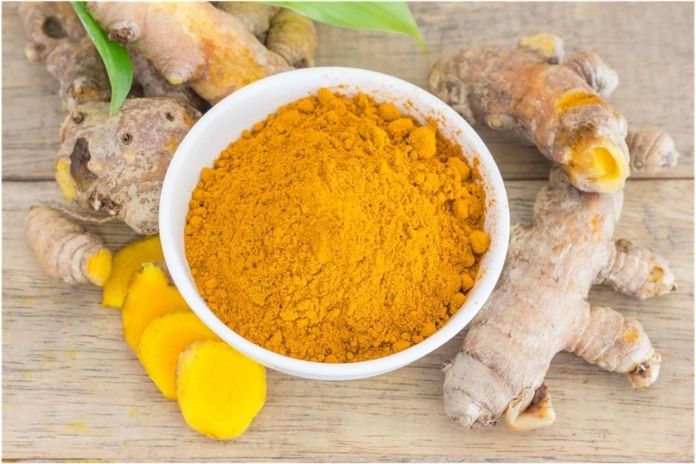
This is not a competition. Turmeric has its place. Anti-inflammatory. Antioxidant. Joint support. Skin glow. Everything. But when people assume turmeric supports iron because it is “anti-inflammatory,” that logic is incomplete.
1. Turmeric and Iron Absorption Problem
Turmeric contains curcumin. Under certain conditions, curcumin can bind to iron in the gut. Some studies suggest that high curcumin intake may slightly reduce iron absorption, especially in people who are already iron-deficient.
This does not make turmeric “bad.” It is excellent for inflammation. But if someone already has:
- Low ferritin
- Borderline hemoglobin
- Diet-related anemia
Then, high-dose turmeric regularly with iron-rich meals may not be ideal. This is rarely discussed in mainstream content around turmeric and iron absorption.
2. Why Anise Seed Wins for Iron Uptake
Anise does not contain strong iron-binding compounds, such as high-dose polyphenols or phytates, found in some plant foods.
Also:
- It has mild digestive stimulation properties.
- It increases gastric secretion slightly.
- Better digestion can mean better mineral absorption.
Iron absorption depends on stomach acid and gut function. If digestion is poor, iron tablets also fail to be absorbed. Anise supports the digestive environment rather than interfering with iron. That is its hidden advantage.
How to Use Anise Seed to Boost Daily Iron Intake
The problem with spices is consistency. People use a little pinch sometimes, then forget. Iron improvement requires regular intake.
1. Simple Ways to Add Anise to Your Diet
- Morning warm water infusion
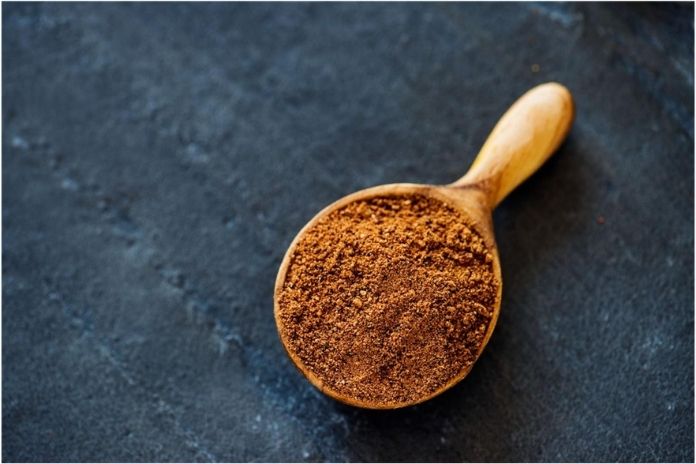
Crush 1 teaspoon lightly. Boil in water for 5–7 minutes. Drink after meals. - Roasted anise powder
Dry roast lightly. Grind. Add ½ teaspoon to buttermilk, soups, or lentils. - In homemade spice blends
Add to cumin-coriander mixes. - Post-meal chewing
Instead of only a mouth freshener, measure 1 teaspoon and chew slowly. - In iron-friendly dishes
Add to jaggery-based snacks or lentil recipes.
No need for an exotic smoothie. Keep it practical and easy.
2. Portion and Frequency
- 1 tablespoon daily is reasonable for most healthy adults.
- Divide into two smaller portions if digestion is sensitive.
- Do not exceed large quantities (more than 2 tablespoons daily) without reason.
Combine with other plant-based sources of iron. Spices are concentrated. Balance is important.
Read more: Turmeric and Black Pepper Water Every Morning May Help You Lose Inches
Iron absorption is not just about quantity. It is about the environment inside the gut. Anise seed iron is non-heme iron (plant-based). Its absorption depends on what you eat with it. Here are a few practical non-heme iron absorption tips:
1. Pairing it with a Vitamin C Source
Vitamin C boosts Iron Absorption. A few practical strategies are:
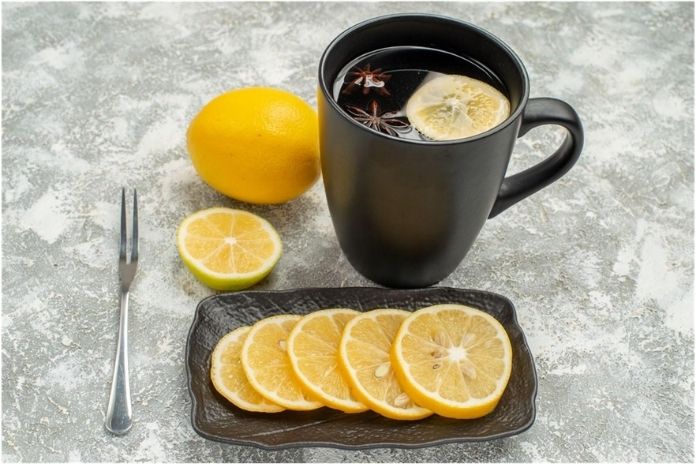
- Add lemon juice to anise tea.
- Eat citrus fruit with an iron-rich meal.
- Combine anise with tomatoes in cooking.
Small adjustments increase benefit.
2. What to Avoid Around Iron-Rich Meals
Iron absorption can be reduced when combined with:
- Tea (tannins)
- Coffee (polyphenols)
- Excess calcium at the same time
- Very high bran intake
Practical tip:
Wait at least 45–60 minutes after iron-rich meals before drinking tea or coffee.
Read more: Whole Turmeric or Curcumin Supplements: Which Is Better for Your Health Goals?
When to Consider Iron Testing or Medical Guidance
Food helps. But food is not always enough. Anise is supportive, but it is not a treatment for:
- Moderate to severe anemia
- Chronic blood loss
- Pregnancy-related iron deficiency
- Malabsorption disorders
If symptoms like those below are present, testing is required:
- Persistent fatigue
- Pale skin
- Hair thinning
- Shortness of breath
- Heavy menstrual bleeding
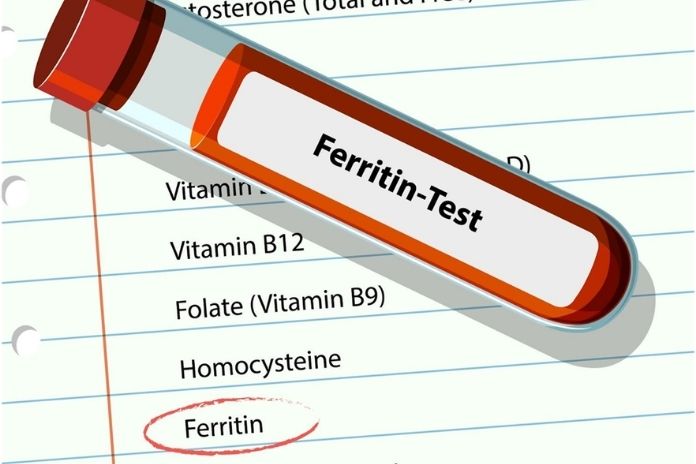
A simple blood test (hemoglobin, ferritin) gives clarity. Dietary iron supports maintenance. It does not replace prescribed iron therapy. Iron-rich spices cannot fix the underlying pathology. Never self-dose high iron tablets without lab confirmation.
As primary care internist Dr. Richard Eisenstaedt cautions, “And the consequences of absorbing too much iron may lead to liver and heart damage. So, you don’t want to do that and overcorrect what isn’t even a problem.”
Iron is essential, but it is not harmless in excess. Supplementation without confirmed deficiency can create unnecessary risk, especially in individuals with genetic conditions such as hemochromatosis.
Read More: Ginger vs Turmeric: Which Is Better for Inflammation—and When Should You Use Each?
Final Thoughts
Real nutrition often remains quietly on kitchen shelves. Anise seed is not a “magical remedy”. It will not “cure anemia in 7 days.” It will not detox your blood.
But it offers something practical. Anise seed health benefits are due to the dense mineral support it provides, even in very small quantities, especially the anise seed iron, without disturbing iron metabolism. Additionally, it gives digestive support, aromatic compounds, and practical culinary flexibility.
In nutrition, we often chase extremes. Either supplements or dramatic superfoods. But sometimes the answer is in the daily spice box. If someone is already eating a balanced diet, adding 1 spoonful daily can gradually increase intake.
Iron deficiency is rarely solved by one food. It is a pattern issue. But patterns begin with small habits. Anise can be one of those habits.
- Iron-rich spices are under-researched mineral sources. Most iron studies focus on legumes and greens rather than spice-density patterns in traditional diets.
- Iron bioavailability from culinary-level spice intake is poorly studied. We lack human trials measuring iron status after regular anise consumption.
- Turmeric’s effect on iron absorption needs more nuanced public discussion. Supplement doses differ from culinary use, but messaging is oversimplified.
- Iron conversations ignore digestive function. Absorption depends on gut health, an area where anise may indirectly help.
- Future research should compare spice-based micro-dosing of iron versus fortified foods. This is almost unexplored territory.
References
- Lee, J. (2023). Association between Coffee and Green Tea Consumption and Iron Deficiency Anemia in Korea. Korean Journal of Family Medicine, 44(2), 69–70.
- Singletary, K. W. (2022). Anise. Nutrition Today, 57(2), 96–109.
- Smith, T. J., & Ashar, B. H. (2019). Iron Deficiency Anemia Due to High-dose Turmeric. Cureus, 11(1).
In this Article