














Short Version:
- Some fermented drinks can trigger migraines due to histamine buildup.
- Beet kvass ferments quickly, which may lead to lower histamine levels
- Start small and monitor symptoms if you’re sensitive to migraines..
Are migraine attacks brought on by certain foods, beverages, and additives? “That depends” might be the most accurate response. Certain foods or drinks can trigger migraine attacks in some people, while others may tolerate the same items without any issues.
That’s why plenty of people pay close attention to what they eat, hoping to get a better handle on their migraines. Fermented foods come up a lot, thanks to all the talk about gut health. Still, if you get migraines, you might look at that sauerkraut or kombucha. and wonder if it’s worth the risk.
However, fermentation isn’t automatically the culprit. What really counts is how your body reacts to different details, like which bacteria are in play, how long the food ferments, and the levels of histamine or acidity that build up. That’s where things can get tricky for some folks.
It is where beet kvass stands out. In this article, we’ll explore why some fermented beverages may trigger migraines, what makes beet kvass different, how it supports the gut-brain axis, and how to use it as a low-histamine fermented option more safely.
Read More: Are Energy Drinks Worse Than Coffee? A Nutritionist Weighs In
Why Fermented Drinks Sometimes Trigger Migraines
Many people agree that eating fermented foods helps maintain the equilibrium of the gut microbiota. They may, however, induce inflammation in certain people.
What Is Histamine?
Your immune system uses histamine as a signaling molecule to communicate with other cells. Although histamine serves several purposes, its primary job is to trigger allergic and anaphylactic reactions.
Your body’s response to a foreign protein is an allergy. These proteins, sometimes known as allergens, are mostly benign. However, your immune system overreacts to the presence of a protein in your body if you have an allergy to it.
Why Fermented Foods Can Be Problematic
The nutritional qualities of fermented foods and their stated health benefits, such as better digestion, increased immunity, and even weight loss, have made them extremely popular. Fermented foods get a lot of hype for their health benefits, but they’re not a perfect fit for everyone.
Take probiotic-heavy favorites like kimchi, sauerkraut, and yogurt. Fermentation packs these foods with biogenic amines, exposing your body to them when you eat the foods. Certain bacteria break down amino acids and, in the process, create these amines. Tyramine and histamine show up the most in these probiotic-rich foods.
After consuming fermented foods, some people who are sensitive to histamine and other amines may experience headaches. Amines can cause headaches and migraines by altering blood flow, as they excite the central nervous system.
What Makes Beet Kvass Different — The “Low-Histamine” Ferment
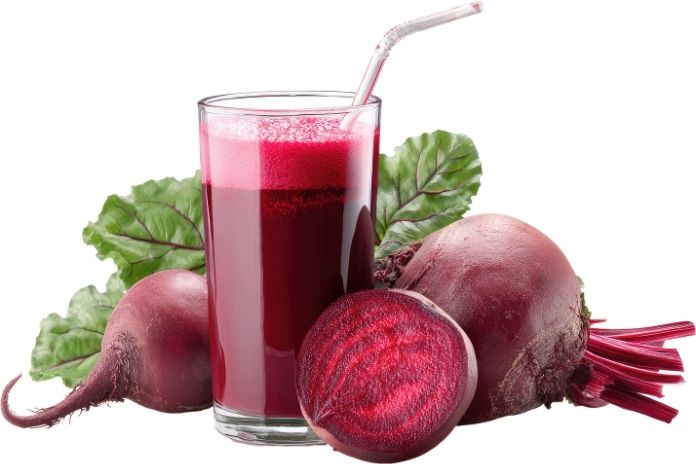
Chopped beets are fermented in a brine of saltwater to make the traditional beverage known as beet kvass. It produces carbonation and acetic acid independently of yeast and sugar metabolism, unlike kombucha.
According to Jayde MacLean, a certified holistic nutritionist, “beet kvass is a simple yet powerful addition to a wellness routine thanks to its fermentation process and nutrient density.”
Simpler Fermentation, Lower Histamine Build-Up
Lactobacillus bacteria drive the lactic acid fermentation in beet kvass. Most of the time, beet kvass is ready in four to seven days. That’s pretty quick compared to something like sauerkraut or kombucha, which can take weeks to ferment. Because of this shorter timeframe, beet kvass usually doesn’t build up as much histamine.
Kombucha is a different story. Here, yeast takes the lead, turning sugars into acetic acid and other compounds over a longer stretch. If you’re sensitive to acid or histamine, that difference matters.
Naturally Calming Ingredients
Beet kvass is a tangy, probiotic drink you make by fermenting beets, water, and salt. Lactic acid bacteria get to work on the beet sugars, and after a few days, you end up with a sour, a little fizzy, and totally refreshing drink.
It has a bold red color and an earthy flavor that people either love or need a minute to get used to, but honestly, making it is a breeze. You need a few basic ingredients and some patience, and from there, you can play around with the recipe as much as you want.
Low Acidity = Less Gut Irritation
Lactic acid gives beet kvass its mild tang. It’s not as harsh as some acids, so most people handle it just fine in small amounts. Beet kvass is loaded with probiotics, the good bacteria that keep your gut running smoothly. They help you digest food, soak up nutrients, and give your immune system a boost.
Betalains and betaine pack these foods with natural compounds that help your liver clear out toxins. These nutrients help reduce inflammation and stress in your body, allowing your liver to work better. Drink beet kvass regularly, and you really help your body detox and keep your liver running smoothly.
Read More: Homemade Electrolyte Drinks That Beat Store-Bought Versions
Signs You Might Have a Histamine Sensitivity
Histamine intolerance can be tricky because its symptoms aren’t unique—they show up in lots of other conditions, too. But if you keep noticing these signs, histamine intolerance could be the reason.
Bloating is actually the most common symptom, along with skin issues like eczema, rashes, or hives. Other symptoms may include frequent migraines or headaches, diarrhea, low blood pressure, nasal congestion, skin flushing, wheezing, and watery eyes.
Itching, heartburn, and swelling of the lips, hands, and cheeks are a few more symptoms that might occur due to histamine intolerance. The most typical symptoms of PMS are severe cramps or premenstrual headaches and disruptions in sleep.
How to Add Beet Kvass to Your Gut Health Routine
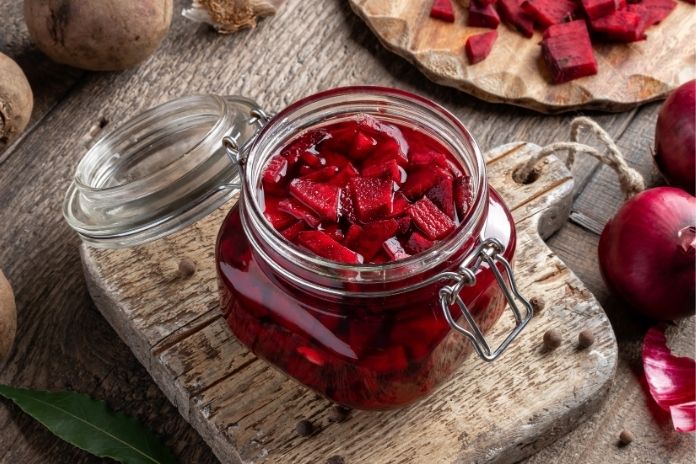
It’s important to experiment slowly if you think fermented beverages are causing your migraines.
Start with one to two ounces each day, preferably with food. Before increasing your intake, wait a few days to see how your body reacts.
If you are extremely sensitive, choose variants with little to no additional ginger or garlic. Although many people find these substances to be healthful, some histamine-sensitive persons may find them to be triggers.
To lessen the accumulation of histamine:
- Fermentation should last no more than 4-5 days
- Quickly store in the refrigerator
- Produce modest quantities
- Make use of organic, fresh beets
Combine beet kvass with foods that are low in histamine, like leafy greens and fresh lean proteins.
Expert Insight — The Gut-Brain Connection in Migraine
Both environmental factors and heredity impact migraine, a complex brain disorder. Migraines affect both identical twins in only 20% of cases. It implies that the role of genetics is not the only one. Gut bacteria may be among the environmental elements that make up the remainder of the picture.
According to studies, migraine has been linked to several gut conditions, including celiac disease, irritable bowel syndrome, and H. pylori infection.
Studies also suggest that people with migraine may have a different makeup of gut microbiota than people without migraine. Researchers spotted significant differences in the nitrate, nitrite, and nitric oxide reductase genes in bacteria such as Streptococcus and Pseudomonas when they studied people with migraines in the American Gut Project.
Nitrates are already known to trigger migraines, and they make the body release CGRP, a chemical that helps set off those migraine attacks.
Read More: 4 Morning Detox Drinks You Can Make in 2 Minutes or Less
When to Seek Medical Guidance

Tweaking your diet might make a difference, but it doesn’t replace real medical advice.
See a doctor if you notice any of these:
- Headaches that just won’t quit or keep getting worse, even after you’ve switched up what you eat.
- Any neurological signs, like confusion, weakness, or changes in your vision.
- Sudden food sensitivities that don’t make sense.
- Ongoing fatigue or digestive problems that don’t go away.
A registered dietitian specializing in histamine intolerance or migraine nutrition can help create a customized plan based on your medication use, lab results, and medical history.
Conclusion
You’re not imagining it if fermented beverages have caused headaches rather than improved digestion. Popular choices like kombucha or aged ferments might become migraine triggers for certain people due to histamine accumulation and inflammatory triggers.
Fortunately, you don’t have to abandon your gut health completely. While still lower in histamine and acidity, beet kvass offers a much gentler way to maintain the gut microbial balance through lactic acid fermentation.
References
- Cleveland Clinic. (March 28, 2023). Histamine.
- Mohammed, M. (2019, November 13). Kombucha, kimchi and yogurt: How fermented foods could be harmful to your health.
- Jenny. (2023, October 20). Fermented foods and migraine episodes: Is there a connection?
- Sutter Health. (September 27, 2024). Migraine food triggers
- Cleveland Clinic. (2024, August 27). Histamine intolerance.
- Amy Burkhart MD, RD. (2025). Histamine intolerance symptoms, diet & treatment.
- Crystal Llamas. (March 27, 2024). What the Amazing Gut-Brain Connection Means for Your Migraine.
In this Article