

















Although many people label fat as the enemy and believe they must avoid it to enjoy good health, the matter is not that simple. A balanced, healthful diet must contain a small amount of fat. Foods containing fat provide the fatty acids that the body cannot produce on its own.
In addition to providing the essential fatty acid, fat also play a very key role in nutrient absorption. Fat helps to absorb Vitamins A, D, and E. Your diet must include some added fat so your body can use these vitamins properly, since they are all fat-soluble.
However, problems arise when fat intake exceeds the body’s needs. Body fat refers to fat that is not used by cells or converted into energy. The genuine concern is not fat itself, but the quantity, type, and the conditions in which it is consumed. When the digestive system receives more fat than it can handle, it may lead to bloating, delayed stomach emptying, and digestive strain, especially after heavy, oily meals.
Over time, excessive amount of fat consumption contributes to weight gain, insulin resistance, and also high cholesterol levels, all of which disrupt normal metabolism. Understanding how much fat your body needs and choosing the right types can make the difference between supporting good health and gradually putting it at risk.
Read More: Hidden Signs You’re Not Eating Enough Healthy Fats
Why the Body Needs Fat (Before Talking About Excess)
Fat is vital for the functioning of your heart and brain, keeps your body warm, gives you energy, and aids in the absorption of essential vitamins.
In actuality, fat is necessary for the regular operation of every single cell in your body. Not to mention that fat enhances the flavor of meals. The majority of the taste and mouthfeel, the feeling you get when food is in your mouth, is carried by this molecule.
A healthy diet must include fat, but the type of fat is crucial. It is specific to you how your body reacts to the fats you consume.
In reality, fat is a vast collection of molecules with related characteristics rather than a single entity. Triglycerides are the primary kind of fat in your diet.
Triglyceride molecules from meals pass via your bloodstream to your organs and cells after you eat, where they perform a variety of functions. Your fat cells store any extra fat that your body doesn’t immediately need.
Your body can produce most, but not all, of the fats it needs. Your body cannot produce the fat known as omega-3 and omega-6 fatty acid on its own, so they are necessary lipids. You must therefore obtain them from your diet.
What Counts as “Too Much Fat”?
In general, “too much fat” refers ingesting more than around 30% of daily calories intake of fat or more than around 10% from the saturated fat, which raises the risk of high cholesterol, weight gain, and also heart disease.
Fat of any kind has a high energy content. Saturated or unsaturated fats offer 9 kcal (37 kJ) of energy per gram, while protein and carbohydrates provide 4 kcal (17 kJ).
The primary forms of fat present in the diet are:
- Saturated fats
- Unsaturated fats
Saturated and unsaturated fats are present in varying amounts in most fats and oils.
Reduce the amount of foods and beverages that contain trans and saturated fats and aim to replace some of them with unsaturated fats as part of a healthy diet.
It is advised that:
- A man’s daily intake of saturated fat should not exceed 30g
- A woman’s daily intake of saturated fat should not exceed 20g
- Kids ought to have fewer
What Happens Right After Eating Too Much Fat

Eating a high-fat meal might prompt the body to react physically right away. The digestive system must work harder to break down fat, since it takes longer than protein or carbs, which can lead to unpleasant short-term effects.
Slower Digestion and Heaviness:
The pancreas might not be generating enough digestive enzymes (mostly lipase, which breaks down fats), which can often be the reason you feel heavy, sluggish, or bloated after a fatty meal.
Poor digestion leaves that fat hanging around a little too long in the stomach and small intestine, slowing motility and often resulting in a feeling of heaviness/pressure. In cases of low pancreatic enzyme production, GI-MAP measurements usually reveal this as well.
Microbial balance and bile flow are also very crucial for fat digestion. Bile acids don’t circulate effectively when dysbiosis or low levels of helpful bacteria are present, which slows fat breakdown and makes digestion heavier.
Nausea, Bloating, or Reflux:
Fat is the macronutrient that digests the slowest out of protein, fat, and carbohydrates. This nutrient slows stomach emptying, which can lead to bloating, nausea, and stomach pain because high-fat foods contain a lot of fat.
High-fat diets can induce diarrhea, cramping, and stomach pain in persons with digestive diseases such as IBS, chronic pancreatitis, or stomach ulcers.
Effects on Energy and Blood Sugar
When discussing reducing the risk of diabetes, most people think of carbohydrates, but fat is also a crucial nutrient to consider. Fat has around nine calories per gram, compared to four for protein and carbs. It indicates that fat contains more than around twice the calories per unit of mass as both protein and carbohydrates.
Foods high in fat may make type 2 diabetes more likely. Consuming high-fat foods, such as fried foods and sugary drinks, can lead to weight gain, poor blood sugar regulation, elevated inflammation, and increased calorie intake.
When combined, these variables increase the risk of having type 2 diabetes and metabolic syndrome, is a group of disorder which includes high blood pressure, high blood sugar, and obesity.
Experts at Michigan State University Extension advise addressing all food sources in your diet, not just carbs or “sugar,” while attempting to reduce weight or lower your risk of developing diabetes.
Consuming excessive amounts of fat also raises blood cholesterol and fat levels, which increases the risk of heart attack and stroke. People who are at risk for diabetes should pay particular attention to this because they are more likely to develop heart disease and circulation issues.
Read More: 10 Ways to Promote Long-Term Fat Loss
What Happens With Repeated High-Fat Intake Over Time
Eating too much fat, even good fats, is possible. Your body measures the energy it releases during meal digestion in calories. Weight gain can occur even if you exercise regularly if you consume more calories than you burn.
Generally speaking, fats contain more calories than proteins or carbs. It indicates that they have more calories per serving.
Calories from fat are easier for your body to turn into body fat than calories from proteins or carbs. Obesity can result from eating too much fat.
Additional consequences of consuming excessive amounts of trans or saturated fat include:
- Elevated blood pressure and cholesterol.
- Elevated risk of diabetes, heart disease, or some types of cancer.
- Not feeling satisfied after eating.
Effects on Gut Health

A new study examined how a high-fat diet affects the gut microbiota. Healthy participants followed a low-, moderate-, or high-fat diet for six months. To evaluate gut health, blood and fecal samples were analyzed both before and after the trial.
According to the study’s findings, compared with a high-fat diet, the lower-fat diet resulted in the highest alpha bacterial diversity, or richness of bacterial species, in the gut. Additionally, the metabolism of long-chain fatty acids changed in those who consumed a high-fat diet.
Higher concentrations of substances that may cause inflammation followed. Increased risk of chronic inflammatory disorders, such as diabetes and heart disease, can result from elevated levels of inflammation in the body.
It’s been suggested that those who go from a low-fat, high-carb diet to a more fat-prone diet are going to be particularly ripe for these health problems that accompany the high-fat diet.
“The impact of a high-fat diet on gut microbiome structure is well established, but these results provide some of the first evidence that peripheral nerve health correlates with distinct microbiome signatures,” said Eva Feldman, M.D., Ph.D., James W. Albers Distinguished University Professor and Russel N. DeJong Professor of Neurology.
Does the Type of Fat Matter More Than the Amount?
When it comes to dietary fat, both type and amount play crucial roles in determining health outcomes. Understanding the differences between fats is just as important as keeping an eye on total intake because not all fats have the same effects on the body.
Saturated Fats versus Unsaturated Fats: A variety of meals, both savory and sweet, contain saturated fats. As well as some plant items, including palm oil and coconut oil. Other products that contain saturated fats include meat products, cream, biscuits, cakes, and soured cream; most of them are derived from animal sources, such as meat and dairy products.
Reducing your total fat intake and switching from saturated to unsaturated fats are the best ways to lower your risk of heart disease. There’s good evidence that replacing the saturated fats with some unsaturated fats can help reduce your cholesterol level.
Unsaturated fats, which are primarily included in plant and fish oils, can be either monounsaturated or polyunsaturated.
Monounsaturated and Polyunsaturated Fats: Monounsaturated fats protect your heart by lowering the blood level of “bad” LDL cholesterol while preserving levels of “good” HDL cholesterol. Olive oil, rapeseed oil, and spreads prepared from these oils, avocados, and certain nuts like peanuts, almonds, and brazils contain monounsaturated fats.
Additionally, polyunsaturated fats can help reduce blood levels of “bad” LDL cholesterol. Omega-3 and omega-6 are the two primary form of polyunsaturated lipids.
You must include small amounts of omega-3 and omega-6 fats in your diet because your body cannot produce some of them.
Read More: How Much Dark Chocolate Is Too Much? Doctors Explain Safe Daily Limits
Who Is More Sensitive to Eating Too Much Fat

After eating a high-fat meal, anyone can feel uncomfortable, but some people are more susceptible to its effects. Even modest intakes of fatty meals can cause distressing metabolic or digestive problems for certain people.
Acid Reflux: Fried foods are a typical trigger for acid reflux, which is also known as gastroesophageal reflux disease (GERD), which is well-known for producing digestive pain after meals. The explanation is that foods high in fat take longer to pass from the stomach into the small intestine. In the end, they may remain in your stomach, allowing stomach acid to seep into the esophagus and cause painful GERD symptoms.
Food Allergy: Since frying is a cooking technique rather than a food category, it is uncommon to be sensitive to every fried item. However, an allergy to the batter (breaded or otherwise), eggs, dairy, wheat flour, soy, or even the fried item itself (like fish or shellfish) is possible. Even if you are aware that you have a food allergy, it might be challenging to diagnose without carefully reading the label or asking questions when dining out.
Fat Malabsorption: A fatty food intolerance may result from the malabsorption of fat or other nutrients. It occurs when the intestines are unable to absorb nutrients adequately. Malabsorption may occur if the liver does not create enough bile or the pancreas does not produce enough digestive enzymes.
Signs Your Fat Intake May Be Too High
Consistently consuming more fat than body requires often manifests as subtle but persistent signal, since fat is very slow to break down and extremely calorie-dense. By identifying these symptoms early on, you can modify your diet before chronic health problems arise.
- Discomfort in the digestive system
- Heartburn and nausea
- Skin flare-ups
- Frequent feeling heavy after eating
- Unexplained weight increase
How to Balance Fat Intake Without Cutting It Out
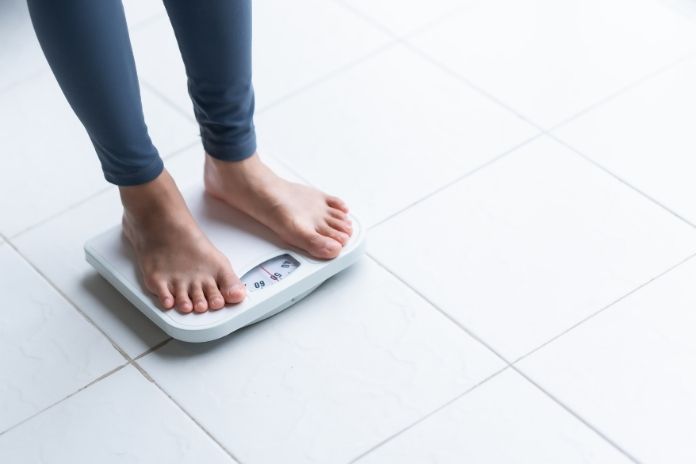
To assist you in reducing the overall quantity of fat in your diet:
- When shopping for groceries, be sure to look at the labels and choose lower-fat options.
- Look for dairy alternatives or lower-fat/reduced-fat versions of dairy products.
- Instead of frying or roasting your food, consider grilling, baking, poaching, and steaming.
- To regulate how much oil you use, use an oil spray or measure it with a teaspoon.
- Before preparing meat and poultry, remove all visible fat and skin.
- Select lower-fat, leaner meat cuts, such as reduced-fat mince and turkey breast.
Read More: What Is Protein Leverage Theory – And Could It Explain Your Cravings and Overeating?
Conclusion
Dietary fat is a necessary ingredient supporting some of our most important bodily systems, not the “bad guy” it was once considered to be. But it can go from healthy to harmful in a minute if you overdo it, affecting your metabolism, digestion, and health. It’s important to know the kind of fat and the amount of fat you’re consuming.
Reducing saturated and heavily processed fats and increasing whole-food, unsaturated fat sources can make a big difference. Given that even healthy fats are high in calories and can quickly mount up, it’s equally critical to pay attention to portion proportions.
References
- Reven Widener. (Updated on January 25, 2026). What Happens When You Eat Too Much Fat?
- Harvard Health Publishing. (2022, April 12). The truth about fats: The good, the bad, and the in-between.
- NHS. (2023, April 14). Different fats and nutrition: Fat — the facts.
- Hewings-Martin, Y. (2025, November 10). Why your body needs fat.
- Mahendran Jayaraj, MD. (2021, September 10). How fat affects your GI tract.
- Parrish, A. (2015, June 19). Fat impact on diabetes.
- DeLacey, P. (2023, June 29). How a high-fat diet may alter the gut microbiome and lead to peripheral nerve damage.
- NHS. (2023, June 19). How to eat less saturated fat.
In this Article