












Sinusitis occurs when mucus builds up in the cavities connecting the nose and the skull. The cavities swell and become inflamed as a result. The skeletal system contains numerous sinus cavities or air pockets lined with mucous membranes. Breathing becomes difficult and your nose becomes stuffy due to sinusitis, which disrupts the way mucus membranes drain.
Having nasal congestion for any duration is irritating, so it’s essential to find a treatment that works in combination with other symptoms of sinusitis.
When combined with the appropriate medication, home remedies can provide temporary relief from sinusitis symptoms. People often use home remedies for their therapeutic effects; however, it is always advisable to consult a sinus specialist before using them.
“A sinus infection has similar symptoms to the common cold, which is a viral infection of the nose and throat,” says Kevin Hur, MD, a rhinology specialist with the USC Caruso Department of Otolaryngology – Head and Neck Surgery, part of Keck Medicine of USC.
“However, a sinus infection is limited to just your nose and can be either a viral, bacterial, or fungal infection.”
Read More: How To Get Rid of A Sinus Infection Fast At Home?
The Signs of Sinusitis
After experiencing the flu or a common cold, many people end up with sinusitis.
The following are the primary signs of sinusitis:
- Discomfort, edema, and soreness in the area of your forehead, eyes, or cheeks
- A runny or blocked nose
- A diminished ability to smell
- Mucus from your nose that is either green or yellow
- A fever
Other symptoms can include:
- Tooth pain and headaches
- Bad breath
- A cough
- A feeling of pressure in the ears
Natural Remedies for Sinusitis
1. Essential Oils
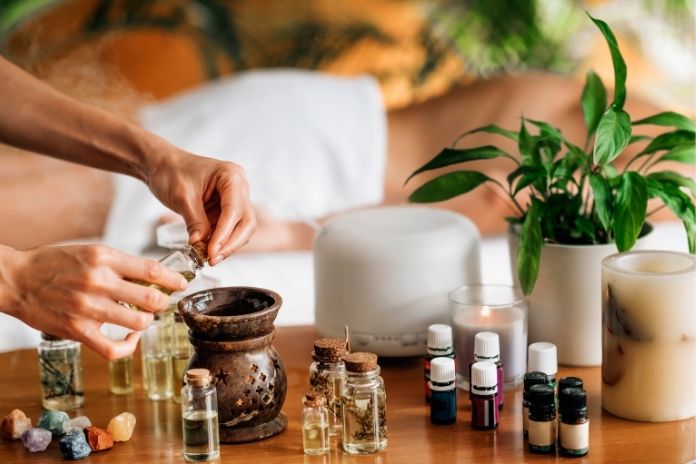
The fantastic blend of eucalyptus, lavender, and lemon essential oils works as a natural decongestant aid.
Eucalyptus oil’s potent antibacterial and anti-inflammatory properties help reduce inflammation and prevent infection. Lemon oil is a powerful analgesic that relieves pain, while lavender oil is a calming oil for the mind and body.
Method to Use: Add one to two drops of eucalyptus, lemon, and lavender essential oils to one teaspoon of any carrier oil of your choice, such as coconut oil or jojoba oil, and gently massage the diluted oil onto your forehead, temples, back of your neck, and outside edges of your nose, avoiding getting any in your eyes! Breathe deeply and slowly to relieve congestion and relax by inhaling the peaceful vapors for a few minutes.
2. Nasal Saline Sprays

A natural home remedy that does the straightforward task of keeping your sinuses moist is nasal saline sprays. They work similarly to nasal irrigation and don’t contain any medication. It can help eliminate germs before they have a chance to cause inflammation. Addiction can result from using nasal sprays excessively.
Excessive use of nasal sprays can cause damage to the nasal tissue. It can also cause ongoing nasal congestion, which may lead people to rely too heavily on the spray. Before using nasal saline sprays to treat a sinus infection, consult your doctor.
Method to Use: Slowly inhale through your nose, tilt your head slightly forward, and place the saline spray nozzle into one nostril. Squeeze gently to release the mist. Allow the solution to evaporate naturally. For the other nostril, repeat the procedure. As instructed on the product label, use it once or twice daily.
3. ACV, or Apple Cider Vinegar

ACV contains vital nutrients that help alleviate sinusitis symptoms. Apple cider vinegar helps clear out excess mucus from the sinuses while also restoring pH balance. Additionally, ACV’s antifungal and antibacterial qualities help fight the infection.
Method to Use: For sinusitis relief, mix two teaspoons of ACV with ¼ cup of water, which you can then drink.
Read More: 5 Symptoms of a sinus infection
4. Ginger Tea
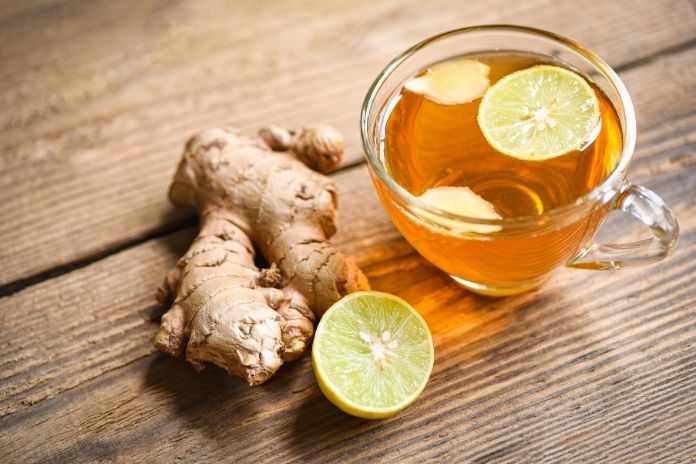
With powerful antioxidants, ginger offers a natural way to fight sinusitis. Its ability to reduce inflammation can calm the nasal lining and bring relief from discomfort. Additionally, because it is a natural antimicrobial, it aids in the treatment of sinus infections.
Method to Use: For immediate sinus relief, prepare ginger tea by adding a few pieces of ginger to one cup of water, boiling it thoroughly for 10 minutes, and then drinking it three times a day.
5. Consume Liquids

Keep yourself hydrated by drinking plenty of water or natural juices. Staying hydrated thins the mucus, making it easier for the sinuses to drain.
Consuming beverages that contain caffeine or alcohol can cause dehydration, so it is good to avoid them. It is also possible for drinking alcohol to make the swelling of the lining of the nose and sinuses even worse.
6. Extract of Grapefruit

The antioxidants and vitamin C found in grapefruit extracts help strengthen the immune system. Grapefruit extracts are abundant in vitamin C. It also exhibits antibacterial and antifungal properties, which demonstrate its value in treating sinus infections.
Additionally, grapefruit extract contains quercetin, which is a natural antihistamine.
Method to Use: To alleviate discomfort caused by nasal irritation and congestion, combine a few drops of grapefruit extract with hot water and inhale the mixture.
Read More: Breathe Better: 8 Essential Oils to Soothe Asthma Symptoms
Sinusitis Treatment
When it comes to treating sinusitis, a pharmacist or general practitioner may recommend medications such as the following:
- Steroid-based nasal sprays or drops are often prescribed to ease inflammation in the sinuses, and in some cases, they may need to be used for several months.
- Antihistamines are used if an allergy is causing your symptoms.
Occasionally, you might require antibiotics. It is not a common occurrence because a virus, rather than bacteria, typically brings on sinusitis.
If you meet any of the following criteria, your primary care physician could recommend you consult with an ENT specialist:
- After three months of treatment, I am still experiencing sinusitis.
- Any regular symptoms of sinusitis.
- Do you feel symptoms only on one side of your face?
An ENT doctor may recommend surgery for some patients.
Read More: Are You Breathing Wrong? How Mouth vs. Nose Breathing Impacts Your Health
Conclusion
Dealing with sinusitis can be uncomfortable, but there are safe ways to relieve it at home. Natural treatments are often effective in relieving pressure, reducing pain, and aiding in a quicker recovery, often without placing additional stress on the body. Anyone can use these easy, low-impact methods at home and incorporate them into daily life.
It is essential to listen to your body. If your symptoms don’t improve, come back, or suddenly worsen, it could mean that you require a doctor’s care. A doctor will be able to provide care for whatever is causing your condition.
-
June 2016Written by Abhro
-
Sep 2025Edited by Ankita
References
- https://www.avogel.co.uk/health/immune-system/sinusitis/treatment/
- https://www.netmeds.com/c/health-library/post/sinusitis-5-amazing-natural-remedies-to-unclog-stuffy-nose
- https://www.nhs.uk/conditions/sinusitis-sinus-infection/
- https://www.sinusdoctor.com/best-home-remedies-for-sinusitis/
- https://newsnetwork.mayoclinic.org/discussion/home-remedies-self-help-for-sinusitis/
- https://www.keckmedicine.org/provider/Kevin-Hur/
In this Article