















Bipolar disorder is more than mood swings. It’s a complex psychiatric condition involving cycles of mania, hypomania, and depression that can disrupt sleep, relationships, and daily functioning. Medication and therapy remain the cornerstones of treatment, but many people wonder what natural treatment for bipolar disorder might look like alongside their existing care plan.
The honest answer: some natural approaches have real research support, others are promising but early-stage, and a few carry genuine risks. This article clearly covers all three, without overpromising.
- Natural approaches can support, but never replace, medication and professional care.
- Omega-3 fatty acids and regular moderate exercise have the strongest evidence for the depressive phase.
- Several supplements (SAMe, St. John’s Wort) can trigger mania or interact with medications; always check with your doctor first.
- Sleep consistency is one of the most powerful and underused tools for mood stability.
Understanding Bipolar Disorder
Bipolar disorder involves unusual shifts in mood, energy, and activity levels. There are three main types:
- Bipolar I: Manic episodes lasting at least seven days, often severe enough to require hospitalization, with depressive episodes also common.
- Bipolar II: A pattern of depressive and hypomanic episodes, without full mania.
- Cyclothymic Disorder: Milder but persistent mood fluctuations lasting at least two years.
Common symptoms include racing thoughts, disrupted sleep, impulsive behavior, and periods of deep depression. Early diagnosis and a consistent treatment plan are essential for improving quality of life.
Read More: Schizoaffective vs. Bipolar Disorder: What the 2-Week Psychosis Rule Really Means
“The more we study bipolar disorder, the more we appreciate its complexity, especially around the onset of symptoms and in the underserved,” said Manpreet K. Singh, MD, an associate professor of psychiatry and behavioral sciences at Stanford University. “There isn’t going to be a single genetic marker, research tool, or treatment plan that resolves this complexity.”
Why Consider Natural Treatments?
Natural approaches, used alongside prescribed treatment, may help reduce symptom burden, improve daily functioning, and support overall well-being. They work best as additions to a care plan. Not substitutes for it.
Any new supplement or lifestyle change should be discussed with your doctor, since some can interact with mood stabilizers or antidepressants.
Integrating Natural Treatments with Conventional Therapy
A holistic approach addresses the physical, emotional, and social dimensions of bipolar disorder together.
That means working with psychiatrists, therapists, and your primary care provider to build a plan that covers medication, talk therapy, and lifestyle supports. Regular check-ins allow your team to adjust the plan based on how you’re responding.
Read More: Paranoid Personality Disorder: Understanding Causes, Symptoms, and Treatment
Natural Ways To Treat Bipolar Disorder
Integrating natural treatments with conventional therapy gives people more tools to actively manage their condition. Here are 16 approaches worth knowing about.
1. Omega-3 Fatty Acids (Fish Oil)

Fish oil is among the most studied natural supplements for bipolar disorder. Countries with higher fish consumption show lower rates of the condition, and the research offers some explanation: a meta-analysis of five clinical datasets found a significant effect of omega-3 supplementation on bipolar depressive symptoms, with a moderate effect size.
A landmark double-blind trial found that patients taking omega-3s had significantly longer periods of remission than those on placebo. The evidence is strongest for the depressive phase; effects on mania are less clear. Good dietary sources include salmon, sardines, and mackerel. Talk to your doctor before adding high-dose supplements, as they can interact with blood thinners.
A 2023 randomized controlled trial also found that omega-3 supplementation reduced the recurrence of bipolar depression compared to placebo over six months, with good tolerability.
2. N-Acetylcysteine (NAC)
NAC is an antioxidant supplement and glutathione precursor that has emerged as a promising adjunct for bipolar depression.
A double-blind, placebo-controlled trial published in Biological Psychiatry found that NAC significantly improved depressive symptoms and functioning in bipolar disorder over 24 weeks. A 2024 updated meta-analysis found that the optimal dose for alleviating depressive symptoms appears to be 1,000–2,750 mg daily.
Evidence is still evolving. Larger trials are underway, but the safety profile is generally favorable. Discuss with your doctor before starting, as NAC can have liver-related considerations at high doses.
3. Rhodiola

Rhodiola is an ancient adaptogenic herb used historically to address stress and low mood. A study published in Phytomedicine found that Rhodiola produced a meaningful antidepressant effect with fewer side effects than sertraline in mild-to-moderate depression, though it was less potent overall.
Doctors note its mild stimulating properties, which means it should not be used as a standalone treatment for bipolar disorder and may carry a small risk of triggering hypomania in susceptible individuals.
4. Magnesium

When it comes to natural home remedies for bipolar disorder, magnesium plays a meaningful role. Research suggests it supports mood and overall mental wellbeing, and some evidence links magnesium deficiency to worsened depressive and manic episodes.
Natural sources include nuts, leafy greens, whole grains, and bananas. If dietary intake is insufficient, supplements are an option, though dosage should be guided by a healthcare provider.
5. SAMe (S-Adenosylmethionine)
SAMe is a coenzyme naturally produced in the body. It has shown benefit for depressive symptoms in several studies. The key caution here: too much SAMe can push the body toward mania, making dosage and medical supervision essential.
It can also interact with antidepressants. Never start SAMe without discussing it with your psychiatrist first.
6. Choline
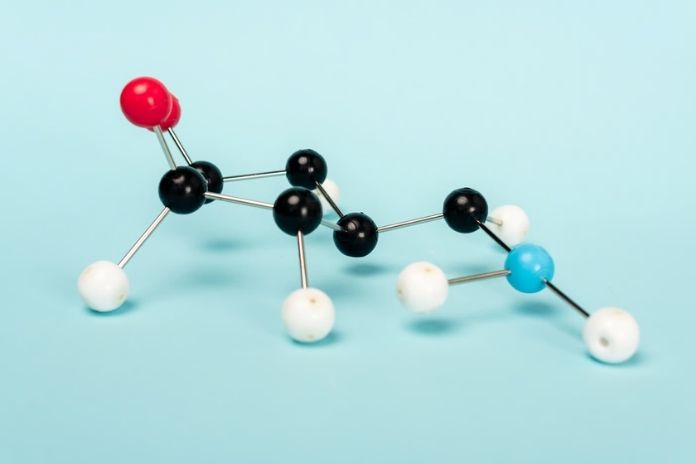
Choline is a water-soluble nutrient that has shown early promise for managing manic episodes. A study with six participants found that those with rapid-cycling bipolar disorder reported improved symptoms at dosages of 2,000–7,200 mg.
The sample size is small, and this should be considered preliminary, but it points to an interesting avenue worth discussing with your doctor.
7. Get Consistent Sleep

Disrupted sleep is both a symptom and a trigger of bipolar episodes. Stabilizing your sleep schedule is one of the most practical and evidence-supported bipolar disorder home remedies available.
Concrete steps that help: go to bed and wake at the same time every day, even on weekends; avoid caffeine after 2 p.m.; keep your bedroom cool and dark; and avoid alcohol within three hours of bedtime, since alcohol fragments sleep architecture and worsens mood the next day.
If sleep problems persist despite consistent habits, talk to your doctor. Underlying sleep disorders are common in people with bipolar disorder.
Read More: Coping with Seasonal Affective Disorder (SAD): Effective Strategies for Managing Symptoms
8. Regular Exercise

Exercise is one of the most well-supported lifestyle interventions for managing bipolar disorder naturally. A systematic review in PubMed found that physical activity was consistently associated with fewer depressive symptoms, better quality of life, and improved functioning in people with bipolar disorder.
Exercise raises brain-derived neurotrophic factor (BDNF), which supports neurogenesis and mood regulation.
A note of caution: very intense exercise has been associated with triggering hypomanic or manic symptoms in some individuals. Moderate, rhythmic activities, such as walking, swimming, and cycling, appear most consistently beneficial. Aim for 30 minutes, three to five days a week, and build gradually.
Read More: Signs and Symptoms of Histrionic Personality Disorder (HPD)
9. Balanced Nutrition

Your brain runs on what you eat. A diet rich in whole foods, fiber, leafy greens, lean proteins, and healthy fats helps regulate serotonin and other neurochemicals that influence mood.
Erratic eating patterns, such as skipping meals, bingeing during manic phases, and losing appetite during depressive ones can destabilize blood sugar and compound mood shifts. Eating at consistent times each day is itself a stabilizing routine.
Some research also suggests that probiotic-rich foods like yogurt, sauerkraut, and miso may support gut-brain communication pathways relevant to mood, though specific evidence in bipolar disorder is still emerging.
10. Yoga and Mindfulness Meditation

Mindfulness-based practices help manage the stress that frequently triggers or worsens episodes. A study found improvements in cognitive functioning in people with bipolar disorder following mindfulness-based cognitive therapy (MBCT).
Yoga combines breathing techniques, physical movement, and meditation. All of which support stress reduction and sleep quality. These practices work best as supplements to therapy, not replacements for it.
11. Stress Management

Stress is among the most consistent triggers of bipolar episodes. Different strategies work for different people: box breathing, progressive muscle relaxation, time in nature, creative outlets, or simply building more white space into an overloaded schedule.
A 2023 cross-sectional study of 100 patients with bipolar disorder in a depressive episode found that 73% reported stressful life events (SLEs), with 65% mild/moderate and 8% severe; SLEs were significantly linked to “very severe” depression severity.
Structured stress management can reduce both the frequency and severity of mood episodes over time.
12. Journaling

Keeping a mood journal helps you track patterns. What preceded an episode, what helped, what made things worse. Over time, this creates a personalized map of your triggers and supports that no app or article can generate for you.
Consistent journaling also gives your treatment team better information to work with.
13. Distance Yourself from Toxic Relationships

High-conflict or unsupportive relationships are a documented stressor that can worsen bipolar symptoms.
Protecting your environment, building a circle of people who understand your condition and don’t inadvertently trigger it, is a legitimate, evidence-informed part of managing mental health.
Read More: OCD: Causes, Symptoms, Types, Diagnosis, Treatment, Everything
14. Light Therapy
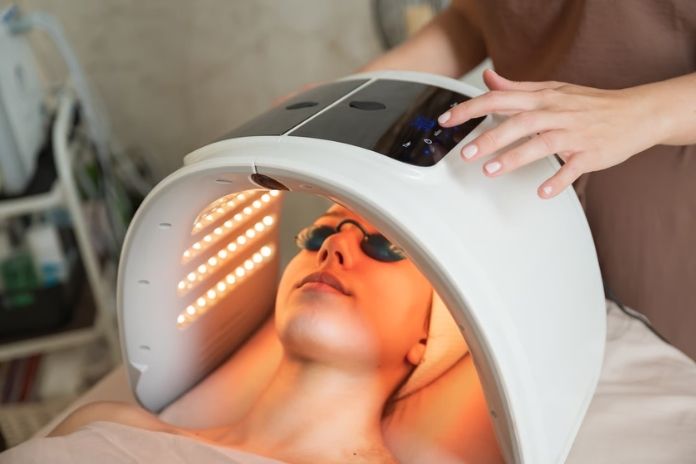
Light therapy helps reset the circadian rhythm, which is frequently dysregulated in bipolar disorder. Controlled exposure to bright light in the morning can support mood stability, particularly during depressive phases.
A 2023 pilot study tested bright light therapy (BLT) in bipolar depression patients already on antidepressants. The treatment group used 10,000 lux for 30 minutes, four times weekly over eight weeks, showing significant improvements in depression scores by week four.
Timing matters: poorly timed light exposure can trigger hypomania. Work with your doctor before starting, as the protocol needs careful calibration.
15. Quit Smoking and Reduce Alcohol
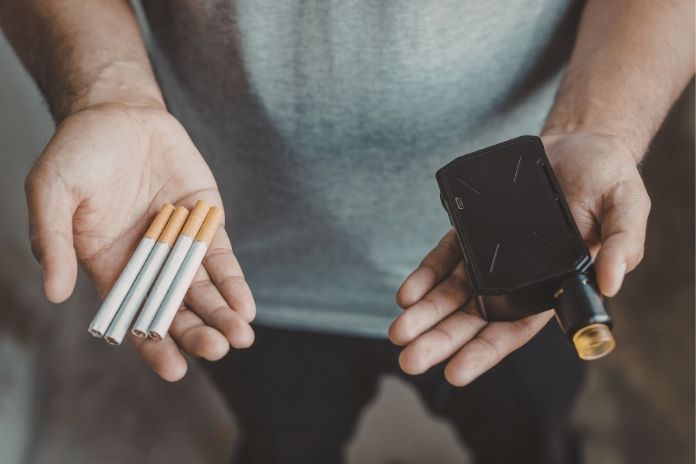
People with bipolar disorder face elevated rates of substance use disorders. Both alcohol and nicotine directly affect mood, sleep, and the effectiveness of psychiatric medications. Alcohol in particular can worsen depressive symptoms and disrupt sleep architecture, creating a cycle that undermines recovery.
Reducing or eliminating both is one of the clearest lifestyle steps with consistent evidence behind it.
16. St. John’s Wort — Use With Caution

St. John’s Wort is commonly used in parts of Europe for mood management, but it carries meaningful risks in bipolar disorder.
The NCCIH notes it can trigger manic episodes and interacts with lithium, antidepressants, and other psychiatric medications. It should only be considered under direct medical supervision. And in many cases, psychiatrists advise against it entirely for people with bipolar disorder.
Read More: 14 Ways to Cope with Seasonal Depression for Sustained Mental Health
When to See a Doctor
Natural treatments are supportive tools, not substitutes for professional care. Seek immediate help if you or someone you know experiences: thoughts of self-harm or suicide, a manic episode involving risky behavior, a depressive episode that makes daily function impossible, or any sudden or dramatic change in mood or behavior.
If you are in crisis, call or text 988 (Suicide and Crisis Lifeline) or go to your nearest emergency room.
The Depression and Bipolar Support Alliance (DBSA) offers peer support groups and resources specifically for people living with bipolar disorder and their families.
Conclusion
Among the natural approaches to managing bipolar disorder, omega-3 fatty acids and regular moderate exercise have the most consistent research support, particularly for the depressive phase. Structured sleep hygiene, stress reduction, and mindfulness are close behind, with strong practical evidence, even if the bipolar-specific trial data are still growing.
It’s important to be realistic: no natural remedy cures bipolar disorder or replaces mood stabilizers and therapy. These approaches can reduce the frequency and severity of episodes, improve your overall resilience, and make your prescribed treatment more effective.
If natural supplements are part of your plan, always loop in your prescribing doctor. Drug-supplement interactions in bipolar disorder are real and sometimes serious.
Finally, if episodes become more frequent, more intense, or start affecting your safety, that is the signal to return to your treatment team promptly. Managing bipolar disorder is a long game, and working with professionals is always the strongest play.

References
- Berk, M., Copolov, D. L., Dean, O., Lu, K., Jeavons, S., Schapkaitz, I., Anderson-Hunt, M., & Bush, A. I. (2008). N-acetyl cysteine for depressive symptoms in bipolar disorder — a double-blind randomized placebo-controlled trial. Biological Psychiatry, 64(6), 468–475.
- Lafer, B., Duarte, C. C., Greve, J. M. D., Silva, P. R. D. S., de Almeida, K. M., Belizario, G. O., & Neves, L. M. (2023). Structured physical exercise for bipolar depression: An open-label, proof-of-concept study. International Journal of Bipolar Disorders, 11(1), 14.
- Sarris, J., Mischoulon, D., & Schweitzer, I. (2012). Omega-3 for bipolar disorder: Meta-analyses of use in mania and bipolar depression. Journal of Clinical Psychiatry, 73(1), 81–86.
- Stoll, A. L., Severus, W. E., Freeman, M. P., Rueter, S., Zboyan, H. A., Diamond, E., Cress, K. K., & Marangell, L. B. (1999). Omega 3 fatty acids in bipolar disorder: A preliminary double-blind, placebo-controlled trial. Archives of General Psychiatry, 56(5), 407–412.
- Su, K.-P., Matsuoka, Y., & Pae, C.-U. (2023). Omega-3 polyunsaturated fatty acids in the prevention of relapse in patients with stable bipolar disorder. Psychiatry Research.
- Thomson, D., Turner, A., Lauder, S., Gigler, M. E., Berk, L., Singh, A. B., Pasco, J. A., Berk, M., & Sylvia, L. (2016). Exercise in bipolar patients: A systematic review. Journal of Affective Disorders, 198, 32–38.
- Kasper, S., & Dienel, A. (2002). Multicenter, randomized, double-blind, active comparator study of Rhodiola rosea extract versus sertraline in mild to moderate depression. Phytomedicine.
In this Article