















Nearly 1 in 3 women between the ages of 14 and 49 deal with bacterial vaginosis (BV) at some point. It is common, but that never makes it simple. The problem many face is not just getting BV, but experiencing it repeatedly.
Antibiotics work, yes. But many people notice something actually frustrating: symptoms go, then come back after a few weeks. That is where interest in home remedies for bacterial vaginosis starts. People want something really more stable, something that just fixes the root.
This article is not promising miracle cures. It is about what actually has some science behind it, what is low-risk, and what is frankly a waste of time or even harmful. Let’s see what really works and how to get rid of BV at home.
Important Note: Always confirm the diagnosis first. BV can look very similar to a yeast infection or even a sexually transmitted infection (STI). Treating the wrong thing at home only keeps delaying proper care.
- BV is caused by bacterial imbalance, not just infection. Recurrence is common because good bacteria don’t rebuild easily.
- Best-supported home options: probiotics, boric acid, oral garlic supplements. Avoid douching, internal ACV, and raw garlic use.
- Antibiotics are still the main treatment, and BV home remedies are just a support, never a replacement.
Read More: 14 Natural Remedies For Bacterial Vaginosis That Work
What Is BV and Why Does It Keep Coming Back?
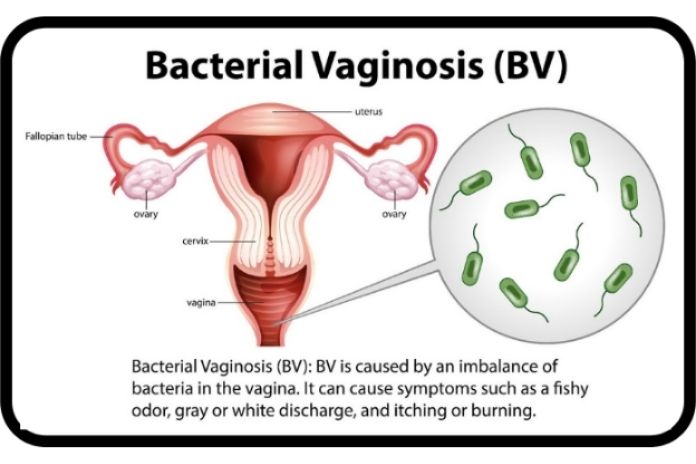
BV is not exactly an infection like typical ones. It is more like a shift in balance. Normally, the vagina has mostly Lactobacillus bacteria. These keep vaginal pH balance slightly acidic and protect against harmful microbes. In BV, these good bacteria are reduced, and other bacteria take over.
Common signs:
- Thin gray or white discharge
- Strong fishy smell (especially after sex)
- Mild itching or burning
- Sometimes there are no symptoms at all
Now, an important confusion: BV vs yeast infection.
- BV: Fishy smell, thin discharge
- Yeast: Thick, curdy discharge, no strong smell, more itching
Many treat yeast when it is actually BV, and then nothing improves. Why BV comes back:
- Antibiotics kill both bad and good bacteria
- Good bacteria (Lactobacillus) do not rebuild quickly
- Vaginal pH remains unstable
- Lifestyle factors keep disturbing the balance
Studies show 50–80% recurrence within one year. That is why antibiotics are often not enough. Home approaches help mostly in:
- Supporting recovery after antibiotics
- Reducing recurrence
- Mild early symptoms
BV vs Yeast Infection, A Quick Comparison
Health Essentials
BV vs Yeast Infection – Quick Comparison
| Feature | BV (Bacterial Vaginosis) | Yeast Infection |
|---|---|---|
| Discharge | Thin, gray/white | Thick, curd-like |
| Smell | Fishy | Usually none |
| Itching | Mild | Intense |
| Cause | Bacterial imbalance | Fungal overgrowth |
| Treatment | Antibiotics | Antifungals |
Home Remedies That May Help
Not all “natural remedies for BV” are equal. Some have real evidence, some are just internet trends.
Probiotics (Oral or Vaginal)—Most Evidence
This is the most logical one. BV is basically a loss of good bacteria. So adding back Lactobacillus strains makes sense. But not all probiotics for bacterial vaginosis are the same. Important strains:
- Lactobacillus rhamnosus
- Lactobacillus reuteri
- Lactobacillus crispatus
“More often than not, when women seek out probiotics, they’re doing it in an attempt to ease discomfort caused by two of them: bacterial vaginosis and yeast infection,” says Dr. Caroline Mitchell, an obstetrician/gynecologist. Research is mixed, but the pattern is clear. It helps more in preventing recurrence, but works better after antibiotics, not alone in severe cases.
How to use:
- Oral capsules daily (look for 1–10 billion CFU)
- Yogurt and kefir are supportive, but not enough alone
Simple Understanding: This is not a quick fix. It is more like rebuilding soil after damage.
Takeaway: Probably the safest and most reasonable thing to try long-term.
Boric Acid Suppositories: Strong Supporting Evidence
Boric acid for BV helps by lowering vaginal pH and making the environment hostile to harmful bacteria. It is often used in recurrent BV cases, especially when antibiotics alone are not enough. How to use:
- 600 mg vaginal capsule
- Usually once daily for 7–14 days (doctor guidance preferred)
Safety Note:
- Never swallow; toxic if taken orally
- Do not use for BV during pregnancy
- Can irritate if used unnecessarily
CDC guidelines for bacterial vaginosis (BV) primarily recommend antibiotics like metronidazole or tinidazole as first-line treatments, with boric acid noted as an alternative for recurrent cases only after consulting a clinician.
Oral Garlic Supplements: Emerging Evidence
This one surprises many. There is at least one study where garlic tablets performed similarly to metronidazole (a standard antibiotic), with fewer side effects. But a big mistake people make: Inserting raw garlic inside. This can burn tissue inside. Garlic has natural antimicrobial compounds, but it’s best to be used as an oral supplement, not locally.
Also:
- Can interact with some medicines (like HIV drugs)
- Can increase bleeding risk if taken in high doses
Takeaway: Tablet form shows promise. Raw garlic used inside is risky and unnecessary.
Vitamin D: Low-Risk Addition
This is more indirect. Low vitamin D levels are linked with higher BV risk. The exact mechanism is not fully clear, but it likely affects immune response and microbial balance. Some studies suggest that around 2000 IU daily may help reduce recurrence. It is simple, cheap, and benefits overall health.
Takeaway: Not a recurrent bacterial vaginosis treatment, but useful support, especially if a deficiency exists.
Dietary Adjustments: Indirect but Supportive
Food does not directly cure BV. But it influences gut bacteria, which may influence vaginal flora indirectly. Helpful patterns:
- Fermented foods (yogurt, kefir, kimchi)
- High-fiber diet (feeds good bacteria)
Things that may worsen the imbalance: excess sugar and frequent alcohol use. No need for a strict diet. But consistent habits matter. No magic diet, but stable gut health helps stability overall.
What NOT to Do: Skip These “Remedies”
This is where most mistakes happen.
Douching
Many think cleaning inside helps. Actually, it:
- Removes good bacteria
- Increases BV risk
- Makes recurrence more likely
Avoid completely.
Inserting Garlic Vaginally
Popular online trend. Reality:
- Can cause burns
- Introduces new bacteria
- No proper evidence
Tea Tree Oil (Internal Use)
Strong and irritating. No good evidence for BV internally. External diluted use is okay, but internal application is risky.
Apple Cider Vinegar (Internal Use)
No strong clinical evidence about apple cider vinegar for BV. An external diluted rinse has a low risk. Internal use or douching is never recommended.
Hydrogen Peroxide Douches
Sometimes promoted. Problem:
- Kills both good and bad bacteria
- Disturbs the balance further
Hygiene & Lifestyle Habits That Help
These look very simple, but they are really important, more than expected.
- Wash the outer area using water or mild soap only
- Avoid products with strong scents (sprays and washes)
- Wear cotton underwear
- Change wet clothes quickly
- Use condoms (especially with new partners)
- Urinate after intercourse
- Avoid tight synthetic clothing
These steps reduce disturbance in the vaginal environment.
Read More: What Vaginal Discharge Color Says About Your Health
When to See a Doctor
Home care has limits. “Self-diagnosing may be okay if it’s that problem which you’ve had so many times already,” says Dr. Page Kimber, a gynecologist. “But if this is the first time you’re having these symptoms, then you should see your doctor before ever trying to treat it yourself,” she notes.
You should see a doctor if:
- Signs of BV not improving in 3-5 days
- BV keeps coming back (3+ times/year)
- There is a fever or pelvic pain.
- You are pregnant
- You are unsure if it is BV or something else
Important Note: Antibiotics (like metronidazole or clindamycin) are still very effective treatments. BV home remedies are just like a support, never a replacement, when the infection is active.
Read More: Best Probiotics for Vaginal Health: Strains, Benefits, and How to Choose the Right One
Final Thoughts
If we look honestly, only a few options stand strong for how to treat BV without antibiotics:
- Probiotics for rebuilding balance
- Boric acid for recurrent cases (carefully used)
- Oral garlic supplements are promising but still have limited evidence
Most other “natural fixes” are either weak or misleading. Home remedies for bacterial vaginosis work best when used as preventatives, mixed with the right diagnosis, and never replacing medical treatment whenever needed.
- BV is a balance problem, not just an infection, which is why recurrence is actually high.
- Probiotics help more in the maintenance phase, not as a quick cure.
- Boric acid is effective, but safety matters a lot.
- Many popular BV home remedies (douching, ACV, and even garlic insertion) are more harmful than actually helpful.
- We still lack strong long-term studies comparing natural vs. antibiotic combination approaches, especially for recurrent BV.

References
- Faught, B. M., & Reyes, S. (2019). Characterization and treatment of recurrent bacterial vaginosis. Journal of Women S Health, 28(9), 1218–1226.
- Modarres, M., Taheri, M., Baheiraei, A., Foroushani, A., & Nikmanesh, B. (2015). Treatment of vitamin D deficiency is an effective method in the elimination of asymptomatic bacterial vaginosis: A placebo-controlled randomized clinical trial. The Indian Journal of Medical Research, 141(6), 799.
- Mohammadzadeh, F., Dolatian, M., Jorjani, M., Majd, H. A., & Borumandnia, N. (2014). Comparing the therapeutic effects of garlic tablet and oral metronidazole on bacterial vaginosis: a randomized controlled clinical trial. Iranian Red Crescent Medical Journal, 16(7), e19118.
In this Article