
















Eating fruit before the gym actually makes sense, but many people still skip it or think it is not enough food. Then they go to workout and feel tired in the first 10–15 minutes only. That feeling is not laziness. It is just that the body is not getting quick fuel.
When you exercise, your body just needs something simple that can break down fast and give energy. Fruit does that job in a very straightforward way. No confusion, no extra load on the stomach.
The problem is that people either eat nothing or eat too much heavy food before gym. Both situations are not good. Fruit sits in the middle. Light but still gives energy. That is why it works better than many common pre-workout snacks.
- Fruit gives fast carbs, which fuel workouts properly.
- It is best to eat 30–60 minutes before the gym. Bananas and dates are the easiest options. Helps avoid early fatigue and low energy. .
- Light on the stomach, so better than heavy snacks before a workout.
Your Muscles Run on Carbohydrates: That’s the Short Answer
The body mainly uses carbohydrates when you are doing any proper workout. Weight training, cardio, HIIT, and anything where intensity is there, muscles depend on glycogen. Glycogen is just a stored carbohydrate in muscles and the liver.
When the workout starts, the body starts breaking glycogen into glucose. This glucose is used immediately for energy. If glycogen is low, then you feel weak faster. You may notice that weights feel heavier than usual, or you cannot complete your sets properly.
Now, here is one more thing that happens that many people don’t think about. If carbohydrates are not available, the body may start using protein also for energy. That means muscle breakdown. This is the opposite of why you are going to the gym.
Fruit helps avoid this situation in a simple way. It gives glucose, which goes directly into the blood. It also gives fructose, which goes to the liver and helps maintain blood sugar levels during a workout. This is important, especially if you are training in the morning. After a full night’s sleep, liver glycogen is already low.
Also, fruit does not have fat, and protein is very low. So digestion is faster. It does not sit in the stomach like a heavy meal. So energy becomes available at the right time, not after the workout is finished.
Why Fruit Works Better Than Most Pre-Workout Snacks at the 30–60 Minute Mark
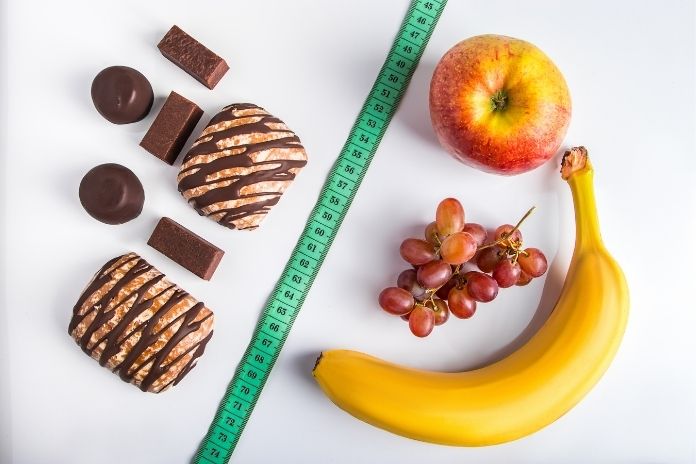
Timing is something most people ignore. The same food can feel good or bad depending on when you eat.
Eating heavy foods like fried items, a large sandwich, or even too much peanut butter before a workout can slow digestion. Blood flow shifts more toward the stomach, which can leave you feeling sluggish during exercise and may even cause mild nausea. This is a very common experience.
Even high-fiber food in large amounts can create problems. Like eating too much salad or very fibrous fruits just before the gym. It can cause bloating or gas when you start moving.
Fruit strikes a good balance. It contains some fiber, but not too much, enough to slow sugar release without upsetting the stomach in small portions. Since it’s mostly water and carbohydrates, the body digests and uses it easily.
Also, many packaged pre-workout snacks are not actually ideal before a workout. They may have too much fat or too much protein. Protein is important, but it isn’t the primary fuel during exercise—carbohydrates are. Fruit provides readily available carbs without added heaviness, making it a convenient pre-workout option.
One more practical point: fruit requires no preparation. You don’t need to cook or mix anything, which makes it easy to stick with. And that consistency matters more than a “perfect” nutrition plan.
The Best Fruits to Eat Before the Gym, and Why Each Works
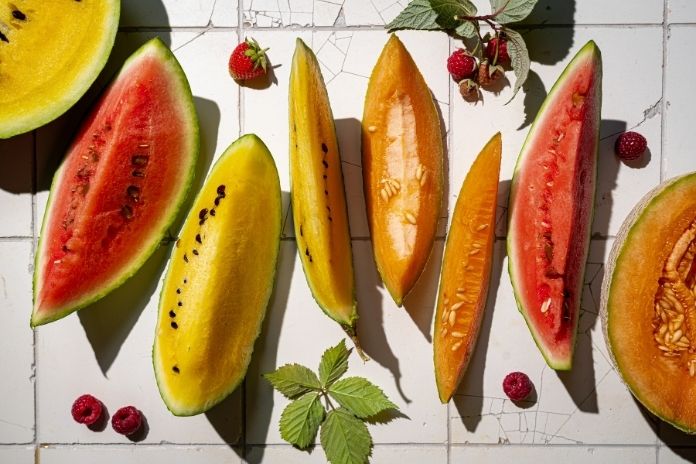
Not every fruit behaves the same in the body. Some give faster energy, some are better when you have more time, and some help with hydration also. So the choice of the best pre-workout food depends on your timing and type of workout.
Ranked by use case
1. Banana: Best all-rounder
Banana is the most simple and reliable option. “A banana 30 minutes before a workout gives your body the fuel it needs to perform better and last longer,” explains Dr. Archana Batra, a dietitian. One medium banana gives around 25–30 grams of carbohydrates. That is enough for many normal gym sessions.
It also contains potassium, which is important for muscle contraction. When potassium levels are low, cramps can occur more easily, this is one reason bananas are often helpful.
A big advantage is convenience. You can carry this fruit anywhere and eat it in 1 minute. That is why many people naturally prefer bananas even without knowing science.
2. Dates: Best for fast fuel
Dates are small but energy-dense. Just 3 dates give around 18 grams of carbs. They digest fast and give quick energy.
If you are getting late for the gym and only have 10–15 minutes, dates work better than most fruits. They don’t feel heavy. Many athletes use them during running or cycling, also.
But do not eat too many at once. They are small, so people eat more, and their stomachs can feel uncomfortable.
3. Watermelon: Best for hydration and a light feeling
Watermelon is mostly water, around 90%. So it helps with hydration also, not just energy. If you are training in hot weather or sweating a lot, this can be useful. “The quick-digesting carbohydrates in fruit can actually complement pre-workout to increase energy during exercise,” says Matt Mazzino, a registered dietitian. It also contains L-citrulline, which is linked to better blood flow. But watermelon alone may not be enough for a long, heavy workout because carbs are lower.
4. Berries: Best for recovery support as well
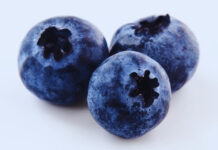
Berries like blueberries and cherries are not very high in sugar compared to bananas. But they have antioxidants.
During a workout, the body creates stress at the cellular level. Too much of it can increase soreness later. Berries help reduce that.
So when you eat berries before a workout, you are also aiming for recovery. They can be used before and after both. But again, for energy alone, they may not be enough. It’s better to combine them with another carbohydrate source.
4. Mango or pineapple: Better if eaten few hours before a workout
These fruits are a bit heavier compared to bananas or berries. They have more total sugar and fiber. So they work better when you eat them at least 1–2 hours before a workout. Not ideal, if eaten just 20–30 minutes before, in large quantities.
Pineapple has bromelain, which helps with inflammation. Mango has vitamin B6, which is used in energy metabolism.
Read More: 5 Ways to Support Healthy Blood Sugar With Your Daily Drinks
Timing: When to Eat Fruit Before the Gym
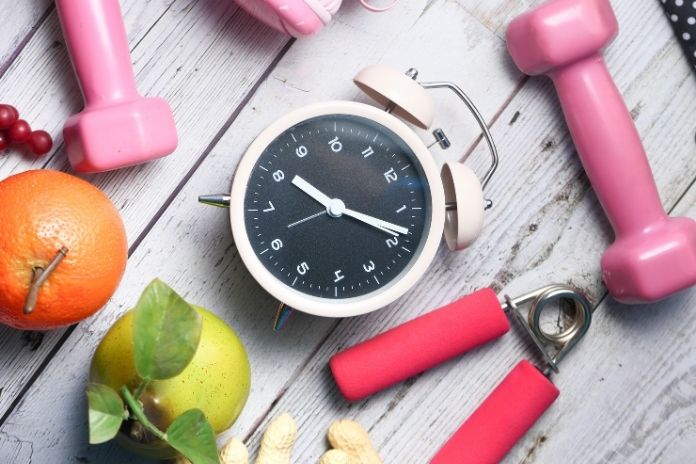
Timing changes everything. The same fruit can feel perfect or uncomfortable depending on when you eat.
1. 2–4 hours before workout
At this time, fruit should be part of a full meal. Like oats with banana, or roti with some fruit on the side, or yogurt with mango. You can include protein and some fat also, because the body has enough time to digest. This type of meal gives long-lasting energy.
2. 60–90 minutes before workout
Here you can combine fruit with a small amount of protein. Like banana with curd, apple with peanut butter, or berries with paneer or yogurt. Protein helps with muscle repair but should not be too much. Otherwise, digestion becomes slow.
3. 30–45 minutes before workout
This is the best time for fruit alone. Simple, easy. One banana or a few dates, or a small bowl of berries. This is the most practical option for the daily routine.
4. Under 30 minutes before workout
Only a small quantity. Like 1–2 dates or a few bites of a banana. More than that can cause discomfort because food is still in the stomach when the workout starts.
Read More: How to Avoid Fungal Infections: 7 Daily Habits That Protect Your Skin
One Thing Many People Don’t Realize About Eating Fruits Before a Workout

Most people think fruit is just for “energy.” But it also helps in maintaining blood sugar levels during a workout.
Especially in the morning. After a full night, liver glycogen is already used up to maintain body functions. So when you start the workout without eating, your blood sugar can drop faster. That is why some people feel dizzy or shaky in the morning at the gym.
Fructose in fruit helps refill liver glycogen. This keeps blood sugar stable during a workout. So you can feel more steady energy, not a sudden drop.
Also, fruit has water content. Even small hydration support before a workout can make a difference. People usually think only about drinking water, but food also contributes.
Further, fruit reduces the chance of overeating later. If you go to the gym completely on an empty stomach, after a workout, hunger becomes very high, and people end up eating too much junk. A small quantity of fruit before a workout can help control overeating post workout.
Read More: Wellness on a Budget: 15 Affordable Healthy Habits Anyone Can Adopt
Conclusion
Eating fruit works before gym because it matches what the body needs at that time: simple carbohydrates, fast digestion, and no unnecessary load. It is not about being “clean” or “natural.” It is just a practical choice.
If pre-workout snack timing is right and quantity is controlled, fruit can improve how you feel during a workout.
- Pre-workout fruit is not just a “healthy snack”; it is practical fuel that matches how the body uses energy during exercise.
- A combination of glucose and fructose in fruit supports both muscles and the liver, which many processed snacks don’t consider.
- Digestion comfort is a big factor; fruit reduces the chances of heaviness compared to fat-heavy pre-workout foods.
- The choice of eating fruit before the exercise should depend on timing, not just nutritional value.
- There is still not much real-world research comparing fruit vs. commercial pre-workout snacks in the gym population, especially for strength training.
FAQs
1. Is it good to eat fruit before a workout?
Yes, eating fruit before the gym is actually one of the easiest and most effective options before a workout, especially if you are eating within 30–60 minutes. Fruit gives quick carbohydrates that the body can use immediately for energy.
2. Which fruit is best to eat before the gym?
A banana before a workout is good because it provide a good amount of carbs before the gym, is easy to digest, and supports muscle function. Dates are better if you need very fast energy just before a workout. Watermelon helps with hydration, while berries add antioxidant support along with some carbohydrates.
3. How long before a workout should I eat fruit?
If you are eating fruit alone, 30–45 minutes before a workout is ideal because it gives enough time for digestion and energy release. If you are adding protein like yogurt or nuts, then a 60–90 minute gap is better. For full meals with fruit, you should keep a gap of about 2–4 hours.
References
- Cleveland Clinic. (2023, February 20). 5 Health Benefits of Bananas.
- Murray, B., & Rosenbloom, C. (2018). Fundamentals of Glycogen Metabolism for Coaches and Athletes. Nutrition Reviews, 76(4), 243–259.
- Patel, P., Zwibel, H., & Horenstein, M. (2024, October 6). Exercise Physiology. PubMed; StatPearls Publishing.
In this Article