



















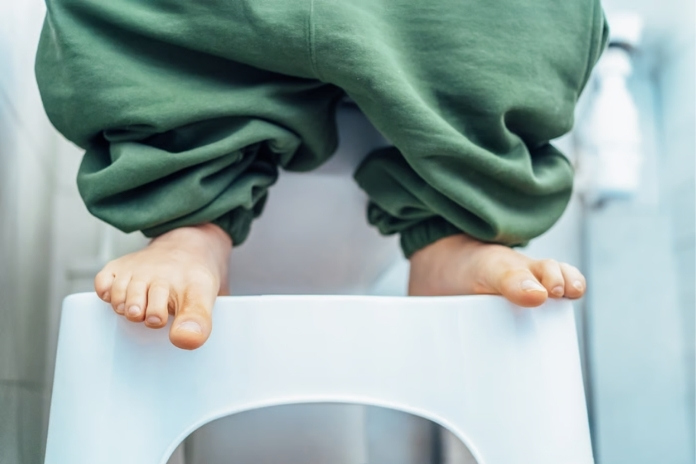
Constipation and difficult bowel movements are common problems that affect millions of people. While dietary changes, hydration, and exercise are often recommended, a surprisingly simple tool has gained attention for its potential to make bathroom visits more comfortable: a toilet footstool.
Often associated with the popular Squatty Potty brand, these footstools elevate the feet while sitting on the toilet, bringing the knees closer to the chest. Supporters claim this position can make bowel movements easier, reduce straining, and improve overall bathroom comfort.
But does raising your knees while pooping really work? The answer lies in how body position affects the anatomy and mechanics of bowel movements.
- A toilet footstool raises the knees. This creates a squatting-like position. It may make bowel movements easier. It may also reduce straining.
- Better toilet posture may help stool pass more easily. It may reduce straining. This can improve comfort for people with hemorrhoids
- People with occasional constipation may benefit from raising their knees. It may also help those who strain often.
Read More: Travel Constipation: Causes, Relief Tips, and How to Prevent It on Trips
What Is the Squatty Potty Effect?
How a Toilet Footstool Changes Body Position
A toilet footstool is designed to elevate the feet while a person sits on a standard toilet. This simple adjustment raises the knees above the hips and creates a posture that more closely resembles a squat. Instead of sitting upright with the thighs parallel to the floor, the body shifts into a position where the knees move toward the chest.
Why Toilet Posture Has Become a Popular Health Topic
Many people look for non-medication approaches to managing occasional constipation and improving bowel habits. As awareness grows about the role of posture in bodily function, toilet positioning has become a popular topic among healthcare professionals, researchers, and consumers alike.
What the Squatty Potty Effect Refers To
The “Squatty Potty effect” refers to the idea that elevating the feet and raising the knees may improve alignment within the lower digestive tract, potentially making bowel movements easier and reducing the need to strain.
Why Raising Your Knees Changes the Mechanics of a Bowel Movement
Understanding the Anorectal Angle
One of the most important concepts behind the Squatty Potty effect is the anorectal angle. The anorectal angle is formed where the rectum meets the anal canal. This angle helps maintain continence by creating a natural bend that makes it harder for stool to pass unintentionally.
During a bowel movement, this angle needs to straighten enough to allow stool to move out more easily.
How Sitting and Squatting Differ
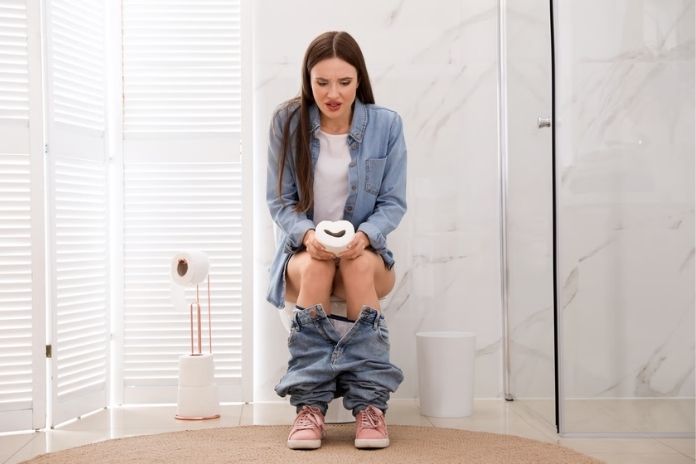
When sitting on a conventional toilet, the anorectal angle may remain somewhat bent. In contrast, a squatting position tends to straighten this angle. By raising the knees and leaning slightly forward, a person may achieve a posture that more closely resembles squatting without leaving the toilet seat. This may improve rectal alignment and reduce resistance during stool passage.
The Role of Pelvic Floor Muscles
Successful bowel movements require coordination between the rectum, abdominal muscles, and pelvic floor muscles. The pelvic floor must relax appropriately for stool to pass. Positions that promote relaxation and improve alignment may help support more efficient bowel movements and reduce the sensation.
What Does the Research Say About Toilet Posture?
Studies Comparing Sitting and Squatting Positions
Researchers have investigated whether toilet posture affects bowel function. Several studies comparing sitting and squatting positions have found that participants often reported easier bowel movements when using a squatting-style posture.
Potential Benefits Observed in Research
The benefits reported in research and user experiences include:
- Reduced straining during bowel movements
- Greater ease of stool passage
- Improved sensation of complete evacuation
- Less time spent on the toilet
- Increased bathroom comfort
These findings support the idea that posture can influence bowel mechanics.
Limitations of Current Evidence
Although the available evidence is promising, research on toilet posture remains relatively limited. Many studies involve small sample sizes, and results can vary among individuals. Not everyone experiences the same benefits, and more large-scale research is needed to determine how effective footstools are for different digestive conditions.
Who May Benefit Most From Raising Their Knees?
People With Occasional Constipation
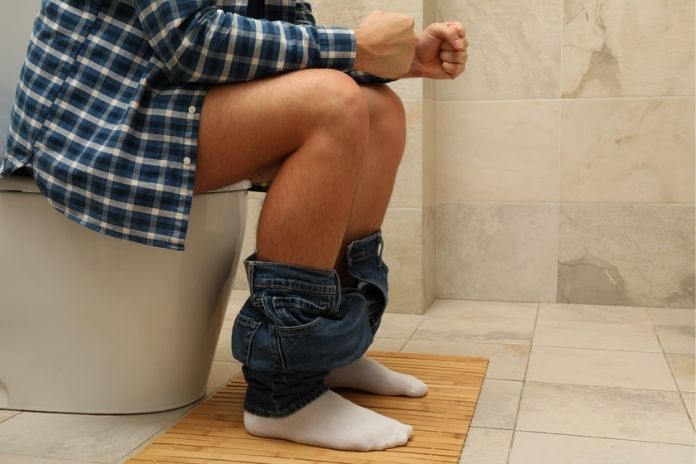
Individuals who occasionally experience difficulty passing stool may find that a footstool helps improve comfort during bowel movements. Because the position may reduce resistance in the rectal pathway, some people report less effort and easier stool passage.
Individuals Who Frequently Strain
Excessive straining can be uncomfortable and may cause issues such as hemorrhoids over time. Improving body positioning may help reduce the amount of force needed during bowel movements.
People With Incomplete Evacuation Sensations
Some individuals feel as though they have not completely emptied their bowels after using the toilet. For certain people, improved positioning may enhance rectal emptying and reduce this sensation.
Those Seeking Better Bathroom Habits
A toilet footstool is a low-risk, non-drug alternative that can be added to broader digestive health habits.
What a Toilet Footstool Can and Cannot Do
Benefits It May Provide
A toilet footstool may:
- Improve comfort during bowel movements
- Reduce the need to strain
- Support easier stool passage
- Encourage a more natural defecation posture
What It Is Unlikely to Fix
A footstool is not a cure for:
- Severe or chronic constipation
- Inflammatory bowel diseases
- Structural pelvic floor disorders
- Colon obstruction
- Other underlying gastrointestinal conditions
Why Posture Is Only One Part of Digestive Health
Even the best toilet posture cannot compensate for inadequate fiber intake, dehydration, physical inactivity, or untreated digestive disorders. Long-term digestive health depends on addressing multiple lifestyle factors.
How to Use a Toilet Footstool Correctly
Positioning Your Feet and Knees
Place both feet comfortably on the stool so that your knees are elevated above your hips. Many people find it helpful to lean forward slightly while keeping the spine relaxed.
Relaxing Instead of Pushing Forcefully
The goal is not to push harder. Instead, focus on allowing the body to relax and work naturally. Forceful straining may increase pressure on the pelvic floor and rectal tissues.
Finding the Right Stool Height
Different footstools vary in height. The ideal height is one that comfortably raises the knees without causing discomfort in the hips, knees, or lower back. Individual preferences can vary, so some experimentation may be necessary.
Other Evidence-Based Ways to Improve Bowel Movements
Increase Dietary Fiber
Fiber adds bulk to stool and helps promote regular bowel movements. Good sources include:
- Fruits
- Vegetables
- Whole grains
- Legumes
- Nuts and seeds
Stay Adequately Hydrated
Water helps keep stool soft and easier to pass. Insufficient fluid intake can contribute to harder stools and constipation.
Maintain Regular Physical Activity
Exercise stimulates intestinal movement and can help support regular bowel function. Even moderate daily activity, such as walking, may provide benefits.
Respond to the Urge to Go
Ignoring the urge to have a bowel movement can contribute to constipation over time. Responding when the urge occurs helps maintain healthy bowel patterns.
Common Bathroom Habits That Can Make Constipation Worse
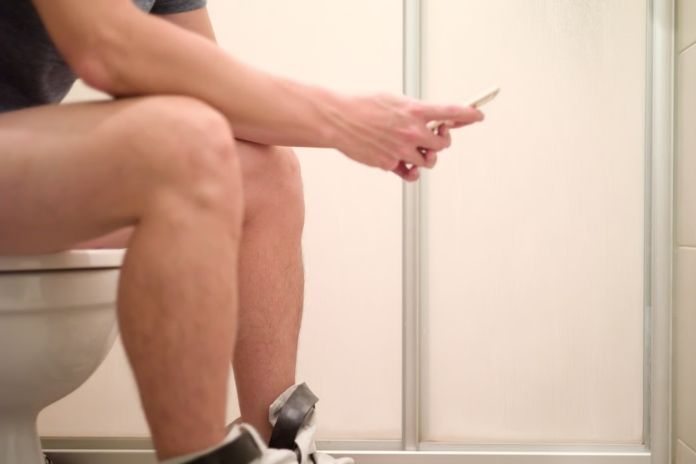
Spending Too Long on the Toilet: Extended sitting on the toilet does not necessarily improve bowel emptying and may increase pressure in the rectal area.
Excessive Straining: Repeated forceful straining can lead to discomfort and increase the risk of hemorrhoids.
Ignoring Bowel Urges: Delaying bowel movements may cause stool to become harder to pass.
Relying Solely on Quick Fixes: No single strategy works for everyone. Sustainable digestive health requires a comprehensive approach.
Can Raising Your Knees Help With Hemorrhoids?
The Link Between Straining and Hemorrhoids: Hemorrhoids develop when veins in the lower rectum or anus become swollen. Frequent straining during bowel movements is a recognized risk factor.
Potential Indirect Benefits of Better Toilet Posture: If a footstool helps reduce straining, it may indirectly lessen some of the pressure linked with hemorrhoid development or irritation.
What the Evidence Can and Cannot Confirm: Current research has not definitively proven that toilet footstools prevent or treat hemorrhoids. However, reducing strain is generally considered beneficial for anorectal health.
When Constipation Requires Medical Evaluation
Consult a healthcare professional if constipation is persistent, severe, or accompanied by:
- Blood in the stool
- Unexplained weight loss
- Significant abdominal pain
- New or sudden changes in bowel habits
- Symptoms that do not improve with lifestyle changes
These symptoms should not be attributed solely to toilet posture and may require medical evaluation.
Common Myths About the Squatty Potty Effect
“A Footstool Cures Constipation”
A footstool may help some people, but it is not a cure for constipation.
“Everyone Needs to Squat to Have Healthy Bowel Movements”
Many people have normal bowel function without using a footstool.
“Toilet Posture Is More Important Than Diet”
Fiber intake, hydration, and physical activity remain fundamental components of digestive health.
“If It Doesn’t Work Immediately, It Doesn’t Work”
Some individuals may need time to adjust to a new posture before noticing benefits.
Read More: 8 Simple Exercises To Relieve Constipation
Key Takeaway: Raising Your Knees May Improve Bowel Mechanics, but It’s Not a Substitute for Overall Digestive Health
The Squatty Potty effect is based on a simple principle: raising the knees while sitting on the toilet may improve the anorectal angle and support more efficient bowel movements. Research suggests that a squatting-inspired posture can reduce straining and make stool passage easier for some individuals.
While a toilet footstool is a simple, inexpensive, and generally low-risk strategy that may improve bathroom comfort, it is not a treatment for underlying digestive diseases or chronic constipation.
Lasting digestive health still depends on adequate fiber intake, proper hydration, regular physical activity, healthy bathroom habits, and medical evaluation when symptoms warrant attention. For many people, however, changing toilet posture may be one small adjustment that makes a noticeable difference in daily comfort.
Frequently Asked Questions About Toilet Posture
Q. Is a Squatty Potty Safe for Most People?
A. For most healthy adults, using a toilet footstool is considered safe and low risk.
Q. Can I Use Any Footstool Instead?
A. Yes. Any stable footstool that safely elevates the feet may provide similar positioning benefits.
Q. How High Should My Knees Be?
A. There is no universal ideal height. The goal is generally to position the knees above the hips comfortably.
Q. Does Toilet Posture Matter if I Don’t Have Constipation?
A. Proper positioning may improve comfort and efficiency even in people without digestive complaints.
References
- Harvard Health Publishing. (n.d.). Common causes of constipation. Harvard Medical School.
- National Library of Medicine. (2025). [Article in PubMed Central].
- RSchoolToday. (n.d.). 7-second poop method [PDF].
- WebMD Editorial Contributors. (n.d.). What is a Squatty Potty? WebMD.
- Yuan, Y., Wang, J., & colleagues. (2024). Association between toileting posture and bowel function [Abstract]. PubMed.
In this Article