


















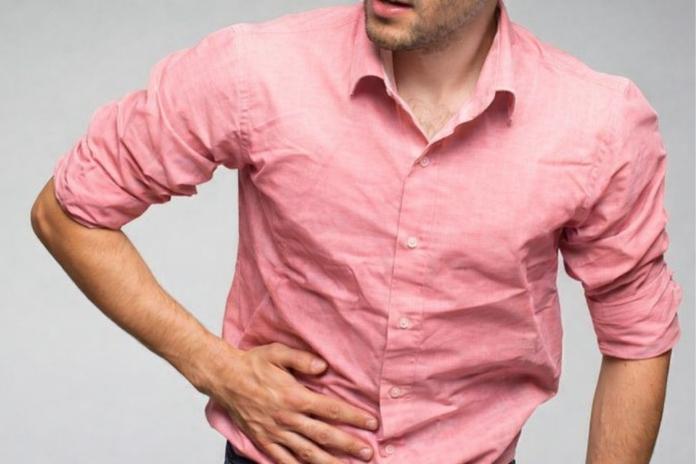
A side stitch is a sudden, sharp, cramp-like pain on one side of your abdomen that usually appears during activities like running or other vigorous exercise, and in medical terms it is called exercise-related transient abdominal pain (ETAP). It can feel intense enough to make you slow down or even stop your workout for a short time.
What Is a Side Stitch?
A side stitch, also known as Exercise-Related Transient Abdominal Pain (ETAP), is an episode of sharp cramping or pulling pain that tends to usually happen below the ribcage area or along the sides of the abdomen.
This is one of the known complaints that runners, walkers, or anyone physically active experiences. Sometimes, this occurs without warning.
Why Does A Side Stitch Occur?
A stitch in the side during running or side stitch during exercise may be caused by a variety of factors such as:
- Diaphragm spasm due to incorrect breathing technique.
- Poor posture while exercising results in abdominal muscle strain.
- Consuming foods or drinks too close to exercising, leading to stomach crunch or stitches in the abdomen.
- Dehydration or a lack of core strength, which constitute stability and breathing control.
These, combined with others, cause irritation in the diaphragm and the surrounding connective tissue, thus bringing about the stabbing pain in your side that you know so well.
What This Guide Covers
In this article, we’ll discuss:
- 10 proven ways for quick side stitch relief and methods to alleviate a stitch fast.
- Basic breathing and positional corrections are involved in sewing together exercise.
- Methods for practical prevention to prevent a side stitch before it occurs.
Read More: Does Your Stomach Hurt More Often as You Get Older?
Slow Down or Stop Exercising Briefly
If a side stitch strikes in the middle of a run or workout, briefly slowing down or stopping can ease stress on the diaphragm and help release the cramp. Walk gently for a minute or two, take comfortable steps, and focus on slow, steady breathing instead of tensing your muscles against the pain.
Once the sharp abdominal stitch pain eases into a mild ache or disappears, you can gradually return to your usual pace instead of sprinting back immediately.
Use Deep and Controlled Breathing Practices
Shallow, rapid chest breathing can tire the diaphragm and worsen the exercise stitch pain. Practise diaphragmatic breathing by inhaling through your nose for 3–4 seconds while letting your abdomen rise, then exhale slowly through your mouth for 4–5 seconds with relaxed shoulders.
Using a complete exhale helps the diaphragm move through its full range, which can ease a diaphragm spasm and bring faster relief to the side stitch.
Press on the Area and Massage
Gently but firmly pressing your fingers or palm over the painful spot just under the ribs can relax the underlying muscles and tissues. Combine this pressure with slow, deep breathing, pressing a little deeper or making small circular motions as you exhale.
If pressing or massaging makes the exercise stitch pain sharper instead of better, ease off immediately and return to posture correction and controlled breathing instead.
Stretch the Side That Hurts
A simple standing side stretch can lengthen tight muscles and reduce the pulling sensation linked with the side stitch. Stand with your feet shoulder-width apart, raise the arm on the painful side straight overhead, and lean away from the cramp until you feel a gentle stretch along your side and abdomen.
Hold this position for 15–30 seconds while breathing deeply, and repeat two or three times until stiffness eases and movement feels smoother.
Change Your Posture
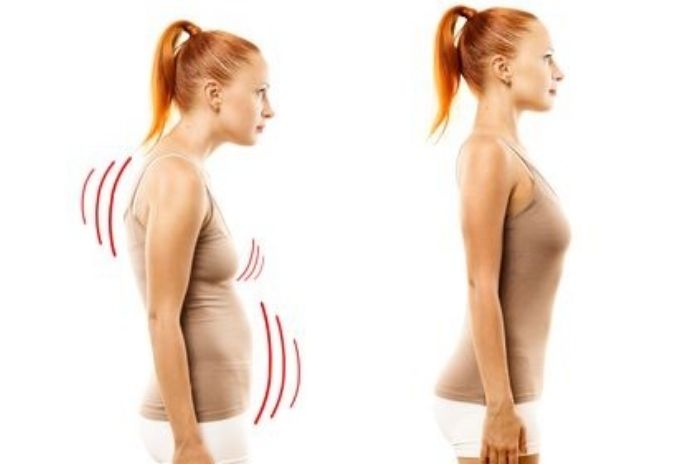
When you slouch or lean forward while exercising, you compress your abdominal cavity and restrict how freely your diaphragm can move. To help relieve and prevent side stitches, straighten your upper body, gently engage your core, roll your shoulders back, and keep your gaze forward to open up your chest.
Good posture during activity not only supports side stitch relief now but also lowers your chances of ETAP in future workouts.
Walk It Out, Instead of Running
If you get a stitch in the side while running, shifting down to a brisk or relaxed walk is often one of the quickest ways to reduce pain. Walking lessens impact forces on the torso, makes it easier to control your breathing, and supports better blood flow to the diaphragm.
You can return to running once the pain becomes a dull pressure and you are able to breathe deeply without bracing or discomfort.
Read More: Strategies to Reduce Your Stomach Cancer Risk
Check Your Hydration
Dehydration can make muscles, including the diaphragm, more prone to fatigue and cramping, which may increase your risk of side stitches. Aim to sip water regularly throughout the day instead of drinking large amounts right before or during intense exercise.
During longer sessions, take small, frequent sips of water or an electrolyte drink so you stay hydrated without overfilling your stomach.
Prevent Exercising Right After a Meal
Working out when your stomach is very full is a common trigger for exercise stitch pain because blood flow is directed towards digestion while your working muscles and diaphragm also demand more oxygen. Try to finish large meals at least 2–3 hours before vigorous exercise and allow 30–60 minutes after a light snack.
Choose easy-to-digest pre-workout meals like bananas, yogurt, or oatmeal, and limit heavy, high-fat, or very high-fibre foods that linger in the stomach.
Developing Your Core Strength
Weak abdominal and back muscles make it harder to maintain upright posture and steady breathing patterns, which can contribute to ETAP. Adding regular core exercises such as planks, side planks, bird-dogs, and dead bug variations helps support the spine and eases strain on the diaphragm.
Over time, better core strength links to improved running form, greater endurance, and fewer episodes of abdominal stitch pain.
Breathe Out as Your Foot Hits the Ground (For Runners)
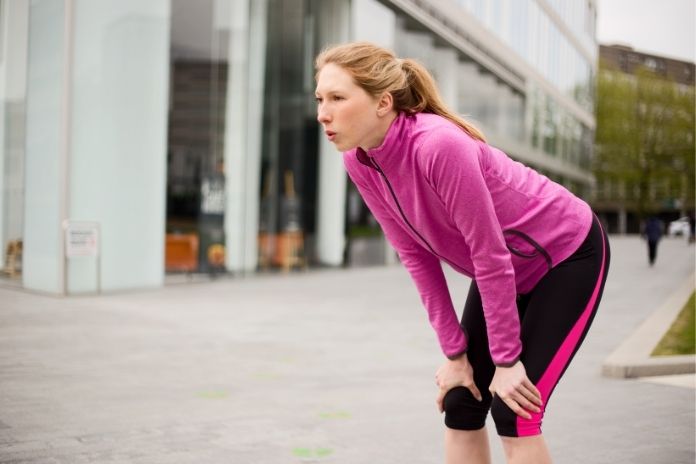
For runners, exhaling every time the same foot that strikes the ground can increase the downward pull on one side of the diaphragm and aggravate a side stitch while running. Instead, try matching your breathing to your steps using a pattern such as inhaling for three steps and exhaling for two, alternating which foot lands on each exhale.
Practising this rhythmic breathing before and during runs can improve comfort, decrease muscle spasms, and help your stride feel smoother and more balanced.
What Triggers Side Stitches in the First Place?
ETAP is thought to arise from a combination of diaphragm irritation, traction on the visceral ligaments that attach the diaphragm to abdominal organs, and reduced blood flow or oxygen supply to the diaphragm during vigorous exercise.
Some researchers also suggest that irritation of the parietal peritoneum, the lining of the abdominal cavity, plays an important role in the sharp, localized pain people describe. Even though no single theory explains every case, most professionals agree that breathing patterns, posture, hydration, and timing of pre-workout meals strongly influence how often side stitches occur.
Read More:10 Ways Prevent To Stomach Bloating- Causes and Remedies
How to Prevent Side Stitches in the Future
To reduce your risk of exercise stitch pain in the long run, focus on small, consistent habits. Eat lighter, well-timed meals before workouts, avoiding heavy or greasy foods close to intense activity and choosing small snacks at least 1–2 hours beforehand.
Maintain good posture and include core-strengthening exercises in your routine, warm up with gentle cardio and dynamic trunk stretches, and practise rhythmic, diaphragmatic breathing as you move into higher intensities.
Side Stitches That May Be Something Else
Most side stitches are harmless and settle with rest, stretching, and breathing changes, but some types of abdominal pain can signal a different, more serious problem. Seek medical advice if pain does not improve after stopping exercise, becomes severe or spreads, or is accompanied by warning signs such as fever, nausea, vomiting, shoulder pain, or dizziness.
These features may point to conditions like muscle injury, gallbladder disease, appendicitis, or other gastrointestinal issues that require prompt evaluation.
Read More: 12 Proven Ways to Calm a Nervous Stomach Caused by Anxiety
Final Takeaway
A side stitch is very common and usually short-lived, but it can interrupt even your best training session. To get rid of a stitch fast, slow down, focus on deep, controlled breathing, correct your posture, and gently stretch or massage the side that hurts.
Over time, smart pre-workout meals, regular hydration, core strengthening, and good breathing technique can greatly reduce how often side stitches occur and help you enjoy smoother, more comfortable, stitch‑free workouts.
References
- Morton, D., & Callister, R. (2015). Exercise-related transient abdominal pain (ETAP). Sports Medicine, 45(1), 23–35.
- Morton, D. P., Callister, R., Menaspà, P., & Morris, C. (2014). The effect of transversus abdominis activation on exercise-related transient abdominal pain. Journal of Science and Medicine in Sport, 17(5), 533–537.
- van Lieshout, J. J., Harms, M. P. M. E., Pott, C. F., & Secher, N. H. (2001). Exercise induces gastric ischemia in healthy volunteers: A tonometry study. Journal of Applied Physiology, 91(2), 866–871.
- Morton, D. P., & Callister, R. (2002). Factors influencing exercise-related transient abdominal pain. Medicine & Science in Sports & Exercise, 34(5), S10.
- Morton, D. P., & Callister, R. (2000). Characteristics and etiology of exercise-related transient abdominal pain. Medicine & Science in Sports & Exercise, 32(2), 432–438.
- Morton, D. P., Callister, R., & Arndell, K. (2005). Injury epidemiology of exercise-related transient abdominal pain at the Sydney city to Surf community run. Journal of Science and Medicine in Sport, 8(2), 168–171.
- Burt, D. G., Lamb, K., Nicholas, C., & Twist, C. (2018). Temporal characteristics of exercise-induced diaphragmatic fatigue. Journal of Sports Sciences, 36(16), 1899–1904.
- Plunkett, B., Hopkins, W., & Wilson, G. (2006). A stitch in time. Emergency Medicine Journal, 23(12), 930.
- Morton, D. P., Aune, K. T., & Callister, R. (2008). Visceral ligament stress. Journal of the Canadian Chiropractic Association, 52(4), 251–258.
- Anderson, J., & Callister, R. (2009). Exercise related transient abdominal pain: A case report and review of the literature. Journal of the Canadian Chiropractic Association, 53(4), 251–258.
- Emergency Medicine Journal. (2012). BET 1: Is exercise-related transient abdominal pain (stitch) associated with exercise-induced ischaemia? Emergency Medicine Journal, 29(11), 930.
- Physiopedia Contributors. (n.d.). Side stitch. Physiopedia.
- Morton, D. P. (2008). Exercise related transient abdominal pain: A case report and review of the literature. Chiropractic Journal of Australia, 38(2), 51–56.
- Rehrer, N. J., van Kemenade, M., Meijer, K., Brouns, F., & ten Hoor, F. (2006). Stitch in the side: Causes, workup, and solutions. Clinical Journal of Sport Medicine, 16(6), 500–502.
- Morton, D. P., Callister, R., & Finch, C. F. (2008). Exercise-related transient abdominal pain: A case report and review of the literature. Journal of Science and Medicine in Sport, 11(Suppl. 1), S1.
In this Article