














Have you ever experienced throbbing pain in your tooth accompanied by swelling in your gums? This intense discomfort could indicate that you’re dealing with an abscessed tooth—a condition that, while common, can significantly impact your quality of life and overall well-being.
An abscessed tooth isn’t just a minor inconvenience; it’s a serious dental condition that requires prompt attention. However, understanding effective home remedies can provide much-needed relief while you seek professional dental care. This comprehensive guide will explore natural treatment options, explain the condition in detail, and help you understand when professional intervention becomes necessary.
Also, Read: Naturally Fresh: The Top 7 Fluoride-Free Toothpastes for a Healthy Smile
Understanding Abscessed Teeth: What You Need to Know
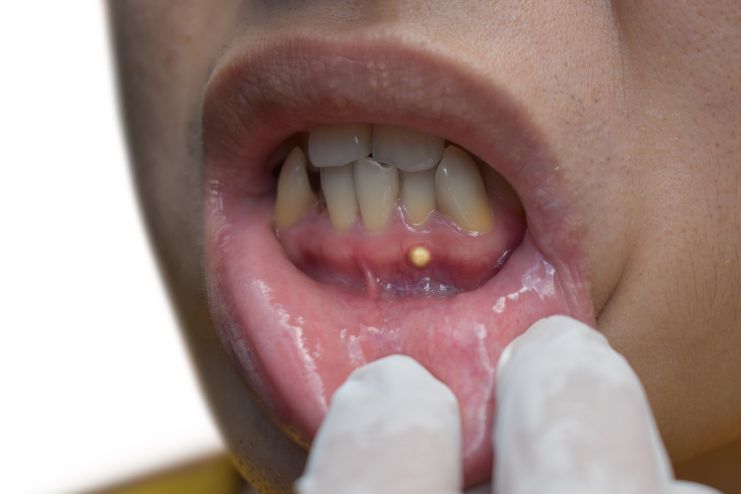
An abscessed tooth occurs when bacteria invade the tooth or surrounding gum tissue, creating a pocket of pus that leads to infection, inflammation, and often excruciating pain. This bacterial infection doesn’t remain localized—the pain frequently radiates from the affected tooth to your ears, neck, and jaw, making everyday activities like eating, drinking, or even speaking uncomfortable.
What makes this condition particularly concerning is its potential for serious complications. If left untreated, the infection can spread to other parts of your body, potentially becoming life-threatening. The abscess typically appears as a small, tender bump filled with pus, often appearing whitish or yellowish against the surrounding pink gum tissue.
Types of Tooth Abscesses
Understanding the different types of abscesses helps in recognizing symptoms and seeking appropriate treatment:
Periapical Abscess: This type develops at the tip of the tooth’s root and is often the most serious form. According to dental professionals, periapical abscesses typically begin with untreated cavities that grow large enough to reach the tooth’s nerve. The infection then travels through the tooth’s blood supply and nerve tissue, extending down through the root and into the surrounding bone.
Dr. Sam Weisz, D.D.S., a dental associate from Libertyville, IL, explains: “A periapical abscess is particularly dangerous because the infection spreads through the bone surrounding the infected tooth. Trapped within the bone, the infection causes swelling as the immune system responds, leading to bone erosion and severe pain. The greater concern is when this leads to serious medical emergencies, such as airway obstruction or infections spreading to other body parts, including the brain.”
Periodontal Abscess: This abscess affects the gum area near the tooth’s root and may spread to surrounding tissues and bone. It’s commonly associated with untreated gum disease and can result from injuries to the gums or poor oral hygiene.
Gingival Abscess: The least severe type, gingival abscesses, primarily affect the gum tissue within the oral cavity. They often occur when foreign particles like food debris or toothbrush bristles become lodged between teeth and gums, leading to localized infection.
Recognizing the Warning Signs
Early recognition of abscess symptoms is crucial for prompt treatment. The primary symptoms include:
- Severe, throbbing tooth pain that may worsen when lying down
- Radiating pain extending to the ears, neck, and jaw
- Facial swelling and redness around the affected area
- Tooth sensitivity to hot and cold temperatures
- Persistent bad breath or unusual taste in the mouth
- Swollen lymph nodes in the neck or under the jaw
- Fever indicating systemic infection
- Tooth discoloration or darkening
- Difficulty swallowing or opening the mouth
16 Proven Home Remedies for Tooth Abscess Relief
While professional dental treatment is essential, these natural remedies can provide significant relief and help manage symptoms effectively:
1. Apple Cider Vinegar Rinse

Apple cider vinegar‘s antimicrobial properties make it an excellent natural remedy for fighting bacterial infections. Its anti-inflammatory(R) effects also help reduce swelling and soothe inflamed gums.
Instructions:
- Mix 1 tablespoon of raw, unfiltered apple cider vinegar with 8 ounces of warm water
- Swish the solution in your mouth for 5-10 minutes, ensuring it reaches the affected area
- Spit out completely and rinse with plain water
Frequency: 3-4 times daily
2. Baking Soda Solution
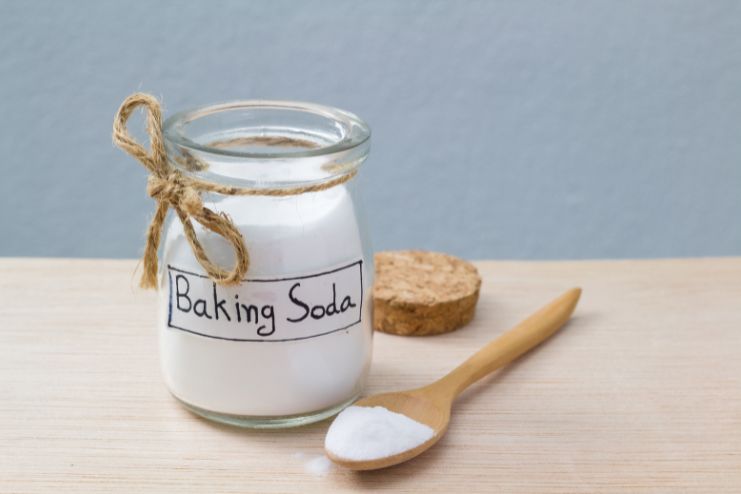
Baking soda offers powerful antibacterial properties(R) while helping to neutralize acids produced by harmful bacteria. This affordable remedy can effectively reduce bacterial growth and help drain accumulated pus.
Instructions:
- Dissolve ½ tablespoon of baking soda in half a glass of warm water
- Add a pinch of salt and stir until completely dissolved
- Swish thoroughly throughout your mouth until the solution is used up
Frequency: 2-3 times daily
3. Activated Charcoal Poultice

Activated charcoal acts like a magnet for bacteria (R) and toxins, drawing them out of the infected area. This method is particularly effective for overnight treatment.
Instructions:
- Mix 2 tablespoons of activated charcoal powder with enough water to form a thick paste
- Apply the paste to a clean cloth and place it over the affected area
- Secure with a bandage and leave overnight
- Remove in the morning and rinse thoroughly
- Frequency:Nightly until symptoms improve
4. Salt Water Gargle
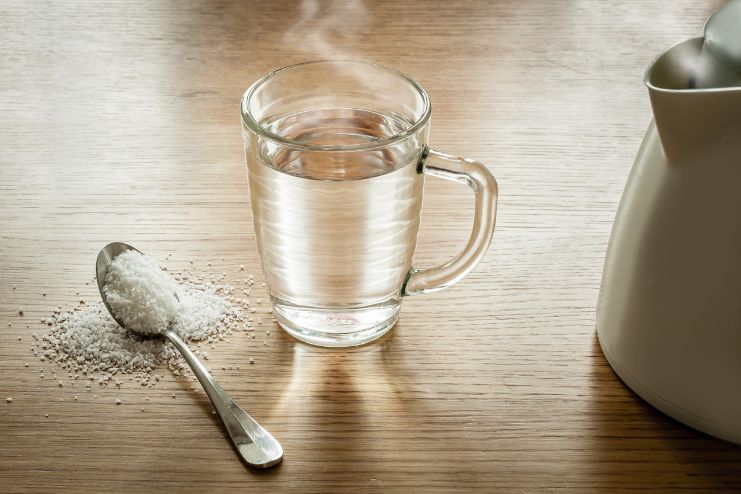
This time-tested remedy helps reduce inflammation, fight infection, and promote healing. A saltwater gargle creates an environment hostile to bacteria(R) while drawing excess fluid from swollen tissues.
Instructions:
- Dissolve ½ tablespoon of sea salt in half a glass of warm water
- Swish the solution around your mouth for 30 seconds to 1 minute
- Ensure the solution reaches all areas of your mouth
- Spit out and rinse with plain water
- Frequency: 2-3 times daily
5. Garlic Paste Application
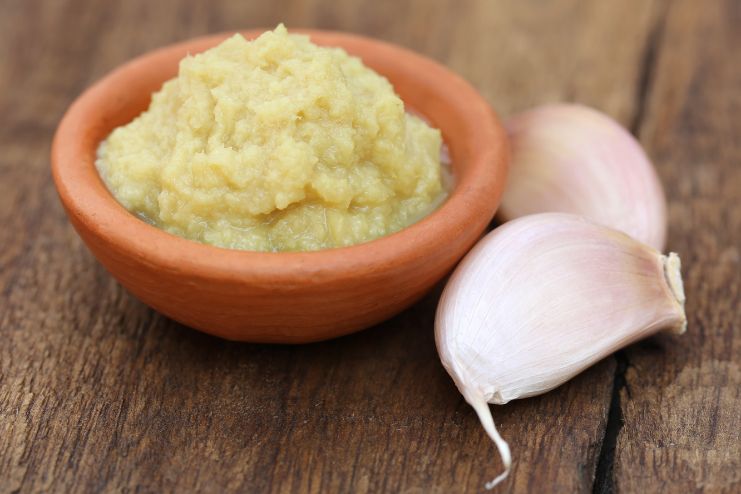
Garlic contains allicin, a powerful compound with strong antimicrobial (R) and analgesic properties (R). This natural antibiotic can help combat infection while providing pain relief.
Instructions:
- Crush 2-3 fresh garlic cloves to create a smooth paste
- Apply directly to the affected area around the tooth and gums
- Leave on for 20-30 minutes, gently massaging for better penetration
- Rinse thoroughly with water
Frequency: 2-3 times daily
6. Hydrogen Peroxide Rinse
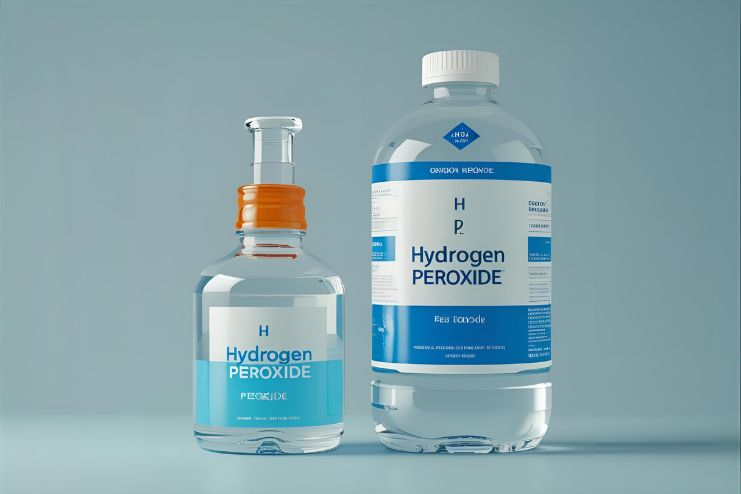
When used properly, hydrogen peroxide effectively eliminates bacteria (R) and helps clean the infected ® area. It’s particularly useful for treating bleeding gums and removing plaque that may contribute to abscess formation.
Instructions:
- Mix equal parts 3% hydrogen peroxide and water
- Swish the solution in your mouth for 30 seconds
- Never swallow the solution
- Rinse thoroughly with plain water afterward
- Frequency: 1-2 times daily
7. Oil Pulling Therapy
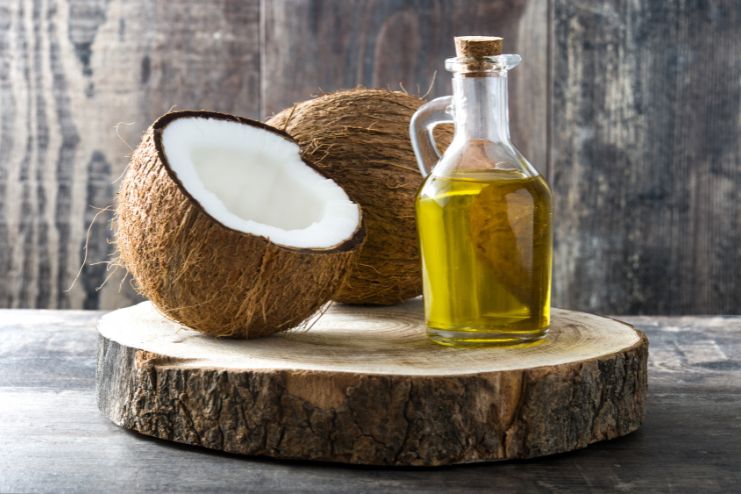
This ancient Ayurvedic practice involves swishing oil in your mouth to remove toxins and bacteria. Coconut oil (R) is particularly effective due to its antimicrobial properties.
Instructions:
- Take 1 tablespoon of coconut oil (slightly warm for easier swishing)
- Swish in your mouth for 15-20 minutes
- Take breaks if needed, but don’t swallow the oil
- Spit into a trash can (not the sink, as it can clog pipes)
- Frequency: 1-2 times daily, preferably on an empty stomach
8. Clove Oil Treatment

Clove oil has been used in dentistry for centuries due to its powerful antibacterial, anti-inflammatory (R), and analgesic properties. It provides immediate pain relief (R) while fighting infection.
Instructions:
- Apply 2-3 drops of clove oil to a cotton swab
- Dab directly onto the affected area
- Alternatively, mix a few drops in water and use as a mouth rinse
- Frequency: 2-3 times daily
Also, Read: 2 Ways To Use Clove Oil For Toothache And Quick Relief
9. Hot and Cold Compress Therapy

Temperature therapy can provide significant relief depending on your primary concern. Cold compresses reduce pain and inflammation (R), while hot compresses help drain pus and improve circulation.
Instructions:
- For pain relief: Apply a cold compress for 15-20 minutes
- For drainage: Apply a warm compress for 15-20 minutes
- Always wrap compresses in a clean cloth before application
- Frequency: Multiple times throughout the day as needed
10. Turmeric Paste

Turmeric contains curcumin, a compound with powerful antibacterial (R), antiseptic (R), and anti-inflammatory properties(R). It’s particularly effective for reducing swelling and promoting healing.
Instructions:
- Mix 1 tablespoon of turmeric powder with enough water to form a paste
- Apply directly to the affected area
- Leave on for 15 minutes
- Rinse thoroughly with water
- Frequency: 2-3 times daily
11. Potato Slice Treatment
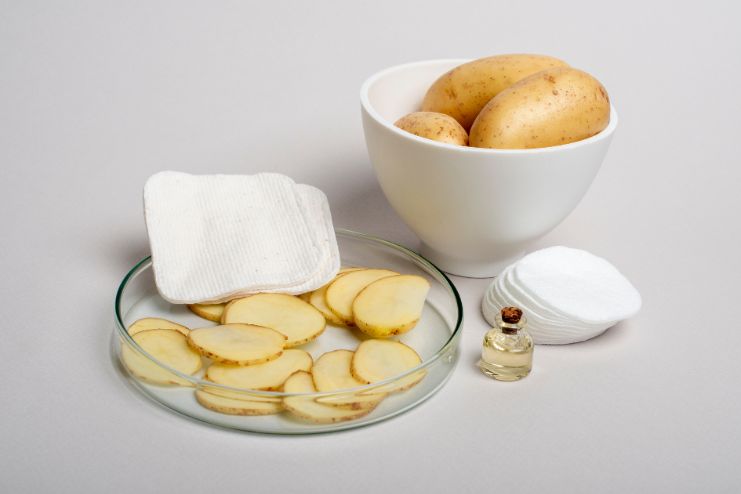
Though less common, potato slices contain compounds that may help fight bacterial infections. Many people report positive results from this traditional remedy.
Instructions:
- Cut a fresh potato into thin slices
- Place a slice against the affected area
- Secure between your cheek and the abscess
- Leave overnight (ensure you don’t swallow it)
- Rinse with salt water in the morning
- Frequency: Nightly until improvement
12. Peppermint Application
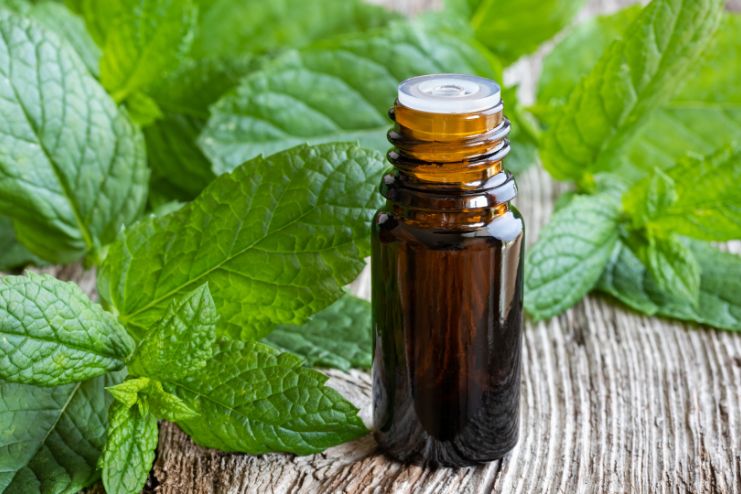
Peppermint offers antibacterial(R) and anti-inflammatory(R) benefits while providing a cooling sensation that helps numb pain. The menthol content makes it particularly effective for pain relief.
Instructions:
- Crush fresh peppermint leaves to extract juice
- Apply to the affected area for 15 minutes
- Alternatively, use 2-3 drops of peppermint essential oil
- Rinse thoroughly afterward
- Frequency: 1-2 times daily
13. Tea Bag Compress
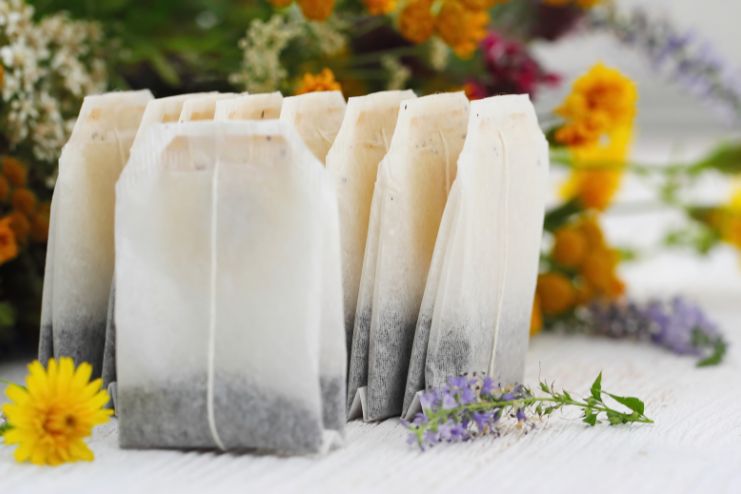
Black tea contains tannins and tannic acid, which help fight bacterial infections(R) while reducing inflammation(R). The warm compress also aids in draining the abscess.
Instructions:
- Steep a black tea bag in hot water for 10 minutes
- Remove and let cool slightly
- Apply the warm tea bag to the affected area
- Hold in place for 15-20 minutes
- Frequency: 2-3 times daily
14. Oregano Oil Application
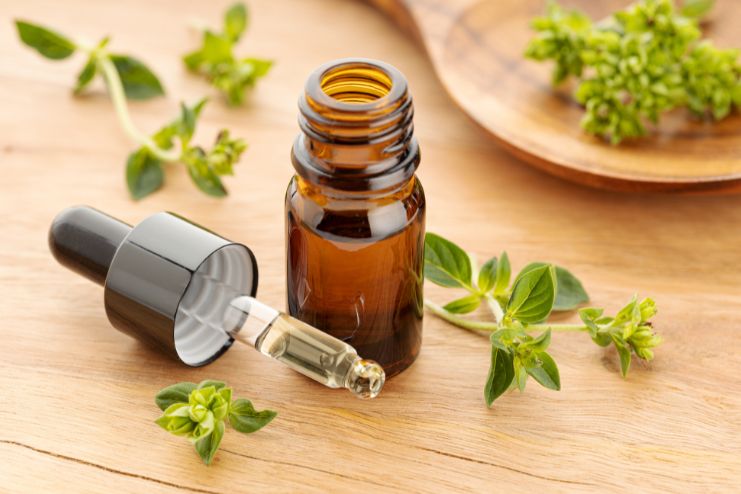
Oregano oil contains powerful antibacterial and antioxidant compounds that help eliminate infection while promoting overall oral health.
Instructions:
- Apply 2-3 drops of oregano oil to a cotton swab
- Hold against the affected area for 2-3 minutes
- Leave the remaining oil on for 10 minutes
- Rinse with water
Frequency: 2-3 times daily
15. Papaya Paste

Papaya contains enzymes and compounds with antioxidant(R) and antibacterial (R) properties that help fight infection and promote healing.
Instructions:
- Mash ripe papaya into a smooth paste
- Apply to the infected area
- Leave on for 15 minutes
- Rinse with water or antiseptic mouthwash
Frequency: 2-3 times daily
16. Sesame Seed Solution

Sesame seeds offer analgesic (R) and antibacterial (R) while providing anti-inflammatory and antioxidant benefits.
Instructions:
- Boil 3-4 tablespoons of sesame seeds in half a cup of water for 3-4 minutes
- Let cool slightly
- Soak a cotton pad in the solution
- Apply to the infected area for 3-4 hours
- Frequency:1-2 times daily
Also, Read: 15 Common Tooth Brushing Mistakes We Aren’t Aware Of
Understanding the Root Causes
Tooth abscesses don’t develop overnight. Understanding their causes helps prevent future occurrences:
- Poor oral hygiene leads to bacterial overgrowth
- Untreated cavities that allow bacteria to reach the tooth’s pulp
- Gum disease that creates pockets for bacterial infection
- Dental trauma from accidents or injuries
- A compromised immune system reduces the body’s ability to fight infection
- Dry mouth conditions that reduce the protective effects of saliva
Healing Timeline and Expectations
Most tooth abscesses begin showing improvement within 3-7 days of consistent treatment. However, complete healing may take up to two weeks, depending on the severity of the infection and individual healing factors. Even if symptoms improve, it’s crucial to continue treatment until the infection is completely eliminated.
When Professional Care Becomes Essential
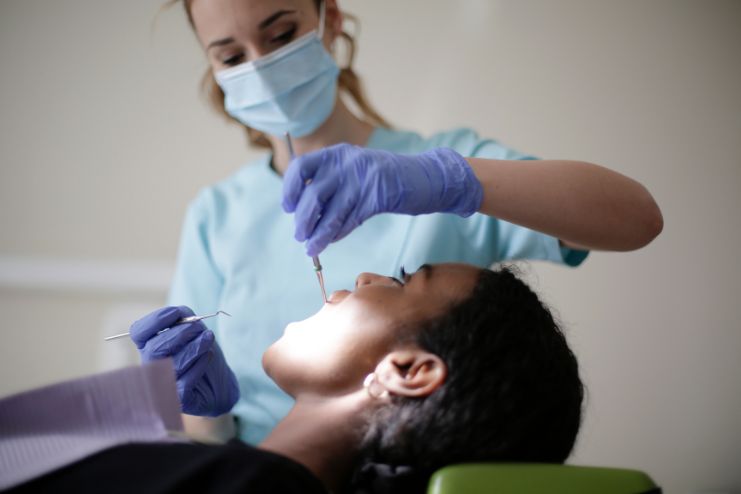
While home remedies can provide significant relief, certain situations require immediate professional attention:
- Fever above 101°F (38.3°C)
- Difficulty swallowing or breathing
- Facial swelling that affects your eyes
- Severe pain that doesn’t respond to over-the-counter medications
- Symptoms that worsen despite home treatment
- Swollen lymph nodes that don’t improve
Prevention: Your Best Defense
Preventing tooth abscesses is far easier than treating them. Key preventive measures include:
- Brushing twice daily with fluoride toothpaste
- Daily flossing to remove bacteria between teeth
- Regular dental checkups every six months
- Avoiding excessive sugar and processed foods
- Not using teeth as tools to open packages or crack nuts
- Wearing mouthguards during sports
- Addressing dental problems promptly
Conclusion
Tooth abscesses are serious dental conditions that require prompt attention and appropriate treatment. While the home remedies outlined in this guide can provide significant relief and support healing, they should be viewed as complementary to professional dental care, not replacements for it.
The natural treatments discussed—from salt water rinses to herbal applications—offer safe, accessible options for managing symptoms and fighting infection. However, remember that an untreated abscess can lead to serious complications, including life-threatening infections that spread to other parts of the body.
If you’re experiencing symptoms of a tooth abscess, start with appropriate home remedies while scheduling an appointment with your dentist. Early intervention, combined with proper oral hygiene and regular dental care, remains your best strategy for maintaining optimal oral health and preventing future abscesses.
Remember, when it comes to your dental health, prevention is always better than cure. Regular dental checkups, good oral hygiene practices, and prompt attention to dental problems can help you avoid the pain and complications associated with tooth abscesses entirely.
In this Article