











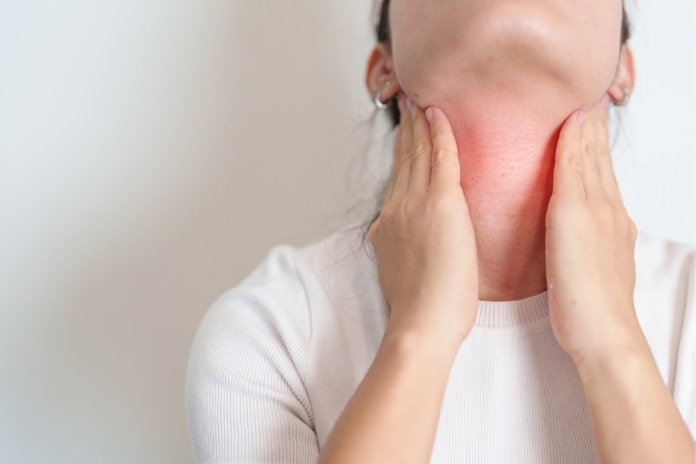
Hashimoto’s disease and Graves’ disease are the two most prevalent autoimmune thyroid disorders. Antibodies that target the body’s healthy thyroid tissue and the immune system are responsible for these conditions.
Additionally, both are the most common causes of thyroiditis, or inflammation of the thyroid gland.
Also, Hashimoto’s illness is by far the most prevalent cause of hypothyroidism (too little thyroid hormone production), whereas Graves’ is the most common cause of hyperthyroidism (too much thyroid hormone) in the majority of countries.
Effective management requires knowledge of the differences in their origins, symptoms, laboratory findings, and treatment methods.
This article explains the differences between Graves’ disease and Hashimoto’s disease, how doctors diagnose them, and valuable strategies for leading a balanced, healthy life while having these conditions.
Read More: Unexplained Fatigue? It Could Be a Thyroid Issue
Symptoms — How Graves’ and Hashimoto’s Differ (And Where They Overlap)
Hashimoto’s thyroiditis and Graves’ disease both affect the same organ, but their symptoms vary because one causes the thyroid to become overactive while the other slows it down. The key to receiving the appropriate diagnosis and therapy is understanding these differences and the times when they overlap.
Symptoms of Graves’ Disease:
Graves’ disease patients, on the other hand, have excess thyroid hormone, which gives them more energy. As a result, your body performs more quickly. Symptoms of an overactive thyroid include:
- Bulging eyes (which is also known as thyroid eye disease or Graves’ eyes)
- Difficulty falling asleep
- Graves’ dermopathy (skin thickening and reddening)
- Hand shaking
- Irregular heartbeats and elevated heart rate
- Sweating
- Reduction of weight
- Frequent bowel motions and diarrhea
“At any point in life, the body can make the thyroid stimulating antibody, and then the symptoms begin,” says Hyesoo Lowe, MD, Medical Director of the Columbia Thyroid Center. “For some people, Graves’ disease has a clear beginning and ending. For others, it is more like a well-controlled chronic illness.”
Symptoms of Hashimoto’s Disease:
The thyroid gland gradually produces less thyroid hormone in people with Hashimoto’s disease. Our bodies slow down when we have insufficient thyroid hormone, which might result in symptoms like:
- Intolerance to cold
- Constipation
- Dry skin
- Forgetfulness
- Loss of hair
- Gaining weight
Overlapping and Confusing Signs
However, there are several symptoms that Hashimoto’s and Graves’ diseases have in common, such as the following:
- Fatigue
- Thyroid gland swelling, or goiter
- Weakening of the muscles
- Menstrual cycle changes
- Changes in mental health, like anxiety and depression
While these signs and symptoms are common, they can be caused by various conditions. For instance, fatigue may be due to energy depletion in Hashimoto’s. With Graves’ disease, you may initially experience a surge of energy, but fatigue often follows due to poor sleep and a rapid metabolism driven by chronically elevated thyroid hormone levels.
How Are They Diagnosed
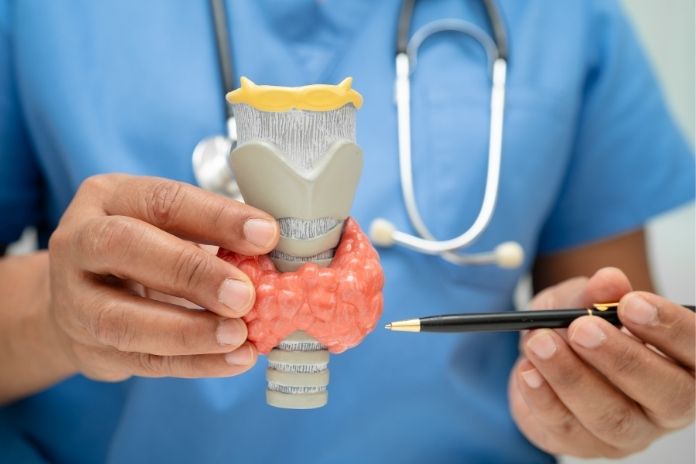
The process for verifying a diagnosis is similar for Graves’ disease and Hashimoto’s disease since both conditions impact the thyroid, and identifying the right disease by only considering the symptoms is a challenge.
Your doctor will probably prescribe tests to measure your TSH and free T4 levels to identify Graves’ or Hashimoto’s disease.
If hypothyroidism is present:
- TSH is high
- T4 is low or normal
If hyperthyroidism is present:
- TSH is low
- T4 is high
Clinical professionals in functional medicine typically favor a narrower, ideal TSH range (1.0 to 2.5 mU/L) than those in conventional medicine.
Thyroid antibody testing is also crucial, as it helps confirm the diagnosis of an autoimmune thyroid condition.
Hashimoto’s antibodies:
- Thyroid Peroxidase Antibodies (TPO Ab)
- Thyroglobulin Antibodies (TG Ab)
Graves’ antibodies:
- Thyroid Stimulating Immunoglobulin (TSI)
- Thyrotropin Receptor Antibodies (TRAb)
We can evaluate how well you respond to the functional medicine treatment plan by tracking antibody levels in patients with autoimmune thyroid diseases. Members of our functional medicine program can benefit from this.
Read More: Best Yoga Poses for Thyroid Treatment
Treatment Strategies for Each Condition

Hashimoto’s disease and Graves’ disease require different modalities of treatment.
Graves’ disease Treatment:
Doctors must treat Graves’ disease along with hyperthyroidism. Therefore, treatment includes:
Medication: Antithyroid drugs such as propylthiouracil or methimazole can decrease thyroid hormone production. A physician may also prescribe beta-blockers to lessen symptoms. But they don’t prevent the thyroid from producing hormones.
Radioactive iodine (RAI): By permanently destroying the thyroid tissue, radioactive iodine (RAI) lowers the production of hormones.
Thyroid surgery: Patients with large goiters or women who are pregnant and cannot take antithyroid medications may be told to undergo surgical procedures.
Hashimoto’s disease Treatment:
Whether Hashimoto’s disease has led to hypothyroidism determines the treatment approach. If hypothyroidism is not present, monitoring thyroid hormone levels and symptoms regularly is often sufficient.
If a physician determines that a patient has hypothyroidism, thyroid hormone replacement therapy may be part of the treatment. Levothyroxine, a synthetic thyroid hormone used to treat an underactive thyroid, is one example. It comes in liquid, soft-gel capsule, and pill forms.
You should closely follow the guidelines because certain foods and supplements can interfere with levothyroxine absorption.
Prognosis and Long-Term Outlook — What It Means for You
Hashimoto’s thyroiditis and Graves’ disease are both chronic autoimmune diseases of the thyroid gland. You can effectively manage them in the long term with proper treatment, regular monitoring, and healthy lifestyle changes.
Patients who know what to expect can better take preventive measures to preserve their general health and thyroid function.
Graves’ Disease Outlook:
If Graves’ disease is diagnosed and treated properly, the overall prognosis is very good. Most people can control their symptoms and lead normal, healthy lives. The disease may also cause serious complications such as thyroid storm, osteoporosis, or cardiac difficulties if it is not treated.
These complications can have a detrimental effect on life expectancy and long-term health.
Hashimoto’s Disease Outlook:
People with Hashimoto’s disease have an excellent prognosis (outlook) if they receive therapy and monitoring throughout their lives.
Untreated hypothyroidism from Hashimoto’s disease can result in several health issues, such as:
- High cholesterol levels
- Heart failure and heart disease
- High blood pressure
- Depression
- Myxedema coma (a rare complication of severe hypothyroidism in which dangerously slowed body functions can become life-threatening)
Untreated hypothyroidism may result in complications during pregnancy.
Hashimoto’s disease in maternity
If left untreated, pregnancy-related hypothyroidism can raise the risk of:
- Miscarriage
- Early birth
- Stillbirth
Or it could result in preeclampsia, a dangerous increase in blood pressure in the latter stages of pregnancy. The growth and brain development of the fetus may also be impacted by untreated hypothyroidism.
To ensure that your hypothyroidism is controlled correctly during pregnancy, your healthcare specialists will collaborate with you.
“In general, millions of Americans are impacted by thyroid disorders every year. About 1 in 20 Americans suffer from underactive thyroid conditions like Hashimoto’s, whereas 1 in 100 have overactive thyroid conditions.
” While we do not know, exactly, what triggers this autoimmune attack, we do have simple blood tests that can diagnose Hashimoto’s”, says Dr. Tanton, an endocrinologist at AdventHealth. Thyroid stimulating hormone (TSH) and thyroid peroxidase antibodies (TPO Ab) are two laboratory tests that can assist in identifying this process early on.
Key Lifestyle Impacts
A healthy diet, stress reduction, and routine checkups are beneficial for both thyroid disorders. You can improve long-term results by getting enough sleep, exercising moderately, avoiding smoking, and limiting excessive iodine intake.
Building a supportive care team ensures comprehensive management. In the end, patients with thyroid disorders can live whole, active lives if they are informed and receive regular care.
Read More: The Complete Guide to Iodine-Rich Foods: Boost Your Thyroid Health Naturally
Conclusion
Graves’ disease and Hashimoto’s thyroiditis remind us how carefully the thyroid manages the body’s energy levels and metabolism. Both of these diseases differ in their mode of action: one speeds it up, while the other slows it down, yet they both require early diagnosis, periodic treatment, and individual care.
References
- SimpleNursing. (2023, May 11). Graves vs. Hashimoto’s disease.
- HealthMatch. (2022, June 6). Graves’ disease and Hashimoto’s: What’s the difference?
- Emilie White, PharmD. (updated 22 August 2024). Hashimoto’s vs. Graves: What’s the difference?
- Root Functional Medicine. Hashimoto’s vs. Graves’.
- Meara Withe (2024, July 1). Graves’ disease vs. Hashimoto’s disease: What to know. Medical News Today.
- Cleveland Clinic. (2025, May 14). Graves’ disease: What it is, symptoms & treatment.
- Cleveland Clinic. (2023, June 26). Hashimoto’s disease: What it is, symptoms & treatment.
In this Article