












Hair loss creates a very strange situation. People will just spend years ignoring thinning hair, then suddenly become interested in every new shampoo, oil, supplement, laser cap, scalp massage technique, and herbal remedy that appears online. The problem is a lack of good evidence.
Recently, researchers have shown so much interest in an ancient Chinese medicinal root that has been used in Traditional Chinese Medicine (TCM) for centuries. Compounds from this root may influence hair follicle activity, reduce inflammation, and potentially support hair regrowth.
Naturally, this has generated attention among people who are looking for alternatives to medications like minoxidil and finasteride. But a promising research finding and a proven treatment are actually different things. Many substances just look impressive in laboratory experiments and animal studies. Far fewer continue showing benefits once tested in real people.
- Researchers are studying He Shou Wu, an ancient Chinese medicinal root, for possible hair growth benefits.
- However, strong human clinical evidence is still lacking.
- Established treatments like minoxidil and finasteride remain better supported.
Read More: Rhodiola: A Simple Guide to the Adaptogen That Helps Your Body Handle Stress
What Is the Ancient Chinese Medicinal Root Being Studied?
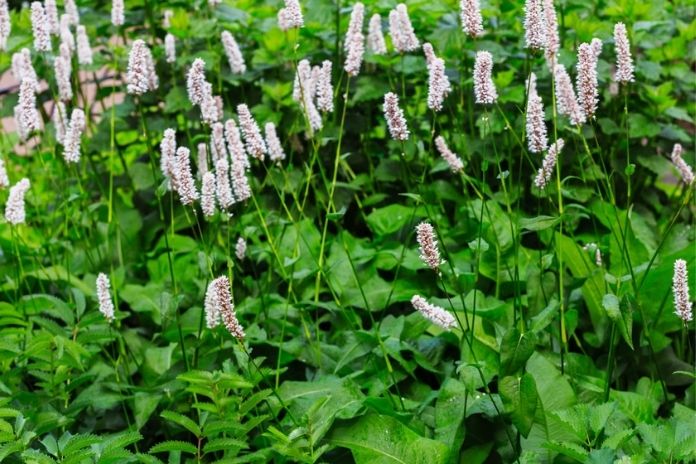
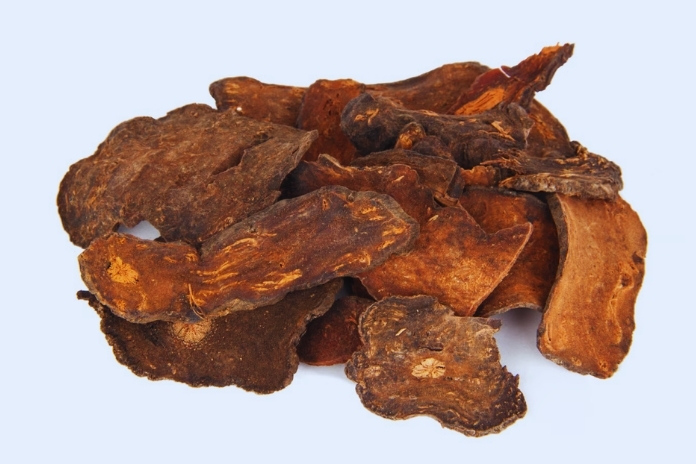
He Shou Wu is derived from the plant Polygonum multiflorum, now often classified as Fallopia multiflora. It was used for many purposes, like vitality, aging-related concerns, liver health, kidney support, and general wellness.
“Traditional Chinese Medicine is a 3,000 year old system of healthcare developed in China that focuses on restoring balance in the body to support the mind, body and spirit,” explains Charlotte Morgan, D.Ac., L.Ac., doctor of Chinese medicine and board-certified doctor of acupuncture.
Hair darkening and hair restoration became one of the most widely known traditional claims associated with it. When a medicinal plant has been used again and again across generations for a particular purpose, then scientists often become curious whether there is any measurable biological effect behind the traditional observations.
That never means the traditional claim is automatically correct. History can provide clues. It cannot replace evidence.
Researchers began isolating active compounds within the root and studying whether these compounds could influence hair follicles, inflammation, oxidative stress, and cellular pathways involved in hair growth. That shift, from traditional belief to laboratory investigation, is where modern interest began.
How Does Hair Growth Normally Work?
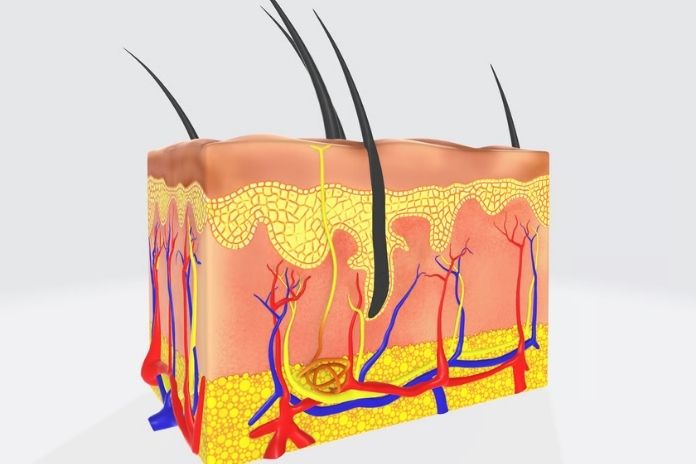
Hair growth looks simple from the outside. Hair grows. Hair falls. New hair appears. But inside the scalp, the process is surprisingly active and complicated.
Growth Phase (Anagen)
This is the active growth stage. Hair follicles continuously produce new hair fibers. Depending on genetics and individual factors, this phase may last several years. Longer anagen phases generally support thicker and longer hair growth.
Transition Phase (Catagen)
This phase is much shorter. The follicle begins slowing its activity and prepares to enter a resting state.
Resting Phase (Telogen)
Hair growth pauses. Eventually, the existing hair sheds, and the follicle prepares to start another cycle. Hair loss occurs when this cycle becomes disrupted. This process is especially important in androgenetic alopecia, commonly called male and female pattern hair loss.
Over time, follicles do not necessarily disappear immediately. They become smaller, weaker and less productive. Many emerging hair loss treatments attempt to reverse or slow that process.
What Did the Research Find?
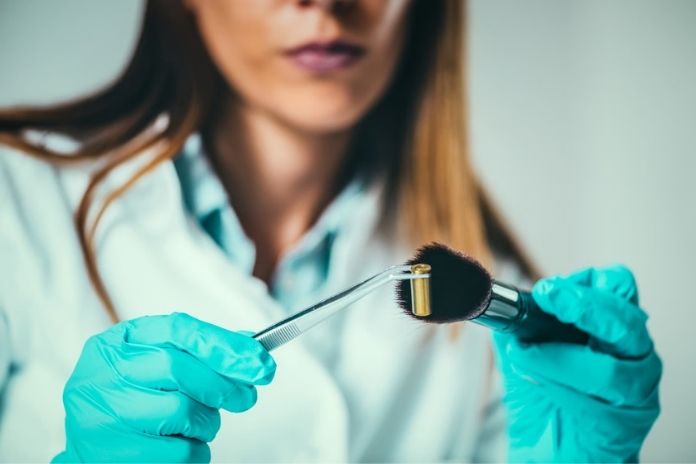
The attention around this ancient medicinal root comes mainly from preclinical research. That means laboratory studies and animal experiments. Most of the evidence so far has not come from large human clinical trials. Researchers observed that certain compounds found within the root appeared to stimulate hair follicle activity under experimental conditions.
Some studies reported longer anagen phases. Others found increased follicle growth activity. Several experiments suggested improvements in hair density and follicle regeneration in animal models. Another interesting observation involved inflammation. Hair follicles exist within a highly active biological environment.
Chronic inflammation can interfere with normal follicle function and contribute to hair loss in some situations. Researchers found compounds within the root may reduce inflammatory signaling in experimental models. Oxidative stress also attracted attention. Oxidative stress occurs when free radical production exceeds the body’s antioxidant defenses.
Some researchers believe this contributes to follicle aging and reduced hair growth over time. Certain compounds isolated from the root demonstrated antioxidant activity. Again, these findings are interesting. Interesting is not the same as proven. Most hair loss therapies look stronger in mice than in humans. The history of medical research shows this repeatedly.
How Might This Root Support Hair Growth?
Researchers currently focus on several possible mechanisms. One involves direct stimulation of hair follicle cells. Hair follicles constantly receive biochemical signals that tell them when to grow, rest, or shrink.
Certain compounds found within the root appear capable of influencing some of these signals. Researchers have also examined pathways involved in follicle survival and regeneration. Another possibility involves inflammation control.
Hair follicles function best when surrounding tissues remain healthy. Persistent low-grade inflammation may contribute to follicle dysfunction in some forms of hair loss. If inflammation decreases, follicles may function more effectively. Oxidative stress reduction is another area of interest. Hair follicles are metabolically active structures.
That activity creates oxidative byproducts. Excess oxidative stress may accelerate follicle aging and miniaturization. Antioxidant compounds may theoretically help reduce some of this damage. Still, several major questions remain unanswered.
Researchers do not yet know: the optimal dosage, which compounds matter most, whether oral supplementation or topical application works better, and whether meaningful benefits occur consistently in large human populations. Those questions remain open.
How Does This Compare With Established Hair Loss Treatments?
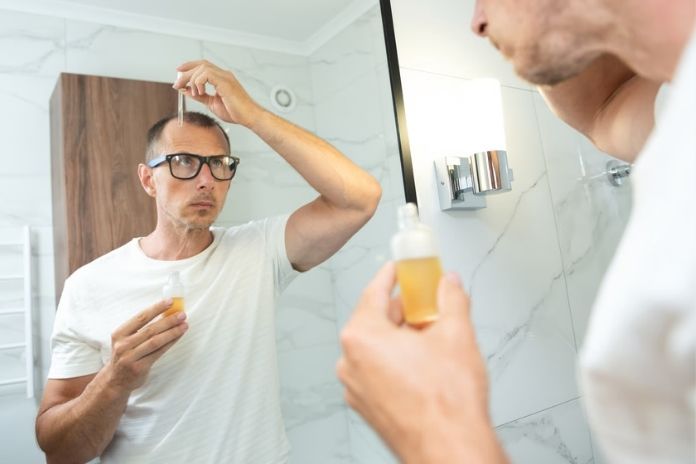
This is where many discussions become unrealistic. People often compare a promising laboratory finding directly against medications that have decades of clinical evidence. That comparison is not fair.
Minoxidil
Minoxidil remains one of the most studied hair loss treatments available. Large human studies show it can slow hair loss and stimulate regrowth in many people. Results vary. It does not work for everyone. But the evidence base is substantial.
Finasteride
Finasteride targets DHT, a hormone strongly involved in androgenetic alopecia. For many men, it remains one of the most effective treatments available. Again, not perfect. But supported by extensive clinical research.
Low-Level Laser Therapy
Laser devices have accumulated moderate evidence suggesting benefits for some individuals with pattern hair loss. Results tend to be modest. Still, human data exists.
Hair Transplantation
Hair transplantation remains the most predictable option for many advanced cases. It is expensive and surgical. But results can be dramatic.
Why Comparisons Are Difficult
The medicinal root currently lacks comparable clinical evidence. Most data remains preliminary. It may eventually become a useful complementary therapy. It may prove ineffective. The evidence simply is not mature enough yet.
Read More: 3 “Liver Support” Teas That May Harm Your Liver
What Type of Hair Loss Might It Help?
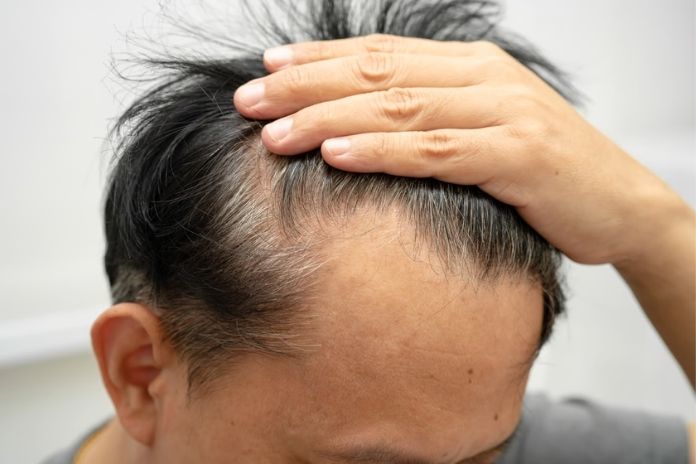
Most researchers focus on androgenetic alopecia. This makes sense because it is the most common form of hair loss worldwide. Both men and women experience it. Age-related thinning is another area of interest.
Some researchers suspect antioxidant and anti-inflammatory effects may potentially support aging follicles. But evidence remains limited. Other forms of alopecia are sometimes discussed online.
This is where caution becomes important. Autoimmune alopecia, scarring alopecia, chemotherapy-related hair loss, and other specialized conditions involve very different biological processes. Currently, there is little evidence supporting the use of this root for these conditions. People often assume all hair loss is the same, but different causes require different approaches.
Is the Evidence Strong Enough to Recommend It?
Short answer: not yet. That does not mean the research lacks value. It means the evidence hierarchy matters. Cell studies are useful. Animal studies are useful. Human trials carry much more weight.
Many promising substances fail during human testing. Some produce smaller effects than expected. Others create unexpected side effects. Before dermatologists broadly recommend this medicinal root as a hair loss treatment, larger clinical trials must answer several questions.
Does it work consistently? How much benefit occurs? Which patients respond best? What dose should be used? What are the long-term safety implications? At present, dermatologists generally continue recommending treatments supported by stronger human evidence.
Are There Any Potential Risks or Side Effects?
One mistake people make is assuming natural means safe. Nature produces many powerful chemicals. Some help. Some harmful. Some of both. Herbal supplement quality varies considerably between manufacturers. Purity, contamination, dosage accuracy, and ingredient consistency are common concerns.
Researchers have also reported cases of liver toxicity associated with certain preparations of He Shou Wu. These reports do not prove every product is dangerous. But they demonstrate why safety evaluation matters.
Dr. Shamsa Kanwal, MD, a board-certified dermatologist, says that “polygonum multiflorum has been linked to liver injury, so she recommends speaking with a doctor before taking it.”
Drug interactions represent another concern. Herbal products may interact with prescription medications. People taking medicines for blood pressure, diabetes, liver conditions, or other chronic diseases should be particularly cautious. Healthcare guidance remains important. Especially when supplements are used regularly.
What Else Can Support Healthy Hair Growth?

Many people focus on finding one magical ingredient. Hair biology rarely works that way. The first step is identifying the cause of hair loss. Hormonal changes. Iron deficiency. Thyroid disorders. Stress. Nutritional deficiencies. Pattern hair loss.
Smoking may negatively affect hair follicles. Chronic medical conditions may contribute. A dermatologist often provides the fastest route toward identifying the real cause instead of guessing. That step is less exciting than buying supplements. Usually more effective.
Read More: Ashwagandha Benefits: Complete Guide to Using This Adaptogen for Stress, Sleep, and Energy
Final Thoughts
The interesting thing about this ancient Chinese medicinal root is not that it has already solved hair loss. It has not. The interesting part is that modern research found biological signals worth investigating inside a remedy that existed long before modern dermatology. That alone makes it worthy of attention. But attention and proof are different things.
Right now, the evidence is promising, not conclusive. For people dealing with thinning hair today, established treatments still carry stronger support. This root may eventually join that list. It is simply too early to know.
- Research suggests compounds from this traditional medicinal root may influence hair follicle activity and growth pathways.
- Most evidence currently comes from laboratory and animal studies rather than large human trials.
- Anti-inflammatory and antioxidant effects are among the main mechanisms being investigated.
- Established treatments such as minoxidil and finasteride currently have much stronger clinical evidence.
- More human studies are needed before this root can be considered a proven hair regrowth therapy.
FAQs
1. Can herbal remedies regrow hair?
Some herbal remedies for hair regrowth show biological activity, but most lack strong clinical evidence compared with approved treatments. Early research may be promising, yet consistent hair regrowth outcomes in humans remain unproven without well-designed randomized controlled trials.
2. What is the strongest evidence-based treatment for hair loss?
For androgenetic alopecia, minoxidil and finasteride remain the strongest evidence-based treatments, with consistent trial data showing improved hair density and slowed loss. Minoxidil stimulates follicles, while finasteride reduces dihydrotestosterone, addressing the hormonal driver of pattern hair loss.
3. Is Traditional Chinese Medicine effective for hair loss?
Traditional Chinese medicine for hair loss shows some biologically active compounds, but effectiveness remains uncertain without high-quality clinical trials. Traditional use does not confirm a benefit. Standardized dosing, safety evaluation, and controlled human studies are required before recommending routine use.
4. How long does hair regrowth research take to become a treatment?
Hair regrowth research typically takes many years to become a treatment because laboratory findings must progress through preclinical studies, safety testing, phased clinical trials, and regulatory approval. This stepwise process ensures effectiveness and safety before therapies reach routine clinical practice.
5. Should I try herbal supplements for hair loss?
Whether to try herbal supplements for hair loss depends on the underlying cause, medical history, and treatment goals. Many supplements are unregulated and vary in quality. Consulting a dermatologist helps confirm the diagnosis and avoid delaying effective evidence-based treatments.
References
- Du, F., Li, J., Zhang, S., Zeng, X., Nie, J., & Li, Z. (2024). Oxidative stress in hair follicle development and hair growth: Signalling pathways, intervening mechanisms and potential of natural antioxidants. Journal of Cellular and Molecular Medicine, 28(12).
- Han, B., Xiao, M., Xin, T., Hu, H., Liu, Q., & Xu, B. (2025). Research progress on the application of Pleuropterus multiflorus in the treatment of androgenetic alopecia. Journal of Holistic Integrative Pharmacy, 6(4), 443–453
- Huanbutta, K., Rattanachitthawat, N., Thampithak, A., Onnim, P., Singh, I., & Sangnim, T. (2026). Phytochemicals and novel delivery systems in alopecia management: An integrative review. Phytomedicine Plus, 6(1), 100949.
- Lei, X., Chen, J., Ren, J., Li, Y., Zhai, J., Mu, W., Zhang, L., Zheng, W., Tian, G., & Shang, H. (2015). Liver Damage Associated with Polygonum multiflorum Thunb.: A Systematic Review of Case Reports and Case Series. Evidence-Based Complementary and Alternative Medicine: ECAM, 2015, 459749.
- McClellan, K. J., & Markham, A. (1999). Finasteride. Drugs, 57(1), 111–126.
- Mehta, A., Motavaf, M., Raza, D., McLure, A. J., Osei-Opare, K. D., Bordone, L. A., & Gru, A. A. (2025). Revolutionary Approaches to Hair Regrowth: Follicle Neogenesis, Wnt/ß-Catenin Signaling, and Emerging Therapies. Cells, 14(11), 779–779.
- Shin, J. Y., Choi, Y.-H., Kim, J., Park, S. Y., Nam, Y. J., Lee, S. Y., Jeon, J. H., Jin, M. H., & Lee, S. (2020). Polygonum multiflorum extract support hair growth by elongating anagen phase and abrogating the effect of androgen in cultured human dermal papilla cells. BMC Complementary Medicine and Therapies, 20(1).
- Suchonwanit, P., Thammarucha, S., & Leerunyakul, K. (2019). Minoxidil and its use in hair disorders: a review. Drug Design, Development and Therapy, Volume 13, 2777–2786.
- Teka, T., Wang, L., Gao, J., Mou, J., Pan, G., Yu, H., Gao, X., & Han, L. (2021). Polygonum multiflorum: Recent updates on newly isolated compounds, potential hepatotoxic compounds and their mechanisms. Journal of Ethnopharmacology, 271, 113864–113864.
In this Article