




















Does heat affect blood sugar levels? Yes. More ways than most people realize. When people think about summer health risks, they usually think about dehydration, sunburn, heat exhaustion, and maybe heat stroke. Blood sugar is often not part of that conversation.
But it probably should be. The World Meteorological Organization confirmed 2024 as the hottest year ever recorded. During that same year, around 6.8 billion people experienced extreme heat for at least 31 days.
For people with diabetes, and even some people with prediabetes, that matters. Because heat does not simply make you uncomfortable. It changes how your body handles glucose. It changes how insulin works. It changes hydration levels and also causes dangerous sugar fluctuations.
The confusing part is that many of these changes happen quietly. A person may assume their blood sugar is behaving normally while the weather is affecting things in the background. Understanding these mechanisms makes summer diabetes management much easier. And safer.
- Heat affects blood sugar through cortisol release, dehydration, changes in insulin sensitivity, and faster insulin absorption.
- For people with diabetes, summer increases the risk of both high and low blood sugar, especially during outdoor activity.
- More frequent glucose monitoring, staying hydrated, and keeping medications away from heat are some of the most important summer precautions.
How Heat Affects Blood Sugar in Everyone: The Mechanisms
Heat affects blood sugar long before diabetes enters the discussion. “Diabetes patients, in particular, are susceptible to the heat,” says Dr. Curtiss Cook, an endocrinologist. Even in healthy people, hot weather creates several physiological changes that influence glucose regulation. The first is stress hormone release.
Most people do not think of heat as a stressor because it feels different from emotional stress. But the body sees it differently. Extreme heat is a form of physical stress. To cope with it, the body releases hormones, including cortisol.
Cortisol has one important job during stress. It helps ensure enough energy is available. One way it does this is by increasing glucose production in the liver while reducing glucose uptake in some tissues. Blood sugar rises because the body is preparing for a challenge.
This is exactly the same reason blood glucose often rises during illness, injury or emotional stress. Heat stress activates the same biological pathway. Then comes dehydration.
This mechanism is surprisingly simple. As temperatures rise, sweating increases. Fluid leaves the body. Blood plasma volume becomes lower.
Now imagine the same amount of glucose circulating in less fluid. The concentration becomes higher. Blood sugar readings can increase even if food intake has not changed. “If you become dehydrated, your blood glucose levels will rise,” explains endocrinologist Dr. Marwan Hamaty. “This can lead to frequent urination, which then leads to further dehydration and even higher blood sugar levels — a kind of vicious cycle.”
Many people unknowingly make this worse by reaching for drinks that are actually poor choices in the heat. Alcohol contributes to dehydration. Excess caffeine from coffee, soda, energy drinks and some sports beverages can increase fluid losses too. Some of these drinks also contain significant amounts of sugar, creating an additional blood glucose challenge.
The third mechanism is more complicated. Heat changes insulin sensitivity. Researchers have become increasingly interested in the relationship between heat stress and glucose metabolism. High ambient temperatures affect blood flow, beta-cell activity and insulin action.
During acute heat exposure, blood vessels widen. This process, called vasodilation, helps release heat from the body. But increased blood flow has another effect. Glucose and insulin move through tissues differently.
Sometimes insulin sensitivity temporarily increases. Glucose uptake can become faster. This is one reason blood sugar may unexpectedly fall during hot weather, particularly in people using diabetes medications.
So heat does not push blood sugar in one direction only. It creates several competing biological effects happening at the same time.
Why People With Diabetes Are More Vulnerable

A healthy body usually adjusts to these changes without much trouble. Diabetes makes those adjustments harder. People with type 1 diabetes, type 2 diabetes, and even prediabetes often experience stronger reactions to hot weather. The risk becomes even greater during outdoor exercise, sports, gardening, long walks, or any activity that combines physical effort with heat exposure.
One reason is autonomic neuropathy. This complication develops in some people with long-standing diabetes. It can affect the nerves responsible for regulating sweating.
Sweating is the body’s main cooling system. When that system does not work properly, heat builds up faster. The body struggles to cool itself. Heat exhaustion and heat stroke become more likely.
There is another issue too. Heat exhaustion and hypoglycemia often look similar. Both can cause sweating. Both can cause weakness. Both can cause dizziness. Both can cause confusion. This overlap creates a dangerous situation. Someone may assume they are simply overheated when their blood sugar is actually dropping. That delay matters.
Low blood sugar should never be guessed at. It should be checked and treated promptly. Hot weather also affects medications, insulin performance, and hydration status. Because diabetes management already depends on balancing many variables, adding extreme temperatures makes blood glucose less predictable. That unpredictability is often what people notice first.
The Hypoglycemia Risk: Why Heat Can Drop Blood Sugar Dangerously
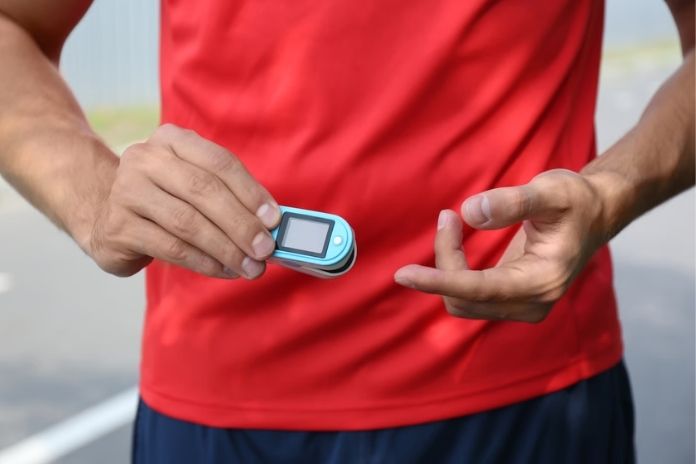
When people hear about heat and blood sugar, they usually assume blood sugar goes up. The lesser-known risk is that it can sometimes go down. And in certain situations, it can drop quite quickly.
A 2024 study published in Diabetes Care by Visaria and colleagues examined older adults with diabetes in both the United States and Taiwan. Researchers found that hotter temperatures were associated with a significantly increased risk of serious hypoglycemia among insulin users.
The hotter the conditions became, the greater the risk. The biology behind this is fairly straightforward. Heat causes blood vessels near the skin to widen. Blood flow increases.
For someone using injected insulin or an insulin pump, this means insulin may be absorbed faster than expected. The dose itself has not changed. But the speed of delivery into circulation has changed.
The result can be a stronger insulin effect than intended. This matters particularly during outdoor activities. A person may take their usual insulin dose before heading outside. The dose works perfectly on a mild day. Then summer arrives, and suddenly that same dose behaves differently.
This is why people using insulin or medications that can cause hypoglycaemia need extra awareness during heat exposure.
Symptoms should never be ignored. And blood glucose should always be tested rather than guessed.
Insulin, Medications, and Equipment: What Heat Does to Your Diabetes Toolkit
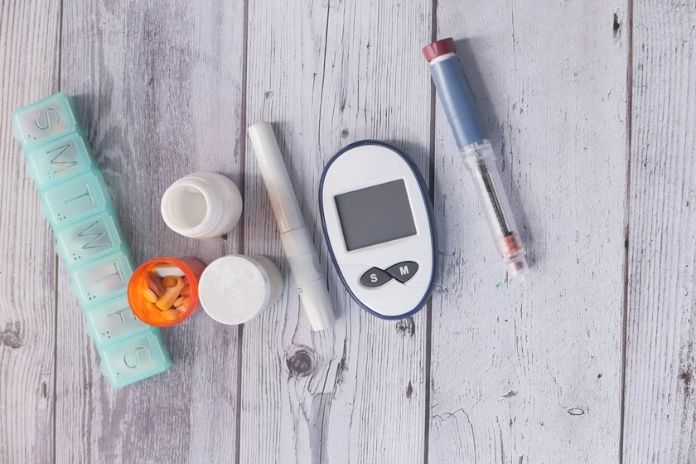
One part of summer diabetes management gets surprisingly little attention. The medication itself. Many people focus on what heat does inside the body. They forget that heat also affects the tools used to manage diabetes.
Insulin is a protein. Proteins do not tolerate heat very well. When insulin is exposed to excessive temperatures, it begins to degrade. The structure changes. Potency decreases. This can happen more easily than people realize.
A car is parked in the sun. A beach bag is sitting outside. A backpack is carried all day during hot weather. Direct sunlight. Any of these can expose insulin to temperatures above recommended storage ranges.
The frustrating thing is that damaged insulin does not always stop working completely. Sometimes it works partially. Sometimes unpredictably. That makes blood sugar patterns difficult to understand.
Storage matters. Keeping insulin cool and protected from direct sunlight remains one of the most important summer precautions. Technology can also become less reliable. Many CGM users notice issues during very hot weather.
Sweat can loosen sensors. Moisture can affect adhesion. Sunscreen and lotions occasionally interfere with readings. In some cases, unusual glucose readings may not fully reflect actual blood glucose levels.
That does not mean CGMs should not be trusted. But unusual values deserve confirmation with a fingerstick test when possible.
Pump users face another challenge. Insulin sitting inside the pump tubing can be exposed to heat for extended periods. Air bubbles may develop. Insulin degradation may occur.
Sometimes unexplained blood sugar elevations during summer are not caused by food, exercise, or illness. The problem is sitting inside the tubing.
Sunburn and Blood Sugar: The Overlooked Connection

Most people see sunburn as a skin problem. For people with diabetes, it can become a blood sugar problem too. The reason is simple. The body treats sunburn as an injury. And injuries trigger stress responses.
When skin is damaged by ultraviolet radiation, the body releases inflammatory chemicals. Stress hormones, including cortisol and adrenaline, increase. Those hormones raise blood glucose.
The same thing happens during infections, injuries, and surgical recovery. Sunburn is not different. Even a moderate burn can keep blood sugar elevated until healing occurs. Many people never connect the two events.
They notice stubbornly high readings but do not consider the sunburn from two days earlier. Prevention becomes important. Sunscreen. Protective clothing. Shade whenever possible. Avoiding peak afternoon sun.
These habits help protect more than just the skin.
Read More: Can You Stop Taking Ozempic or Wegovy? What Happens After Stopping
Practical Summer Blood Sugar Management: What the Evidence Recommends

Summer management is not about doing dozens of extra things. Usually, a few adjustments make the biggest difference. Hydration comes first.
The CDC recommends drinking plenty of water during hot weather. For people with diabetes, this is especially important because dehydration can amplify blood glucose fluctuations.
Plain water remains the best choice. Many people automatically reach for sports drinks, but these often contain large amounts of sugar. Alcohol and excessive caffeine can also worsen dehydration.
Monitoring matters more in summer. Blood sugar may fluctuate in ways that feel unusual. Outdoor walks. Swimming. Gardening. Travel. Long periods in the sun. All of these can affect glucose levels.
Checking blood sugar more frequently helps identify changes before they become problems. For CGM users, paying closer attention to trends during hot weather can be helpful.
Physical activity timing also matters. Exercise during the coolest part of the day generally creates fewer challenges than activity during peak heat.
Many diabetes educators recommend carrying a quick glucose source whenever spending time outdoors. A phone should be available too.
Some people benefit from having a small snack containing carbohydrate plus protein or fat before extended outdoor activity. Something simple like apple slices with peanut butter can provide steadier glucose support than carbohydrate alone.
Perhaps the most important advice is recognizing warning signs. Sweating. Weakness. Dizziness. Confusion. These symptoms should never automatically be blamed on heat. Check blood glucose always. Because treating presumed heat exhaustion while missing hypoglycemia can become dangerous very quickly.
Read More: The Role of Heat Shock Proteins in Muscle Recovery and Longevity
Does Heat Affect Blood Sugar in People Without Diabetes?

Yes. Just usually not enough to create major problems. The same biological mechanisms still occur. Cortisol rises. Dehydration happens. Blood glucose concentrations may shift slightly. Insulin sensitivity may change temporarily.
The difference is that healthy glucose regulation systems compensate very efficiently. Insulin release adjusts automatically. Hormonal responses restore balance. Most people never notice these changes happening.
Prediabetes is different. People with insulin resistance or prediabetes may experience more noticeable blood glucose fluctuations during hot weather.
Research suggests they can have stronger reactions to heat, especially during physical activity. Hydration and awareness become more important in this group even before diabetes develops.
Read More: Extreme Heat and Aging: Why Doctors Compare It to Smoking or Heavy Drinking
Conclusion
Heat affects blood sugar through several well-understood biological mechanisms. Cortisol release, dehydration, changes in insulin sensitivity, and altered insulin absorption all play a role. For people without diabetes, these changes are usually corrected automatically. For people with diabetes, summer creates real management challenges. Blood glucose may become less predictable, insulin may act faster, medications can degrade, and symptoms of heat exhaustion can look very similar to hypoglycemia. More frequent monitoring, better hydration, and careful medication storage remain the most useful adjustments during hot weather.
- Heat does not push blood sugar in one direction. It can raise or lower glucose depending on hydration, medications, insulin levels and current blood sugar status.
- One of the biggest summer diabetes risks is not hyperglycaemia but hypoglycaemia, which receives much less public attention.
- Future climate change may become a diabetes management issue as much as an environmental issue. Researchers are increasingly studying climate change and diabetes together.
- Most diabetes education focuses on food and exercise, but environmental factors like temperature can significantly affect glucose control too.
- Research is still limited on how newer CGM systems and insulin delivery technologies perform during prolonged extreme heat exposure.
FAQs
1. Can hot weather raise your blood sugar?
Yes, hot weather can raise blood sugar levels through stress hormones and dehydration. Heat increases cortisol, which promotes the liver’s release of glucose, while dehydration concentrates blood glucose levels. However, responses vary, and some individuals may experience lower glucose under certain conditions.
2. Can heat cause low blood sugar (hypoglycemia)?
Yes, heat can cause low blood sugar, especially in people using insulin or certain diabetes medications. Vasodilation increases blood flow and speeds insulin absorption, raising hypoglycemia risk. This effect is more pronounced during prolonged exposure to outdoor heat and physical activity.
3. How should I store insulin in summer?
Insulin should be stored between 2°C and 25°C and protected from heat and sunlight. Exposure to high temperatures damages insulin and reduces its effectiveness. Avoid leaving it in cars or direct sunlight, and use insulated storage during travel or outdoor activity.
References
- Dimaki, A., Kyriazi, M., Leonis, G., Sfiniadakis, I., Papaioannou, G. T., Ioannou, E., Roussis, V., & Rallis, M. (2019). Diabetic skin and UV light: Protection by antioxidants. European Journal of Pharmaceutical Sciences, 127, 1–8.
- Heinemann, L. (2024). Heat-Stable Insulins: Any Progress? Journal of Diabetes Science and Technology.
- Maley, M. J., Hunt, A. P., Stewart, I. B., Faulkner, S. H., & Minett, G. M. (2019). Passive heating and glycaemic control in non-diabetic and diabetic individuals: A systematic review and meta-analysis. PLOS ONE, 14(3), e0214223.
- Pallubinsky, H., Phielix, E., Dautzenberg, B., Schaart, G., Connell, N. J., Wit‐Verheggen, V., Havekes, B., Baak, M. A., Schrauwen, P., & Marken Lichtenbelt, W. D. (2020). Passive exposure to heat improves glucose metabolism in overweight humans. Acta Physiologica, 229(4).
- Visaria, A., Huang, S.-P., Su, C.-C., Robinson, D., Read, J., Lin, C.-Y., Nethery, R., Josey, K., Gandhi, P., Bates, B., Rua, M., Parthasarathi, A., Ghosh, A. K., Yang, Y.-H. K., & Setoguchi, S. (2023). Ambient Heat and Risk of Serious Hypoglycemia in Older Adults With Diabetes Using Insulin in the U.S. and Taiwan: A Cross-National Case-Crossover Study. Diabetes Care, 47(2), 233–238.
In this Article