


















Yes. The skin communicates with the body and often shows the first signs and symptoms of an internal disease, sometimes before other symptoms appear. In some cases, skin changes may be the only expression of systemic disease.
Yellowing of the skin, darkened skin folds, butterfly-shaped facial rashes, and unexplained itching are well-established signals of liver, metabolic, autoimmune, and kidney conditions. Knowing what to look for can help support earlier diagnosis and treatment.
Among all the skin signs of internal health issues, some of the most important are also the easiest to see. The skin does far more than act as a protective barrier; it can reveal clues about what is happening elsewhere in the body.
For both patients and clinicians, it is the most accessible organ and one of the most easily diagnosable. Several systemic diseases consistently produce characteristic skin changes before other symptoms become obvious. Understanding these signs can help identify when a medical evaluation may be needed.
- Your skin can sometimes show the first signs of internal diseases, including liver, metabolic, autoimmune, and kidney conditions.
- Changes such as dark velvety skin folds, yellowing of the skin or eyes, butterfly rashes, and unexplained itching may signal underlying health problems.
- These skin findings are not diagnoses on their own, but they warrant medical evaluation to identify and treat any underlying condition.
Read More: The Wedding Prep Guide: Can You Fade Acanthosis Nigricans Fast?
Acanthosis Nigricans: Dark, Velvety Skin in Folds
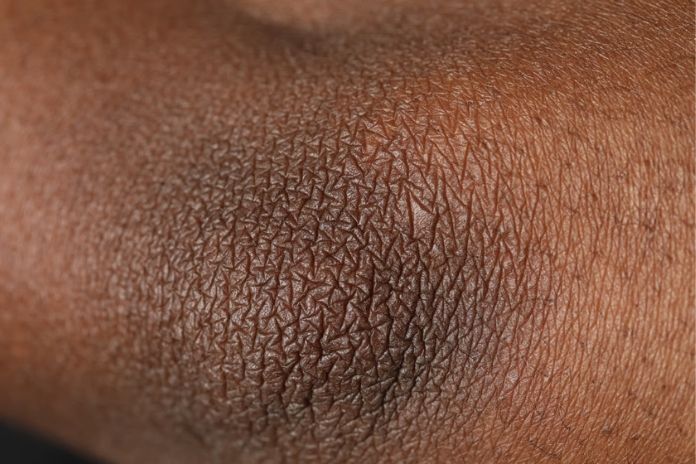
Acanthosis nigricans appears as thickened, dark, velvety skin in body folds, most commonly on the back of the neck, under the arms, and in the groin. It may also develop on the knuckles, knees, or elbows.
This skin finding is strongly associated with insulin resistance, prediabetes, and type 2 diabetes. It is also linked to polycystic ovary syndrome (PCOS), metabolic syndrome, and, in rare cases, certain cancers.
The connection is biological rather than cosmetic. Elevated insulin levels stimulate receptors on keratinocytes and fibroblasts, promoting excessive skin cell growth and causing the characteristic thickening and hyperpigmentation.
Anyone with acanthosis nigricans should discuss testing that may include fasting blood glucose, HbA1c, and fasting insulin levels. Importantly, it can occur in people of any body size. Acanthosis nigricans and insulin resistance are closely linked, making this a metabolic signal rather than a simple skin concern. This warrants medical evaluation, not self-management.
Jaundice: Yellowing of Skin and Whites of Eyes
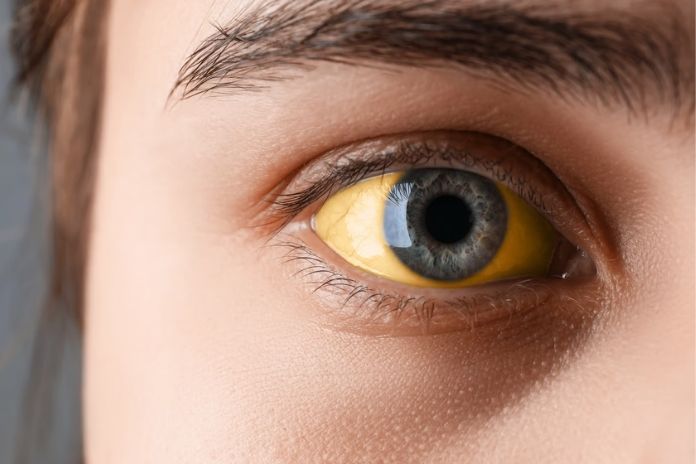
Jaundice is one of the most recognizable examples of what your skin says about your health. It causes a yellow discoloration of the skin and the sclera, or whites of the eyes. The color change may be subtle at first or become more pronounced over time.
Jaundice signals higher bilirubin levels. Common causes include liver diseases such as hepatitis and cirrhosis; bile duct obstruction from gallstones or pancreatic cancer; and hemolytic anemia, in which red blood cells break down too quickly. Bilirubin is produced during the breakdown of hemoglobin.
Any new jaundice in an adult requires medical assessment within the same week. If it occurs with abdominal pain, dark urine, pale stools, or unexplained weight loss, urgent evaluation is needed. This warrants medical evaluation, not self-management.
Read More: Understanding Jaundice: Effective Home Treatments
Xanthelasma and Xanthomas: Yellowish Deposits Near Eyes or on Joints
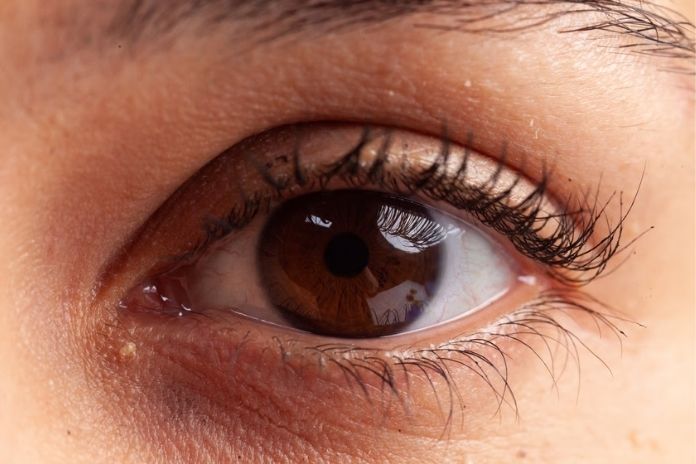
Xanthelasma appears as soft, yellowish plaques near the inner corners of the eyelids. Xanthomas are related lesions that may develop on the Achilles tendon, elbows, knees, or knuckles. In severe cases, they can appear as crops of small yellow-orange bumps across the body.
These lesions are often associated with abnormal blood lipid levels. Xanthelasma is associated with elevated LDL cholesterol and familial hypercholesterolemia, whereas eruptive xanthomas often indicate extremely high triglyceride levels.
Because of this relationship, xanthelasma and cholesterol levels should be evaluated together. A fasting lipid panel is usually recommended. Familial hypercholesterolemia is often first detected through these skin findings in otherwise healthy young adults.
These deposits may provide an early clue to cardiovascular risk.
Butterfly Rash: Red Rash Across Cheeks and Nose
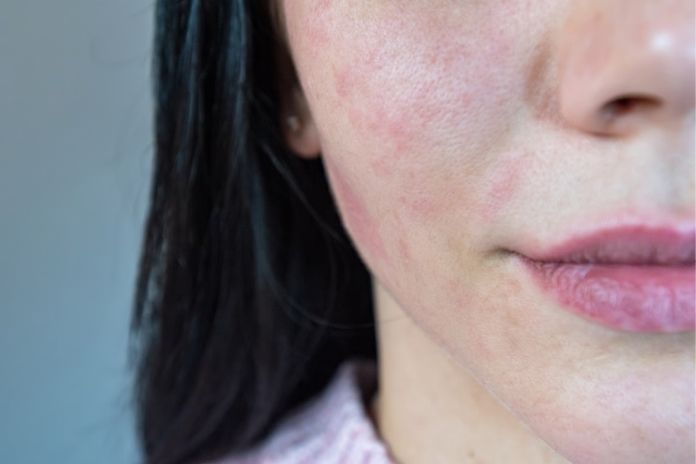
A butterfly rash, also called a malar rash, appears across the cheeks and bridge of the nose in a butterfly-shaped pattern. It may be flat or raised and typically spares the nasolabial folds. Sun exposure often triggers or worsens it.
This rash is strongly associated with systemic lupus erythematosus (SLE), an autoimmune disease in which the immune system attacks healthy tissues throughout the body. The butterfly rash is one of the recognized classification criteria used in lupus diagnosis. Because it can resemble rosacea or sunburn, the significance is sometimes overlooked.
When accompanied by fatigue, joint pain, hair loss, or increased sensitivity to sunlight, further evaluation is important. A butterfly-patterned facial rash requires medical assessment, including ANA testing and a rheumatology referral. This requires medical evaluation, not self-management.
Generalized Itching Without Rash: The Internal Cause Most People Miss
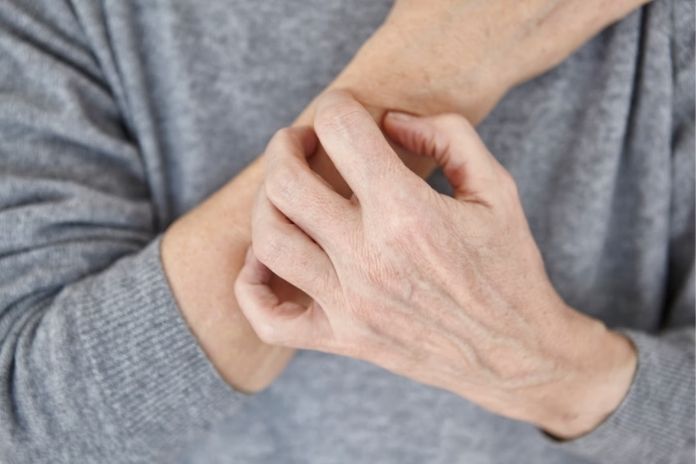
Persistent itching without an obvious rash is known as pruritus sine materia. People may experience widespread itching, often worse at night, but have no visible skin lesions beyond scratch marks.
This is one of the most important skin symptoms of internal disease, as there may be no visible warning signs. Generalized pruritus is associated with chronic kidney disease, cholestatic liver disease, bile duct obstruction, thyroid disorders, iron deficiency anemia, and certain cancers such as Hodgkin’s lymphoma.
Researchers have recognized pruritus as a potential sign of systemic disease affecting metabolic, cardiovascular, renal, and gastrointestinal systems.
When generalized itching persists for more than six weeks without a clear dermatological explanation, laboratory testing may include liver and kidney function tests, thyroid studies, blood counts, ferritin, and glucose levels.
Since itching without rash can occasionally signal a significant underlying illness, you must visit a doctor.
Read More: “Asymptomatic” CKD? The Overlooked Symptoms Like Itching, Insomnia, and Night Cramps
Necrobiosis Lipoidica: Waxy Plaques on the Shins
Necrobiosis lipoidica is an uncommon but distinctive skin condition characterized by shiny yellowish-brown or reddish plaques on the shins. The plaques often have a raised violet border, while the center may appear thin, waxy, and translucent.
The condition is strongly linked to both type 1 and type 2 diabetes, although it can occasionally occur in people without diabetes. Estimates suggest it affects approximately 1% of individuals with diabetes.
The lesions are often painless initially, which can delay medical attention. Over time, ulceration may develop, increasing the risk of complications.
Anyone who develops new waxy plaques on the lower legs should undergo evaluation, especially if diabetes is present or suspected. Ulcerated lesions require prompt assessment. This warrants medical evaluation, not self-management.
Pallor: Unusual Paleness in Palms, Gums, and Lower Eyelid
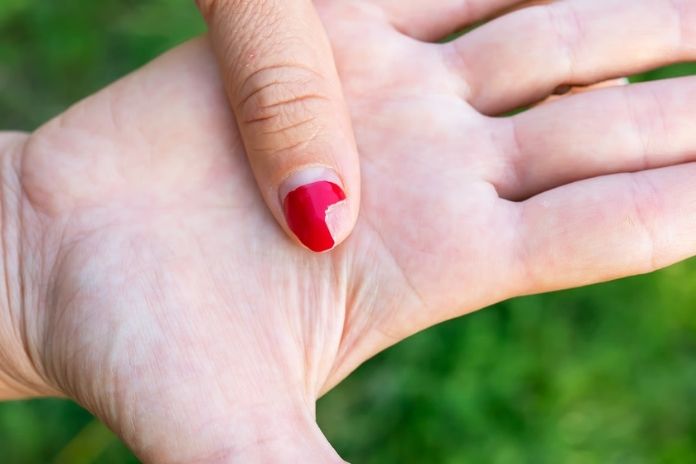
Pallor refers to unusual paleness that may be noticeable in the palms, gums, or lower eyelid conjunctiva. In people with darker skin tones, these areas are often more reliable indicators than facial skin.
Pallor commonly signals anemia, including iron deficiency anemia, vitamin B12 deficiency, folate deficiency, or anemia associated with chronic disease. In some cases, it may reflect ongoing internal blood loss, particularly from the gastrointestinal tract.
Reduced hemoglobin levels decrease the pink or red coloration normally visible through tissues. Symptoms such as fatigue, dizziness, weakness, and shortness of breath frequently occur alongside pallor.
A full blood count and iron studies are typically recommended when pallor is identified. Further testing may be needed depending on the suspected cause. This requires medical evaluation, not self-management.
Erythema Nodosum: Tender Red Lumps on the Shins
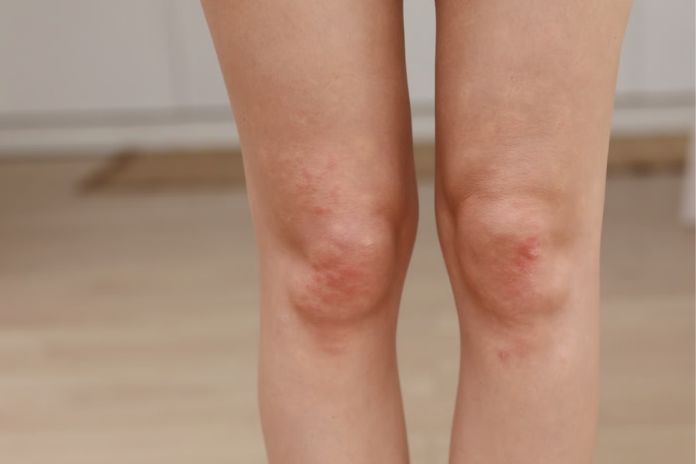
Erythema nodosum presents as painful, red, raised nodules, most often on the shins. The lesions are tender and may gradually change from red to purple and then yellowish as they heal, similar to bruises.
Unlike many skin conditions, erythema nodosum is not a disease itself. It is an inflammatory reaction pattern associated with underlying conditions, including sarcoidosis, inflammatory bowel disease (particularly Crohn’s disease), streptococcal infection, tuberculosis, certain medications, and pregnancy.
Since it can reflect systemic inflammation, identifying the underlying trigger is essential.
Evaluation often includes inflammatory markers, throat testing, and imaging such as a chest X-ray when appropriate. Erythema nodosum should always be investigated rather than observed without follow-up. This needs a doctor’s visit.
Conclusion
Most people look at their skin every day without realizing it can provide valuable information about overall health. Dermatologists, working alongside primary care physicians and specialists, play an important role in recognizing these clues.
The eight skin signs discussed here are well-established in clinical medicine and can sometimes appear before other symptoms develop. While none of these findings provides a diagnosis on its own, each is a reason to start a conversation with a healthcare professional and seek appropriate evaluation.
FAQs
Q. Can skin problems be a sign of internal disease?
Yes. This is well established in clinical medicine. Cutaneous manifestations of systemic diseases play an important role in diagnosis and management. The skin often reflects internal health, and conditions such as diabetes, liver disease, kidney disease, and autoimmune disorders can produce characteristic skin changes before other symptoms become apparent.
Q. What does skin look like when your liver is struggling?
The most specific sign is jaundice, which causes yellowing of the skin and the whites of the eyes due to elevated bilirubin levels. Other liver-related skin findings include spider angiomas, palmar erythema, generalized itching, and easy bruising. Any new jaundice in an adult warrants a same-week medical evaluation.
Q. When should skin changes prompt a doctor visit?
Medical evaluation is recommended when jaundice develops, itching without a rash lasts more than six weeks, a rash occurs with fatigue or joint pain, dark velvety patches appear in skin folds, or unexplained waxy plaques or tender nodules develop. Most skin changes are harmless, but accompanying systemic symptoms increase concern.
In this Article