





















It’s the week before your period, and something shifts. Maybe you’re more irritable than usual, tired in a way sleep doesn’t fix, or your jeans feel uncomfortably snug. For many people who menstruate, these kinds of changes are familiar.
But for others, that same week brings something far heavier: a dark, consuming mood that feels nothing like ordinary moodiness, anxiety that spikes without clear cause, or a sense of hopelessness that evaporates the moment menstruation begins.
The difference between what those two experiences describe is at the heart of the PMS vs. PMDD distinction. Premenstrual syndrome and premenstrual dysphoric disorder both involve symptoms that appear before a period and resolve once it starts, but their severity, their impact on daily life, and their treatment needs are not the same.
Understanding that difference matters, because PMDD is a clinical condition, not an exaggerated version of a bad mood, and it responds to specific treatments that most people never know to ask about.
- PMS causes manageable physical and emotional symptoms before a period, while PMDD is a recognized medical condition that can severely disrupt work, relationships, and daily functioning.
- The biggest difference is symptom severity. PMDD often involves intense depression, anxiety, irritability, hopelessness, or panic that appears before menstruation and improves once the period begins.
- PMDD is linked to an abnormal brain response to normal hormone fluctuations, particularly involving serotonin and progesterone metabolites. Genetics, stress, trauma, and sleep issues may increase risk.
- Effective treatments include lifestyle changes, CBT, and SSRIs, which can even be taken only during the premenstrual phase. Severe mood symptoms, especially suicidal thoughts, require prompt medical attention.
What Is PMS?

Premenstrual syndrome refers to a pattern of physical and emotional symptoms that appear in the days before menstruation, typically during the luteal phase of the cycle, and resolve after bleeding begins. PMS is one of the most common conditions affecting people who menstruate, with estimates suggesting it affects between 20 and 40 percent of menstruating individuals at some level of severity.
Physical symptoms include bloating, breast tenderness, headaches, fluid retention, and fatigue. Emotional and cognitive symptoms can involve irritability, mood swings, low-grade sadness, difficulty concentrating, and increased sensitivity to stress or interpersonal conflict.
These symptoms are real and can be uncomfortable. For most people with PMS, though, they are manageable. They don’t prevent someone from going to work, maintaining relationships, or functioning in daily life, even if they make those things feel harder for a few days.
PMS symptoms typically emerge during the second half of the menstrual cycle, after ovulation, when progesterone levels rise, and estrogen begins declining. Symptoms usually peak in the two to five days before menstruation and resolve within a day or two of the period starting. This cyclical pattern, tied consistently to the luteal phase, is what distinguishes PMS from other causes of mood or physical changes.
Most people who menstruate experience at least some premenstrual symptoms. The majority fall into a mild to moderate range that doesn’t significantly impair function. Severe PMS, where symptoms cause meaningful disruption, affect a smaller proportion, and sit on the diagnostic spectrum closer to PMDD.
Read More: 9 Best PMS Supplements That May Help with Mood Swings and Bloating
What Is PMDD?
Premenstrual dysphoric disorder is a recognized clinical diagnosis listed in the Diagnostic and Statistical Manual of Mental Disorders, Fifth Edition (DSM-5). It is not simply intense PMS. PMDD involves severe, often debilitating emotional and psychological symptoms that consistently appear in the luteal phase and resolve with the onset of menstruation.
The defining feature of PMDD is the degree to which symptoms disrupt functioning. Where PMS may make a difficult week harder, PMDD can make normal daily functioning feel impossible. People with PMDD describe losing the ability to work effectively, withdrawing entirely from relationships, or experiencing emotional states that feel wholly disproportionate to their circumstances.
A 2017 study published in Molecular Psychiatry found that cells from women with PMDD responded differently to estrogen and progesterone at the molecular level, supporting the theory that PMDD is a biologically distinct condition characterized by altered cellular sensitivity to normal hormonal fluctuations.
The emotional symptoms of PMDD are its most clinically significant feature. Severe irritability, sometimes explosive and directed at people the individual cares about, is among the most reported. Depression before the period, not sadness but a heavy, pervasive low mood, is common. So is intense anxiety before the period that can escalate to panic attacks.
Feelings of hopelessness, worthlessness, or being overwhelmed can appear suddenly and resolve just as suddenly when menstruation begins. This cyclical, predictable quality is one of the diagnostic keys. The symptoms are hormone-cycle dependent, not continuous.
Physical symptoms in PMDD overlap with PMS but may be more pronounced. Sleep changes, including insomnia or hypersomnia, are common. Appetite changes, often including intense cravings or loss of appetite, occur in many cases. Fatigue can be severe enough to limit activity. Physical discomfort, including joint pain, breast tenderness, and bloating, frequently accompanies the emotional symptoms.
PMS vs. PMDD: The Key Differences
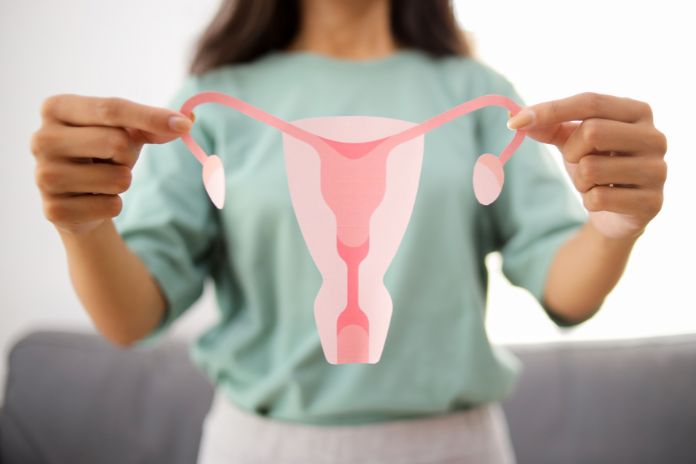
Symptom Severity and Impact on Daily Functioning
The most clinically meaningful difference between PMS and PMDD is functional impairment. PMS symptoms range from mild to moderate and do not typically prevent people from meeting their daily responsibilities, even when those symptoms are unpleasant. PMDD symptoms are severe enough to interfere with work performance, academic functioning, parenting, or the ability to maintain close relationships.
This threshold, the point at which symptoms disrupt rather than merely inconvenience, is central to the diagnostic distinction.
Emotional Symptoms in PMDD
The emotional symptoms of PMDD are not simply heightened versions of ordinary premenstrual irritability. They are qualitatively different in many cases. People with PMDD often describe feeling like a different person during the luteal phase, one who is unrecognizable to themselves and to people close to them.
Relationship strain is common. Partners, children, and coworkers may bear the brunt of severe irritability or emotional volatility that the individual with PMDD recognizes as disproportionate but feels unable to control in the moment. This recognition, combined with the inability to regulate the response, is itself a significant source of distress and shame.
Duration and Cyclical Pattern of Symptoms
Both PMS and PMDD are cyclical. Symptoms appear predictably in the luteal phase and resolve with menstruation. This pattern is actually diagnostic: mood disorders like major depressive disorder or generalized anxiety disorder don’t remit with each menstrual cycle. When symptoms disappear for at least a week after menstruation begins, that timing is a meaningful clinical clue.
Research led by Dr. Tory Eisenlohr-Moul emphasizes that PMDD symptoms are confined to the luteal phase and are followed by a symptom-free interval after menstruation, a feature that helps differentiate PMDD from underlying mood disorders that persist throughout the menstrual cycle.
Why PMDD Is Considered a Medical Condition
PMDD was formally added to the DSM-5 in 2013 as a distinct diagnosis, a change that reflected growing evidence of its biological underpinnings and its substantial impact on quality of life. Recognizing it as a medical condition rather than a personality tendency or stress reaction has helped reduce diagnostic delays and improve access to treatment.
It also represents the appropriate framing of what is often dismissed. PMDD is not a character flaw. It is not drama. It is a reproducible, hormonally linked psychiatric condition with identified neurobiological mechanisms.
What Causes PMS and PMDD?
Neither PMS nor PMDD is caused by abnormally high or low hormone levels. Blood tests of estrogen and progesterone in people with PMDD typically fall within the normal range. The issue is not the hormonal level but the brain’s response to normal hormonal fluctuations, particularly to the metabolites of progesterone, including allopregnanolone, which interacts with GABA receptors in the brain.
Serotonin is a key player in both conditions. Hormonal changes during the luteal phase affect serotonin signaling, and people with PMDD appear to have a heightened sensitivity to those fluctuations. This is why SSRIs, which modulate serotonin, are among the most effective treatments for PMDD, often working even at lower doses and when taken only during the luteal phase.
Research suggests that serotonin plays a central role in PMDD, helping explain why selective serotonin reuptake inhibitors (SSRIs) are considered first-line pharmacologic treatment. Multiple studies have demonstrated that SSRIs significantly reduce PMDD symptoms and can be effective when taken either continuously or only during the luteal phase.
Genetics plays a meaningful role. A family history of PMDD or mood disorders increases risk. Trauma history, particularly a history of abuse or PTSD, is associated with more severe premenstrual symptoms. Chronic stress, poor sleep, and pre-existing anxiety are all factors that appear to amplify the brain’s sensitivity to luteal-phase hormonal shifts.
How PMDD Is Diagnosed
No blood test or imaging study can diagnose PMDD. Diagnosis is clinical, based on a prospective symptom record tracked across at least two menstrual cycles. This means documenting symptoms daily, their type, their severity, and when they occur relative to the menstrual cycle.
Validated tools like the Daily Record of Severity of Problems (DRSP) are used in clinical settings to systematically capture this information. Self-tracking with a period app that allows symptom logging serves a similar purpose and can be brought to a clinician appointment.
Clinicians evaluating for PMDD typically ask about the timing and severity of symptoms, whether there is a symptom-free window after menstruation begins, how symptoms affect work and relationships, and whether similar patterns have occurred across multiple cycles. They will also ask about psychiatric history, since other conditions can either mimic PMDD or coexist with it.
An important step in PMDD diagnosis is distinguishing it from conditions that worsen premenstrually without being caused by the cycle. Major depressive disorder, generalized anxiety disorder, and bipolar disorder can all have premenstrual exacerbations but don’t remit with menstruation. Thyroid conditions frequently cause mood and energy symptoms that can overlap with PMS and PMDD and should be evaluated with appropriate lab work.
Read More: PMDD vs PMS: How to Tell the Difference and What to Do About It
Treatment Options for PMS and PMDD

Lifestyle Approaches That May Help Mild Symptoms
For PMS and mild PMDD symptoms, lifestyle modifications can produce meaningful relief. Regular aerobic exercise has consistent evidence for reducing both physical and mood-related premenstrual symptoms. Adequate, consistent sleep stabilizes the hormonal and neurological systems most affected by the luteal phase.
Stress management practices, including mindfulness, structured relaxation, and limiting alcohol during the premenstrual window, address one of the factors that amplifies symptom severity. Dietary modifications, including reducing caffeine, salt, and refined sugar in the luteal phase, can help with bloating, mood volatility, and fatigue.
Medications Commonly Used for PMDD
SSRIs are the most evidence-supported pharmacological treatment for PMDD. Fluoxetine (Sarafem), sertraline, and escitalopram have all shown effectiveness in clinical trials. A notable feature of PMDD treatment is that SSRIs can be prescribed for luteal-phase-only dosing, taken only during the symptomatic window rather than daily, which some individuals find preferable and which is effective for many patients.
A systematic review and meta-analysis found that SSRIs significantly improved PMDD symptoms compared with placebo, with both continuous and luteal-phase dosing strategies demonstrating clinical benefit.
Hormonal contraceptives are used in some cases, though their benefit varies considerably between individuals. The only oral contraceptive specifically FDA-approved for PMDD is drospirenone/ethinyl estradiol (Yaz), though others may be prescribed off-label. GnRH agonists, which suppress ovarian function, are reserved for severe or treatment-resistant cases and carry significant side effects that require monitoring.
Therapy and Mental Health Support
Cognitive behavioral therapy has growing evidence for PMDD specifically. It does not eliminate the hormonal sensitivity underlying the condition but provides tools for managing the emotional symptoms more effectively, reducing their impact on relationships and functioning.
Dr. Myra S. Hunter, a psychologist and leading researcher on PMDD, has explained that “cognitive behavioral therapy aims to modify dysfunctional thoughts and improve coping strategies associated with premenstrual symptoms.”
Therapy can also address the relational and identity-related distress that accumulates over years of living with an undiagnosed or undertreated condition. The damage PMDD does to relationships and self-perception often requires direct attention alongside symptom management.
Individualized Treatment and Symptom Management
No single treatment works for everyone with PMDD, and most clinicians approach it as a condition requiring trial and adjustment. The combination of lifestyle modification, luteal-phase SSRIs, and CBT is often more effective than any single approach. Understanding the cyclical nature of the condition and communicating that pattern to partners, family members, or coworkers can also meaningfully reduce the relational damage symptoms cause.
Read More: 7 PMS and Cycle-Tracking Mistakes We Wish We’d Fixed Earlier
When to Seek Professional Help
The consistent functional threshold for seeking evaluation is straightforward: if your premenstrual symptoms are reliably affecting your ability to perform at work, complete school responsibilities, maintain close relationships, or care for your children, that pattern warrants clinical assessment.
Many people with PMDD wait years before seeking help, often because they’ve been told severe premenstrual symptoms are normal or something to simply tolerate. They are not.
If you experience what feels like acute depression, panic attacks, or a pervasive sense of hopelessness that appears predictably before your period and resolves after it begins, these are PMDD symptoms, not character traits or evidence of underlying weakness. They are documented, physiologically driven responses that have effective treatments.
PMDD is associated with significantly elevated rates of suicidal ideation, particularly during the luteal phase. Research has documented that hospitalizations for suicidal ideation cluster in the premenstrual window for people with PMDD. If you experience thoughts of self-harm or suicide before your period, please reach out for support immediately.
The 988 Suicide and Crisis Lifeline is available 24 hours a day by call or text. These thoughts are a medical symptom, not a reflection of reality or a permanent state of mind, and they are treatable.
Bringing a prospective symptom record to a clinical appointment, even a few weeks of daily notes showing when symptoms appeared, how severe they were, and when they resolved, significantly shortens the diagnostic process. Many clinicians see dozens of patients who have been living with undiagnosed PMDD for years precisely because neither the patient nor their provider recognized the cyclical pattern until it was mapped out.
Key Takeaway: PMDD Is More Than “Bad PMS”
The PMS vs. PMDD distinction matters clinically, practically, and personally. Both conditions involve premenstrual symptoms tied to the menstrual cycle, and both deserve to be taken seriously. But PMDD is a different level of experience entirely: severe mood changes before periods, functional impairment, relationship disruption, and in some cases, acute psychiatric symptoms that require real medical attention.
Too many people spend years attributing PMDD symptoms to personality, stress, or being “too emotional,” when they are actually experiencing a diagnosable, treatable condition with identified neurobiological causes. The difference between PMS and PMDD is not a matter of degree so much as a matter of clinical category, and that distinction opens the door to interventions that can meaningfully change quality of life.
If premenstrual symptoms are disrupting your functioning, your relationships, or your sense of self, that’s not a version of normal to manage alone. It’s a reason to seek evaluation, track your symptoms, and have an honest conversation with a clinician who takes this seriously.
References
- American Psychiatric Association. (2013). Diagnostic and statistical manual of mental disorders (5th ed.)
- Eisenlohr-Moul, T. A., Girdler, S. S., Schmalenberger, K. M., Dawson, D. N., Surana, P., Johnson, J. L., & Rubinow, D. R. (2017). Toward the reliable diagnosis of DSM-5 premenstrual dysphoric disorder. Psychological Medicine, 47(8), 1473-1484
- Hantsoo, L., & Epperson, C. N. (2015). Premenstrual dysphoric disorder: Epidemiology and treatment. Current Psychiatry Reports, 17(11), 87
- Marjoribanks, J., Brown, J., O’Brien, P. M., & Wyatt, K. (2013). Selective serotonin reuptake inhibitors for premenstrual syndrome. Cochrane Database of Systematic Reviews, 6, CD001396
- Rapkin, A. J., & Mikacich, J. A. (2013). Premenstrual dysphoric disorder and severe premenstrual syndrome in adolescents. Paediatric Drugs, 15(3), 191-202
- Rubinow, D. R., & Schmidt, P. J. (2019). Sex differences and the neurobiology of affective disorders. Neuropsychopharmacology, 44(1), 111-128
- Schmidt, P. J., Martinez, P. E., Nieman, L. K., Stiker, M., Danaceau, M. A., Rubinow, D. R., & Vaituzis, A. C. (2017). Differential behavioral effects of gonadal steroids in women with and without premenstrual syndrome or premenstrual dysphoric disorder. JAMA Psychiatry, 74(10), 1051-1058
- Steiner, M., Macdougall, M., & Brown, E. (2003). The premenstrual symptoms screening tool (PSST) for clinicians. Archives of Women’s Mental Health, 6(3), 203-209.
In this Article