


















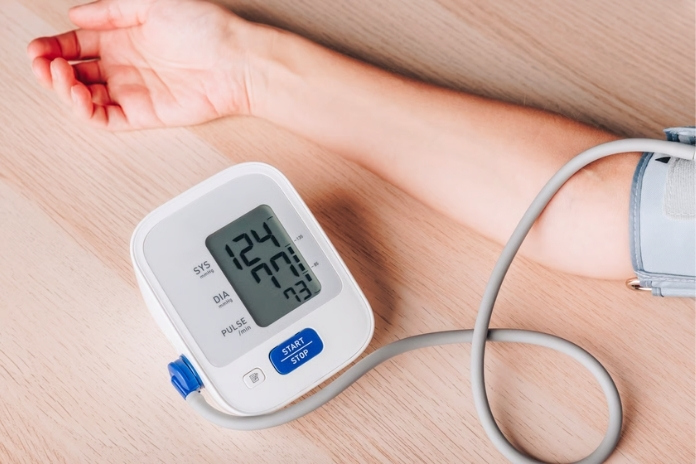
Blood pressure timing does matter. Blood pressure normally follows a daily pattern, reaching its lowest levels during sleep and rising sharply in the early morning. This morning surge has been linked to a higher risk of cardiovascular events.
For medication timing, a 2025 meta-analysis found no cardiovascular advantage to taking blood pressure medicine in the evening rather than the morning. A trial found that bedtime dosing improved nocturnal blood pressure control. Because evidence is still evolving, medication timing should be discussed with a healthcare provider rather than changed independently.
Many people with hypertension wonder whether it matters when they measure their blood pressure or when they take their medication. The answer is yes, but not always in the way people expect. Blood pressure changes throughout the day according to the body’s internal clock.
Researchers have also spent years studying whether taking blood pressure medication in the morning or at bedtime leads to better outcomes. This article explains the normal 24-hour blood pressure pattern, why morning blood pressure is especially important, and what the latest research says about medication timing.
- Blood pressure is usually highest in the morning.
- Evening medication isn’t clearly better than morning dosing for most people.
- Some patients may benefit from personalized medication timing.
Read More: How Your Gut Microbiome Secretly Regulates Blood Pressure
How Blood Pressure Changes Across 24 Hours—the Circadian Pattern
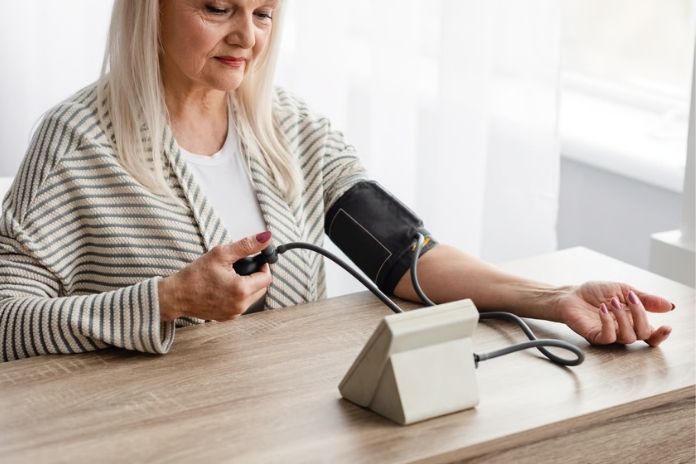
Blood pressure is not the same all day. In most people, it follows a predictable circadian pattern controlled by the autonomic nervous system and the release of hormones. During sleep, blood pressure normally falls by about 10% to 20% below daytime levels. This overnight drop is called “dipping” and is considered healthy and protective.
As the body prepares to wake up, blood pressure rises quickly. Cortisol levels increase, the sympathetic nervous system becomes more active, and physical movement begins. Together, these changes create a sharp increase in blood pressure during the early morning hours.
This rise is clinically important because hypertension is a major risk factor for heart attacks and strokes, and many cardiovascular events occur during the morning period. The morning surge happens at the same time as increased blood clotting activity, greater platelet aggregation, and the start of daily physical and mental demands.
The Morning Blood Pressure Surge—What It Is and Why It Matters
The morning blood pressure surge (MBPS) is the increase in systolic blood pressure from its lowest nighttime level to the early-morning period. Research has linked excessive morning surges with a higher risk of stroke, especially in older adults with hypertension. One of the most influential studies in this area is the Ohasama Study.
Researchers followed 1,766 adults for an average of 11 years and found that morning hypertension, defined as a morning blood pressure of at least 135/85 mmHg, was associated with a significantly higher risk of stroke compared with normal morning and evening blood pressure levels. Another important pattern is non-dipping hypertension, where blood pressure does not fall enough during sleep.
In some groups, non-dipping appears to be an even stronger predictor of cardiovascular risk than the morning surge itself. Both excessive morning surges and non-dipping patterns can be identified using ambulatory blood pressure monitoring (ABPM), which measures blood pressure continuously over 24 hours.
When to Measure Blood Pressure at Home—the Evidence for Timing
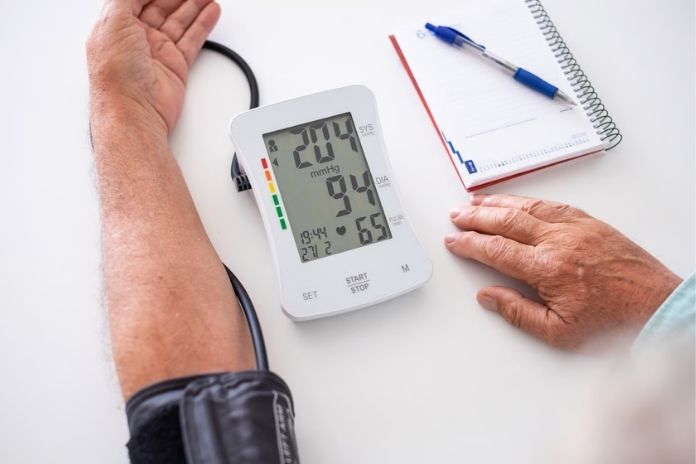
For people using home blood pressure monitors, consistency is more important than choosing a single perfect time of day. The European Society of Hypertension recommends measuring blood pressure in the morning before taking medication and before eating and again in the evening.
Measurements should ideally be taken on at least three consecutive days. Using averages from both morning and evening readings provides a more reliable picture of blood pressure control than relying on a single measurement.
Morning readings are especially useful because they capture the period when blood pressure is usually highest and cardiovascular risk is greatest. Evening readings help show whether blood pressure remains controlled throughout the day.
Read More: 10 Fiber Superfoods to Lower Blood Pressure Naturally (Without Changing Your Meds)
The Medication Timing Debate—What 2025 Research Actually Shows

For years, researchers explored whether taking blood pressure medication at bedtime could reduce cardiovascular risk more effectively than taking it in the morning. Much of the interest came from the Hygia chronotherapy trial published in 2020.
That study suggested that bedtime dosing significantly reduced cardiovascular events and led to widespread discussion about antihypertensive chronotherapy. However, the evidence changed substantially in 2025. A large meta-analysis published in the Canadian Journal of Cardiology combined data from five randomized controlled trials.
The analysis found that evening dosing provided no cardiovascular benefit compared with morning dosing among adults with hypertension who were randomly assigned to either schedule.
Because of its size and rigorous design, this meta-analysis is considered the strongest evidence available to date. It also significantly qualifies earlier findings from the Hygia trial, which has faced methodological concerns. At the same time, a 2025 randomized clinical trial added important detail.
Researchers found that patients assigned to bedtime dosing achieved better nocturnal blood pressure control and improved circadian blood pressure patterns compared with those assigned to morning dosing. Importantly, these benefits were seen in nighttime blood pressure measures rather than major cardiovascular outcomes such as heart attacks or strokes.
Non-Dipping Blood Pressure—The Most Clinically Significant Timing Pattern
Non-dipping blood pressure occurs when blood pressure fails to decrease by the expected 10% to 20% during sleep. This pattern is detected through ambulatory blood pressure monitoring and has important prognostic significance. People with non-dipping hypertension often have a higher cardiovascular risk than individuals with normal dipping patterns, even when average blood pressure levels are similar.
Several conditions are linked to non-dipping, including sleep apnea, kidney disease, diabetes, excessive salt intake, and certain medications. Researchers have suggested that evening medication may help improve nighttime blood pressure control and reduce excessive morning surges in some patients.
For individuals whose ABPM results show a non-dipping pattern, medication timing is important. This is one of the situations where a discussion about chronotherapy with a cardiologist may have genuine clinical value.
When to Monitor, When to Discuss Medication Timing With a Doctor
Talk with your healthcare provider about medication timing if your morning blood pressure readings remain high despite treatment, if ambulatory monitoring has shown a non-dipping pattern, or if you experience side effects related to when you take your medication.
People with sleep apnea, diabetes, or chronic kidney disease may also benefit from discussing timing because these conditions are commonly associated with abnormal overnight blood pressure patterns.
Do not adjust medication timing on your own. The interaction between a specific medication and your individual blood pressure pattern determines whether a timing change is right.
Read More: DASH Diet Explained: A Practical Eating Plan to Lower Blood Pressure
Conclusion
Blood pressure timing matters because blood pressure naturally follows a daily rhythm. The morning surge is real, measurable, and associated with increased cardiovascular risk. However, the question of whether taking blood pressure medication in the evening reduces these events has been significantly revised by newer evidence.
The strongest 2025 research suggests that evening dosing does not clearly improve cardiovascular outcomes for most people, although it may improve nocturnal blood pressure control in selected patients.
Individualized treatment remains important, particularly for people with non-dipping blood pressure patterns. Decisions about medication timing should always be made with the physician managing your hypertension.
FAQs
Q. Is morning or evening blood pressure more important?
A. Both are important, but they provide different information. Morning blood pressure captures the highest and most cardiovascularly significant reading of the day because it reflects the morning surge associated with peak stroke and heart attack risk. Evening blood pressure is also crucial.
Q. Should you take blood pressure medication in the morning or evening?
A. The best timing depends on individual blood pressure patterns, medication type, and clinical situations.
Q. Why is blood pressure highest in the morning?
A. Blood pressure rises rapidly in the morning because the body is preparing for daily activity. Cortisol levels increase, the sympathetic nervous system becomes more active, movement begins, and platelet activity peaks.
References
- Hermida, R. C., Crespo, J. J., Domínguez-Sardiña, M., Otero, A., Moyá, A., Ríos, M. T., Castiñeira, M. C., Callejas, P. A., Pousa, L., Sineiro, E., Salgado, J. L., Durán, C., Sánchez, J. J., Fernández, J. R., Mojón, A., & Ayala, D. E. (2020). Bedtime hypertension treatment improves cardiovascular risk reduction: The Hygia Chronotherapy Trial. European Heart Journal, 41(48), 4565–4576.
- Mackenzie, I. S., Rogers, A., Poulter, N. R., Williams, B., Brown, M. J., Webb, D. J., & TIME Study Group. (2022). Cardiovascular outcomes in adults with hypertension with evening versus morning dosing of usual antihypertensives (TIME): A prospective, randomised, open-label, blinded-endpoint clinical trial. The Lancet, 400(10361), 1417–1425.
- Mohan, S., Bangalore, S., & Messerli, F. H. (2025). Morning versus evening dosing of antihypertensive medications and cardiovascular outcomes: A systematic review and meta-analysis. Canadian Journal of Cardiology. Advance online publication.
- Rorie, D. A., Rogers, A., Mackenzie, I. S., & Webb, D. J. (2023). Timing of dosing of blood pressure medication makes no difference. European Society of Cardiology.
- Kario, K., Hoshide, S., & colleagues. (2025). Bedtime versus morning antihypertensive medication administration and nocturnal blood pressure control: A randomized clinical trial. JAMA Network Open.
- American Heart Association. (2023). Circadian blood pressure patterns and cardiovascular risk. Hypertension.
In this Article