



















Most people judge sleep by just a single number. Seven hours. Eight hours. Maybe six on a busy day. The assumption is simple: if the number looks good, sleep must be good too. The body doesn’t see sleep that way.
A person who is sleeping seven hours but getting healthy amounts of deep sleep is biologically very different from someone who is sleeping the same seven hours while losing slow-wave sleep again and again in the whole night. Both slept. Only one recovered properly. This is the reason that sleep researchers are increasingly focusing a lot on sleep architecture, the structure and distribution of stages of sleep in the whole night.
Deep sleep sits at the center of that discussion. It represents at least one-quarter of one healthy night’s sleep. It appears to be the stage to which the brain gives protection very aggressively during periods of sleep deprivation. In other words, when sleep gets limited, the brain often sacrifices other stages before giving up deep sleep. That alone tells us something actually important. The body considers it valuable.
- Deep sleep is the body’s primary recovery stage.
- Chronic deep sleep deprivation can impair learning, increase blood pressure, reduce insulin sensitivity, weaken immunity, slow physical recovery, and may even cause cognitive decline in the long run.
- Protection of deep sleep can be done with consistent sleep schedules, regular exercise, cooler bedroom temperatures, and limiting alcohol before bed.
Read More: What Is Sleep Inertia and Why Do You Feel Groggy After a Nap?
What Deep Sleep Actually Is: The Biology First
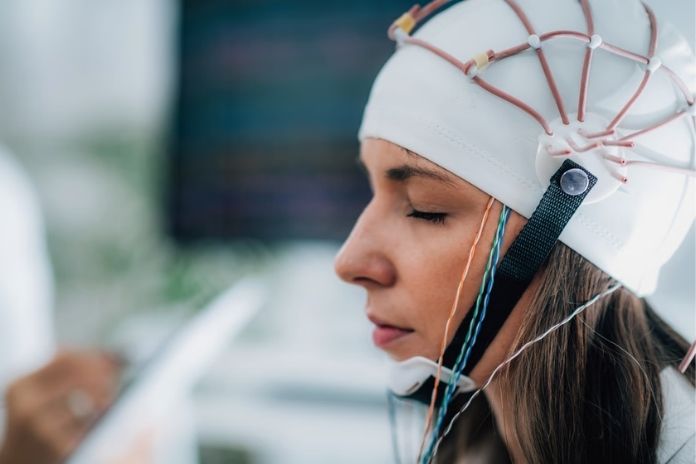
Deep sleep is the third stage of non-REM sleep. You may also see it called slow-wave sleep (SWS), delta sleep, or stage 3 sleep. All these names describe the same thing. If brain activity is measured during this stage, a clear shift appears. Brain waves become slower, larger, and more synchronized. These are called delta waves.
Unlike light sleep, where the brain remains relatively responsive to the environment, deep sleep is difficult to interrupt. People awakened during stage 3 sleep often feel disoriented for several minutes. That groggy feeling has a reason. The brain is operating in one of its lowest activity states. Most deep sleep occurs during the first half of the night.
The first two or three sleep cycles contain the largest amount. Later in the night, deep sleep gradually decreases while REM sleep becomes more dominant. This is one reason why the first few hours of sleep are often considered the most physically restorative. Deep sleep is also closely linked to growth hormone release.
The largest pulse of growth hormone deep sleep researchers observe usually occurs during the first major slow-wave sleep episode, often within 60 to 90 minutes after falling asleep. Children need this hormone for growth. Adults need it too. It supports muscle maintenance, tissue repair, bone health, and cellular regeneration throughout life.
The Brain: Memory, Learning, and the Glymphatic System
Many people assume memory is created while awake. That is only half true. Learning may happen during the day. Storage happens largely during sleep. Throughout the day, experiences are temporarily stored in a structure called the hippocampus. Think of it as short-term storage.
During slow-wave sleep, those experiences appear to be replayed and gradually transferred into longer-term storage networks within the cortex. Without this transfer process, learning becomes less efficient. People often describe this as brain fog. Information feels harder to retain. New concepts take longer to absorb. Names, details, and instructions become easier to forget.
But memory is not the most fascinating thing happening during deep sleep. The glymphatic system may be. For decades, scientists understood how the body removed waste from organs such as the liver and kidneys.
The brain seemed different. Then researchers identified the glymphatic system, a specialized waste-clearance network that becomes dramatically more active during slow-wave sleep. During this stage, cerebrospinal fluid moves through brain tissue and helps remove metabolic waste products that have accumulated during waking hours.
Among these waste products are amyloid beta and tau proteins. These proteins have become well known because they accumulate in Alzheimer’s disease. Amyloid clearance, which sleep researchers study today, is one of the most active areas of neuroscience.
The evidence suggests that deep sleep helps the brain perform a nightly housekeeping process. Miss enough of these cleaning cycles over the years, and the consequences may accumulate. This is why deep sleep and dementia are increasingly being studied together.
Researchers are not claiming that one poor night’s sleep causes Alzheimer’s disease. The concern is chronic exposure. Years of inadequate glymphatic clearance may contribute to neurodegenerative processes that become visible much later in life.
The Heart and Blood Pressure
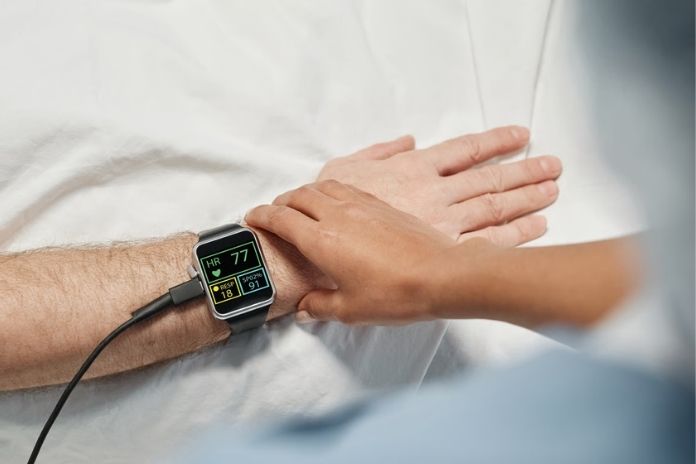
The cardiovascular system also uses deep sleep for recovery. During the day, blood pressure rises and falls constantly. Stress. Exercise. Meetings. Traffic. Caffeine. The heart responds to all of it.
Deep sleep provides a window when that workload decreases significantly. During slow-wave sleep, the sympathetic nervous system activity falls to its lowest level. Parasympathetic activity, the “rest and recover” side of the nervous system, becomes dominant. Blood pressure drops. Heart rate slows. The cardiovascular system gets a chance to reset.
Researchers call this normal nighttime decline “blood pressure dipping.” People who consistently lack deep sleep often lose part of this protective effect. Studies have linked deep sleep deprivation effects to elevated blood pressure and impaired cardiovascular recovery.
Interestingly, the cardiovascular impact may persist beyond a single night. Even after recovery sleep, blood pressure often remains higher than expected for a period of time. Sleep debt behaves somewhat like financial debt. One payment helps. The balance does not disappear immediately.
Long-term sleep insufficiency also affects appetite regulation. Hormonal changes can increase hunger and contribute to weight gain, which then creates additional cardiovascular strain. The effects rarely happen overnight. They build slowly. That is usually how chronic disease develops.
Blood Sugar Regulation and Metabolic Health
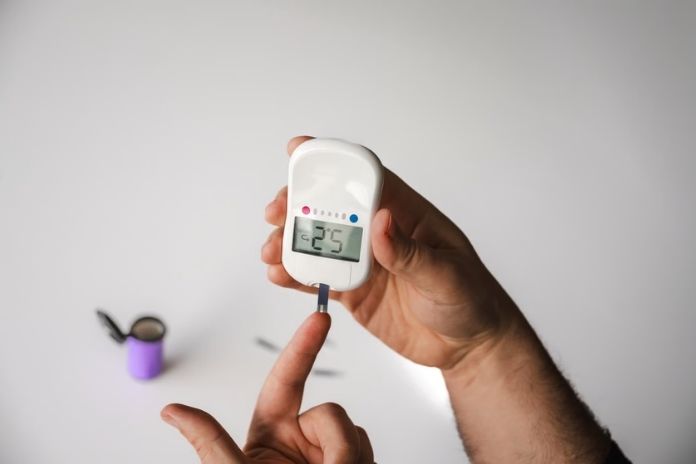
The relationship between deep sleep and blood sugar regulation receives less attention than it deserves. Most people think blood sugar is controlled mainly by food. Sleep plays a surprisingly large role too.
During slow-wave sleep, brain glucose demand decreases substantially. Metabolic activity changes. Insulin sensitivity appears to improve. Researchers have tested this directly. In several experimental studies, participants were allowed to sleep normally except for one detail. Each time deep sleep began, researchers disrupted it.
The participants still slept. Just not deeply. Within only a few nights, insulin sensitivity declined significantly. Some studies observed reductions approaching 25%. That is a substantial physiological change for otherwise healthy adults.
The result resembles early metabolic dysfunction seen in people at increased risk for type 2 diabetes. This helps explain why long-term poor sleep is associated with obesity, metabolic syndrome, and diabetes. The mechanism is not only about fewer hours of sleep. The structure of the sleep matters too. Not enough deep sleep consequences extend directly into metabolic health.
The Immune System and Physical Recovery
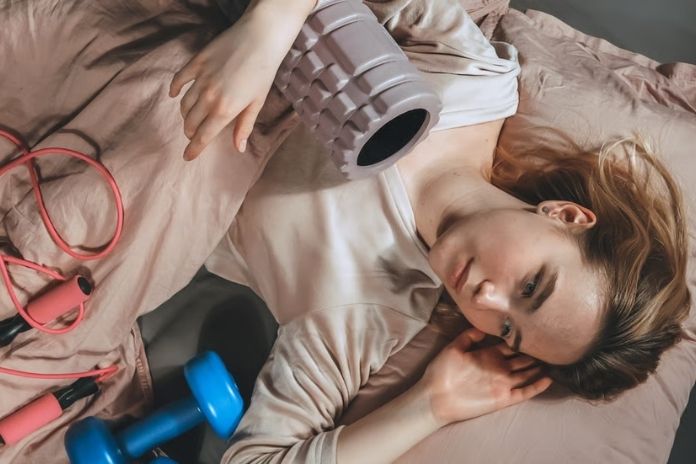
Athletes often learn this lesson before anyone else. Training is only half of recovery. Sleep finishes the job. Deep sleep’s immune function appears to be one of the body’s most important repair systems.
During slow-wave sleep, inflammatory signaling becomes more tightly regulated. The immune system strengthens certain protective responses while reducing excessive chronic inflammation. This balancing act matters. Too little immune activity increases infection risk. Too much contributes to chronic disease. Deep sleep helps maintain that balance.
Growth hormone release adds another layer. Most growth hormone secretion occurs during deep sleep. That hormone drives tissue repair, muscle protein synthesis, and cellular regeneration.
People recovering from surgery, injury, or intense exercise rely heavily on this process. There is also evidence that cellular energy restoration increases during slow-wave sleep. Adenosine triphosphate (ATP), which sleep researchers commonly measure, is the primary energy currency used by cells.
ATP availability appears to rise during deep sleep, helping restore cellular function after waking-hour activity. When deep sleep becomes consistently inadequate, recovery slows. Muscles remain sore longer. Minor illnesses linger. Healing takes more time. Many people notice the effect without understanding the cause. They simply feel less resilient.
Read More: Is Sleeping With the TV On Good or Bad? What the Science Actually Says
Cognitive Function and Mental Health

The brain does not react kindly to chronic deep sleep loss. Attention declines first. Tasks take longer. Concentration becomes inconsistent. Then, memory problems begin appearing. Not dramatic memory loss. Just enough to become frustrating. Walking into a room and forgetting why. Reading the same paragraph twice. Struggling to recall information that normally comes easily.
Recent research has linked sleep deprivation to reduced cognitive flexibility and slower reaction times, even in otherwise healthy adults. Mental health effects can be equally significant. The relationship works both directions. Poor sleep increases the risk of anxiety and depression. Anxiety and depression often worsen sleep quality. The cycle feeds itself.
Deep sleep appears particularly important because it influences the amygdala, a brain region involved in threat detection and emotional responses. Dr. Avinesh S. Bhar, a sleep medicine doctor, says that deep sleep impacts mood; not getting enough is linked to higher rates of depression.
When deep sleep becomes insufficient, the amygdala becomes more reactive. Stress feels larger. Emotional control becomes harder. Small frustrations generate bigger reactions. This may be one reason why people often describe themselves as emotionally exhausted after prolonged periods of poor sleep. The exhaustion is not purely physical.
How Much Deep Sleep Do You Need and What Reduces It?
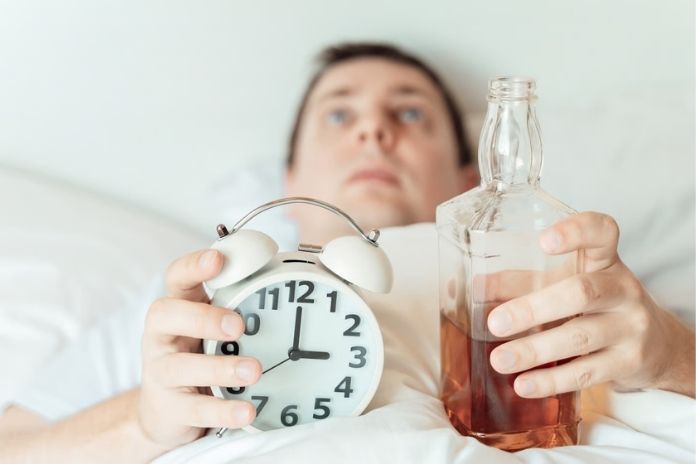
Most adults spend around 20-25% of total sleep time in slow-wave sleep. For someone sleeping seven to nine hours, that generally equals about 90 to 120 minutes. The number varies. Age matters. Moreover, genetics matter.
But that range provides a useful benchmark. Deep sleep naturally declines as people get older. Unfortunately, several common habits reduce it further. Alcohol is one of the biggest. Many people believe alcohol improves sleep because it helps them fall asleep faster.
Sleep onset and sleep quality are not the same thing. Alcohol often disrupts sleep architecture, particularly in the second half of the night when slow-wave sleep and REM sleep become affected.
Room temperature matters too. Deep sleep tends to occur more easily in cooler environments. Many sleep specialists recommend a bedroom temperature between 15°C and 19°C. Irregular sleep schedules create another problem. The brain likes predictability. Frequent changes in bedtime and wake time make it harder for the circadian system to coordinate sleep stages efficiently.
Certain medications may also reduce slow-wave sleep, including some benzodiazepines and antidepressants. On the positive side, regular aerobic exercise consistently increases slow-wave sleep in many studies. Not immediately. But over time. Exercise remains one of the most reliable ways to improve sleep architecture without medication.
You can also talk to your doctor about sleep issues. “Doctors typically don’t ask about sleep issues unless you bring it up,” said Dr. Nancy Stewart, DO, a pulmonologist. “And since it happens at night, you can’t observe it like you can with a broken leg; it can be difficult to talk about. But we can change that.”
Read More: The Night Shift Survival Guide: A Chrononutrition Blueprint for Healthcare & Security Workers
Conclusion
When people talk about sleep, they usually talk about hours. Hours matter. Deep sleep matters too. Seven hours of fragmented sleep with repeatedly disrupted slow-wave sleep produces a very different biological outcome than seven hours of structurally healthy sleep.
Deep sleep is arguably the most restorative stage of sleep. The encouraging part is that many of the factors affecting deep sleep are modifiable. Consistent sleep timing, regular exercise, cooler bedroom temperatures, and avoiding alcohol close to bedtime all help protect the sleep stage your body depends on most.
- The brain actively prioritizes slow-wave sleep during sleep deprivation, suggesting it is one of the most biologically valuable sleep stages.
- Deep sleep is when the glymphatic system becomes most active, helping remove metabolic waste products linked to neurodegenerative disease.
- Sleep quality and sleep architecture can be as important as total sleep duration when evaluating recovery and health outcomes.
- Deep sleep loss affects multiple systems simultaneously, including memory, immunity, metabolism, cardiovascular health, and emotional regulation.
- A major research question still being investigated is whether improving deep sleep later in life can meaningfully slow the progression of age-related cognitive decline.
FAQs
1. How do I know if I’m getting enough deep sleep?
You are likely getting enough deep sleep if you wake refreshed and function well during the day. Persistent fatigue, poor recovery, frequent illness, and memory issues suggest insufficiency. Wearables estimate trends, but sleep studies remain the most accurate assessment.
2. Can you make up for lost deep sleep?
Yes, partially; the brain can recover some lost deep sleep. During recovery nights, it increases slow-wave sleep duration and intensity. However, certain processes like cellular repair and waste clearance cannot be fully restored after a single period of deprivation.
3. Does alcohol affect deep sleep?
Yes, alcohol negatively affects deep sleep quality. Although it may help you fall asleep faster, it disrupts sleep architecture later, reducing deep and REM sleep. It also increases nighttime awakenings, leading to fragmented, less restorative sleep overall.
References
- Dunn, J., & Grider, M. H. (2023, February 13). Physiology, adenosine triphosphate. PubMed; StatPearls Publishing.
- Herzog, N., Jauch-Chara, K., Hyzy, F., Richter, A., Friedrich, A., Benedict, C., & Oltmanns, K. M. (2013). Selective slow wave sleep but not rapid eye movement sleep suppression impairs morning glucose tolerance in healthy men. Psychoneuroendocrinology, 38(10), 2075–2082.
- Hyndych, A., El-Abassi, R., & Mader, E. C. (2025). The Role of Sleep and the Effects of Sleep Loss on Cognitive, Affective, and Behavioral Processes. Cureus, 17(5).
- Korkutata, A., Korkutata, M., & Lazarus, M. (2025). The impact of exercise on sleep and sleep disorders. Npj Biological Timing and Sleep, 2(1), 1–10.
- National Institute of Neurological Disorders and Stroke. (2024, September 5). Brain basics: Understanding sleep.
- Sá Gomes e Farias, A. V., de Lima Cavalcanti, M. P., de Passos Junior, M. A., & Vechio Koike, B. del. (2022). The association between sleep deprivation and arterial pressure variations: a systematic literature review. Sleep Medicine: X, 4, 100042.
- Tasali, E., Leproult, R., Ehrmann, D. A., & Van Cauter, E. (2008). Slow-wave sleep and the risk of type 2 diabetes in humans. Proceedings of the National Academy of Sciences, 105(3), 1044–1049.
- Van Cauter, E., & Plat, L. (1996). Physiology of growth hormone secretion during sleep. The Journal of Pediatrics, 128(5), S32–S37.
- Verghese, J. P., Terry, A., de Natale, E. R., & Politis, M. (2022). Research Evidence of the Role of the Glymphatic System and Its Potential Pharmacological Modulation in Neurodegenerative Diseases. Journal of Clinical Medicine, 11(23), 6964.
In this Article