


















Even though the colon is an important component of the large intestine and vital to your digestive system as a whole, many people remain unaware of what it is or what it does.
Located at the end of the gastrointestinal tract, it is responsible for essential processes such as water absorption, stool formation, and the support of beneficial gut bacteria in the microbiome.
In this article, we’ll explore colon anatomy, the role of the colon in digestion, common health concerns, and practical ways to maintain healthy colon function for long-term well-being.
- The colon absorbs water, forms stool, and supports healthy gut bacteria.
- Symptoms like bloating, constipation, or blood in stool may signal colon issues.
- A high-fiber diet, hydration, and exercise help maintain long-term colon health.
Read More: What Is a Lazy Colon? Causes, Symptoms, and How to Fix It
What Is the Colon?
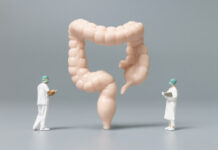
The colon is the longest part of the large intestine. It’s basically a tube that connects your small intestine to your anus. Its job? To pull out water, nutrients, and electrolytes from food after most digestion is done. Whatever’s left, the solid waste moves through the colon, hangs out in the rectum for a bit, and eventually leaves your body.
The colon is a key part of your digestive system. Your large intestine measures about 1.5 meters, or roughly five feet. It’s a lot wider than your small intestine and travels through your belly in a straighter path. The large intestine’s functions include eliminating any leftover waste products and absorbing water and minerals from undigested food.
The majority of the digestion and absorption has already occurred by the time food, combined with digestive juices, reaches your large intestine. What’s left is mostly fiber (plant matter that takes a long time to digest), water, salt, bile pigments (which give this digested food its color), and dead cells expelled from your intestinal lining.
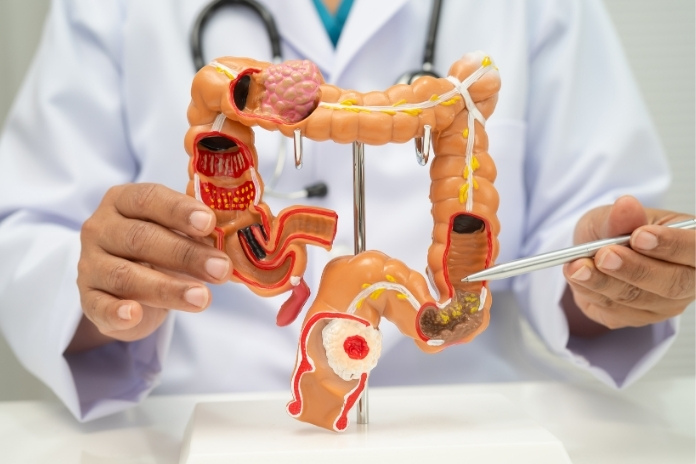
The following components make up the large intestine:
Cecum: About two inches long, this first segment of your large intestine resembles a pouch. It transports the ileum’s digested fluids to the colon.
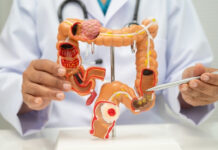
Colon: The colon is the main portion of the large intestine; you may have heard it referred to by itself. In addition to being the primary site of water reabsorption, the colon also absorbs salts when necessary. There are four components to the colon:
Ascending Colon: This portion of the colon uses muscle contractions to move any undigested waste from the cecum to a spot directly beneath the right lower end of the liver.
Transverse Colon: Food passes through this second section of the colon, which is located slightly beneath your stomach and travels from left to right across your front (or anterior) abdominal wall.
Descending Colon: The colon’s third section pulls its contents down to the lower left side of your belly from right next to the spleen.
Sigmoid Colon: The colon’s last S-shaped segment discharges into the rectum after curving inward between the small intestine’s coils.
Rectum: The last segment of the digestive tract is between 1 and 1.6 inches (or 2.5 and 4 cm) in length. Until you use the restroom, waste builds up in the rectum, enlarging it. It then prepares the waste to pass through the anus.
What Does the Colon Actually Do?
The colon greatly influences how our bodies use the food we eat. It is how food moves through the body:
- Food starts in the mouth and is broken up into tiny bits by the teeth. Food enters the esophagus after it is swallowed and then joins the stomach.
- Food is then broken down into liquid in the stomach before being sent to the small bowel (intestine).
- The pancreas, liver, and gallbladder aid in the ongoing breakdown of meals in the small intestine. All of the essential vitamins and nutrients found in food are absorbed here.
- The primary liquid remainder subsequently passes into the colon. The colon absorbs the water. Bacteria in the colon break down the residual material. The remaining debris is then transferred into the rectum by the colon.
- The rectum stores this excrement. Stool is expelled from the body through the anus by muscles in the rectum.
While eating a nutritious diet is beneficial for your overall health, a healthy colon requires a low-calorie, high-fiber diet composed primarily of fruits and vegetables. Good colon health also depends on exercise and healthy lifestyle choices, such as abstaining from excessive alcohol and smoking. You may experience bloating, gas, pain, constipation, or diarrhea if your colon isn’t functioning properly.
Read More: New Study Finds Preventive Measures Of Colon Cancer In Vegetables
How the Colon Works With the Rest of the Digestive System
Our digestive system prepares and eliminates waste products the body cannot use after breaking down the food we eat and absorbing its nutrients and goodness into our bloodstream. The colon, which consists of the small and large intestines, is an essential component of this system.
Food is forced through the intestines by the bowels, a process that typically takes 24 to 72 hours. Food is squeezed (peristalsis) through the various portions of the intestine by muscle contractions. Bands of muscles called sphincters, which function as valves, divide these various portions.
Food moves from one region of the intestines to another in a coordinated manner so that it remains in one place long enough for the gut to perform a specific function, such as processing and eliminating waste or absorbing fluids and minerals.
Nutrients and most of the liquid from food are absorbed by the small intestine, also known as the small bowel. Food has a “porridge-like” consistency when it passes from the small bowel into the colon, the large bowel. The meal then travels to the large bowel (colon) after passing through the ileum and jejunum.
The storage, processing, and elimination of waste is the colon’s primary role. The colon also absorbs water and certain nutrients. The hundreds or even thousands of “good” and “bad” bacteria that live in the colon and make up the gut flora (also known as the gut microbiome) are essential to this process.
The rectum can store waste, but it often remains empty. The anus then evacuates the waste. The waste moves to the rectum, which extends beyond the bowel after the bowel has completed its job and absorbed nutrients from food. It signals the brain that the colon is full and needs to be emptied. When properly toned, the pelvic floor muscles ensure the anus remains closed until it’s time to use the restroom.
Common Colon Problems and Symptoms
Early-stage colon and rectal cancer patients may not show any symptoms, which is why screening procedures like colonoscopies are crucial. (Screening finds cancer before any symptoms manifest.) Make an appointment with your doctor for additional assessment if you encounter any of the following symptoms, and they don’t go away after a few weeks:
- A shift in bowel habits, like constipation or diarrhea
- A shift in your stool’s quality (becoming pencil-thin)
- Rectal bleeding or blood in your feces
- Black or dark stool
- Cramps or other discomforts in the abdomen
- Feeling that, even after having a bowel movement, you still need one
- Unexplained weight loss
- Weakness or fatigue (caused by anemia or a low red blood cell count)
One in every twenty-four women will receive a colorectal cancer diagnosis at some time in their lives, even though the disease is slightly more common in males. It can be challenging to differentiate certain symptoms from gynecological or menstrual problems, so it’s crucial for women to pay attention to early warning signs.
Learn about your body so that you can notify your doctor of any kind of changes in your health, especially if any of these symptoms persist for more than a month:
- Modification of bowel habits (constipation, diarrhea, or consistency of feces)
- Blood in the stool or rectal bleeding
- Discomfort, bloating, cramps, or pain in the abdomen
- Weight loss that is not explained
- Iron deficiency or unexplained anemia
Read More: 8 Effective Home Remedies for Colon Cleansing
Signs Your Colon May Not Be Functioning Properly
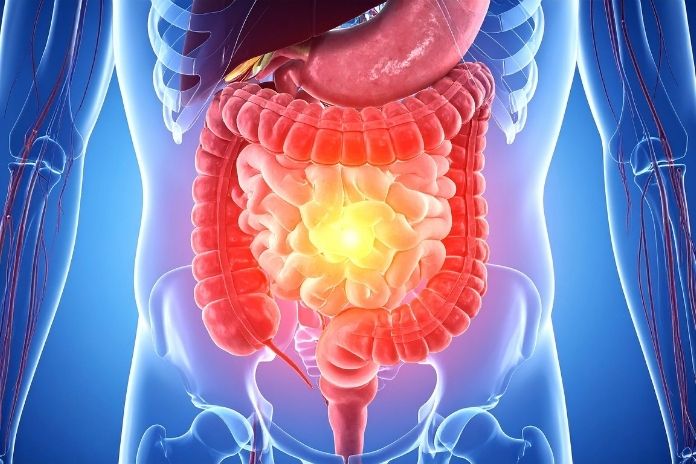
Hormone signaling, immunological modulation, inflammatory management, and brain and nervous system communication all depend heavily on gut health. Energy, resilience, recovery, and overall quality of life can all be negatively affected by gut dysfunction.
Upset Stomach and Other Abdominal Pain: The most obvious indication that the gut may not be operating normally is persistent abdominal pain. Cramping, burning, pressure, or widespread pain that fluctuates or persists despite treatment are examples of this.
Gas and Bloating: People usually brush off excessive gas and bloating, blaming it on something they ate. But sometimes, these are signs that your digestion isn’t working quite right or your gut bacteria are out of balance. If you notice your bloating gets worse as the day goes on, or it doesn’t seem tied to any particular food, that’s a red flag your gut might be struggling to do its job.
Constipation, Diarrhea, and Other Stool Changes: Your bathroom habits can actually reveal a lot about your gut health, too. If your stool is coming out differently, maybe you’re constipated, or you’re running to the bathroom all the time, or things keep flipping back and forth; that’s not just random.
It could point to problems such as gut bacteria imbalance, issues with how the gut communicates, or even inflammation inside your intestines. Mucus, an overpowering stench, or floating stools could potentially indicate that nutrient absorption or digestion isn’t functioning properly.
Food Intolerances: A new sensitivity to previously well-tolerated foods may indicate a change in the gut lining or immune response. Food intolerances might manifest as headaches, weariness, skin responses, or digestive symptoms. They often show that the gut is responding inappropriately to specific triggers rather than processing them easily.
Sleep Issues: Gut imbalance is also usually linked to sleep issues. The gut regulates the hormones and neurotransmitters involved in sleep cycles. Disturbed gut function can hamper the body’s ability to fall asleep, stay asleep, and feel rejuvenated after rest.
How to Support Colon Health
There are things you can do to maintain your colon health, regardless of your age:
Consume Your Vegetables and Good Fats: Studies have linked a Western diet to an increased risk of colon cancer. The condition is less common among people who follow high-fiber diets. Eat as little meat as possible, especially processed meats. Limit processed fats in fried foods and focus on healthy fats like almonds, avocados, olive oil, and omega-3-rich salmon.
Get Moving: You are aware that physical activity can help you maintain your weight and is good for your heart. Additionally, it might reduce your chance of getting some cancers, such as colon cancer. On most days of the week, aim for 30 minutes of moderate activity. Regular exercise stimulates intestinal contractions and improves bowel movements.
Keep an Eye on Your Weight: The American Cancer Society states that being overweight raises the risk of developing colon cancer and also cancer of the rectum, esophagus, pancreas, kidney, and breast in postmenopausal women. If you need any assistance with weight loss, speak with your medical staff.
Boost Your Calcium Intake: Research indicates that vitamin D and calcium help lower men’s risk of colorectal cancer. However, the American Cancer Society advises men not to consume more than 2,000 mg of calcium daily. Prostate cancer risk can be raised by more than that. Drinking three to four eight-ounce glasses of low-fat or fat-free milk is the recommended daily intake of calcium for both men and women.
Read More: Colon Health Diet: How to Maintain a Healthy Colon
Conclusion
The colon does much more than hold waste. Maintaining healthy digestion, absorbing water, promoting good bacteria, and controlling bowel movements all depend on it. Knowing how your colon functions might help you become more aware of your digestive health and spot potential problems early.
Small lifestyle choices such as eating a high-fiber diet, drinking enough water, and exercising can greatly enhance long-term colon health. More serious diseases can be avoided by monitoring changes in bowel habits and consulting a doctor when necessary.
You can maintain the health of the digestive system and your general well-being for many years to come by taking preventive measures now.
References
- Children’s Hospital of Pittsburgh of UPMC. Difference Between Small and Large Intestine.
- Mayo Clinic Staff. Colon and rectum.
- American Society of Colon and Rectal Surgeons. The colon: What it is, what it does and why it is important.
- Mayo Clinic. (2025, September 24). Colon polyps: Symptoms and causes.
- Roswell Park Comprehensive Cancer Center. Colon cancer symptoms.
- Columbia University Irving Medical Center. About colon and rectal cancer.
- National Institute of Diabetes and Digestive and Kidney Diseases. (2017, December). Your digestive system & how it works.
- Bladder & Bowel Community. How the bowel works.
- UCLA Health. (August 7, 2019). Signs your digestive tract is unhealthy.
- Volek, D. (2021, March). Keeping your colon healthy can save your life.
- Mayo Clinic Health System. ( March 9, 2023). 5 things you can do to keep your colon healthy.
- Colorectal Cancer Alliance. Living a healthy colon lifestyle.
In this Article