



















Have you ever looked at your cardiologist’s prescription and wondered why you are taking two or three different heart pills?
When you expect one medicine to fix the problem, your heart conditions often involve several issues at once. You may need your blood pressure to be under control, your heart to pump more efficiently, excess fluid to be removed, or your doctor to lower your risk of blood clots.
That is why a heart disease medication list can include several types of drugs, like ACE inhibitors and beta blockers, and each medicine serves a different purpose.
Understanding what each medication is meant to do can make your treatment plan feel less confusing and help you take your medicines with more confidence.
- Heart disease usually involves multiple problems at the same time, including blood pressure, cholesterol, fluid retention, heart rhythm issues, and clot risk.
- Different heart medicines have different roles, such as beta blockers for heart rate control, ACE inhibitors/ARBs for blood pressure, statins for cholesterol, and diuretics for fluid removal.
- Combination therapy is often necessary because using more than one medication helps protect the heart from multiple angles.
- Understanding your medications improves confidence and adherence, making it easier to take them correctly and consistently.
- Regular monitoring is important, since doses may need adjustment and side effects should be monitored during treatment.
Why are Combination Medications Needed
Heart disease can affect the body in several ways at once, and so combination treatment helps. For example, pathways involving markers such as IL-17 and TNF can fuel inflammation of the blood vessels and increase damage to the heart and arteries.
At the same time, someone may also be dealing with high cholesterol, high blood pressure, fluid buildup, blood clots, or an irregular heartbeat. So a statin alone may not be enough, and doctors often combine medications to protect the heart from different angles.
Dr. Phil Joseph, an investigator at the Population Health Research Institute, told the World Heart Federation that combination therapy, when taken as separate medications or as a single polypill, can significantly reduce the risk of fatal and non-fatal cardiovascular events.
Understanding Beta Blockers

How beta blockers work
Beta-blockers reduce the effects of stress hormones like adrenaline on the heart. They block beta receptors, helping the heart beat more slowly and with less force, lowering blood pressure, and reducing the heart’s oxygen demand.
They can also help stabilize abnormal heart rhythms and ease chest pain. Some beta-blockers mainly target the heart, while others can affect the lungs and blood vessels as well.
When are beta-blockers prescribed
They help lower high blood pressure by reducing strain on the heart, ease chest pain (angina) by lowering oxygen demand, and help keep irregular heart rhythms steady. They are also used in heart failure to help the heart pump more efficiently over time and are often prescribed after a heart attack to reduce the risk of further damage.
While their main role is in heart care, beta-blockers may also be used for migraines, tremors, anxiety-related stage fright, and other conditions.
Common side effects to know
Like any medication, beta-blockers can cause side effects, especially when you first start taking them. Some people feel more tired than usual or dizzy when standing up, or notice cold hands and feet because the medication slows the heart rate and reduces blood flow.
Others may experience mild weight gain, sleep problems, stomach upset, or sexual side effects. These symptoms are often manageable and may improve over time, but it’s important to speak with your doctor if they persist or feel severe.
Who needs caution with beta-blockers?
Talk to your doctor before taking beta-blockers if you have:
- Asthma or Chronic Obstructive Pulmonary Disease, as they may worsen breathing issues
- Diabetes, since it can mask low blood sugar symptoms
- A very slow heart rate or heart block
- Poor circulation in your arms or legs
- Liver, kidney, or thyroid conditions
- Pregnancy or a history of severe allergies
Understanding ACE Inhibitors
ACE inhibitors help relax and dilate blood vessels by blocking the production of angiotensin II, a hormone that constricts them. This makes it easier for blood to flow and helps lower blood pressure.
They are commonly used for high blood pressure, heart failure, recovery after a heart attack, and to help protect kidney function.
They are also often preferred in people with diabetes because they help protect kidney function while controlling blood pressure.
Side effects of ACE inhibitors include a dry cough that doesn’t go away and dizziness caused by low blood pressure or changes in potassium levels. In very rare cases, they can cause kidney problems or severe swelling of the face (angioedema), which requires urgent medical attention.
They are also not advised in pregnancy or in persons with a past history of hereditary angioedema.
ARBs: A Substitute for ACE Inhibitors?
Angiotensin receptor blockers (ARBs) work similarly to ACE inhibitors, but rather than blocking the enzyme that makes angiotensin II, they block the hormone’s action directly.
They are therefore much less likely to cause the dry cough often seen with ACE inhibitors because they do not allow bradykinin to build up.
Doctors often switch patients to ARBs if they develop a persistent cough, swelling, or can’t tolerate ACE inhibitors.
Similar to ACE inhibitors, ARBs lower blood pressure and protect the heart and kidneys, especially in people with heart failure or diabetes. The main difference is that ARBs tend to be better tolerated and have fewer side effects.
“ARBs may be a better first choice for some patients because they offer similar benefits with fewer side effects than ACE inhibitors,” said Dr. George Hripcsak of Columbia University.
What Are Calcium Blockers?

Calcium channel blockers work by blocking calcium from entering the muscle cells in your heart and arteries, which causes the blood vessels to relax and dilate. It improves blood flow, reduces blood pressure, eases strain on the heart, and can sometimes slow a rapid heartbeat.
Calcium Channel Blockers Types
Calcium channel blockers are divided into two main groups based on their mechanism of action.
- Dihydropyridines (DHPs): Amlodipine, nifedipine, and felodipine are drugs that primarily relax blood vessels and are therefore often used to treat high blood pressure.
- Non-dihydropyridines (non-DHPs): Verapamil and Diltiazem have more direct effects on the heart. They can help slow the heart rate and control abnormal rhythms, and are often used to treat angina or atrial fibrillation.
How Diuretics Benefit the Heart
Water pills, or diuretics, help the body get rid of excess salt and fluid through the kidneys. This helps reduce fluid buildup, lower blood pressure, and take pressure off the heart and lungs.
They are often used to treat symptoms such as leg swelling, bloating, and shortness of breath, particularly in people with heart failure or high blood pressure.
Diuretic types and what to watch for
Thiazide diuretics, including hydrochlorothiazide and chlorthalidone, are frequently prescribed for hypertension. When heart failure causes fluid accumulation, stronger loop diuretics, such as furosemide and bumetanide, are used. Potassium-sparing diuretics such as spironolactone and triamterene help to remove fluid.
Your doctor will likely want to perform regular blood tests to ensure the medicine is working safely, as diuretics can affect potassium and sodium levels and kidney function.
Read More: Treating Blood Clots in Legs and 8 Impressive Home Remedies Without Side Effects
How Statins Protect Your Heart
Statins lower the risk of heart attacks and strokes by reducing LDL (“bad”) cholesterol and helping to stabilize the build-up of plaque in the arteries. They block an enzyme in the liver that makes cholesterol. This helps to stop the arteries from narrowing over time.
They are often prescribed for people who have had a heart attack or stroke, people with diabetes, and adults at increased cardiovascular risk due to things like high cholesterol, high blood pressure, or smoking.
Dr. Michael Blaha, a preventive cardiologist at Johns Hopkins Medicine, said statins are no longer viewed as medications that only lower cholesterol. He explained that they also help reduce overall cardiovascular risk even in some people whose cholesterol levels are not significantly elevated.
Blood thinners: Stopping Dangerous Clots
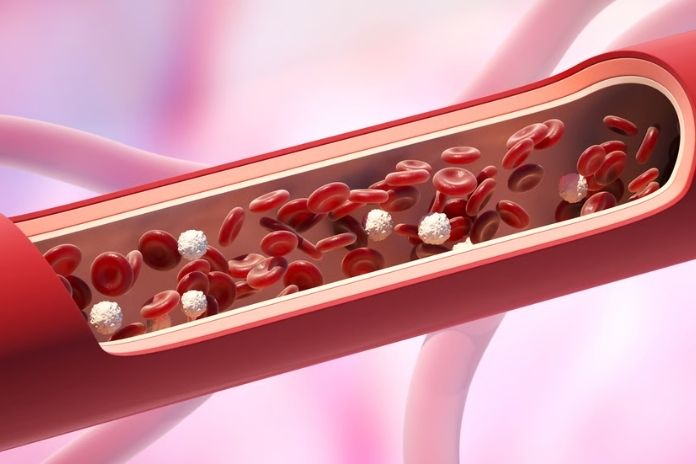
Blood thinners work to lower the risk of dangerous clots that may result in heart attacks, strokes, or blocked blood vessels. They are often prescribed after certain heart procedures to treat abnormal heart rhythms or when someone is at higher risk of clot-related complications.
Antiplatelet drugs vs anticoagulants
There are two major types of blood thinners. Aspirin and clopidogrel are antiplatelet drugs that prevent platelets from sticking together. Antiplatelets are often used to prevent blood clots in arteries.
Anticoagulants such as Warfarin and Apixaban work in a slightly different way by preventing the clotting process and preventing large clots from forming.
These medicines make it harder for blood to clot, so cuts may bleed longer, and bruises may form. It’s important to see your doctor regularly because serious bleeding can happen in rare cases.
Read More: Transform Your Health: 5 Lifestyle Changes to Prevent Blood Clots
Other Drugs to Treat Heart Problems
Nitrates for chest pain: Nitroglycerin and other nitrates help relax blood vessels and improve blood flow to the heart, which can help with angina (chest pain) right away.
SGLT2 inhibitors: Empagliflozin and similar drugs were originally developed for diabetes, but are now commonly used to help people with heart failure avoid hospital readmissions.
Digoxin: Digoxin may be given when other treatments don’t work for heart failure or irregular heart rhythms, and more control over symptoms is needed.
How Doctors Choose the Right Medicines
ACE inhibitors, ARBs, and calcium channel blockers are some of the drugs that can help lower high blood pressure.
Heart failure, on the other hand, often needs a mix of beta-blockers, diuretics, and newer drugs like SGLT2 inhibitors. Doctors also look at things like diabetes, smoking history, and cholesterol levels when deciding on a treatment.
Age, kidney function, and other health issues also help doctors choose the safest and most effective medicines. Treatment is often done in steps. Most people start with lifestyle changes and one medication, and if more treatment is needed, they may add more.
Safely Taking Heart Medications
Even if you feel fine, you should take your medicines exactly as directed. Not taking your medicine on time can make your heart symptoms worse, raise your blood pressure, or cause blood clots.
Don’t stop taking heart medications all at once unless your doctor tells you to.
It’s also important to keep an eye out for side effects like dizziness, swelling, or a cough that won’t go away. If you have any of these, tell your doctor right away.
Always tell your doctor about any over-the-counter drugs or supplements you take, since some of them can affect heart medications.
Read More: Natural Remedies for Blood Clot Prevention: What Works and What Doesn’t
Conclusion
A heart disease medication list often includes various drugs, each serving a specific purpose, from controlling blood pressure and heart rhythm to preventing blood clots and lowering cholesterol. Combination therapy is common, so understanding your common heart medications can help you follow treatment plans confidently and ask the right questions during doctor visits.
References
- Physiopedia. Calcium channel blockers.
- Ellison DH, Felker GM. Diuretic use in heart failure. Circulation. Published online.
- GoodRx Health. 7 common ACE inhibitor side effects.
- Healthdirect Australia. Angiotensin converting enzyme (ACE) inhibitors and angiotensin receptor blockers (ARBs).
- Kim JH, Chae SC, Oh DJ, et al. Angiotensin receptor blockers as an alternative to angiotensin-converting enzyme inhibitors in patients with acute myocardial infarction undergoing percutaneous coronary intervention. Korean Circ J. 2019;49(10):897-907.
- Farzam K, Jan A. Beta blockers. In: StatPearls [Internet]. StatPearls Publishing; 2023.
- Hashmi S, Zeng QT. Interleukin-17 and acute coronary syndrome. Int J Mol Sci. 2012;13(8):11106-11126.
- World Heart Federation. Study shows combo therapy cuts risk of heart attacks and strokes by half. Published August 31, 2021.
- Medscape. ARBs equal ACE inhibitors for hypertension, but better tolerated. Published July 25, 2021.
- Johns Hopkins Medicine. How statin drugs protect the heart. Accessed April 22, 2026.
In this Article