






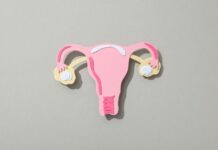













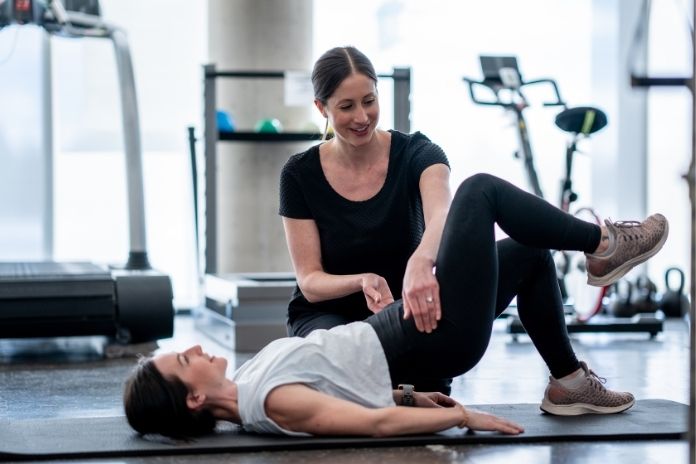
Many people believe that weak muscles are always the cause of pelvic floor issues. However, pelvic floor stiffness, commonly referred to as a hypertonic pelvic floor, is as prevalent and frequently disregarded. Urination, bowel movements, sexual function, and even chronic pelvic pain can all be hampered by these muscles becoming too stiff and failing to release.
In this article, we will explore what pelvic floor tightness is, the most common tight pelvic floor symptoms, what causes pelvic floor muscle tension, how it’s diagnosed, and the most effective tight pelvic floor treatment options. You’ll also learn when to seek help from a pelvic health specialist and how pelvic floor physical therapy can help restore balance.
- Tight pelvic floor muscles don’t relax properly, causing pain, urinary issues, and bowel problems.
- Stress, poor breathing patterns, and injuries are major contributors to muscle tension.
- Treatment focuses on relaxation techniques like breathing, stretching, and pelvic floor therapy, not just strengthening.
Read More: Pelvic Floor Dropping After Childbirth: What’s Normal and What’s Not
What Is Pelvic Floor Tightness?
Many women experience pelvic floor stiffness, also called pelvic tension, at some point in their lives. Pain, discomfort, and lower quality of life can result from hyperactive pelvic floor muscles that fail to relax fully. Tight pelvic floor muscles can lead to intimacy problems, bladder or bowel disorders, and pelvic pain.
The muscles in a hypertonic pelvic floor are always partially contracted. This results in:
- Reduced capacity for relaxation
- Pelvic muscle spasms and increased muscle tension
- Pressure on adjacent organs and nerves
- Symptoms like bladder urgency, pain, and incomplete emptying
It can exacerbate daily discomfort and eventually lead to pelvic floor dysfunction
Common Symptoms of a Tight Pelvic Floor
There are several indicators that your pelvic floor muscles are overly tight. Over the last ten years, research has advanced our knowledge of these indicators. These include pelvic pain and discomfort, hesitation or urine retention, trouble relaxing the pelvic floor, and problems with posture and mobility.
About Women
Pelvic Pain: Pain can affect the tailbone, lower abdomen, hips, vaginal or vulvar region, or extend deep into the pelvis.
Painful Intercourse: Uncomfortable or painful moments during or following sexual activity.
Urinary Problems: They include incontinence, frequent urination, difficulty initiating the urine stream, and the inability to empty the bladder fully.
Constipation: Feeling as though the evacuation process is not complete, and straining during bowel movements
Lower Back Discomfort: Persistent lower back discomfort, especially if cyclical, may also indicate that the pelvic floor muscles are not functioning properly.
About Men
Pelvic Discomfort: Persistent or sporadic discomfort in the testicles, penis, anus, lower abdomen, or perineum (the space between the scrotum and anus).
Erectile Dysfunction: It is the inability to get or keep an erection.
Painful Ejaculation: Uncomfortable or painful ejaculation
Urinary Problems: They include incontinence, difficulty initiating the urine stream, frequent urination, and inability to empty the bladder fully.
Constipation: Feeling as though the evacuation process is not complete, and straining during bowel movements
What Causes Pelvic Floor Muscles to Become Tight?

Tight or hyperactive pelvic floor muscles can have several causes. Effective symptom management requires an understanding of the underlying problem. Typical reasons consist of:
Stress and Anxiety: Stress and anxiety strongly impact pelvic floor function. When you’re under stress, do you clench your jaw or tense your shoulders? Your pelvic floor directly reflects the tension you carry elsewhere; if you tightly clench your jaw or upper body, you likely hold your pelvic floor tightly as well.
Core & Breathing: The diaphragm and pelvic floor are directly linked together. Inhalation moves the diaphragm downwards, which draws air into our lungs; exhalation allows the diaphragm to return back up to its resting position. Ideally, when you breathe, the pelvic floor will also do the same; it should stretch on your inhalation and contract back to its resting position on your exhalation.
Exercise: It matters how you stretch, move, and warm up! Your pelvic floor supports every movement. It’s crucial to give yourself time to warm up before exercising, as well as time and space to stretch and unwind.
Illness, Pain, and Injuries: Your body frequently tightens its muscles to defend itself when it feels discomfort in the pelvis or anywhere else. This muscle guarding may be beneficial at first, but if the pain is chronic or recurrent, the hypertonicity may become chronic.
Hormones: Your body’s hormones alter during pregnancy, the postpartum period, and the perimenopause, affecting your muscles, supporting tissues, and overall performance. Our bodies are incredible, designed to withstand these changes, and frequently do so without persistent problems. To maintain hormones and consequent function, we may require a little extra help from pelvic treatment or the medical staff.
Read More: Strengthen Your Pelvic Floor: 6 Recommended Kegel Exercise Devices
How Tight Pelvic Floor Muscles Are Diagnosed
Self-evaluation by identifying symptom patterns offers helpful preliminary indicators. Clinical assessment is necessary for confirmation. An expert supplier will evaluate:
Manual Palpation: Internal or external evaluation of the tone, tenderness, trigger points, and range of motion of the pelvic floor muscles.
Functional Movement Assessment: How the pelvic floor synchronizes with hip loading, respiration, and core activation during movement patterns appropriate to the patient’s degree of activity.
Evaluation of the Sacroiliac Joint and Lumbar Aspects: Clinicians should examine the sacroiliac joint or lumbar facets along with the pelvic floor muscle’s function because any restriction or dysfunction in these regions has a direct effect on pelvic floor muscle function.
Breathing Pattern Analysis: Considering the diaphragm and pelvic floor work as a pressure pairing, clinicians will assess the mechanics of breathing and how well the diaphragm functions. No matter how strong the regional muscles are, any pattern of breathing that does not include participation of the diaphragm disrupts the coordination of the pelvic floor.
Why Tight Pelvic Floor Symptoms Are Often Misdiagnosed
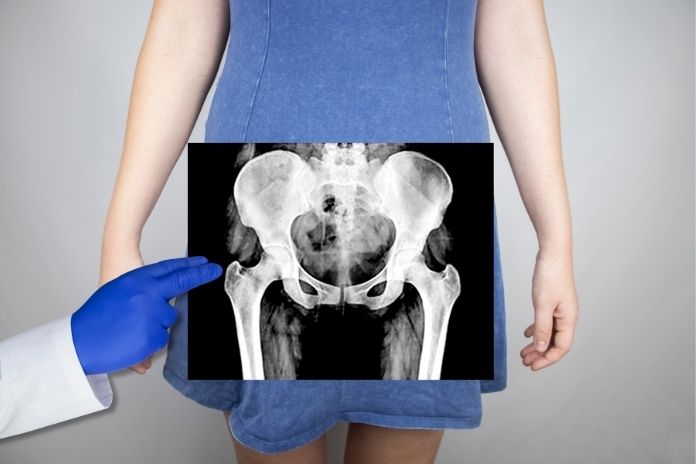
Pelvic floor tightness may look like:
- UTIs (urgency, burning)
- IBS (bowel dysfunction)
- Disorders of gynecologic pain
This overlap delays diagnosis.
Kegel exercises cannot strengthen muscles that are already taut.
- Muscle tension is increased by overuse
- Increases urgency and suffering
- Strengthens hypertonic pelvic floor patterns
For this reason, accurate diagnosis is important.
Treatments for Pelvic Floor Tightness
The goal of treating a tight pelvic floor is to stretch, relax, and retrain muscles:
Diaphragmatic Breathing: Diaphragmatic breathing, which is also known as deep belly breathing, may help you to relax the pelvic floor muscles. This technique encourages the full oxygen exchange and promotes relaxation of the entire body, including the pelvic floor.
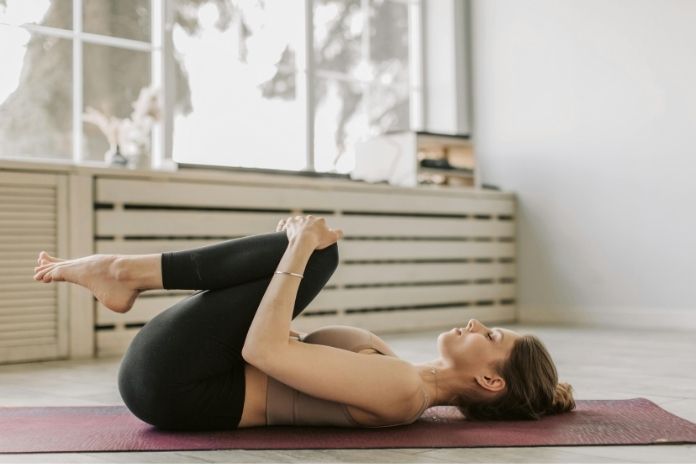
Pelvic Floor Stretching: Gentle stretching exercises may help lengthen and relax tight pelvic floor muscles. Child’s pose, deep squats, and joyful baby position are examples of stretching exercises. You can find many of these moderate yoga stretches in online videos.
Biofeedback: Therapists use sensors and feedback to help you learn how to contract and relax your muscles properly. These help reduce muscle tension that contributes to tightness: relaxation. Techniques, such as deep breathing, warm baths, and mind-body strategies like meditation or yoga.
Pelvic Floor Therapy: Is a type of physical therapy that helps strengthen or relax the pelvic floor muscles to prevent, treat, or manage symptoms of pelvic floor disorders. Through a combination of exercise and other nonsurgical treatments, pelvic floor therapy can help children and adults improve core stability and control over urination, bowel movements, and sexual function.
Read More: Breathing Techniques for Pelvic Floor Relaxation and Strength: A Guide to Core-Connected Calm
Exercises and Habits That May Help Relax the Pelvic Floor
Exercises for strengthening pelvic floor muscles are called pelvic floor muscle training. Doctors advise exercises that strengthen the pelvic floor muscles for:
- Women who experience stress-related incontinence
- Urinary stress incontinence in men usually follows prostate surgery
- Individuals with fecal incontinence
Pelvic floor muscle training strengthens the muscles beneath the uterus, bladder, and large intestine (gut). Both men and women who struggle with bowel control or urine leakage can benefit from them. Pretending to urinate and then holding it is a pelvic floor muscle training exercise. The muscles that regulate the flow of urine tense and relax.
Selecting the appropriate muscles to tighten is crucial. The next time you need to urinate, start and then stop. Feel the muscles in your anus, bladder, or vagina tighten and rise. These are the muscles of the pelvic floor. You’ve completed the workout correctly if you feel them tighten.
Avoid developing the habit of performing the exercises every time you urinate. Exercises should be done while seated but not while urinating and after you can easily identify the muscles.
Pelvic Floor Exercises
Take these actions:
- Empty your bladder first
- For ten counts, contract the pelvic floor muscles
- For ten counts, fully relax your muscles
- Three to five times a day (morning, afternoon, and night), perform ten repetitions
When to See a Pelvic Floor Specialist
Physical therapists with expertise in pelvic health can assist with treating issues of the pelvic floor. Make an appointment with a certified pelvic health physical therapist if you experience pelvic pain, have bladder leakage, have given birth, or have had surgery that affected your pelvic floor.
Physical therapists who specialize in pelvic health can provide safer alternatives to surgery, lessen or completely eradicate pelvic pain and various forms of incontinence, and suggest appropriate leak management devices.
Because pelvic health physical therapy emphasizes muscle strength, endurance, and coordination, it is less invasive and carries a lesser risk than surgery.
Read More: Pelvic Floor Exercises: Strengthening Solutions for Incontinence
Conclusion
A commonly disregarded type of pelvic dysfunction that can have a major impact on daily comfort, bladder control, bowel function, and sexual health is pelvic floor tightness. Many people go undetected or undergo therapies that could make the illness worse since its symptoms frequently mimic those of other conditions.
Identify the symptoms early and recognize that not all pelvic issues stem from weakness. You can get real relief if you focus on the right approach, especially therapies built around relaxation, not just strengthening.
Bringing your muscles back to normal works best when you use things like guided treatments, stress management, and moving mindfully. If your symptoms stick around, honestly, seeing a doctor makes a big difference.
References
- Saak Health. Pelvic floor weakness vs. tightness: Symptoms & treatments explained.
- Wellest Health. (2024, July 17). Is your pelvic floor too tight?
- Hinge Health. (July 11, 2024). Hypertonic Pelvic Floor: Causes, Symptoms, and Exercises for Tight Pelvic Floor Muscle.
- Synergy Release Sports. How to tell if your pelvic floor is tight or weak.
- Hinge Health. (September 1, 2025). Lengthen before you strengthen: Pelvic health stretches.
- Johns Hopkins Medicine. Pelvic floor therapy.
- Medline Plus. (10 January, 2024). Pelvic floor muscle training exercises.:
- Dr. Heather Jeffcoat, DPT. (25 September, 2025). Understanding the Pelvic Floor.
In this Article