

















Featured Answer
Collagen production naturally declines by about 1% yearly after age 20, but some lifestyle habits accelerate the process significantly. The biggest collagen destroyers are UV radiation, smoking, high sugar intake, and excessive alcohol use. Together, they increase oxidative stress, inflammation, and collagen breakdown inside the body. Protecting collagen mainly comes down to daily sunscreen use, avoiding smoking, limiting sugar and alcohol, and supporting the body’s natural repair systems through healthier habits.
Most people hear collagen and think only of skin topics. Wrinkles, glow, anti-aging creams. But collagen is actually a much bigger thing inside the body. It is the main structural protein in humans. Skin, joints, bones, tendons, and blood vessels; collagen helps support all these. The body uses collagen almost like an internal framework, holding tissues together.
The problem is that collagen production decline starts earlier than many people think. Around mid-20s, the body slowly starts making less collagen every year. That part is natural aging. Cannot stop fully.
But researchers are now finding some lifestyle habits that destroy collagen, speeding up this process a lot faster. Some habits damage collagen directly. Some stop the repair process. Some both.
At the same time, certain lifestyle habits seem to slow collagen loss and help the body maintain stronger collagen longer. So collagen and lifestyle are now becoming a big research area, not only a beauty industry discussion.
- Collagen naturally declines with age, but UV exposure, smoking, sugar, alcohol, and poor sleep may speed the process much faster.
- Collagen loss happens not only because the body produces less collagen with age, but also because damage-causing enzymes become more active over time.
- Researchers say sunscreen, vitamin C, retinoids, healthy diet patterns, and avoiding smoking remain the strongest evidence-supported ways to help preserve collagen over time, rather than supplements alone.
Read More: Do Collagen Supplements Really Help With Joint Pain? What Research Says
How Collagen Is Lost: The Biology Behind the Decline
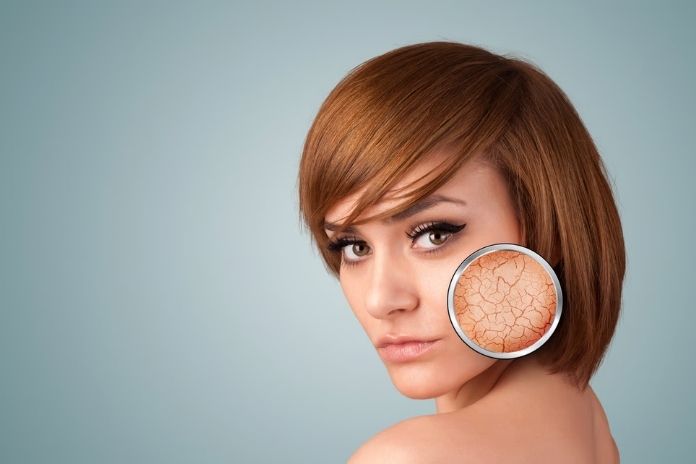
Collagen is made mainly by cells called fibroblasts. These cells work inside connective tissue and keep repairing collagen continuously. But fibroblasts need raw materials for this work. Vitamin C, glycine, proline, zinc, and copper: the body needs these nutrients properly for collagen synthesis.
At the same time, the body is continuously breaking down collagen. One major reason is the action of enzymes called matrix metalloproteinases, especially MMP-1, which degrades collagen. This enzyme becomes more active during UV exposure, smoking, inflammation, pollution, oxidative stress, and poor diet patterns.
So collagen aging is actually two problems happening together. The body slowly produces less collagen with age, while damage and breakdown become faster at the same time. That is why collagen loss can suddenly look accelerated after a certain age.
A Cosmetics journal systematic review published in June 2025 explained this clearly. Aging not only reduces collagen synthesis. It also damages the extracellular matrix structure itself through enzymatic breakdown. A simple way to understand it: the body’s scaffolding becomes weaker while the repair team also slows down.
The Four Lifestyle Habits Most Strongly Linked to Collagen Loss
1. UV Radiation: The Biggest Accelerant
Researchers consistently identify UV damage to collagen as probably the strongest external trigger of collagen destruction. Sunlight activates MMP-1 enzymes, which start breaking collagen fibers faster. UV radiation also creates reactive oxygen species, damaging fibroblasts and existing collagen structures.
This is why dermatologists repeatedly talk about sunscreen, not only because of cosmetic trends. Dr. Farah Moustafa, a dermatologist from Tufts Medical Center, said sun protection remains one of the most evidence-supported ways to preserve collagen long-term. She grouped sunscreen alongside smoking avoidance and retinoid use because the evidence is very strong there.
What makes UV damage dangerous is its cumulative nature. Skin remembers exposure over the years. Many people think only tanning or sunburn matters, but regular, small unprotected exposure also slowly degrades collagen structure. That is why the sunscreen discussion is actually a collagen biology discussion, not only a cosmetics topic.
2. Smoking: Collagen Damage from Multiple Directions
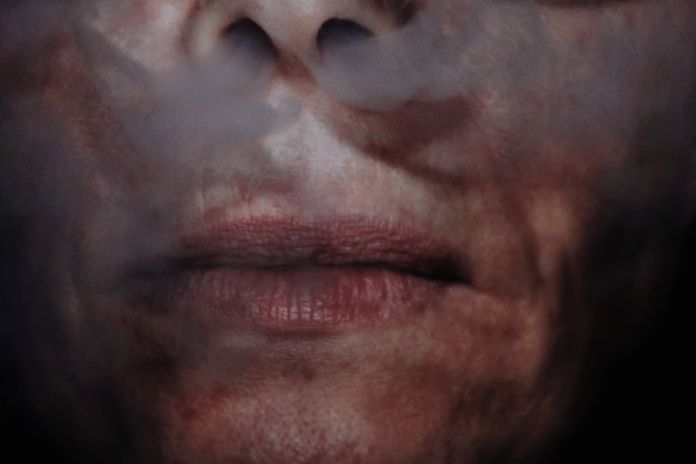
Smoking-induced collagen damage happens through several pathways together. That is why smoking-related skin aging often looks very different and more rough. Nicotine narrows blood vessels. This reduces oxygen and nutrient supply reaching fibroblasts.
Tobacco smoke also creates free radicals, damaging collagen fibers directly. Then smoking also activates MMP enzymes, increasing collagen breakdown even more. One visible sign researchers often mention is smokers’ lines around the lips.
Fine wrinkles near the mouth, rough texture, leathery appearance. These are not only surface changes. Deep collagen support underneath is also damaged. Smoking additionally lowers vitamin C levels in the body.
Since vitamin C collagen synthesis depends heavily on enough vitamin C, smokers often lose their repair ability also. So smoking damages collagen while making the repair process weaker at the same time.
3. High Sugar Intake: The Glycation Problem
Sugar collagen glycation is one of the most interesting mechanisms researchers now discuss more often. When blood sugar remains high frequently, glucose molecules attach to collagen fibers. This forms compounds called advanced glycation end products, or AGEs. Glycated collagen becomes stiff and brittle. It loses flexibility and strength.
An important thing: glycation damage cannot really be reversed once formed. That makes chronic high sugar intake one of the more serious long-term habits. An updated 2025 Healthline collagen review specifically mentioned diets high in sugar as factors compromising collagen production and collagen integrity.
Many people still think sugar only affects weight or diabetes risk, but collagen tissue also gets affected heavily. Researchers also think glycation may partly explain why skin exposed to long-term high-sugar diets often appears duller, thinner, and less elastic earlier.
4. Excessive Alcohol
Alcohol affects collagen more than people realize. Heavy alcohol intake increases inflammation inside the body and raises oxidative stress levels. It also reduces zinc availability, which the body needs for collagen production. Over time, alcohol can impair skin repair and tissue maintenance.
Another overlooked problem is sleep disruption. Sleep collagen repair mainly happens during deeper sleep stages. Growth hormone release during sleep helps fibroblasts repair damaged collagen. Alcohol may make people sleepy initially. But the repair quality becomes worse.
Healthline also included excessive alcohol use among major lifestyle factors associated with compromised collagen production. Like smoking and sugar, alcohol affects appearance externally. It changes collagen biology internally.
What the Research Says About Collagen Supplements: The Honest Picture
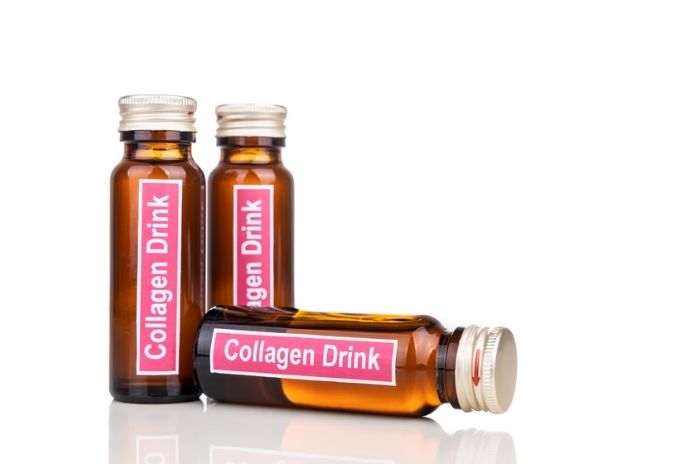
Collagen supplements became a huge market recently. Powders, sachets, gummies, coffee mixes, drinks. Many products promise younger skin or stronger joints. But the actual evidence is still mixed. As nutritionist Karishmma Chawla explains, collagen is not a “magic pill.” It needs consistency, the right form, and the right lifestyle habits to truly gain its advantages.
A 2025 meta-analysis published in the American Journal of Medicine reviewed 23 randomized controlled trials involving 1,474 people. Overall results suggested collagen supplements improved skin hydration, elasticity, and wrinkles somewhat.
But the important detail came later in the subgroup analysis. Studies not funded by supplement or pharmaceutical companies showed no significant improvements in hydration, elasticity, or wrinkles. The positive effects mainly appeared in industry-funded studies.
That does not mean collagen supplements are completely fake. But evidence becomes weaker after funding bias analysis. The evidence for joints appears somewhat stronger. A 2025 Biology of Sport review found collagen supplementation may support joint health in active people, especially around tendons and exercise recovery.
So, the current research position looks something like this: supplements may help some individuals a little, especially with joints, but lifestyle changes still matter much more for long-term collagen protection.
The Habits That Protect and Rebuild Collagen: What the Evidence Supports
Daily Sunscreen
This remains one of the strongest evidence-based lifestyle habits for preventing collagen loss. Sunscreen blocks UV-driven MMP-1 activation before collagen damage starts. Researchers repeatedly call it non-negotiable for preserving skin structure long-term.
The important thing that many people misunderstand: sunscreen does not repair old damage. It is slowing future collagen destruction. The benefit becomes cumulative over the years.
Topical Retinoids and Retinol
Retinol collagen research is actually very solid compared to many skincare trends online. Retinoids stimulate fibroblasts to produce more collagen while also reducing MMP activity. That means they help both sides, increasing collagen production and reducing breakdown. Dermatologists continue recommending retinoids because few topical ingredients have this level of evidence behind them.
Vitamin C: Dietary and Topical
Vitamin C collagen synthesis cannot happen properly without enough vitamin C available. It acts as a required cofactor during the collagen stabilization process. The 2025 systematic review on skin aging interventions also supported diets rich in polyphenols and healthy lipids for wrinkle reduction.
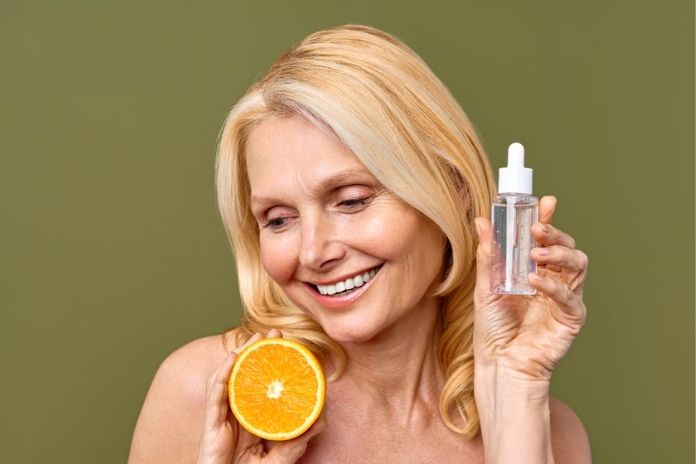
Vitamin C remains central there because oxidative stress control and collagen formation depend heavily on it. Fruits such as citrus, guava, berries, kiwi, and bell peppers all help. Topical vitamin C serums may also stimulate collagen locally when used consistently.
Diet Quality Overall
Researchers increasingly see collagen health connected with overall inflammation levels in the body. Diets rich in vegetables, healthy fats, fiber, omega-3 fats, and antioxidants appear protective, partly because they reduce inflammatory pathways activating MMP enzymes.
This means collagen protection is not only about one supplement powder. The whole inflammatory environment of the body matters.
Sleep
Sleep’s collagen repair gets ignored in many articles, but physiologically, it is important. During deep sleep, growth hormone release increases tissue repair activity. Fibroblasts become more active overnight. Chronic sleep deprivation shortens this repair window repeatedly over the years.
Poor sleep also increases cortisol and inflammation, both of which are associated with collagen breakdown. So collagen preservation is partly recovery biology, too, not only skincare.
Read More: Collagen vs. Gelatin – Which One Should You Take for Skin & Joints?
Conclusion
Collagen loss due to lifestyle habits with age cannot be avoided fully. The body naturally slows collagen production over time. But research now is clearly showing that lifestyle affects how fast this decline happens. Some habits damage collagen daily without people realizing: sunlight exposure, smoking, too much sugar, alcohol, and poor sleep.
Other habits help preserve collagen longer and support repair systems. The most important thing is that these protective habits are not complicated. Sunscreen, enough sleep, vitamin C foods, less sugar, and not smoking. Small regular habits matter more than expensive anti-aging trends many times.
- Collagen production declines because the body makes less collagen and breaks old collagen faster at the same time.
- UV exposure and smoking still show the strongest research connection with accelerated collagen damage.
- High sugar intake damages collagen through glycation, which researchers say is mostly irreversible once formed.
- Collagen supplement research has funding-bias concerns, especially for skin-aging benefits.
- Scientists are still not fully sure which collagen supplement types or doses truly work independently from industry-sponsored studies.
FAQs
1. What are the worst lifestyle habits for collagen loss?
Chronic UV exposure without protection is the strongest lifestyle habit causing collagen loss. Smoking, high sugar intake, and excessive alcohol further damage collagen through oxidative stress, glycation, inflammation, and impaired repair, accelerating visible skin aging and structural breakdown.
2. Do collagen supplements actually work?
Collagen supplements may provide modest benefits, but evidence remains inconsistent across studies. Some meta-analyses show skin improvement, yet independent trials often find minimal effect, so supplements are not considered primary treatment for skin aging compared with established topical or procedural therapies.
3. What foods help your body produce more collagen?
Foods that support collagen production include vitamin C-rich fruits, protein sources, and zinc-containing foods. Vitamin C enables collagen synthesis, while amino acids like glycine and proline, and minerals like zinc, support structural formation and tissue repair processes.
References
- Bar, O., & Valiukevičienė, S. (2025). Skin Aging and Type I Collagen: A Systematic Review of Interventions with Potential Collagen-Related Effects. Cosmetics, 12(4), 129.
- Buchalski, A., Jeanfavre, M., Altorelli, C., & Leff, G. (2026). Collagen Supplementation on Tendon-Related Structural and Performance Outcomes: A Systematic Review. Journal of Functional Morphology and Kinesiology, 11(1).
- Jariashvili, K., Madhan, B., Brodsky, B., Kuchava, A., Namicheishvili, L., & Metreveli, N. (2011). Uv damage of collagen: Insights from model collagen peptides. Biopolymers, 97(3), 189–198.
- Kubala, J. (2016, September 9). Collagen – What Is It and What Is It Good For? Healthline; Healthline Media.
- Lateef, H., Stevens, M. J., & Varani, J. (2004). All-trans-Retinoic Acid Suppresses Matrix Metalloproteinase Activity and Increases Collagen Synthesis in Diabetic Human Skin in Organ Culture. The American Journal of Pathology, 165(1), 167–174.
- Myung, S.-K., & Park, Y. (2025). Effects of Collagen Supplements on Skin Aging: A Systematic Review and Meta-analysis of Randomized Controlled Trials. The American Journal of Medicine.
- Ng, J. Y., Yan Ng, X. M., Gail, Wong, Q. Y. A., & Chew, F. T. (2025). Dietary interventions in skin ageing: a systematic review and meta-analysis. Journal of Physiological Anthropology, 44(1).
- Nguyen, H. P., & Katta, R. (2015). Sugar Sag: Glycation and the Role of Diet in Aging Skin. Skin Therapy Letter, 20(6), 1–5.
In this Article