
















Are you someone who is curiously waiting for the big news? That you might be pregnant? The days between conception and the moment you finally take a test after a missed period can feel endless, filled with curiosity and question marks. Many women wish this waiting time could be shorter, with answers coming sooner.
The bright side is that your body often whispers little clues even before your period is due. These signs can appear as early as 1–2 weeks after conception. By understanding these subtle changes, you may be able to sense pregnancy earlier than you think.
In this article, we’ll explore the gentle signs your body shows after conception and how noticing them can help you understand what’s happening well before a missed period.
- Even before a missed period, subtle hormonal changes after implantation can spark little signals that something new is happening.
- Light spotting, tender breasts, unusual tiredness, mild cramps, nausea, frequent bathroom trips, a sharper sense of smell, and mood swings are some of the earliest whispers of pregnancy.
- Because these signs overlap so much with pre‑period symptoms, it’s easy to feel unsure. That’s why a test is the only way to know for sure.
- Home urine tests are most reliable after a missed period, while a doctor’s blood test can sometimes confirm pregnancy about a week earlier.
- Heavy bleeding, sharp one‑sided pain, a positive test with an IUD, or a history of ectopic pregnancy are red‑flag situations where medical care is needed right away.
Why Can Symptoms Appear Before a Missed Period?

Early pregnancy symptoms can begin even before a missed period. This is because hormonal and physical changes start immediately after implantation, before your cycle is due.
To understand these better, let’s see how it all begins from the period to pregnancy.
- First day of your last period
Doctors usually calculate the start of pregnancy from the first day of your last menstrual period. This becomes the reference point for tracking your pregnancy timeline.
- Ovulation (around day 12–16)
Ovulation is when your ovary releases an egg. It typically happens between days 12 and 16 of your cycle.
- Within 24 hours of ovulation
Once released, the egg remains vital for about 24 hours. If sperm is present, either from intercourse in the days leading up to ovulation or on the day itself, it can fuse with the egg to form a zygote.
This is called conception, and this marks the start of pregnancy
- About 7 to 9 days after ovulation
The zygote travels to the uterus and attaches to its lining. This process is called implantation.
- Rise of pregnancy hormone levels
After implantation, blood levels of pregnancy hormones, such as human chorionic gonadotropin (hCG) and progesterone, begin to rise. The hCG hormone can now be detected in urine, which is why pregnancy test kits confirm pregnancy at this stage.
One of the confusing parts of early pregnancy is that the body’s rising progesterone levels can mimic what happens during the luteal phase of a normal menstrual cycle.
In other words, the same hormone that makes you feel bloated, tired, or moody before your period, rises in early pregnancy as well. Because the symptoms overlap so much, it can be hard to tell whether you’re going to have your period or experiencing the very first signs of pregnancy.
“Pregnancy symptoms can vary among individuals, but many women start experiencing symptoms about two to three weeks after conception. Common early symptoms may include breast tenderness, fatigue, nausea (morning sickness), and increased urination. Keep in mind that symptoms and their timing can differ from person to person.”
Dr. Sharon Kaur, Board‑Certified Gynecologist, Royal College of Obstetricians and Gynecologists, UK
Read More: Low Progesterone and Your Period: Signs, Symptoms, and Solutions
The Most Common Early Signs of Pregnancy
Early signs of pregnancy include:
- Implantation bleeding
- Breast tenderness
- Fatigue
- Mild cramping
- Nausea
- Frequent urination
- Heightened sense of smell
- Mood changes
Implantation Bleeding
Implantation bleeding is a light spotting that may occur around the time of implantation, or when your period is expected.
Unlike a regular menstrual flow, it is usually much lighter, often appearing as pink or brown spots rather than the progressive red flow of menstruation. It typically lasts only a day or two and does not increase in intensity the way a period does.
Because of its timing (19-25 days after your last period), many women confuse it with an unusually light or early period, but in reality, it is linked to the fertilized egg attaching itself to the lining of the uterus.
Not every woman experiences implantation bleeding, and its absence does not mean anything is wrong with the pregnancy. For those who do notice it, the spotting is generally painless and may be accompanied by mild cramping.
Breast Tenderness and Changes
For many women, breast tenderness is one of the very first signs of pregnancy, sometimes appearing as early as one week after conception. Rising levels of estrogen and progesterone cause the breast tissue to change rapidly.
Increase in blood flow and fluid retention in breast tissue, leading to tenderness, swelling, and a sense of heaviness. You may also notice that the areolas darken and veins on the breasts become more visible. Breast changes before a period are also common with PMS, but there are subtle differences.
In early pregnancy, tenderness is often more pronounced, affects the entire breast rather than just the outer edges, and continues beyond the time your period breast tenderness would normally arrive. This persistence is one of the clues that the changes may be pregnancy‑related rather than cycle‑related.
Fatigue
Fatigue in early pregnancy often feels heavier than the usual tiredness before a period. It doesn’t just make you want a nap, it can drain your daytime energy and leave you needing more sleep than normal.
This fatigue is largely driven by rising progesterone levels. Your body is also working hard behind the scenes to support your developing baby, which signals your body to slow down and conserve energy. If you had intercourse recently and started to feel unusually tired after 1–2 weeks, this could be an early sign.
Extra energy is diverted to the baby’s growth and development, making your heart pump faster and stronger. As a result, your pulse and breathing rates increase, while blood sugar and blood pressure may dip lower than usual.
Cramping
Cramping in early pregnancy is noticeably mild and is accompanied by light spotting rather than heavy bleeding. This may last only a few minutes to a few hours. It is caused by the implantation.
These cramps often occur around the same time as period cramps and most women feel this cramping in the lower abdomen. It tends to be less intense than typical menstrual pain.
While mild cramping is generally considered a normal part of early pregnancy, it’s always reassuring to check in with a doctor if the discomfort feels unusual or is accompanied by heavier bleeding.
Dr. Sharon Kaur tells her patients that mild cramping during early pregnancy can be normal as the uterus expands and adjusts. However, severe or persistent cramping, especially if accompanied by bleeding, can be a sign of a problem and should be evaluated by a healthcare provider.
Nausea
The term “morning sickness” has been widely used to describe nausea and vomiting in pregnancy (NVP).
Morning sickness classically begins between 4 and 8 weeks of pregnancy, but some people notice early nausea before a missed period. About 80% of pregnant women experience morning sickness, with symptoms ranging from mild to severe.
The exact cause of morning sickness is unknown. Hormonal changes, including rising levels of “human chorionic gonadotropin” (hCG) along with low blood sugar levels due to the increased demands of the growing baby, may contribute to it.
Morning sickness is frequently accompanied by other early pregnancy symptoms that can feel like PMS, such as cramps and moodiness. Unlike a stomach bug, pregnancy-related nausea is typically not accompanied by fever or diarrhea. It can occur at any time of day, despite its name.
Frequent Urination — from implantation onwards
One of the earliest changes many women notice after conception is the need to visit the bathroom more often.
In many pregnant women, this frequent urination can start even before the missed period. This early change happens because pregnancy hormones, especially hCG and progesterone, boost blood flow to the kidneys, making them filter more fluid and increasing the urge to urinate.
At the same time, your blood volume is also increasing to support the growing baby, which means more urine is produced. As pregnancy progresses, the expanding uterus adds gentle pressure on the bladder, making those bathroom trips even more frequent, sometimes at night too. It’s a normal, healthy sign that your body is already working hard to nurture your baby.
Heightened Sense of Smell
Many pregnant people report a sudden sensitivity to smells, finding previously neutral or pleasant odors overwhelming or nauseating.
This is thought to be driven by rising estrogen and is closely linked to triggering nausea. It is more common in the first trimester than any other stage of pregnancy.
Mood Changes
Mood swings in early pregnancy are largely driven by hormonal changes. Rising estrogen can heighten sensitivity, irritability, and anxiety, while progesterone, though vital for relaxing muscles and supporting the pregnancy, can leave you tired.
Added to this are disrupted sleep and morning sickness, which make maintaining emotional balance harder. Rapid physical changes and the stress of adjusting to pregnancy can also lead to mixed feelings.
Together, these factors create the emotional ups and downs many women experience in the earliest weeks of pregnancy. They often resemble PMS mood changes; their persistence and intensity can be stronger.
Read More: Can Heavy Periods Be a Sign of Something Serious?
The PMS Problem — Why These Symptoms Are Hard to Interpret

Premenstrual syndrome, or PMS, is the name we give to the mix of physical and emotional changes that often show up 1-2 weeks before your period.
Every symptom listed above also occurs during PMS. Once your period begins, these symptoms usually ease off. These symptoms are caused by the hormone progesterone, which rises in the body after ovulation (luteal phase).
Common symptoms of PMS are:
- Fatigue
- Breast tenderness
- Cramping
- Mood changes
- Bloating
Most of the symptoms of early pregnancy can look and feel almost identical to PMS. That’s because both are driven by hormonal changes happening in the body.
This overlap often makes it confusing to tell the difference without a pregnancy test, leaving many women wondering whether they’re about to start their period or experiencing the very first signs of pregnancy.
A blood test performed by your healthcare provider can usually detect hCG levels about a week before your missed period, providing earlier confirmation. On the other hand, home urine tests tend to be most reliable right around your expected period date or afterward, when hormone levels are high enough to show clearly.
When to Take a Pregnancy Test and What to Do Next?
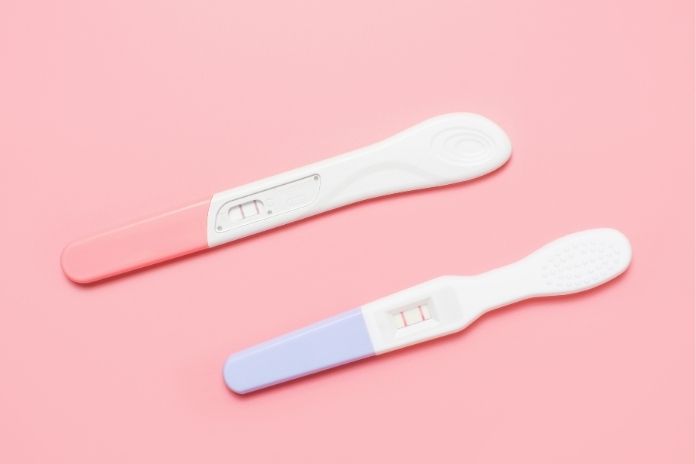
There are two main types of pregnancy tests, urine tests and blood tests. Both work by detecting hCG, the hormone produced only after conception.
A urine test is usually done at home and is simple to perform on your own. A blood test, on the other hand, is typically recommended by a healthcare provider.
- Home pregnancy tests usually detect pregnancy after a missed period. While some brands claim to detect pregnancy earlier, testing too soon can lead to a false negative.
- A healthcare provider can order a blood test to check for hCG even earlier than urine tests, as early as 1 week before a missed period
A positive pregnancy test result means it’s time to contact your healthcare provider to begin early prenatal care. Starting a prenatal vitamin with folic acid is especially important in the first trimester, as folic acid supports healthy neural tube development in your baby.
If you get a negative result but your period still doesn’t arrive, don’t worry. Simply wait about a week and test again, especially if symptoms continue.
Read More: Natural Remedies for Common Pregnancy Symptoms
When to Seek Medical Attention
Most of the early pregnancy symptoms are normal and self-resolving. Seek medical attention promptly if:
- Heavy bleeding (not just light spotting) should always be checked by a doctor to rule out miscarriage or ectopic pregnancy.
- Severe one‑sided abdominal pain with a positive pregnancy test may signal an ectopic pregnancy, which is a medical emergency.
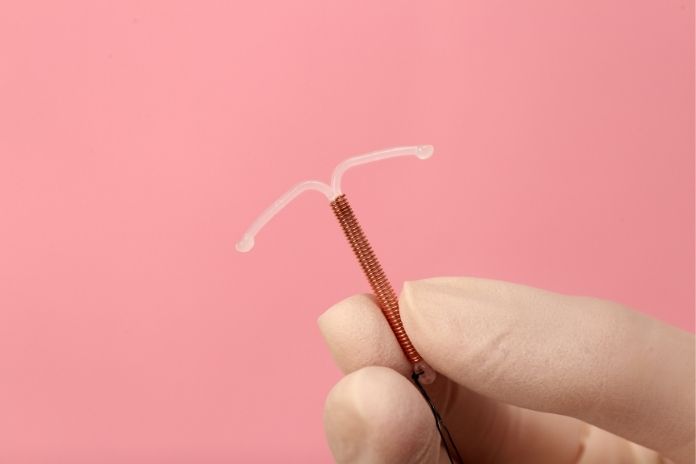
- A positive pregnancy test while an intrauterine device, such as a copper T, is in place requires urgent evaluation.
- Any positive test in someone with a history of ectopic pregnancy also needs prompt medical assessment.
FAQs
1. How early can you feel pregnancy symptoms before a missed period?
Some women may notice subtle changes as early as one week after conception, roughly a week before a missed period. The earliest possible signs can include light implantation bleeding, unusual fatigue, or mild cramping.
However, for most people, noticeable symptoms don’t show up until around the time of the missed period or shortly after, when rising hCG levels trigger more obvious effects.
2. What is the very first sign of pregnancy?
Implantation bleeding is often considered the earliest possible sign, appearing 6–14 days after conception when the fertilized egg attaches to the uterine wall.
Not everyone experiences this, though. For many, the first noticeable changes are breast tenderness and fatigue, which can begin 1–2 weeks after conception. The most obvious early sign
3. Can pregnancy symptoms start 1 week after conception?
Yes, some people do report early changes such as fatigue, light cramping, or spotting within the first week after conception, which often coincides with the implantation window.
However, these same symptoms can also be caused by normal hormonal activity in the luteal phase, even when pregnancy hasn’t occurred.
In most cases, noticeable pregnancy symptoms develop a few weeks later rather than in the very first week, and none of these early signs can reliably distinguish pregnancy from PMS without a test.
References
- Betz, D., & Fane, K. (2025, April 27). Human chorionic gonadotropin. StatPearls Publishing.
- Johns Hopkins Medicine. 10 early signs of pregnancy.
- Fields, L. (2025, August 18). Implantation bleeding: What should you know? WebMD. Medically reviewed by Begum, J., MD
- Festin, M. (2014, March 19). Nausea and vomiting in early pregnancy. BMJ Clinical Evidence, 2014, 1405.
- Vicharapu, R. (2026, March 2). What are the early signs of pregnancy before a missed period? – All you need to know. [Consultant & Fertility Specialist].
- MedlinePlus. Pregnancy test. U.S. National Library of Medicine.
- World Health Organization. (n.d.). Intrauterine devices. World Health Organization.
In this Article