




















Eating breakfast makes you more hungry because of reactive hypoglycemia, a blood sugar spike followed by a rapid crash that leaves you feeling more hungry than before you ate. This happens when breakfast is very high in refined carbohydrates as well as low in protein and fat.
The crash triggers hunger hormones and cravings within just 1-3 hours of eating. The fix is never skipping breakfast; it is changing what you eat.
- If breakfast makes you hungrier, it is likely due to a blood sugar spike and crash caused by high-carb foods.
- This triggers reactive hypoglycemia and increases hunger soon after eating.
- The solution is not skipping breakfast but choosing protein-rich, low-GI meals with healthy fats to stabilize energy and appetite.
Read More: The Best Anti-Inflammatory Breakfasts for Stable Blood Sugar and Energy
What Reactive Hypoglycemia Is, and Why Breakfast Triggers It
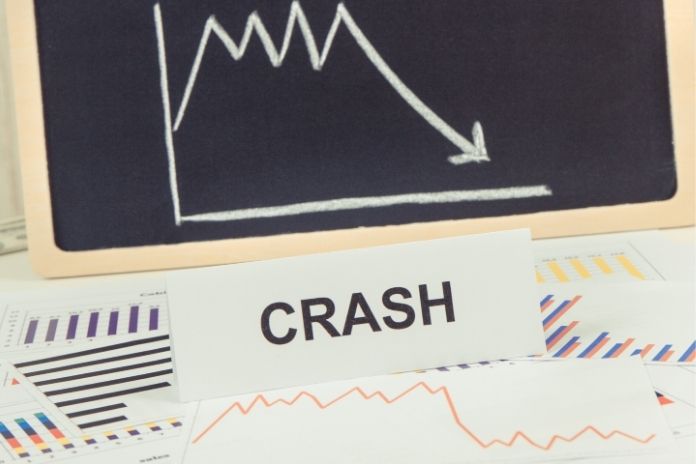
Reactive hypoglycemia, also called postprandial hypoglycemia, occurs when your blood sugar goes below normal when you have just eaten breakfast. It usually happens within 2-4 hours. Many people think low blood sugar just happens if you don’t have meals, but actually, it can happen because of the meal itself.
The process is simple but strong. You eat a high-carbohydrate breakfast, especially refined carbs like white bread or sugary cereal. Blood glucose rises very fast. The body reacts quickly. The pancreas releases a large amount of insulin to control this spike. But sometimes this insulin response after breakfast is too much.
Then what happens is that glucose is cleared from the bloodstream faster than it should. Instead of coming slowly from digestion, it drops quickly. Blood sugar can go even lower than your fasting level. That is the crash. This is why you feel suddenly hungry, shaky, or low energy. It is not a mental weakness. It is the body reacting to a blood sugar crash after breakfast.
In some people, insulin keeps being released even after food digestion slows. This makes the drop deeper. A high-glycemic breakfast can even leave you feeling the same as if you skipped breakfast fully. So, a bad breakfast equals no breakfast effect sometimes.
Why High-Carb Breakfasts Are Specifically the Problem

Not all breakfasts are the same. The problem is mostly high-glycemic breakfasts, fast-digesting carbohydrates that never have enough protein or fat. These foods digest very fast. Blood sugar goes up quickly. Insulin also rises sharply. This creates the classic blood sugar spike and crash pattern. Common foods causing this:
- White toast with jam
- Sweetened breakfast cereals
- Instant flavored oats
- Fruit juice
- Biscuits, pastries, bakery items
- Packaged granola bars
“Because those foods are broken down and digested into glucose so fast, they cause a quick spike in your blood sugar, which then plummets just as quickly, leaving you prone to reactive hypoglycemia,” a dietician, Julia Zumpano, says.
One important thing many ignore: hunger hormones. Ghrelin, which controls hunger, gets suppressed when you eat. But carbs suppress it only for a short time. Protein suppresses ghrelin after breakfast for much longer. So after a carb-heavy breakfast, hunger returns faster. Also, liquid carbs like juice are worse.
They have no fiber. Sugar enters the bloodstream almost instantly. Even faster than solid food. So the crash also comes faster. There is another effect. Once you get this mid-morning crash, your brain pushes for quick energy. You start craving more sugar or snacks.
This creates a cycle of consuming carbs, a blood sugar crash after breakfast, craving more food, and eating food again. The whole day, appetite becomes unstable. Some people say, “When I eat breakfast, I feel hungry all day.” This is often not because of breakfast itself, but because of this repeated glucose fluctuation starting in the morning.
The Individual Variability Factor: Why Some People Are More Affected
Not everyone feels this equally. Some people can eat bread and tea and feel fine for hours. Others feel hungry in one hour. This difference is real. Research shows that insulin response and hunger response are quite consistent within a person. Means if your body reacts strongly to carbs today, it will likely react the same way tomorrow also.
This means your experience is not random. If eating breakfast makes you hungry again and again, then this means your body has a pattern. Your pancreas may release more insulin than average when you eat carbohydrates.
Also, your genetics, your sleep quality, your stress levels, and your physical activity has a affect this response. Poor sleep can make insulin response worse. High stress can increase glucose swings. So the solution is not copying someone else’s breakfast. It is adjusting according to your own response.
How to Eat Breakfast Without Triggering a Blood Sugar Crash After Breakfast

The fix is not skipping breakfast. It is changing how breakfast is built. First thing: breakfast protein satiety. Protein is strongest for satiety. It reduces ghrelin better than carbs. It also slows digestion. Aim for at least 20-30 grams of protein in breakfast:
- Eggs
- Greek yogurt
- Cottage cheese
- Protein shake
- Fish like salmon
Protein also causes insulin release, but in a controlled way. It does not create sharp spikes like refined carbs. Second: add fat. Fat slows gastric emptying. Means food stays longer in the stomach. Glucose enters the bloodstream slowly. Good fat options:
- Avocado
- Nuts or nut butter
- Olive oil
- Seeds
When fat is added to carbs, the glucose rise becomes slower and smoother. Third, choose low-GI carbohydrates. Not all carbs are bad. But type matters. Better options for low-GI breakfast foods:
- Whole oats (not instant)
- Whole-grain bread
- Millets
- Berries
These release glucose slowly. No sudden spike, so no sharp crash. Avoid fruit juice completely in the morning. It looks healthy, but behaves like sugar water in the body. Whole fruit is better because of fiber.
A registered dietitian, Jennifer Kerner, says, “When you eat a piece of fruit, you’re consuming sugar in the form of fructose. But because that natural sugar is tied up in a food matrix that also contains fiber, vitamins, minerals, and phytonutrients, your body digests the sugar at a slower rate, making it a longer-lasting, steady source of energy.”
A simple balanced breakfast looks like:
- 2-3 eggs
- One slice of whole-grain toast
- Half avocado
This type of meal gives steady energy for 3-4 hours. Compare this to cereal and milk, where hunger may come in 60-90 minutes. Also important: eat slowly. Fast eating can increase glucose spikes.
Read More: 10 Best Breakfasts for Reducing Menopause Belly Fat (Backed by Nutrition Science)
When to See a Doctor: Is It Just Breakfast or Something More?

If you ever feel like breakfast makes you hungry. Most of the time, this issue is dietary. It improves when the breakfast composition changes. But sometimes it may need medical attention. You should consult a doctor if:
- You feel severe shakiness or weakness after eating
- Sweating, confusion, or heart palpitations happen often
- Symptoms do not improve even after changing the diet
- You have diabetes or prediabetes
- You had weight-loss surgery
- You take medicines affecting blood sugar
In such cases, reactive hypoglycemia from breakfast may be part of a larger metabolic issue.
Read More: The Best Anti-Inflammatory Breakfasts for Stable Blood Sugar and Energy
Final Thoughts
Many people think, “Why am I hungry after eating breakfast?” even when breakfast is always good and always gives energy. But the body does not work on general rules. It works on signals. If the first meal of the day sends an unstable glucose signal, then the whole day’s appetite becomes messy. The problem is not breakfast. The problem is the type of breakfast.
One interesting thing: hunger after breakfast is often misunderstood as “fast metabolism” or “good digestion.” But actually, it can be poor glucose control. Also, skipping breakfast sometimes feels better for some people.
That is because they avoid the spike-crash cycle. But it is not solving the root issue. It is avoiding the trigger. If breakfast is designed properly, with protein, fat, and slow carbs, it becomes a stabilizing meal, not a hunger trigger.
- Breakfast hunger is often due to blood sugar instability.
- Reactive hypoglycemia from breakfast can mimic the effects of skipping meals entirely.
- High glycemic breakfast foods dominate modern breakfast patterns, creating repeated glucose swings.
- Individual insulin response after breakfast is consistent.
- Research still lacks long-term comparison between habitual breakfast skippers and optimized low-GI breakfast eaters in reactive hypoglycemia populations.
FAQs: Eating Breakfast Makes Me Hungrier
1. Why does eating breakfast make me hungrier an hour later?
Eating breakfast may make you hungry soon after due to reactive hypoglycemia from high-carbohydrate meals. Excess insulin release lowers blood glucose rapidly, triggering hunger; adding protein and fat slows absorption and helps maintain stable energy and satiety.
2. Is it better to skip breakfast if it makes you hungrier?
No, skipping breakfast is not necessarily better if it makes you hungrier later. It may avoid glucose fluctuations briefly, but improving meal composition with protein, healthy fats, and low-GI carbohydrates is more effective for stable blood sugar and appetite control.
3. What is the best breakfast to avoid hunger?
The best breakfast to avoid hunger is a balanced meal with 20-30 grams of protein, healthy fats, and low-glycemic carbohydrates. This combination slows digestion, stabilizes blood glucose, and promotes satiety, reducing the likelihood of early hunger and energy crashes.
References
- Cleveland Clinic. (2022, April 21). Ghrelin Hormone: Function and Definition. Cleveland Clinic.
- Rodin, J. (1985). Insulin levels, hunger, and food intake: an example of feedback loops in body weight regulation. Health Psychology: Official Journal of the Division of Health Psychology, American Psychological Association, 4(1), 1-24.
- Singh, T., Ahmed, T. H., Mohamed, N., Elhaj, M. S., Mohammed, Z., Paulsingh, C. N., Mohamed, M. B., & Khan, S. (2022). Does insufficient sleep increase the risk of developing insulin resistance: A systematic review. Cureus, 14(3).
In this Article